

Photo: Greg Hayter via Flickr (CC BY 2.0)
How Many Days In Hanoi Travel Guide
Plan how many days in hanoi with top picks, neighborhood context, timing tips, and practical booking advice for a smoother trip.
On this page
Hanoi marks its thousand-year history with dense alleyways, colonial charm, and constant motion. The question isn't whether to visit—it's how long to stay. This guide breaks down realistic durations from 24 hours to five days, grounded in visitor costs, neighborhood trade-offs, and nearby day-trip options.
Last updated July 2026. We recommend two to three days for first-timers and repeat visitors alike. Shorter visits demand efficient routing; longer stays let you escape the city's relentless traffic and noise for nearby regions like Ninh Binh or Ha Long Bay.
Key Takeaways
- Hanoi marks its thousand-year history with dense alleyways, colonial charm, and constant motion.
- The question isn't whether to visit—it's how long to stay.
- This guide breaks down realistic durations from 24 hours to five days, grounded in visitor costs, neighborhood trade-offs, and nearby day-trip options.
- We recommend two to three days for first-timers and repeat visitors alike.
Take the route offline
Free: the Hanoi route notes
Where to base yourself and what it costs, a day-by-day route that avoids backtracking, real transfer times and fares, seasonal timing, and where it connects onward — condensed from our Hanoi guides and made to take offline.
At a Glance: 2 Days in Hanoi
Two days is the realistic minimum—and surprisingly, the duration most travelers recommend. You'll explore the iconic Old Quarter, taste authentic street food, and visit one museum or lake. This structure balances density with exhaustion: day one focuses on narrow alleys and markets; day two adds museums and calm neighborhoods.
Budget roughly €25–€50 daily for food, entry fees, and metro. Museums range from free–€3 entry; street food items cost €0.50–€2 each; metro rides are €0.50 per journey. Hanoi is not walkable end-to-end, so plan 3–4 Grab taxi or metro hops between neighborhoods.
- Day 1: Old Quarter classics and street food
- Morning: 8:00 AM–11:30 AM, Old Quarter walk (free)
- Afternoon: 12:00 PM–3:00 PM, Hoan Kiem Lake circuit (free)
- Evening: 5:00 PM–8:00 PM, egg coffee and night-market food stalls
- Time: 10+ hours of walking and standing
- Logistics: Stay nearby; use metro Red Line or Grab between areas
- Optional: Swap lakeside café queues for Temple of Literature (€0.50, open 8am–5pm)
- Day 2: Museums, neighborhoods, and west lake views
- Morning: 9:00 AM–11:30 AM, Vietnam Military History Museum (€3, open 8:30am–5pm, closed Mondays)
- Afternoon: 1:00 PM–4:00 PM, Hang Dau neighborhood walk and lunch (€2–€4)
- Evening: 5:00 PM–7:00 PM, rooftop sunset drink (€2–€4), dinner at restaurant (€4–€6)
- Time: 8–9 hours of activity
- Logistics: Metro Red Line or taxis (€2–€3 per ride)
- Optional: Replace museum with Hoa Lo Prison (€3, open 8am–5pm) or skip for more walking
Day-by-Day Breakdown for 2 Days in Hanoi
We balance density with recovery here, prioritizing walkable neighborhoods over rush-and-see tactics. Most two-day travelers say they wished they'd spent more time at cafés and less time commuting. This itinerary assumes early morning arrival and late afternoon departure.
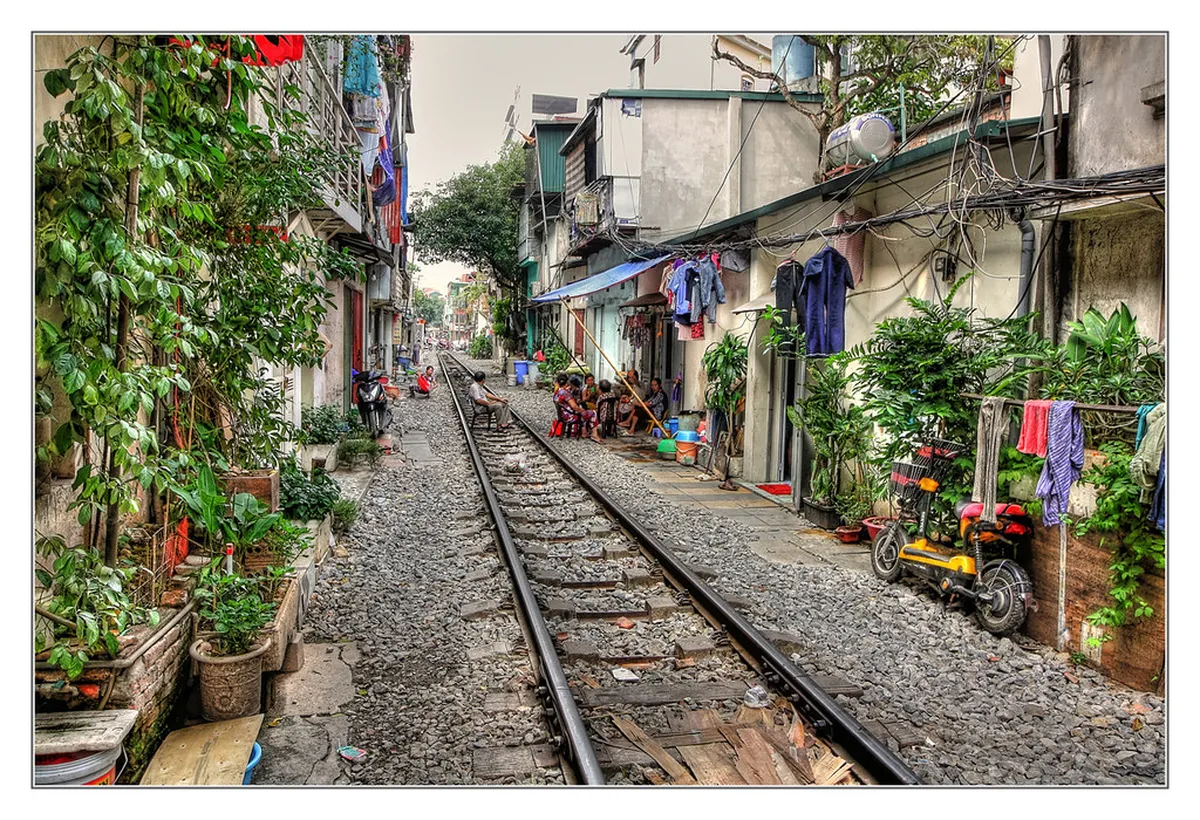
Costs include entry fees, metro rides, and street meals only—not accommodation or flights. Museum entries are mostly free to €3; metro per ride is €0.50; street food ranges €0.50–€2. A sitdown restaurant meal runs €3–€6; rooftop cafés and Western food cost €4–€8.
- Day 1: Old Quarter immersion and street food exploration
- Morning: Spend 8:00 AM–11:30 AM wandering Old Quarter's narrow streets (free exploration)
- Afternoon: Grab pho or bun cha for lunch (€1–€2), walk to Hoan Kiem Lake (free)
- Evening: Try egg coffee at a historic café by 4pm (€1–€2), explore food stalls on Hang Manh street (€0.50–€1 per item)
- Time: ~10 hours on foot
- Logistics: Walk within Old Quarter; use Grab or metro to Hoan Kiem if fatigued (€1–€2)
- Optional: Avoid café queues by eating dinner earlier (6pm) to dodge peak-hour chaos
- Day 2: Museums, wide neighborhoods, and West Lake walks
- Morning: Vietnam Military History Museum, 8:30 AM–11:30 AM (€3 entry; plan 90 minutes)
- Afternoon: Lunch in Hang Dau neighborhood (€2–€4), walk Dong Xuan Market (free, watch bags)
- Evening: Rooftop bar drink in French Quarter (€2–€4), sitdown dinner (€4–€8)
- Time: ~8 hours of activity
- Logistics: Metro Red Line stops nearby; most sites within €2–€3 taxi of your base
- Optional: Swap museum for Hoa Lo Prison (€3, open 8am–5pm daily, dark wartime history)
Is 1 Day in Hanoi Enough?
Yes—barely, and only if you arrive early and manage expectations strictly. Prioritize the Old Quarter, eat street food at every meal, and skip museums. This is doable but leaves little room for rest or error.
Best timing: arrive 7–8 AM from the airport (45 minutes away), spend 6–8 hours exploring, depart late afternoon or evening. Budget €12–€18 for food, metro, and one café (no hotels). Focus your day on the Old Quarter's compact walkable core, eat street food for every meal, and sit at a café for 30 minutes—that's realistic one-day Hanoi.
Should You Spend 3, 4, or 5 Days in Hanoi?
Three days is when Hanoi stops wearing you out and rewards patience. You can linger in favorite neighborhoods, rest at cafés, and take a half-day trip to Ninh Binh (2 hours south). Four to five days let you add a full overnight trip—Ha Long Bay, Sapa, or a rural homestay.
The honest trade-off: Hanoi's honking, traffic, and narrow streets create genuine sensory overload for many visitors. Beyond three days staying only in the city, you're either deeply enjoying chaos or seeking escape. Free activities repeat quickly (lake walks, market browsing), so paid extras matter more on day three onward.
We recommend two to three days in Hanoi proper, then either moving to another city or taking day trips. This breaks fatigue cycles and gives perspective on the capital's pace. Travelers who stay four-plus days without leaving often report boredom or frustration.
Tips for Visiting Hanoi: What Every Traveler Should Know
Hanoi is not a walkable city despite its compact Old Quarter. One metro line (Red Line) operates; taxis cost €1–€3 per trip. Grab (ride-hailing app) is safer and costs the same—book via app, not street hails.
Traffic noise and honking are relentless during 7–9 AM and 5–8 PM commute hours. Earplugs or noise-canceling earphones help during midday rest and sleep. Most travelers adapt within 24 hours.
Street food is legendary and safe at busy stalls with high turnover. Eat where locals queue; cooked items (pho, bun cha) are safer than raw salads if your stomach is sensitive. Prices listed are accurate as of 2026; always check for inflation.
Traffic noise and honking are relentless, especially 7–9 AM and 5–8 PM (commute hours). Earplugs or noise-canceling earphones help during midday rest and sleep. Most travelers adapt within 24 hours.
Overcharging (inflated tourist prices, rigged meters) is rare but possible in heavily touristed areas. Ask your hotel for fair local prices and always use Grab or metered taxis. Scams are uncommon compared to Bangkok, but watch drink prices at bars and tour operator reviews closely.
Hanoi is generally safe (low violent crime, regular police presence). Petty theft happens on crowded buses and markets; keep bags close and avoid displaying expensive electronics. Most travelers feel secure day and evening with basic street smarts.
Where to Stay in Hanoi: Neighborhoods and Bases
Old Quarter is central, chaotic, and where most tourists stay. Rooms cost €15–€40/night for budget dorms or private doubles. You're in the heart of markets and food but also in relentless noise and traffic.

French Quarter feels calmer and attracts repeat visitors and remote workers. Rooms run €25–€60/night; cafés are plentiful; the atmosphere is quieter. Walking and dining are easier, though some sites (military museum) require metro access.
| Neighborhood | Cost per Night | Vibe | Best For |
|---|---|---|---|
| Old Quarter | €15–€40 | Central and chaotic with relentless noise and traffic | Heart of markets and street food |
| French Quarter | €25–€60 | Calm and quiet with plentiful cafés | Repeat visitors and remote workers |
| Hang Dau | €10–€30 | Emerging with fewer tourists and real local life | Day-two exploration, avoiding crowds |
| Hoan Kiem District | €20–€50 | Mid-range with less noise | Day one, then shift to other neighborhoods |
Hang Dau is emerging and cheaper (€10–€30/night) with fewer tourists and real local life. It's walkable to markets but farther from major sites. Good for day-two exploration if you want to skip Old Quarter crowds.
Hoan Kiem District (around the lake) offers mid-range rooms (€20–€50/night) with less noise. Many travelers prefer staying near Hoan Kiem day one, then shifting to Old Quarter fringe or Hang Dau day two. This rotation reduces fatigue without sacrificing access.
Taking Day Trips from Hanoi: Beyond the City
Day trips make sense only if you have three days or more in total. Ha Long Bay is most famous (3.5 hours; day tours €35–€60, overnight cruises €25–€50). Ninh Binh is 2 hours south with similar limestone scenery but fewer crowds.
Bat Trang pottery village is 30 minutes by taxi (€3–€5) and perfect for a half-day morning trip. Watch potters at work, buy souvenirs, and eat lunch for €15–€25 total. Ba Vi National Park is 1 hour 45 minutes away—hiking is free; café meals are modest.
Cat Ba Island requires longer commitment (3 hours each way) but offers quieter beaches. Book group day trips through your hotel or Viator to avoid scams. Most full-day trips (Ha Long, Ninh Binh) cost €35–€70 including transport and lunch.
Book in Advance or Play It Flexible?
Most Hanoi attractions don't require advance booking. Street-food tours and group day trips benefit from 2–3 day notice to secure spots. Museums are free or €2–€3 walk-up; temples accept anytime; markets are always open.
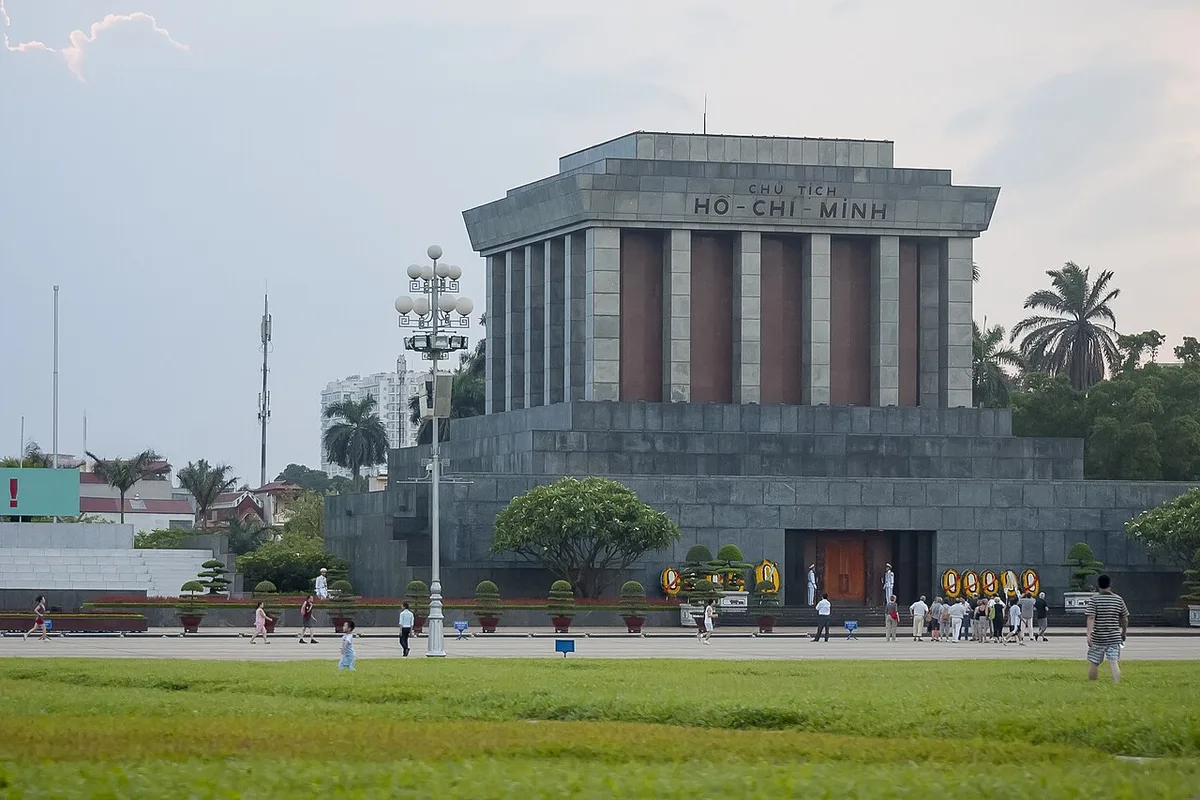
Ho Chi Minh Mausoleum is unique: open only Tuesday–Thursday and Saturday–Sunday, 8:00 AM–11:30 AM. No walk-ins allowed—book your free time slot one day ahead through your hotel.
Ho Chi Minh Mausoleum is unique: open only Tue–Thu and Sat–Sun, 8:00 AM–11:30 AM. No walk-ins allowed—book your free time slot one day ahead through your hotel. Vietnam Military History Museum accepts walk-ups (€3, open 8:30am–5pm, closed Mondays).
Night street-food tours should be booked 2–3 days prior; expect €12–€20 per person. Multi-day trips from Hanoi (Ha Long, Ninh Binh, Sapa) are best booked one week ahead for better rates. Same-day hotel bookings work in the Old Quarter but without guarantees or discounts.
Things to Know Before Going to Hanoi
Vietnam entry rules depend on your passport, trip purpose, and stay. Check Vietnam entry requirements, the official visa-exemption list, and any required e-visa before departure; there is no general tourist visa-on-arrival rule for every nationality.
Noi Bai International Airport lies outside central Hanoi, and transfer time varies with traffic, weather, and pickup method. Compare a licensed taxi, ride-hailing pickup, current airport-bus service, or hotel transfer using live information on your arrival day.
Hanoi is a large, busy capital rather than only a transit stop. Road congestion, summer heat, rain, and the distance between sights can reduce how much fits into a day, so build a flexible route by neighborhood.
Autumn and spring often bring more comfortable walking conditions, while summer is typically hot and humid and winter can feel cool and damp. Check a current forecast before travel rather than treating any month as guaranteed good or bad.
How to Count Arrival and Departure Days in Hanoi
Count full sightseeing days rather than hotel nights when deciding how long to spend in Hanoi. Noi Bai International Airport is outside the city center, and the trip to the Old Quarter can take considerably longer during commuter traffic or heavy rain. Immigration, baggage collection, hotel check-in, and the transfer may consume much of an arrival day, so a late-afternoon landing should not count as one of your two main Hanoi days.

The same applies before departure. Leave a generous buffer for the airport instead of planning a final museum visit, especially around the morning and evening rush periods. Travelers continuing by rail should confirm whether their train uses Hanoi Railway Station on Le Duan Street or another departure point, as routes do not all leave from the same terminal.
For two usable days, book three nights when arriving late or leaving early. Two nights can work if you reach central Hanoi in the morning and depart after dinner on the final day. This distinction matters because a “three-day stay” may provide only one complete day once transport is included.
Official Planning Checks Before You Go
Use the official Vietnam Tourism Ha Noi guide for destination context and the Vietnam Tourism trip-planning portal for a second official baseline. Recheck any opening hour, fare, timetable, closure, access rule, weather risk, or booking condition with the responsible operator shortly before travel; an official destination overview is not a live inventory or service guarantee.
Frequently Asked Questions
Is 4 days in Hanoi too much?
Four days works if you add day trips or slower walking, but staying only in Hanoi for four days often feels repetitive. We recommend two to three days in the city, then either moving to another destination or taking a full-day trip (Ha Long Bay, Ninh Binh). This rotation breaks sensory fatigue.
How many days in Hanoi and Ha Long Bay combined?
Three to four days total is realistic: two days Hanoi, one to two days Ha Long Bay (overnight cruises are popular and cost €25–€50). This minimizes backtracking and gives you taste of city and coast. Many travelers prefer this split over staying longer in either place.
What if I only have 24 hours in Hanoi?
Focus on Old Quarter morning walks, street-food meals throughout the day, and a café rest by afternoon. Skip museums and major temples. One day hits highlights but leaves you exhausted. Most travelers confirm it's doable but not ideal for genuine enjoyment.
Is Hanoi a good starting point for Vietnam?
Yes, Noi Bai Airport offers direct international flights and Hanoi is geographically central. However, many travelers move through Hanoi in 1–2 days and head to Ha Long Bay, Sapa, or Ninh Binh. It's a practical hub but often a transit point rather than destination itself.
Do I need to book hotels and tours in advance?
Hotels can usually be booked same-day in Old Quarter or French Quarter, but booking 3–7 days ahead gives better rates (€15–€25/night vs €20–€35 walk-up). Major day trips (Ha Long, Sapa) should be reserved one week ahead for group discounts and spot availability.
Two days is the honest, realistic minimum for Hanoi. You'll see the Old Quarter, taste street food, and understand why the city fascinates yet overwhelms. Three days lets you relax, take a day trip, and rest—not just rush.
Plan accordingly: book nearby accommodation, aim for October–April travel if possible, budget €25–€50 daily. Use our guides on Vietnam travel destinations to shape your exact plan. Hanoi rewards patience and curiosity, even if its infrastructure and noise demand resilience.
Take the route offline
Free: the Hanoi route notes
Where to base yourself and what it costs, a day-by-day route that avoids backtracking, real transfer times and fares, seasonal timing, and where it connects onward — condensed from our Hanoi guides and made to take offline.
Keep unfolding Vietnam
Continue along the route
Three nearby guides for the next decision in your trip.


