Hanoi Old Quarter Guide: What to Know Before You Go
Plan your Hanoi Old Quarter guide with must-see sights, food picks, neighborhood context, and transport tips for a smoother 2026 trip before you go.
On this page
Hanoi Old Quarter can feel like sensory overload during your first afternoon there. Motorbikes weave past sidewalk vendors, incense drifts from tiny shrines, and noodle stalls fill every alley. This Hanoi Old Quarter guide breaks that chaos into a plan you can actually follow. Last updated July 2026.
Expect practical notes on the neighborhood's borders, its food streets, and its nightlife. You will also find guidance on choosing a base, since where you sleep shapes your trip. Every section leans on specific streets and details instead of vague hype.
Key Takeaways
- Hanoi Old Quarter can feel like sensory overload during your first afternoon there.
- Motorbikes weave past sidewalk vendors, incense drifts from tiny shrines, and noodle stalls fill every alley.
- This Hanoi Old Quarter guide breaks that chaos into a plan you can actually follow.
- Expect practical notes on the neighborhood's borders, its food streets, and its nightlife.
Take the route offline
Free: the Hanoi route notes
Where to base yourself and what it costs, a day-by-day route that avoids backtracking, real transfer times and fares, seasonal timing, and where it connects onward — condensed from our Hanoi guides and made to take offline.
Where Is Hanoi Old Quarter Located?
Hanoi Old Quarter sits just north and west of Hoan Kiem Lake in the city center. Its name refers to a compact street grid rather than one single landmark or square. The commonly cited borders of Old Quarter run from Phung Hung Street in the west toward the Red River in the east. Hang Bong Street forms the rough southern edge, while Hang Dau Street marks the north.
The district's layout dates back centuries, when guild streets each specialized in one craft or trade. Streets starting with the word Hang, meaning merchandise, still hint at what once sold there. Hang Bac was once the silver street, Hang Gai sold silk, and Hang Ma sold paper goods. Many shops have shifted to modern goods, though a few keep close to their original trade.
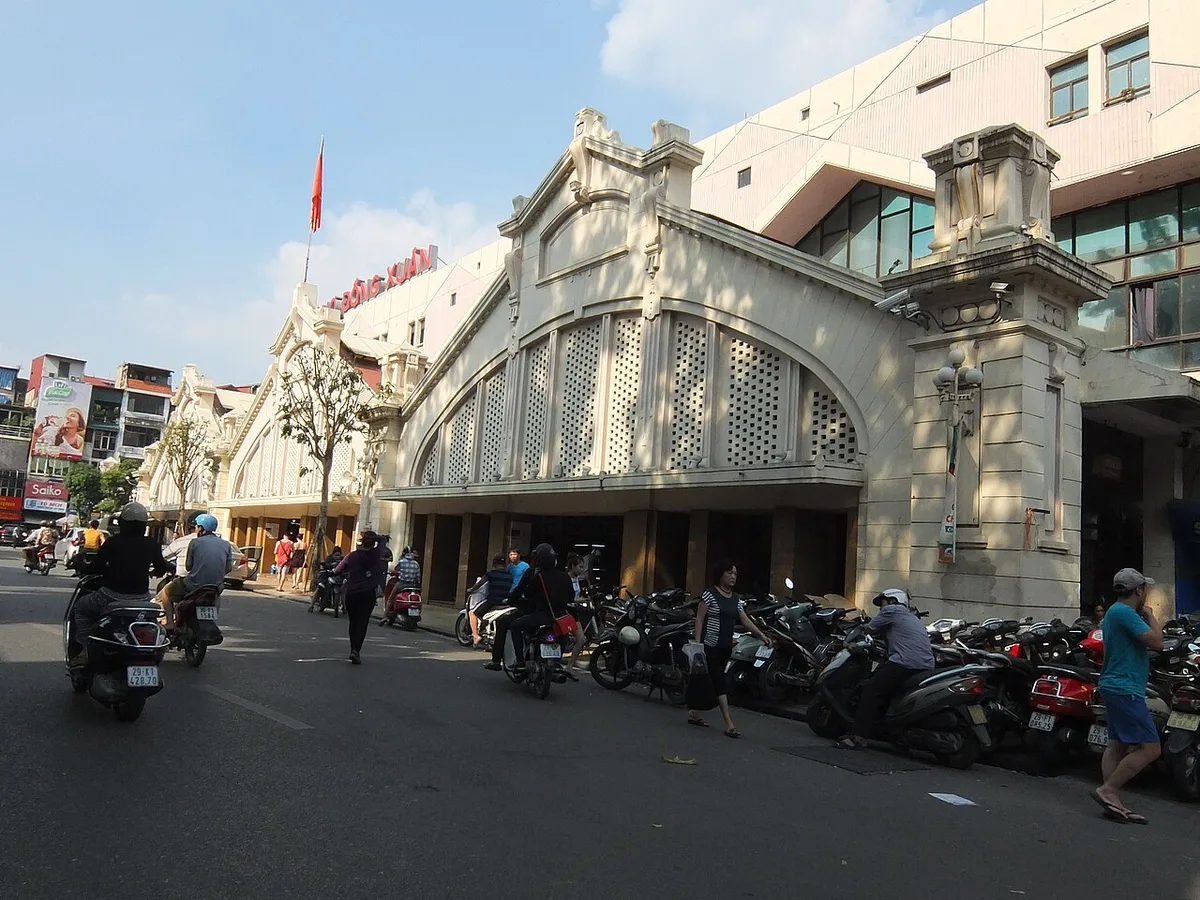
Landmarks make orientation easier than street names alone, since names often change every block. Hoan Kiem Lake anchors the southern edge, and Dong Xuan Market marks the northern boundary. Ngoc Son Temple sits on a small island in the lake, reached by a red wooden bridge.
The area can feel frantic within minutes of walking in from almost any entrance point. Give yourself a slow first hour instead of rushing toward a fixed list of sights. Sit at a corner cafe, watch the flow of scooters and carts, and let your bearings settle. Once the grid clicks, backtracking for a missed temple or shop becomes far easier.
Old Quarter's southern edge blends into the French Quarter, known for wider boulevards and old villas. Crossing that line near Trang Tien Street swaps food stalls for embassy compounds and museums. Many visitors walk both districts in one afternoon without noticing exactly where one ends.
A common mistake is trying to see the entire district in one rushed loop. Splitting Old Quarter across a morning and a separate evening visit captures more of its mood. Morning suits markets and temples, while evening favors food stalls and beer-corner energy.
Budget roughly half a day for a first pass and a full day if you love markets. Add a second loop after dark, since lantern light changes the district's whole mood. Most travelers pair Old Quarter with one or two nights in the same neighborhood.
Getting To and Around Hanoi Old Quarter
Noi Bai International Airport sits roughly 45 minutes from Old Quarter, traffic depending. Options include public buses, private transfers, and metered taxis lined up outside arrivals. A dedicated guide to getting from the airport to Old Quarter compares each option by cost and travel time. Booking a transfer in advance can save waiting time after a long flight.
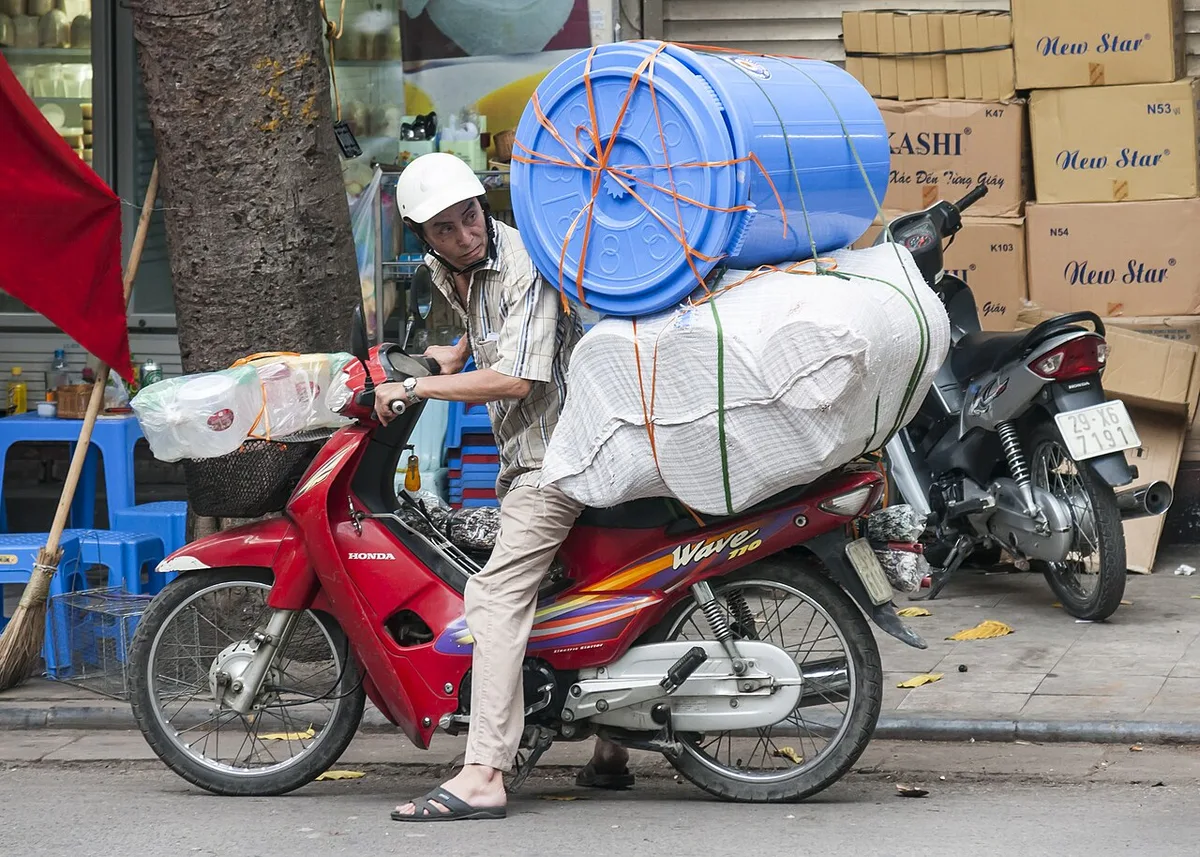
Cross streets slowly and in one steady line, since traffic tends to flow around pedestrians rather than stopping. Save your hotel's address in Vietnamese on your phone before heading out each day.
Once you arrive, walking usually works better than driving inside the district itself. Sidewalks often double as parking and cooking space, so pedestrians share the road with scooters. Cross streets slowly and in one steady line, since traffic tends to flow around you.
Grab, Vietnam's ride-hailing app, works well for longer hops or late-night trips. Metered taxis from reputable companies serve as a safe backup when the app runs slow. A broader guide to getting around Hanoi covers buses, trains, and day-trip transport beyond Old Quarter. Cyclos and rented bicycles suit short, scenic loops rather than cross-town errands.
Street numbering can be confusing, since renovated buildings sometimes skip or repeat numbers. Save your hotel's address in Vietnamese on your phone before heading out each day. Most Old Quarter hotels sit within a 10 to 15 minute walk of Hoan Kiem Lake.
Flooded sidewalks are common during Hanoi's heavier summer downpours between June and August. Waterproof shoes and a light rain poncho make walking tours far more comfortable then. Grab and taxi apps sometimes slow during the heaviest storms, so build in extra time.
Airport transfers, taxis, and Grab rides each fit a different budget and comfort level. A shared shuttle costs less than a private car but usually takes longer with stops. Choose based on how much you value speed over savings after a long flight.
Small bills help for short taxi rides and market stalls that lack card readers. ATMs are common along the main streets, though foreign transaction fees vary by bank. Carry your accommodation's address on paper as a backup if your phone battery runs low.
Must-See Attractions, Museums, and Culture
Old Quarter packs temples, markets, and a working water puppet stage into a few blocks. A museum or two also breaks up a day of walking without needing a taxi. The list below covers sights that appear on almost every serious Hanoi itinerary.
Hoa Lo Prison Museum sits on Old Quarter's southern edge, an easy walk from the lake. It documents the site's colonial-era and wartime history through preserved cells and exhibits. Most visitors budget about an hour here before continuing toward the lake or markets.
Old Quarter covers only a fraction of what Hanoi offers travelers with extra days. A wider guide to things to do in Hanoi maps attractions across the city, including the Ethnology Museum and West Lake. Pairing one Old Quarter day with one citywide day tends to work well for short trips.
The five stops below cover history, shopping, and performance in a walkable cluster. Each one pairs well with a nearby coffee break or a slow lakeside walk. Check current hours locally, since posted schedules can shift without much notice.
For a break from traffic noise, head to the path circling Hoan Kiem Lake. Locals use it for morning tai chi, badminton, and slow evening walks after dinner. A short taxi ride reaches Thong Nhat Park for travelers wanting more green space.
Bach Ma Temple on Hang Buom Street ranks among the oldest temples inside the old walls. Locals consider it a guardian shrine linked to the founding of Thang Long over a thousand years ago. Entry is free, and a short visit pairs well with a coffee stop nearby.
Travelers with only half a day should pick either a museum or the market, not both. Combining Hoan Kiem Lake with one temple and one museum fits into about three hours. Save the water puppet show for evening, since matinee tickets sell out less predictably.
- Hoan Kiem Lake and Ngoc Son Temple
- Type: Lake with island temple
- Cost: Free lake walk; small temple entry fee
- Best for: Morning walks and photos
- Tip: Cross the red Huc Bridge near sunrise
- Saint Joseph's Cathedral Near Old Quarter
- Hours: Roughly 5am to 8pm daily
- Cost: Free; donations are welcomed
- Best for: Architecture fans and quiet breaks
- Tip: Confirm hours locally before visiting
- Dong Xuan Market for Local Goods
- Type: Largest indoor market in Old Quarter
- Best for: Souvenirs, fabric, and wholesale goods
- Hours: Busiest trading before noon
- Tip: Bargain politely; prices are flexible
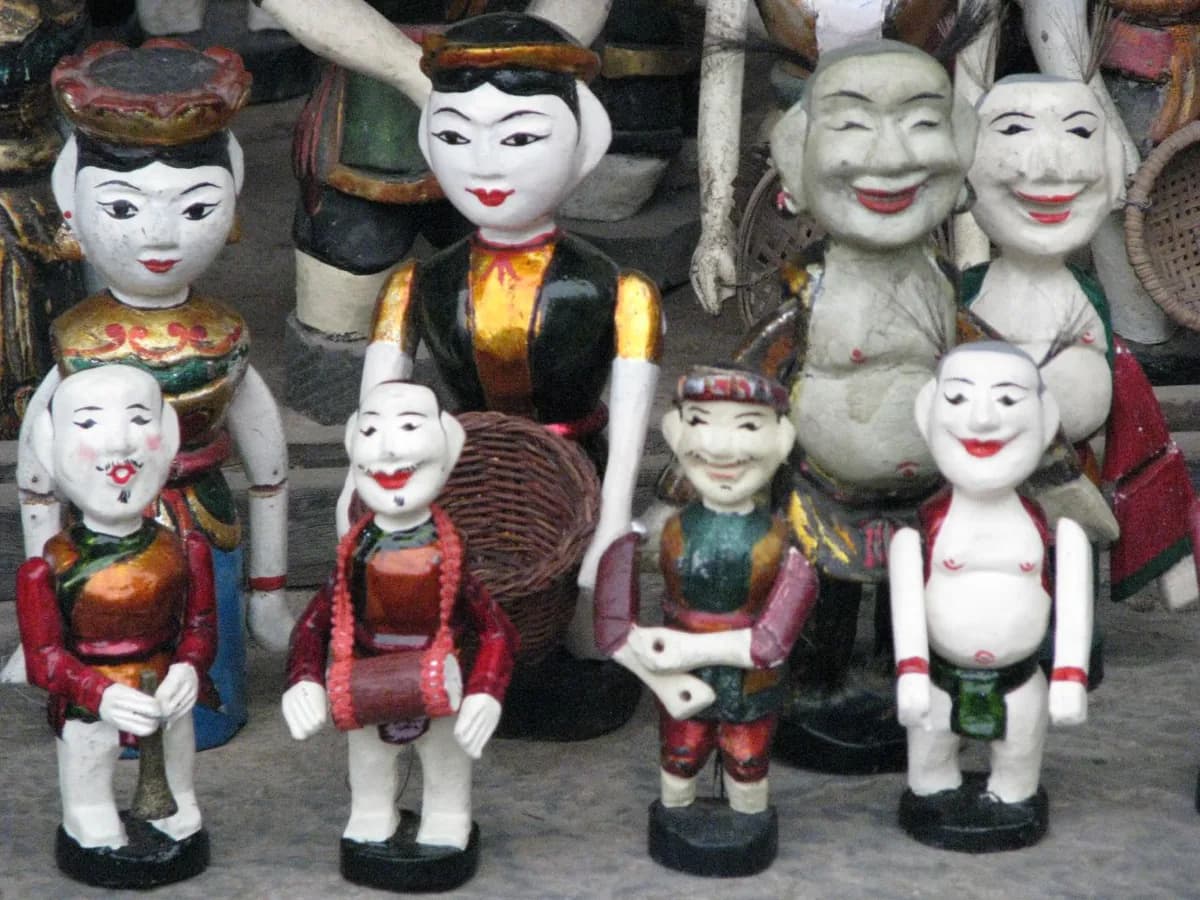
- Thang Long Water Puppet Theatre
- Type: Traditional puppet show staged on water
- Best for: Families and first-time visitors
- Cost: Ticket price varies by seat row
- Tip: Book a day ahead in high season
- Hanoi Train Street Cafe Strip
- Type: Cafe row beside an active rail line
- Best for: Photos of trains passing close by
- Note: Tourist access has faced safety-related limits
- Tip: Check current access before planning a stop
What to Eat in Hanoi Old Quarter
Old Quarter turns eating into its own kind of sightseeing, one alley stall at a time. Pho Gia Truyen on Bat Dan Street draws long breakfast lines for its beef noodle soup. Locals often eat standing or perched on low plastic stools, then move on quickly.
Bun Cha Huong Lien on Le Van Huu Street became widely known after a 2016 visit. Anthony Bourdain and then-President Obama shared grilled pork and noodles there on television. The dish, grilled pork patties over rice noodles with herbs, remains an Old Quarter staple. Expect a wait during lunch hours, especially near the table kept as a small memorial.
Bun rieu, a tomato-based crab noodle soup, offers a lighter option than bun cha. Banh xeo, a crispy turmeric pancake folded around pork and bean sprouts, suits sharing well. Fried eel and eel noodle soup, mien luon, are worth trying for adventurous eaters. These dishes rarely appear on English-only menus, so pointing at a photo often helps.
Ta Hien Street, nicknamed Beer Corner, fills with plastic stools serving bia hoi each evening. This fresh draft beer is brewed daily and sold cheaply by the small glass. It pairs well with grilled skewers, peanuts, and people-watching from a street-side seat.
For a sit-down meal, Don Duck Old Quarter Restaurant specializes in Vietnamese roast duck dishes. It suits travelers who want table service after a day of street-food stalls. Reserve ahead on weekend evenings, since duck specialists tend to fill up fast.
Egg coffee, a sweet blend of egg yolk, condensed milk, and strong robusta, began in Hanoi. Cafe Giang, run by the family credited with inventing it, still serves the drink today. Order it hot in cooler months and expect a dessert-like richness rather than a quick espresso hit.
Vegetarian travelers can find dedicated stalls, especially around the first and fifteenth lunar days. Many Buddhist-linked eateries near temple streets serve meat-free versions of pho and bun. Ask for chay, the Vietnamese word for vegetarian, when ordering at smaller stalls.
Guided food tours link four or five stalls into one organized evening walk. These suit travelers who want context and translation without hunting down each stall alone. Independent eating costs less overall, though it takes more trial and error to find favorites.
Family-Friendly, Budget, and Nightlife Picks
Families tend to do well with the water puppet show and a slow lakeside walk. Street food stalls let kids try small portions without committing to a full sit-down meal. Strollers struggle on crowded sidewalks, so a baby carrier works better for young children.
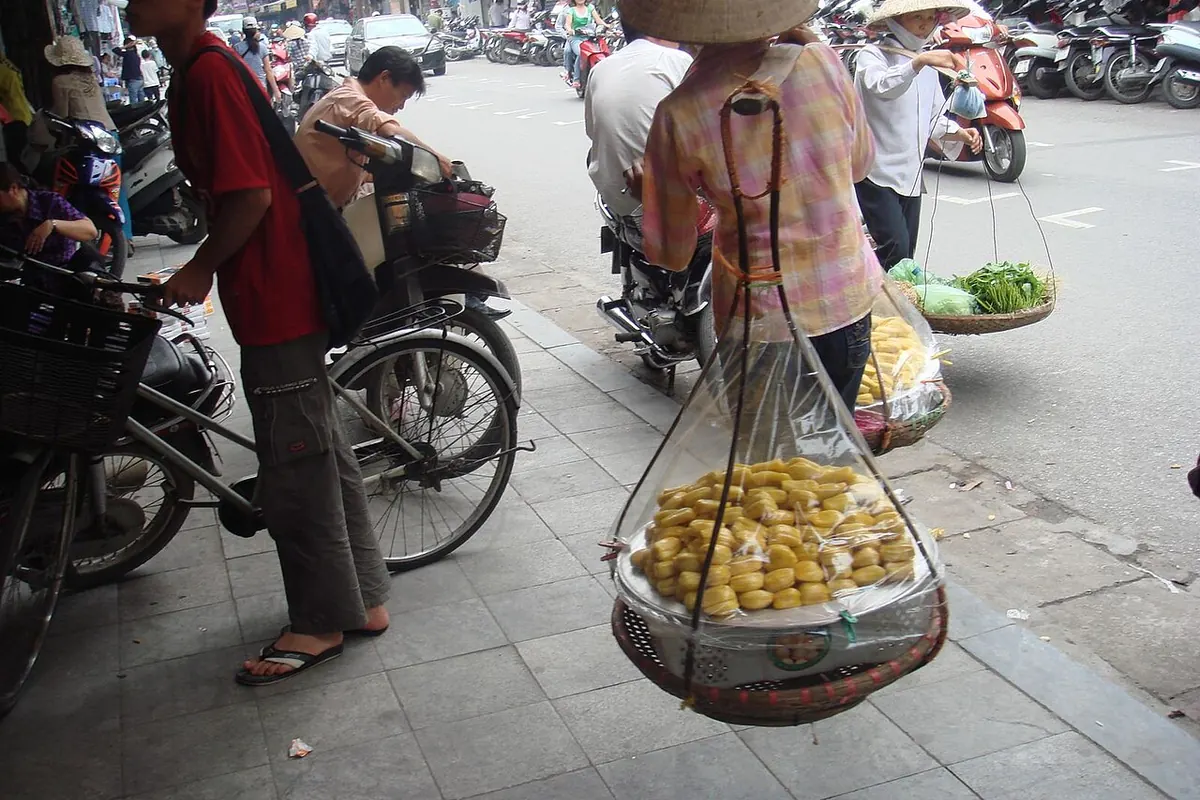
Budget travelers can eat well without spending much across a full day of meals. Hostels cluster near Hang Bac and Ma May streets, often with rooftop bars attached. Free activities include lakeside walks, temple courtyards, and simply wandering the guild streets.
A weekend night market fills the streets near Dong Kinh Nghia Thuc Square after dark. It typically runs Friday through Sunday evenings, roughly from 6pm to 11pm. Stalls sell clothing, snacks, and toys, though hours can shift around holidays. Check locally if your visit lands on a public holiday weekend.
Some travelers mark the trip with a small tattoo rather than another souvenir shirt. 3 of Spades Tattoo Studio in Old Quarter is one option for walk-ins or booked appointments. Weigh the decision carefully, since sterilization standards and artist experience vary between studios. Ask to see a portfolio and sterilization setup before agreeing to any design.
Hanoi Train Street's cafe strip has faced periodic closures since 2019 over safety concerns. Authorities sometimes restrict tourist access when crowding near the tracks becomes a risk. Treat any visit as conditional, and check current access before building it into your day.
Hanoi Social Club and similar cafes host low-key live music on most weekend evenings. These spots suit travelers who want conversation over club volume after a long day. Cover charges are rare, though many venues expect at least one drink order.
Rooftop bars along Ta Hien and Luong Ngoc Quyen streets offer lake or skyline views. Most charge a modest cover or a minimum drink order rather than a flat entry fee. Arrive by early evening for a table before the after-dinner crowd fills in.
Common scams include inflated taxi meters and drink prices left off a posted menu. Confirm prices before ordering, and use apps like Grab to avoid meter disputes entirely. Keep valuables zipped away in crowded markets, especially around Dong Xuan Market's busiest aisles.
Best Area to Stay in Hanoi Old Quarter
Staying inside Old Quarter puts most sights within a 10 to 20 minute walk. You save on transport costs and skip late-night taxi searches after dinner. The trade-off is more street noise, especially on weekend nights near Ta Hien Street.
Rates climb sharply around Tet, Vietnam's lunar new year, typically in January or February. Many family-run guesthouses close during the holiday; booking a larger hotel with year-round staffing avoids surprise closures.
| Accommodation Type | Best For | Price Range | Highlight | Trade-off |
|---|---|---|---|---|
| Luxury Base Near Hoan Kiem Lake | Comfort-focused travelers | Higher nightly rates | Soundproofing and calm lobby | Fewer street-food stalls nearby |
| Mid-Range on Hang Bac or Ma May | First-time visitors | Moderate nightly rates | Rooftop breakfast is common | More street noise at night |
| Budget Hostel Near the Lake | Solo travelers and backpackers | Lowest nightly rates in the area | Staff can book tours and buses | Shared rooms and thinner walls |
| Quiet Edge Near the French Quarter | Light sleepers and longer stays | Similar to mid-range Old Quarter rates | Wider streets and less traffic noise | Longer walk to market core |
Travelers who want quiet comfort often pick hotels facing Hoan Kiem Lake directly. Capella Hanoi is one well-known upscale option near the lake's northern edge. Expect higher nightly rates in exchange for soundproofing and a calmer lobby.
Mid-range hotels cluster along Hang Bac, Ma May, and Hang Be streets. Many offer rooftop breakfast, free bicycles, or a small pool for the price. Booking two or three months ahead helps during the cooler October to December stretch.
Hostels and guesthouses sit a short walk from the lake, often above street-level shops. Choose a room facing an inner courtyard if street noise tends to bother your sleep. Front-desk staff at most hostels can also arrange bus tickets and day tours.
Match your choice to your travel pace rather than your budget alone. A packed two-day plan suits a central base near the lake and market streets. A detailed two-day Hanoi itinerary shows how far you can realistically cover on foot. Slower trips can spread toward quieter streets near the French Quarter border.
Rates climb sharply around Tet, Vietnam's lunar new year, usually falling in January or February. Many family-run guesthouses close for several days during the holiday itself. Booking a larger hotel with year-round staffing avoids surprise closures during that stretch.
Free-cancellation bookings help if flight delays or weather shift your arrival date. Compare a hotel's actual street address against the map before confirming, since names repeat. Ask hosts about elevator access if stairs are a concern in older shophouse buildings.
- Luxury Base Near Hoan Kiem Lake
- Best for: Comfort-focused travelers
- Cost: Higher nightly rates
- Example: Capella Hanoi
- Trade-off: Fewer street-food stalls right outside
- Mid-Range Stay on Hang Bac or Ma May
- Best for: First-time visitors on a moderate budget
- Cost: Moderate nightly rates
- Perk: Rooftop breakfast is common
- Trade-off: More street noise at night
- Budget Hostel Near the Lake
- Best for: Solo travelers and backpackers
- Cost: Lowest nightly rates in the area
- Perk: Staff can book tours and buses
- Trade-off: Shared rooms and thinner walls
- Quiet Edge Near the French Quarter
- Best for: Light sleepers and longer stays
- Cost: Similar to mid-range Old Quarter rates
- Perk: Wider streets and less traffic noise
- Trade-off: A longer walk to the market core
A Self-Guided Walk Through the Old Quarter’s Hidden Corners
For a quieter look beyond the main shopping streets, start near Hoan Kiem Lake and walk north along Hang Bac. Stop at Kim Ngan Temple, a restored guild temple associated with the street’s historic silversmith community, before continuing to the traditional merchant house at 87 Ma May. Its narrow frontage, internal courtyards, and deep floor plan show how Old Quarter families combined business and domestic life inside a tube house.
From Ma May, follow Hang Buom toward Bach Ma Temple, then continue east to O Quan Chuong. This surviving city gate once formed part of the defenses around historic Thang Long and provides a useful landmark near the neighborhood’s eastern edge. Loop back through Nguyen Thien Thuat, where produce stalls and everyday neighborhood commerce offer a less polished contrast to souvenir-heavy streets, before finishing at Dong Xuan Market.
Allow two to three hours, including temple and coffee stops. Go in the morning for active markets and lighter pedestrian traffic. Dress modestly for religious sites, keep voices low inside residential alleys, and avoid photographing people at close range without permission.
Frequently Asked Questions
Is it safe to walk around Hanoi Old Quarter?
Hanoi Old Quarter is generally safe for walking, including after dark near main streets. Watch for scooters at crossings and keep bags zipped in crowded markets. Petty theft is the main risk, not violent crime. Cross slowly at a steady pace, since traffic tends to flow around pedestrians rather than stopping.
Where exactly is Hanoi Old Quarter located?
Hanoi Old Quarter sits just north and west of Hoan Kiem Lake in central Hanoi. Its rough borders run from Phung Hung Street in the west to the Red River in the east. Hang Bong Street marks the south, and Hang Dau Street marks the north. The grid covers 36 historic guild streets in total.
What is the best area to stay in Hanoi Old Quarter?
Streets near Hoan Kiem Lake, such as Hang Bac, Ma May, and Hang Be, suit most travelers. They keep you within walking distance of food stalls, markets, and the lake. Choose a quieter inner courtyard room if noise bothers your sleep. Hostels, mid-range hotels, and a few upscale options all sit within this same core area.
What food should you try in Hanoi Old Quarter?
Start with pho, Hanoi's classic beef noodle soup, at a stall like Pho Gia Truyen. Bun cha, grilled pork with rice noodles, is another essential, especially on Le Van Huu Street. Round out the list with bun rieu, banh xeo, and a glass of bia hoi on Ta Hien Street. Prices stay low by international standards, though they vary by stall and season.
Is Hanoi Old Quarter worth visiting for first-time travelers?
Yes, most first-time visitors to Vietnam start their trip in Hanoi Old Quarter. It concentrates history, food, and shopping into one walkable district near the lake. Browse more Hanoi and Vietnam travel guides for planning your onward route. One full day covers the highlights, though two days feels more relaxed.
What's a good souvenir to buy in Hanoi Old Quarter?
Silk scarves, lacquerware, and hand-embroidered textiles remain popular picks from Old Quarter shops. Hang Gai Street specializes in silk, while Hang Ma sells decorative paper goods and lanterns. Coffee beans and conical hats also travel well in checked luggage. Compare a few stalls before buying, since starting prices often leave room to negotiate.
Hanoi Old Quarter works best when you slow down and let one simple plan guide your day. Pick a base, map a loop past two or three sights, and leave room for food stops. The details above should answer most first questions about streets, meals, and lodging.
Many travelers use Old Quarter as the starting point for a longer northern Vietnam route. Overnight buses to Ha Giang and Sapa typically depart from stations near the district. A 4-Day Ha Giang Loop Itinerary: Vietnam's Best Ride shows how to connect this stop with the mountains beyond.
Bookmark this guide before you land, since a little orientation saves real walking time. Old Quarter rewards curiosity, and most surprises here turn out to be good ones.
Take the route offline
Free: the Hanoi route notes
Where to base yourself and what it costs, a day-by-day route that avoids backtracking, real transfer times and fares, seasonal timing, and where it connects onward — condensed from our Hanoi guides and made to take offline.
Keep unfolding Vietnam
Continue along the route
Three nearby guides for the next decision in your trip.