

Photo: thatwelike via Flickr (CC BY 2.0)
Hue Food Route Travel Guide
Plan your Hue food route with top picks, neighborhood context, timing tips, and practical booking advice for smoother dining adventures.
On this page
Hue stands out as Vietnam's true food capital, where centuries of royal tradition meet street food culture. Last updated July 2026. From steaming bowls of bun bo hue to clam-filled com hen, this city's cuisine tells stories of emperors and cooks alike.
The city's location along the Perfume River shaped a unique food scene over centuries. Royal courts once influenced Hue's cuisine, blending sophisticated flavors with everyday street food. Today you'll find both upscale restaurants and hole-in-the-wall stalls serving the same iconic dishes.
A strategic food route through Hue takes three to four days without feeling rushed. This guide covers must-try dishes, where to find them, and how to navigate neighborhoods efficiently. Whether you prefer organized tours or independent exploration, Hue offers options for every style and budget.
Key Takeaways
- Hue stands out as Vietnam's true food capital, where centuries of royal tradition meet street food culture.
- From steaming bowls of bun bo hue to clam-filled com hen, this city's cuisine tells stories of emperors and cooks alike.
- The city's location along the Perfume River shaped a unique food scene over centuries.
- Royal courts once influenced Hue's cuisine, blending sophisticated flavors with everyday street food.
Take the route offline
Free: the Hue route notes
Where to base yourself and what it costs, a day-by-day route that avoids backtracking, real transfer times and fares, seasonal timing, and where it connects onward — condensed from our Hue guides and made to take offline.
Must-Try Hue Signature Dishes
Hue's regional cuisine centers on five to seven iconic dishes that define the city. Each one reflects local ingredients, royal court traditions, or neighborhood specialties sustained for generations. Learning these dishes before you arrive helps you navigate menus with confidence and ask locals.
Bun bo hue is the dish most visitors come to try, and for good reason. This rich noodle soup features beef shank, pork, and shrimp in a lemongrass-infused broth. The vermicelli noodles absorb the broth's umami depth, while crispy fried shallots add textural contrast.
Most bowls of bun bo cost $2-3 USD and satisfy even the heartiest appetites easily. The broth deepens with simmering time, making mid-morning service fresher than late lunch options. Ask for extra broth (nước dùng thêm) if you want to fully soak every noodle.
Com hen represents Hue's connection to the river and coastal areas perfectly. This dish combines rice with small clams, usually served at breakfast or lunch hours. The clams add a subtle sweetness and briny character that locals crave throughout their lives.
A typical com hen portion costs $1.50-2.50 and pairs perfectly with pickled vegetables on the side. Fresh herbs arrive separate, letting you control how much cilantro and mint flavor you want added. The rice scoops up clam juice pooled at the bowl's bottom for every last bite.
Nem lui offers a lighter but equally satisfying option than the heavier bun bo and com hen. Pork or beef wraps around lemongrass sticks, then grills over charcoal until the exterior chars perfectly. The inside stays tender while the exterior chars, creating layers of caramelized and smoky flavor notes.
A plate of nem lui typically costs $2-4 and serves four to six rolls per portion. These work perfectly for lunch and pair well with fresh herbs, lettuce, and fish sauce. Rolling nem lui in rice paper with herbs adds another layer to the eating experience.
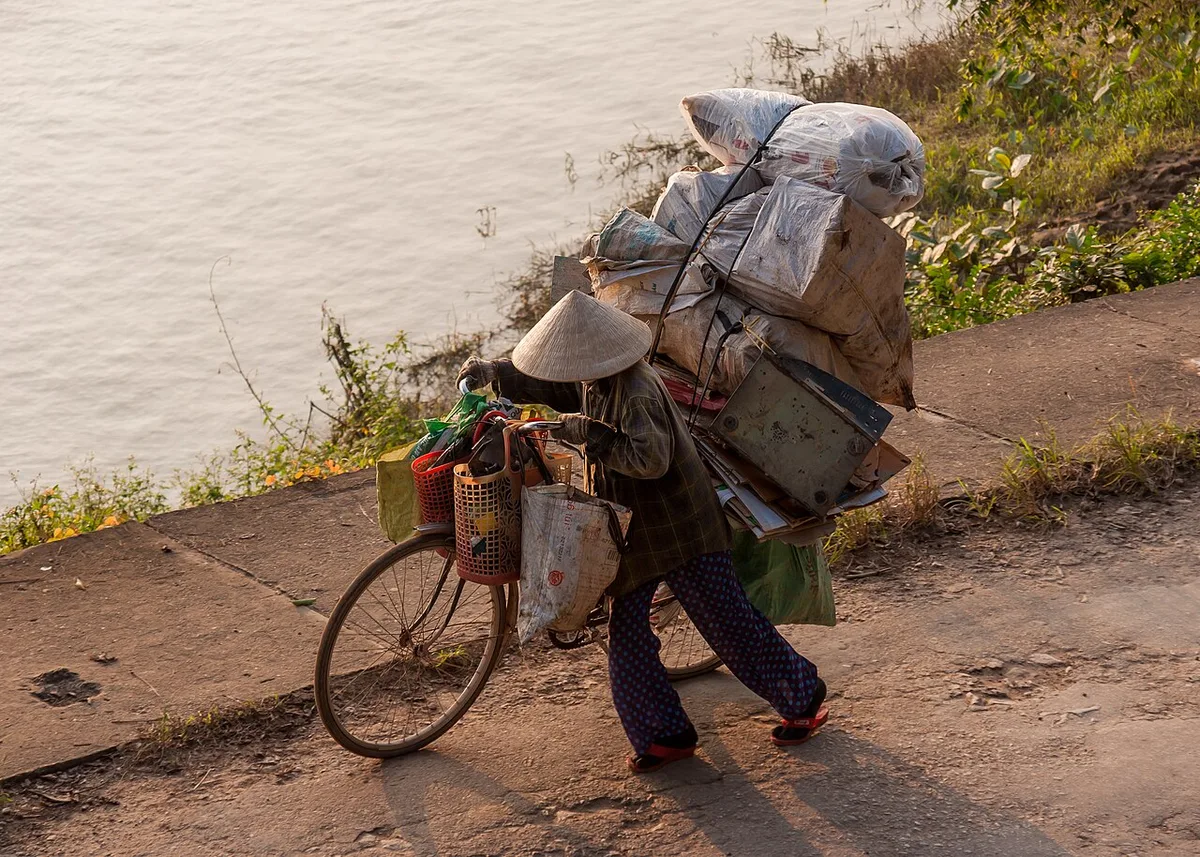
Where to Find Hue's Best Food
Hue's food scene splits between restaurant dining, street food markets, and neighborhood stalls strategically. Each option offers different prices, atmosphere, and timing windows that dramatically affect your planning efficiency. Knowing these differences helps you plan efficient routes and eat at times when food is freshest.
Most bun bo stalls close by 11 AM once broth depletes. An early visit may mean shorter waits and fuller selection, but availability and food quality vary by day.
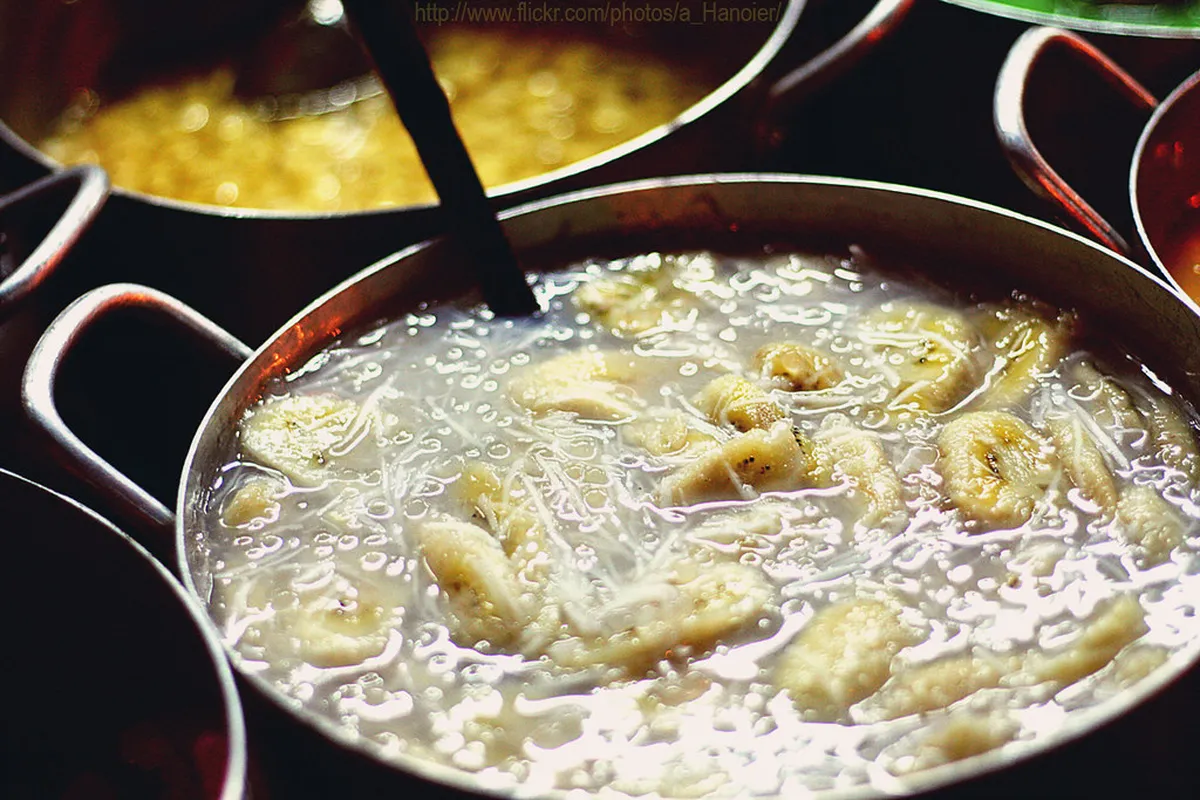
Bun bo specialists cluster in specific neighborhoods, each with loyal followings and signature recipe variations. These stalls open early and close once their broth supply depletes, usually mid-morning or early lunch. Arriving early means fresher broth and faster seating at these beloved neighborhood institutions.
Bun Bo Hue My Tam, accessible via external reference, opens only at 5 PM sharp. This tiny shop runs until the broth sells out, usually by 9 PM on busy nights. Many people call ahead through a local guide to reserve portions at this legendary spot.
Quan Cam operates 6 AM to 7 PM daily, making it perfect for any meal. The broth here tastes slightly more pork-forward than My Tam's version, appealing to many palates. Operating hours remain consistent year-round, making this spot reliable when planning your independent food route.
Bun Bo Mu Roi changes its hours by day of week, requiring strategic timing awareness. Weekdays see 6:30-11 AM service only, but weekends extend to 6:30 AM-9:30 PM daily. This dual schedule means it functions as a breakfast-only spot Monday through Friday entirely.
Com hen specialists deserve their own neighborhoods and dedicated visits throughout your three-day food route. Com Hen Ba Den operates only 6-11:30 AM, making timing absolutely critical for first-time visitors. Early arrival at 6:15 AM means you'll beat crowds and enjoy fresher clams in your bowl.
Com Hen 17 on Kiệt 17 Hàn Mặc Tử runs 8 AM-9 PM, offering extended service. This longer schedule makes it an excellent backup choice if other com hen shops run out. Quality remains consistent throughout the day thanks to fresh daily sourcing from local river suppliers.
Com Hen Hoa Dong at 64 kiệt 7 Ưng Bình stays open 7 AM-10 PM daily. This essentially all-day service makes it perfect for lunch visitors or last-minute spontaneous food route plans. The clams here are sourced fresh daily from local suppliers, ensuring peak flavor and quality.
- Bun Bo Hue My Tam (Evening Only)
- Location: 5 Trần Cao Vân, Vĩnh Ninh
- Hours: 5PM-9PM or when broth sells out
- Must-order: Bun bo with extra broth
- Budget: $2.50-3 per bowl with meat
- Quan Cam – Bun Bo Hue
- Location: 45 Lê Lợi, Phú Hội district
- Hours: 6AM-7PM daily year-round
- Must-order: Bun bo, pork-forward broth
- Budget: $2-3 per bowl
- Bun Bo Mu Roi (Bui Tre Vang)
- Location: 1-48 Nguyễn Chí Diểu, Phú Hậu
- Hours: 6:30-11AM (Mon-Fri) / 6:30AM-9:30PM (Sat-Sun)
- Must-order: Bun bo, lighter broth
- Budget: $2-3 per bowl
- Com Hen Ba Den (Morning Only)
- Location: 31 Trần Quang Khải, Phú Hội
- Hours: 6-11:30AM daily breakfast only
- Must-order: Com hen with pickled vegetables
- Budget: $2 per portion with herbs
- Com Hen 17 (Extended Hours)
- Location: Kiệt 17 Hàn Mặc Tử, Vỹ Dạ
- Hours: 8AM-9PM daily extended service
- Must-order: Com hen, bun hen, che bap
- Budget: $1.50-2.50 per portion
Hue Food Tours & Guided Experiences
Organized food tours offer curated routes, local insights, and transportation solutions independent travelers might miss. Guides reveal neighborhood-specific secrets and timing strategies that would take days to discover alone. Hue has excellent tour options priced between $25-65 USD per person depending on type.
Evening food walking tours operate most nights for three to four hours of dining exploration. A local guide leads you to five to seven food stalls, ordering sample sizes strategically. You'll taste bun bo, com hen, nem lui, and banh khoai while learning neighborhood history and culture.
| Tour Type | Duration | Experience | Price |
|---|---|---|---|
| Evening Walking Tour | 3-4 hours | 5-7 food stalls with drinks and dessert | $35-45 |
| Daytime Walking Tour | Morning, 7 AM start | Markets and breakfast stalls | $25-65 range |
| Motorbike Tour | Half-day, 3-4 hours | Distant neighborhoods and specialty stalls | $25-65 range |
| Cyclo Tour | Slower pace | 5-6 stalls in historic neighborhoods | $25-65 range |
| Cooking Class | 4-5 hours | Market visit and 2-3 dishes hands-on | $29-65 |
Most walking tours include drinks and dessert stops, making the $35-45 price reasonable value overall. These tours usually include a local restaurant or market stop for additional context and perspective. Daytime walking tours focus on morning markets and breakfast specialties starting at 7 AM sharp.
Starting early at 7 AM shows where locals source ingredients and eat their first meal of day. You'll see fish vendors, herb sellers, and bakeries in action before crowds and heat arrive. Breakfast tastings at actual neighborhood stalls give you authentic timing and social atmosphere insights.
Motorbike tours with lady riders offer faster, more adventurous routes through distant food hubs and neighborhoods. These half-day tours cover neighborhoods further from the city center in just three to four hours. You'll ride past Perfume River views while stopping at specialty stalls for grilled meat and clams.
Cyclo food tours blend tourism atmosphere with local dining at a slower, more reflective pace. A guide pedals you through historic neighborhoods while stopping at five to six carefully chosen food stalls. This pace allows time for photos, detailed explanations, and soaking in neighborhood atmosphere between meals.
Cooking classes lasting four to five hours teach you to make two to three signature dishes hands-on. Market visits form the first part, where you select ingredients directly with your instructor guide. Then you cook in a home kitchen or professional studio, with instructors demonstrating first, then supervising.
Hue Specialty Food Tours from cooking schools start at $29 per person for group experiences. These often include one to two cooking demonstrations plus guided market visits with ingredient selection. Some combine lunch at a restaurant with hands-on preparation of one or two popular dishes.
Neighborhoods & Food Hubs by Time of Day
Hue's geography and meal timing dictate which neighborhoods to visit and when you should eat. Understanding which areas excel at which meals helps you plan efficient routes and avoid wasted time. A practical food route follows local eating patterns rather than tourist schedules or convenience.
Early morning (6-7 AM) brings bustling neighborhoods with bun bo specialists and com hen stalls everywhere. Quan Cam and Bun Bo Mu Roi serve their best broths between 6:30-7 AM peak times. Most bun bo stalls close completely by 11 AM once their broth supply gets exhausted entirely.
Midday (11 AM-2 PM) transitions to restaurant-style service with sit-down venues and lunch-hour crowds everywhere. The Old Town district near Truong Tien Bridge has the most concentrated restaurant options and atmosphere. Many travelers rest strategically during midday heat and return to hotels to escape peak temperatures.
Heat in summer months (2026 included) often reaches 90+ F, making midday exploration exhausting and unpleasant. This natural break allows time for planning tomorrow's route, getting oriented, or visiting Hue's historical attractions. Street food becomes sparse during peak afternoon hours since most vendors close or slow service dramatically.
Evening (5-8 PM) brings dinner crowds and Bun Bo Hue My Tam fills completely at 5 PM sharp. Nem lui and banh khoai stalls activate, grilling to order right before your meal arrives hot. This is often the most vibrant and socially energetic food time across the entire city.
Late night (8 PM+) sees che bap dessert cafes staying open for social gathering and conversation. Some night snack stalls cater to bar-hoppers and locals, selling lighter bites and sweet treats. Most tourist-oriented food closes by 9-10 PM, though some markets and neighborhood stalls continue operating.
Planning Your Hue Food Route: Timing and Budget
Creating an efficient food route requires balancing timing windows, walking distances, and your eating pace carefully. Most visitors need three to four days to explore Hue's food scene without feeling rushed constantly. Rushing through in just one day means missing crucial breakfast and lunch timing windows entirely.
Combine one organized food tour with two independent days to balance structure and autonomy. Tours handle language barriers and reveal neighborhood secrets, while independent exploration enables discovery and builds culinary confidence effectively.
Day One should focus on arrival and orientation rather than aggressive independent eating adventures. Take an afternoon cyclo or food walking tour to understand neighborhoods and get oriented logically. This breaks jet lag, provides context, and conserves energy for three days of intensive eating ahead.
Choose dinner at a sit-down restaurant rather than a busy stall on Day One. You'll be tired from travel, jet-lagged, and better served by a more comfortable dining environment. This also leaves you fresh for early morning bun bo the following day at 6:30 AM.
Day Two starts with early morning bun bo at Quan Cam or Bun Bo Mu Roi. Arrive by 6:30 AM to beat crowds, get peak-fresh broth, and secure seating at tiny stalls. Late breakfast can include com hen at Com Hen Ba Den by 10 AM for second meal.
Lunch or afternoon rest follows, then evening features banh khoai at a neighborhood stall or restaurant. This day covers three iconic dishes while respecting local eating times and your body's natural rhythms. Expect to eat slowly, rest between meals, and experience peak flavors of each dish type.
Day Three offers organized tour options if you prefer guided structure or independent revisits of favorites. This allows time for dishes you missed or want to repeat with more appreciation and understanding. Alternate between breakfast and midday eating to experience different neighborhood rhythms and local crowds.
Budget $12-20 per day for street food alone across your entire Hue food route adventure. Food tours cost $30-50 one-time for afternoon or evening experiences with transportation included. Cooking classes run $35-65 with lunch preparation and tasting included in the final price.
Restaurant meals range $8-15 per meal depending on location, time of day, and establishment type. Total trip cost estimate runs approximately $100-200 for all food including tours across three to four days. This makes Hue an exceptional value destination for food-focused travelers visiting central Vietnam overall.
Bring cash in small bills since Vietnamese Dong is strongly preferred over USD at stalls. Wear comfortable walking shoes because you'll cover two to three miles daily visiting neighborhoods strategically. Learn basic phrases: "Một tô bun bo" (one bowl), "Bao nhiêu tiền?" (how much?), "Tạm biệt" (goodbye).
Take deliberate breaks between meals since portions are quite filling and the pace can overwhelm appetites. Use Google Maps offline for neighborhood navigation when cell service falters in older districts. Photography at stalls is usually welcome with polite permission asked first from shop owners.
Consider booking one organized tour if you're uncomfortable with independent navigation or language barriers. Tours remove logistics stress and introduce you to local food culture through an expert's perspective. Mixing one tour with two independent days balances structure, autonomy, and authentic local experience effectively.
Vegetarian Food in Hue: Buddhist Dishes and Where to Find Them
Hue’s vegetarian cooking deserves a separate stop because it developed alongside the city’s strong Buddhist traditions. Look for signs reading “cơm chay” near Từ Đàm Pagoda, Báo Quốc Pagoda, and central streets such as Lê Quý Đôn. Dedicated vegetarian kitchens commonly serve cơm chay rice plates, mushroom or tofu noodle soups, green-jackfruit salad, braised eggplant, and bánh bèo chay topped with mung bean instead of shrimp.
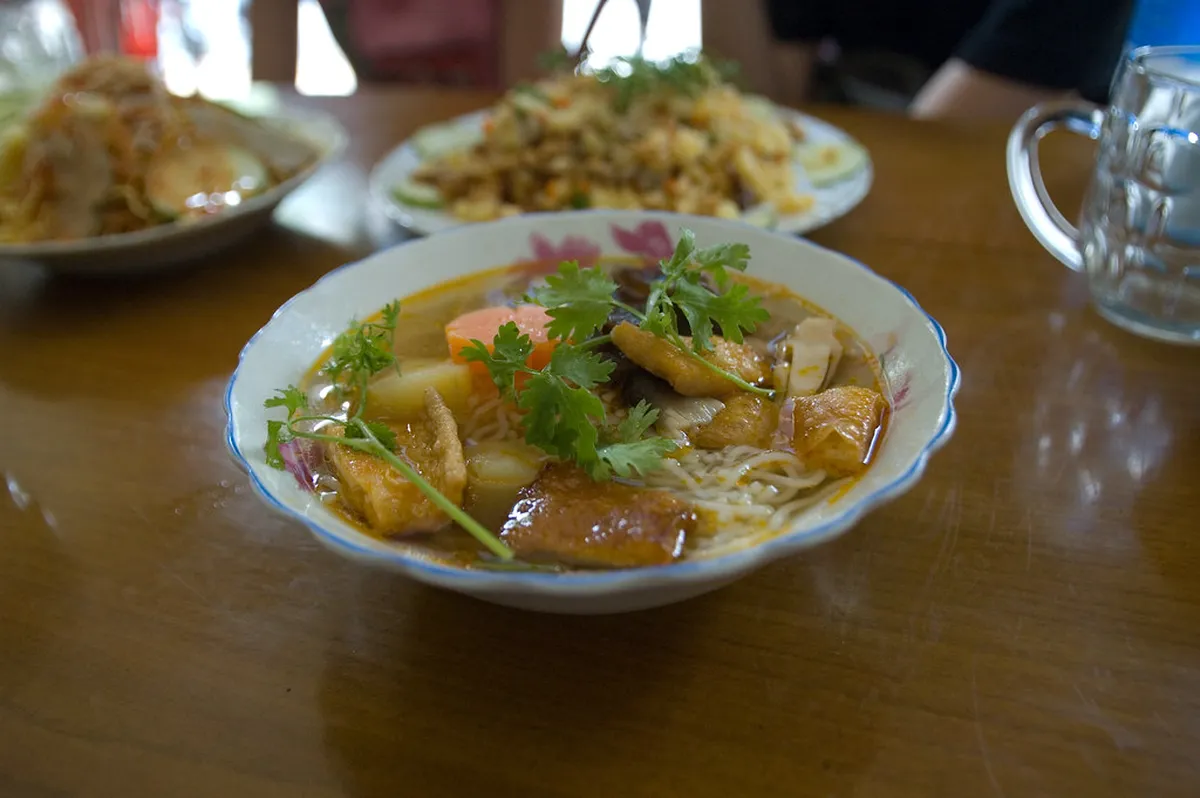
The busiest vegetarian days are often the first and fifteenth days of the lunar month, when many local residents avoid meat. Restaurants may offer broader selections on those dates, but popular dishes can sell out and tables fill quickly. At mixed-menu restaurants, confirm that the broth is vegetarian by asking “Nước dùng có chay không?” because a vegetable-topped noodle bowl may still use pork or seafood stock.
Add a vegetarian lunch between morning street-food stops and the evening grill circuit. Liên Hoa on Lê Quý Đôn is a practical central option, while stalls around Đông Ba Market may offer simple tofu, vegetables, and rice; check ingredients carefully because fish sauce is common in otherwise meat-free dishes.
Official Planning Checks Before You Go
Use the official Vietnam Tourism food hub for destination context and the official Vietnam Tourism Hue guide for a second official baseline. Recheck any opening hour, fare, timetable, closure, access rule, weather risk, or booking condition with the responsible operator shortly before travel; an official destination overview is not a live inventory or service guarantee.
For the wider route context, continue with Hue Travel Planning Hub: Complete Guide, and Hue 2-Day Itinerary: A First-Timer's Plan before fixing this stop in your itinerary.
Frequently Asked Questions
What is Hue famous for in terms of food?
Hue is famous for bun bo hue (rich beef noodle soup), com hen (clam rice), nem lui (grilled meat rolls), and banh hue (signature bread). The city's status as Vietnam's former imperial capital shaped its sophisticated cuisine, blending royal traditions with everyday street food flavors. These dishes reflect Hue's location along the Perfume River and unique local ingredients found nowhere else. Most visitors cite bun bo hue as the must-try dish when planning their central Vietnam trip.
How many days should I spend exploring Hue's food route?
Three to four days allows you to explore signature dishes without feeling rushed or overstuffed from constant eating. Day one orients you through organized tours or casual neighborhood exploration. Days two and three let you eat at optimal times—breakfast bun bo, lunch com hen, dinner nem lui and banh khoai. An optional day four revisits favorite spots or tries specialty dishes you discovered but didn't have room to fully enjoy. See our central Vietnam itinerary guide for how Hue fits into your larger regional trip.
What's the cheapest way to eat in Hue?
Street food stalls offer the cheapest option at $1.50-3.50 per dish consistently. Com hen costs $1.50-2.50, bun bo runs $2-3, and nem lui plates cost $2-4 depending on meat quality. Local breakfast and lunch periods can offer fuller selection, but opening hours, value, and freshness vary by vendor and day. Avoiding sit-down restaurants and cooking classes saves $30-65 total across your trip. Independent street food eating costs just $10-15 per day when navigating Vietnamese without guides.
Do I need a guide to explore Hue's food scene?
Independent exploration is possible and rewarding if you're comfortable with navigation and language barriers. Using Google Maps offline, a translation app, and walking directly to stalls works well for many travelers. However, tours add valuable local context, handle language barriers, and introduce neighborhood secrets you might miss entirely. Tours cost $30-50 but save time and potential frustration discovering optimal eating times. Consider a mix: one guided tour plus two independent days for best value and local autonomy combined.
What's the best time of year to visit Hue for food?
October to April offers the most comfortable weather (60-80 F) and best food availability for street eating. May to September brings heat (85-95 F) and occasional rain, making street food exploration tiring and uncomfortable daily. Food stalls operate year-round, but summer heat means midday closures that disrupt your planned eating schedule. Spring and fall balance weather comfort with robust food activity and neighborhood energy. Avoid peak Tet holiday (late January-early February) when many stalls close and food prices spike temporarily.
Hue's food route rewards curiosity and flexibility with one of Vietnam's richest culinary experiences overall. Three to four days lets you taste iconic dishes, revisit favorites, and understand how history shapes every meal. Whether you choose organized tours or independent exploration, Hue's manageable size offers excellent options for every travel style.
Start with early morning bun bo, explore lunch options methodically, and save evening banh khoai for memorable finishes. Leave time for rest and reflection throughout—eating through Hue shouldn't feel rushed or overwhelming daily. Bring cash, wear comfortable shoes, learn basic food phrases, and ask locals for neighborhood recommendations readily.
Your Hue food route becomes more than just a checklist of dishes eaten and photographed. It's a way to connect with a city shaped by river history, imperial tradition, and extraordinary flavor. Book your tours, mark your calendar, and prepare your appetite for an unforgettable food adventure awaiting you.
Take the route offline
Free: the Hue route notes
Where to base yourself and what it costs, a day-by-day route that avoids backtracking, real transfer times and fares, seasonal timing, and where it connects onward — condensed from our Hue guides and made to take offline.
Keep unfolding Vietnam
Continue along the route
Three nearby guides for the next decision in your trip.


