

Photo: avlxyz via Flickr (CC BY-SA 2.0)
Da Nang Food Route: Complete DIY Guide
Plan a Da Nang food route with street-food stops, costs, opening hours, crowd-avoidance tips, and practical advice. Updated July 2026.
On this page
Da Nang's food scene delights first-time visitors seeking authentic street food. This guide covers a complete DIY food route from breakfast through dessert. Last updated July 2026, with current pricing and vendor details verified.
Unlike Ho Chi Minh City's sweet dishes or Hanoi's delicate broths, Central Vietnamese cuisine is bold and herbaceous. We recommend planning at least half a day for this route. Three and a half hours walks you through authentic neighborhoods; adding evening makes a full-day adventure. Most first-timers miss timing quirks—vendors close at specific hours, crowds shift dramatically between morning and night.
Whether you choose morning walk, evening scooter crawl, or both, this route prioritizes where locals actually eat. You'll discover Mì Quảng at dawn, market exploration by mid-morning, and sizzling street stalls after dark. All major stops include typical costs (under $15 USD for DIY) and opening hour patterns.
Key Takeaways
- Da Nang's food scene delights first-time visitors seeking authentic street food.
- This guide covers a complete DIY food route from breakfast through dessert.
- Unlike Ho Chi Minh City's sweet dishes or Hanoi's delicate broths, Central Vietnamese cuisine is bold and herbaceous.
- We recommend planning at least half a day for this route.
Take the route offline
Free: the Da Nang route notes
Where to base yourself and what it costs, a day-by-day route that avoids backtracking, real transfer times and fares, seasonal timing, and where it connects onward — condensed from our Da Nang guides and made to take offline.
At a Glance: Da Nang Food Route Stages
- Stage 1: Street food dawn patrol, fresh herbs (8:00–11:30)
- Morning: Mì Quảng Bà Diệu, Con Market walk, salted coffee
- Afternoon: Café rest, rejoin afternoon route, or lunch
- Evening: Skip; join evening stage at 6pm
- Stage 2: Café culture & lunch pause (12:00–3:00 PM)
- Morning: Continue from morning route or start fresh
- Afternoon: Salted coffee, local lunch noodles, siesta
- Evening: Rest before evening; skip to rejoin at 6pm
- Stage 3: Seafood sizzle, river lights (6:00–9:30 PM)
- Morning: N/A
- Afternoon: N/A
- Evening: Bánh Xèo, grilled pork, seafood, durian dessert
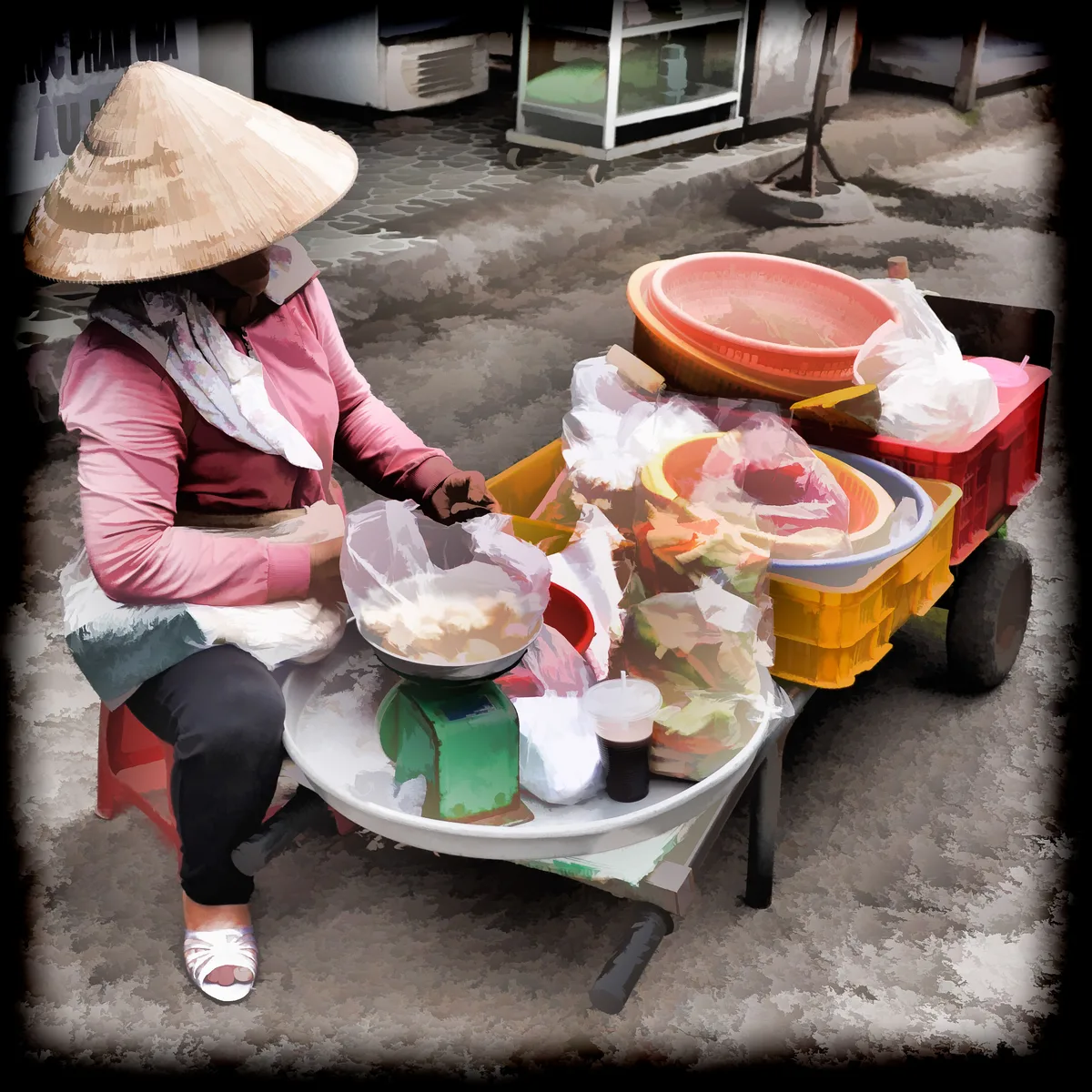
Complete DIY Food Route: Morning, Afternoon & Evening
This three-stage route covers Da Nang's entire food experience in one day. You can do all three stages, pick morning and evening, or focus on one time window. Each stage minimizes backtracking and maximizes flavor discovery.
- Morning Stage: Street food classics, market walk (8:00–11:30)
- Morning: Start Mì Quảng Bà Diệu (200/1 Hoang Dieu) by 8am; avoid 9:30am+ crowds when visitor queues form.
- Afternoon: Walk ~15 min to Chợ Cồn (Con Market); open daily 6am–10am with freshest produce.
- Evening: N/A
- Time: 3.5 hours total walking at easy pace
- Logistics: Bring cash ($2–4 per stop); most vendors closed by 11:30am.
- Optional: Skip market if rainy; add café visit instead (Cà Phê Muối, $1–2).
- Afternoon Stage: Café culture & lunch recharge (12:00–3:00 PM)
- Morning: Carry over from morning stage; find shaded street café
- Afternoon: Try salted coffee or coconut coffee ($1.50); grab lunch at Bún Chả Cá stall ($3–5).
- Evening: Rest and recharge for evening stage ahead
- Time: 3 hours including midday pause
- Logistics: Most vendors close 1–4pm; seek air-conditioned spot or shaded alley.
- Optional: Extend siesta in hotel; skip afternoon entirely if doing evening only.
- Evening Stage: Seafood sizzle, river views (6:00–9:30 PM)
- Morning: N/A
- Afternoon: N/A
- Evening: Bánh Xèo Bà Dưỡng (K280/23 Hoang Dieu, $3–4); Châu Thị Vĩnh Tế Street seafood ($5–8); Chè Liên dessert ($1.50).
- Time: 3.5 hours by scooter or Grab bike transit
- Logistics: Rent scooter ($5–7) or use Grab bike ($2–3 per stop); Dragon Bridge lights 9pm–10pm.
- Optional: Walk riverside instead of scooter; skip dessert and add river-view drinks instead.
Why Da Nang's Cuisine Is Completely Different
Central Vietnamese food occupies a distinct middle ground between North and South. Unlike Hanoi's delicate, subtle broths or Ho Chi Minh City's coconut-cream sweetness, Da Nang's food is bold, fermented, and deeply savory. This identity reflects geography: coastal seafood, Hue's imperial culinary heritage, and Quang Nam's agricultural plains.
Three core pillars define every dish you'll encounter here. First, pungent fermented sauces (mắm nêm anchovy paste, mắm ruốc shrimp paste) build irreplaceable umami foundations. Second, herbaceous complexity comes from fresh herbs—baby mustard greens, banana blossoms, wild mint, Vietnamese coriander—that aren't garnishes but structural meal components. Third, textural contrast appears in every bite: crispy sesame rice crackers crumbled into soft noodles, crunchy peanuts topping gelatinous rice cakes, sizzling crepes wrapped in pliable rice paper.
The seafood is pulled straight from the East Sea and cooked hours later, not days prior. Combined with recipes perfected over decades at single-item stalls, the local food scene becomes an endless treasure hunt. Most first-timers discover Da Nang's food isn't about individual standout dishes; it's about ritual: eating together, sharing fresh herbs, balancing textures.
Six Essential Da Nang Dishes & Where to Find Them
To truly experience Da Nang, try these six iconic dishes. While tourist restaurants serve them, magic happens at humble single-item stalls where families have spent decades perfecting one recipe.
Mì Quảng is Da Nang's undisputed culinary mascot. Wide, flat rice noodles (tinted yellow with turmeric) nestle in bowls with just a splash of intensely concentrated, aromatic pork-and-shrimp broth. Unlike Phở, which drowns in broth, Mì Quảng coats noodles like sauce. Try Mì Quảng Bà Diệu (200/1 Hoang Dieu, $2.50–3, open 7am–11am daily); MICHELIN-selected with traditional pork broth.
Bánh Xèo and Nem Lụi create the ultimate interactive dining experience. Bánh Xèo are crispy, sizzling crepes (rice flour, turmeric, coconut milk) stuffed with pork, shrimp, bean sprouts. Nem Lụi are savory pork skewers wrapped around lemongrass stalks, grilled over hot coals. Da Nang's version is small, thick, and cooked in individual cast-iron pans for shattering ultra-crispy crust—completely different from Southern Vietnam. Bánh Xèo Bà Dưỡng (K280/23 Hoang Dieu, $3–4, open 5pm–11pm nightly) is legendary and packed with locals every night.
Bún Chả Cá (fish cake noodle soup) exemplifies Da Nang's seafood mastery. Bouncy, flavorful fish cakes made from local mackerel or barracuda swim in light, slightly sweet broth simmered with pineapple, tomato, pumpkin. Try Bún Chả Cá Nguyễn Chí Thanh ($3–4, open 10am–2pm, closed Mondays) or Bún Chả Cá Ông Tạ ($2.50–3, open 11am–3pm). Bánh Bèo, Bánh Nậm, and Bánh Lọc are royal-inspired steamed rice delicacies; most stalls sell all three for under $5 total. End meals with Chè (Vietnamese sweet soup): Chè Sầu Liên (durian sweet soup, $1.50–2) is iconic at Chè Liên (189 Hoang Dieu, open 6pm–10pm).
Vegan & Vegetarian Options in Da Nang
Plant-based travelers can adapt many Da Nang dishes successfully. Request Mì Quảng without meat; vendors will load extra herbs and peanuts, keeping flavor depth intact. Bánh Xèo can be filled with tofu and vegetables instead of shrimp and pork for the same $3–4 price.
Local markets sell vegetable-based bánh chưng (sticky rice cake) and bánh bèo filled with mung bean paste. The Buddhist temple on Ngu Hanh Son (Marble Mountain) serves vegetarian lunch daily 11am–1pm ($3–4). Every street corner has fruit smoothies (sinh tố) made with avocado, mango, papaya ($1–2) and vegetable spring rolls ($1–1.50 for 3).
The real challenge for vegans: fermented fish-paste sauces (mắm) are embedded in many dishes. Ask vendors "không mắm" (no fish sauce) or "chay" (vegetarian) to guide their modifications. Vegetarian café options and pho shops adapted quickly to plant-based requests throughout the city.
Guided Tour vs. DIY: Which Culinary Adventure Fits You?
Da Nang offers both guided food tours and full DIY freedom. Understanding the trade-offs matters before booking.
For first-timers, DIY the morning walk (daytime, low-stakes, full pace control), then book an evening guided scooter tour for confidence-building hybrid experience balancing independence and support.
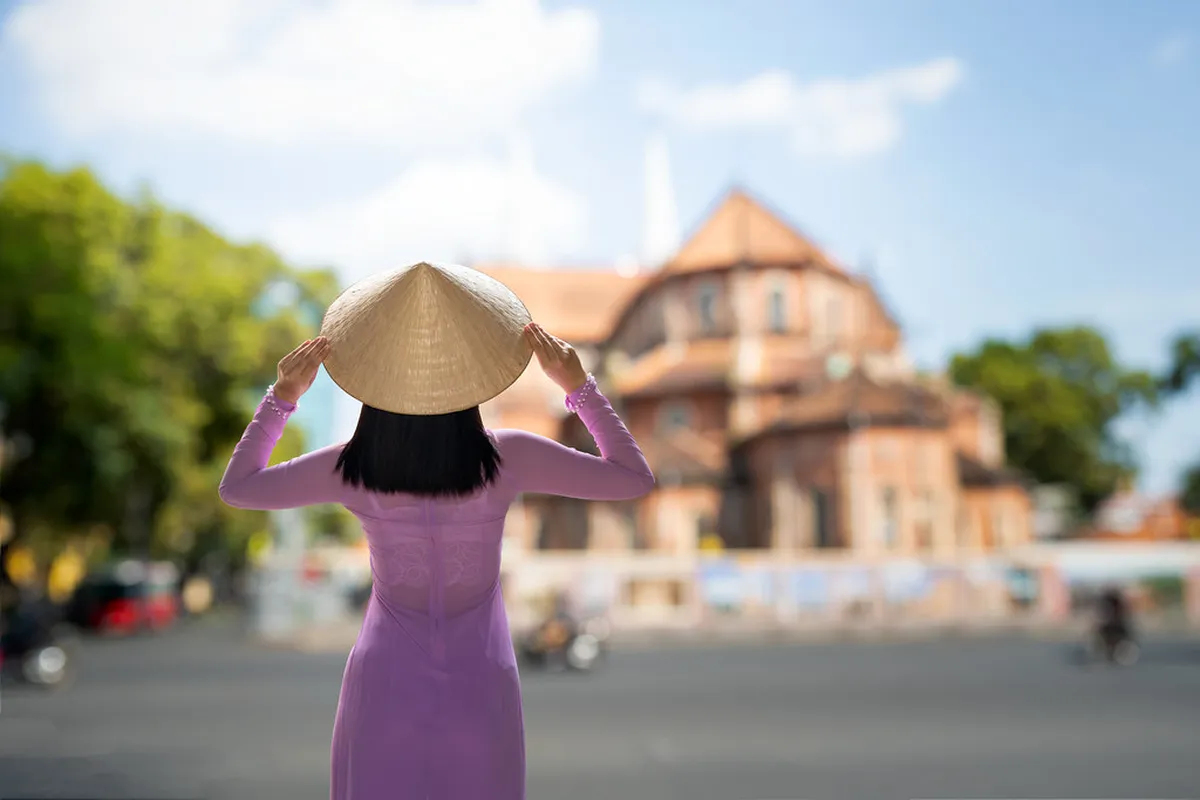
Guided small-group scooter tours cost $30–55 USD per person and typically include all food, drinks, and English-speaking guide. Your guide navigates traffic, translates menus, handles vendor relationships, and ensures hygiene standards. The evening scooter crawl appeals to nervous travelers; group energy can feel social. Downside: fixed pace, tourist-friendly stops, and reduced flexibility for dietary needs or timing preferences.
DIY costs less than $10–15 USD total and grants full control. You move at your own pace, skip lines, eat when hungry, and discover neighborhood gems tourists miss. Downside: language barriers at tiny stalls, no ride if uncomfortable on scooters, and vendors can seem intimidating initially. After one stall, stress dissolves; locals are generous with pointing and smiling. Our recommendation for first-timers: DIY the morning walk (easier, daytime, low-stakes), then book an evening guided scooter tour for confidence-building hybrid experience.
Street Food Safety, Etiquette & Pro Tips
Food safety in Da Nang street food scene is far better than reputation suggests. Choose busy stalls with high customer turnover; fresh ingredients rotate faster and water in pots boils continuously. Eat at peak meal times (8–9am breakfast, 11:30am–1pm lunch, 6–7:30pm dinner) when stalls operate at maximum speed and cleanliness.
Choose busy stalls with high customer turnover. Eat at peak meal times (8–9am breakfast, 11:30am–1pm lunch, 6–7:30pm dinner) when vendors operate at maximum cleanliness.
Practical logistics: bring cash, as most street vendors don't accept cards; ATMs are plentiful citywide. Eat using hands for bánh xèo and nem lụi; chopsticks are for noodles. Always accept offered fresh herbs—they're not optional garnishes but essential ingredients balancing heat, salt, and richness.
Cultural etiquette matters: smile and greet vendors ("Xin chào"), accept food with both hands, and never refuse offered condiments. If a dish is too spicy, ask for "ít cay" (less spicy). Finish meals quickly; vendors serve dozens of customers in morning hours and appreciate fast table turnover. Tipping isn't expected, but rounding up is appreciated in tourist areas.
Planning Your Da Nang Food Route: Timing, Costs & Practical Advice
Best time to visit: October through April brings cooler mornings and less humidity. Rainy season (May–September) closes some outdoor market stands, but indoor food courts and café culture remain strong. Visit multiple stages in a day if possible; morning vendors disappear by noon, evening vendors open at 5pm.
Budget breakdown for DIY full-day route: Mì Quảng ($3), market coffee ($1.50), lunch noodles ($4), afternoon café ($2), evening bánh xèo ($4), local food seafood ($6), dessert ($2) = roughly $22–25 USD for two people. A single stage costs $8–12 USD. Guided tours add $30–55 USD per person but eliminate transit stress and language barriers.
Practical tips: download Grab app for scooter rides ($2–3 per stop); bring small backpack for water and cash; wear comfortable walking shoes; apply sunscreen before 8am walks. Most vendors close between 2–5pm; plan accordingly or relax at café. Don't skip less-famous stops; Bánh Nậm at random market stall often outshines "famous" restaurants.
Best Streets and Markets for a Self-Guided Food Crawl
Da Nang’s food stalls cluster into walkable zones, so choose one area rather than crossing the city for every dish. Start around Hoàng Diệu and Nguyễn Văn Linh, where breakfast specialists serve mì Quảng, bún chả cá, and bánh mì. From there, walk northwest to Cồn Market at the corner of Hùng Vương and Ông Ích Khiêm. The indoor food court is useful during rain, while the lanes outside offer fruit, chè, rice cakes, and takeaway snacks.
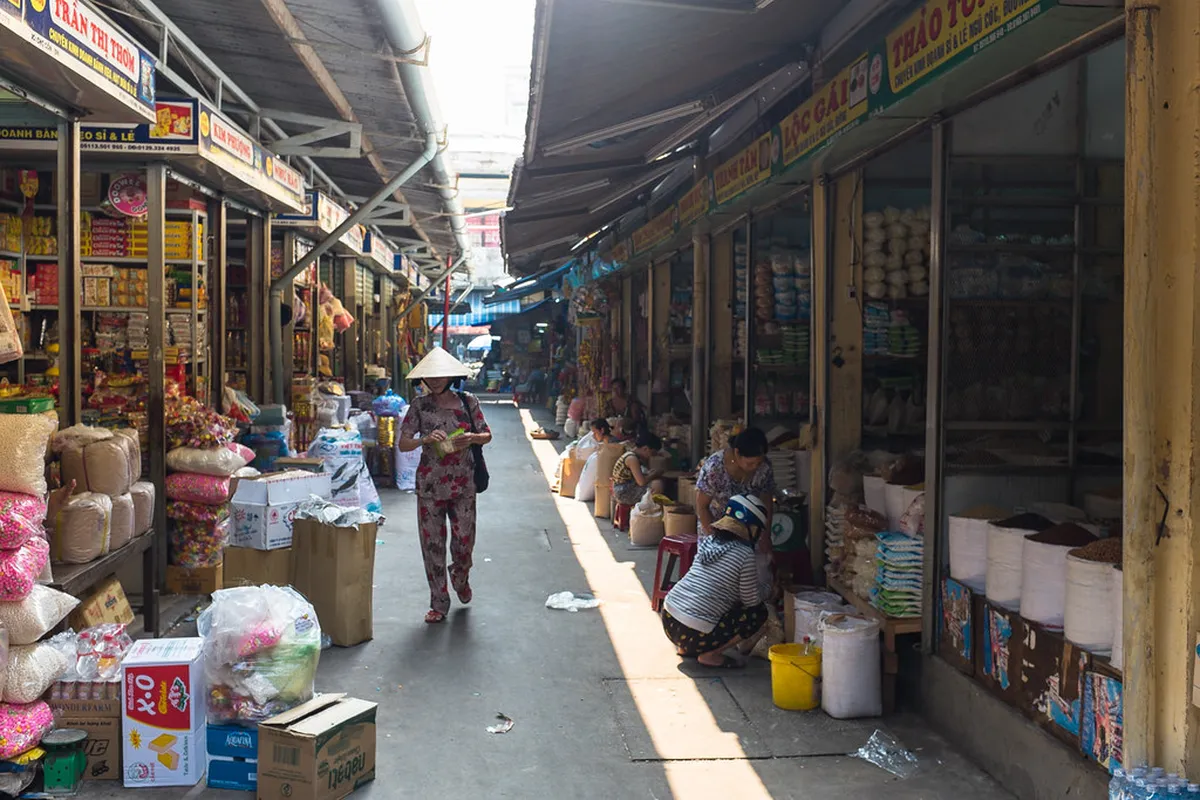
For a shorter central-city crawl, combine Hàn Market on Trần Phú with the cafés and riverfront streets near Bạch Đằng. Hàn Market is convenient for visitors, although Cồn Market generally provides a broader look at everyday prepared food and produce shopping.
After dark, head south of the river to Châu Thị Vĩnh Tế and the surrounding An Thượng area. These streets bring together bánh xèo, grilled skewers, seafood, and late-opening dessert shops within a manageable radius. Pavements can be uneven and traffic is busiest around dinner, so walk on quieter side streets or use Grab between zones instead of attempting one continuous cross-city route.
For the wider route context, continue with Da Nang Travel Planning Hub Travel Guide, and Da Nang 3 Day Itinerary Travel Guide before fixing this stop in your itinerary.
Frequently Asked Questions
How much time should I plan for a complete Da Nang food route?
A full-day route (morning walk plus afternoon rest plus evening crawl) takes 10 hours including breaks. A single stage (morning or evening only) takes 3.5 hours. First-timers usually prefer 5–6 hours, splitting morning and evening to pace the experience. Most visitors allocate one half-day for street food and leave room for beaches and attractions.
Is the Da Nang food route safe for first-time street food eaters?
Yes. Choose busy, high-turnover stalls with visibly boiling water and fresh ingredients. Eat at peak meal times (8–9am, 11:30am–1pm, 6–7:30pm). Your stomach may adjust to new spice and fermentation levels, but serious illness is rare if you follow these guidelines. Start with mild dishes like bánh bèo, not fiery fermented sauces.
Can I do the food route without renting a scooter for evening?
Absolutely. Walk the riverside (Châu Thị Vĩnh Tế Street) and nearby alleys on foot; it takes longer but reveals hidden stops tourists miss. Alternatively, use Grab bike ($2–3 per stop) if walking feels unsafe after dark. The evening stage works equally well walking; scooter rental just reduces total time from 3.5 to 2.5 hours and increases convenience.
What's the best introduction dish if I'm skeptical about street food?
Mì Quảng is the safest entry point: fragrant, not spicy-hot, and served at reputable stalls like Bà Diệu where locals line up daily. Bánh bèo (steamed rice crepe) is equally forgiving and makes you feel adventurous without real risk. Avoid fermented shrimp paste (mắm) sauces on your first try; request them omitted until your palate adjusts.
Should I book a guided tour or do a DIY food route in Da Nang?
DIY saves $30–50 and suits confident travelers; you control pacing and discover hidden stalls. Guided tours ($30–55 USD) work better if you're uncomfortable on scooters, prefer social dining, or want food guide translation services. Our recommendation: DIY the morning walk (low-stakes, daytime), then book an evening guided scooter tour to balance confidence and safety.
Da Nang's food route delivers authentic Central Vietnamese cuisine at street-level prices. Whether you spend half a day or a full day, the experience teaches you how locals eat: with their hands, surrounded by fresh herbs, and balancing textures in every bite. Skip generic tours and tourist restaurants; your best meals await at unmarked stalls where families serve the same dish the same way for decades.
Come hungry, bring cash, and embrace the ritual. The Dragon Bridge and Marble Mountains will still be there tomorrow; today, Bánh Xèo Bà Dưỡng is waiting for you.
Take the route offline
Free: the Da Nang route notes
Where to base yourself and what it costs, a day-by-day route that avoids backtracking, real transfer times and fares, seasonal timing, and where it connects onward — condensed from our Da Nang guides and made to take offline.
Keep unfolding Vietnam
Continue along the route
Three nearby guides for the next decision in your trip.


