

Vietnam Sleeper Bus Guide: Complete Travel Tips
Plan your Vietnam sleeper bus journey with our guide to bus types, top companies, booking tips, and safety advice for comfortable overnight travel.
On this page
Sleeper buses are Vietnam's most practical way to travel overnight between major cities. Last updated July 2026. If you're planning long-distance trips, these buses combine affordable rates with built-in accommodation.
These overnight coaches feature beds instead of traditional seats, designed for comfort on long journeys. First-time riders often have questions about safety, comfort, and what overnight travel really involves. This guide covers bus types, top companies, booking tips, and practical advice for smooth travel.
Key Takeaways
- Sleeper buses are Vietnam's most practical way to travel overnight between major cities.
- If you're planning long-distance trips, these buses combine affordable rates with built-in accommodation.
- These overnight coaches feature beds instead of traditional seats, designed for comfort on long journeys.
- First-time riders often have questions about safety, comfort, and what overnight travel really involves.
Take the route offline
Free: the Vietnam route starter
A two-week south-to-north route with real nightly rates by city, what to book first and how far ahead, region-by-region timing, and the transport costs between each leg — drawn from our published guides.
What Are Sleeper Buses in Vietnam?
Sleeper buses feature reclining or fully flat beds instead of regular seats for overnight travel. Vietnam's most common configuration includes three rows of bunks arranged on two levels with 40-44 beds per bus. Most sleeper buses include air conditioning, basic bedding like blankets and pillows, and sometimes water or charging ports.
These overnight coaches have become essential transport for budget-conscious travelers crossing Vietnam's diverse regions. A sleeper bus from Hanoi to Sapa covers roughly 320 kilometers and takes 5.5 to 6.5 hours depending on traffic. Travelers save money by eliminating separate hotel costs while covering ground overnight, arriving ready to explore the next destination.
The combination of affordability and built-in rest makes sleeper buses popular among backpackers, families, and local commuters. Journey costs average $12 or more for an 8-hour trip, making them significantly cheaper than flights or hotels. Buses typically depart evening hours for overnight travel and arrive early morning, maximizing your daytime exploration time in each destination.
Understanding what to expect helps manage first-time traveler concerns about comfort and safety on overnight journeys. Most buses include at least one bathroom stop during 10-20 minute breaks, though food cannot be brought aboard. Premium buses offer cabin options with more amenities, though standard sleeper buses provide the most budget-friendly overnight solution for cost-conscious travelers.
Types of Buses in Vietnam
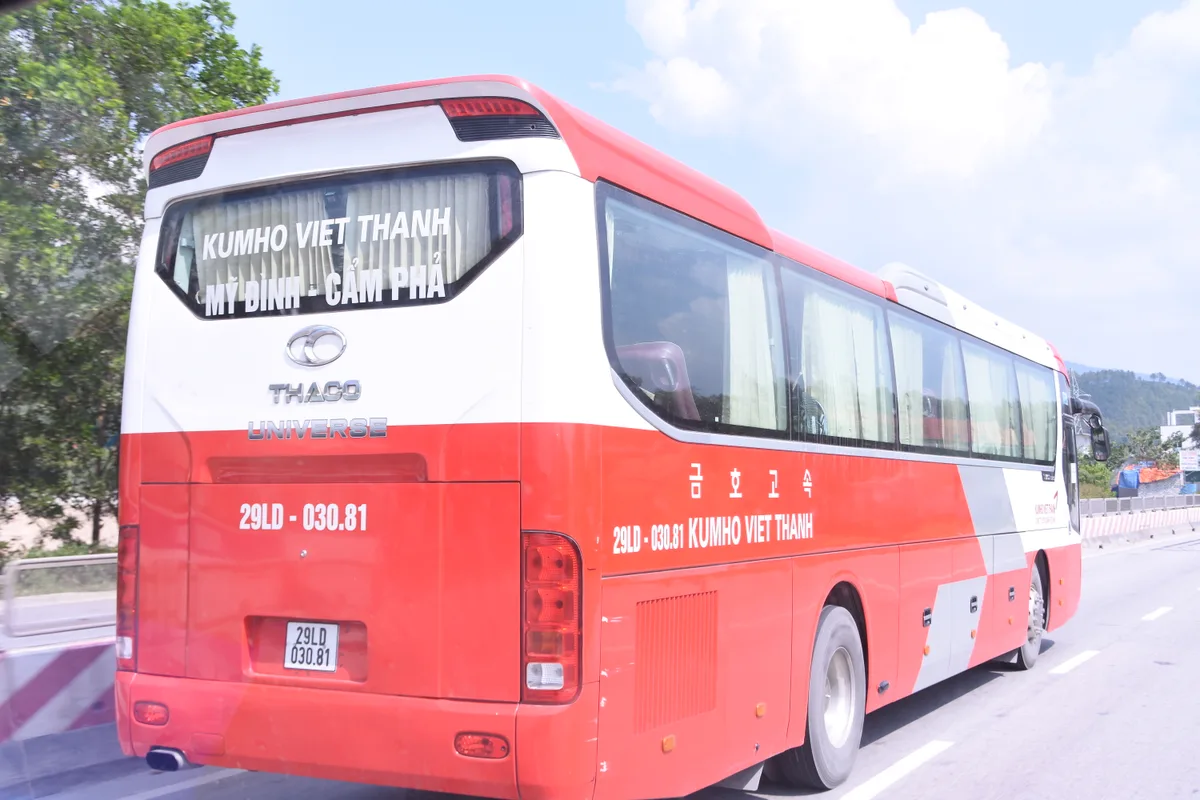
Vietnam's sleeper bus market offers several configurations, each balancing cost, comfort, and privacy differently. Understanding the differences helps you choose the right option based on your budget and comfort priorities. The three main categories range from budget-friendly economy sleepers to premium cabin buses with private quarters.
| Bus Type | Configuration | Privacy Level | Best For | Cost Range |
|---|---|---|---|---|
| 44-Bed Economy Sleeper | Three rows of bunks on two levels | Minimal to none | Budget travelers on shorter routes | $9-15 per journey |
| 34-Bed Sleeper with Curtains | Two-tier layout with individual curtains | Moderate separation | Travelers wanting privacy without premium pricing | $12-20 per journey |
| 22-24 Bed Luxury Sleeper | Fewer, wider beds with premium cabin options | Full curtains and enclosed cabins | Premium travelers seeking maximum comfort | $18-30 per journey |
| Double Cabin or Couple Bus | Private compartments for two people | Completely enclosed private rooms | Couples and small families | $24-35 per journey |
- 44-Bed Economy Sleeper Bus
- Configuration: Three rows of bunks on two levels
- Privacy: Minimal to none between individual beds
- Amenities: Air conditioning, basic blanket and pillow
- Best for: Budget travelers on shorter overnight routes
- Cost range: $9-15 per journey
- 34-Bed Sleeper Bus with Curtains
- Configuration: Two-tier layout with individual curtains for separation
- Privacy: Personal curtains provide moderate separation between beds
- Amenities: Air conditioning, curtains, slightly wider bed space
- Best for: Travelers wanting privacy without premium pricing
- Cost range: $12-20 per journey
- 22-24 Bed Luxury Sleeper Bus
- Configuration: Fewer, wider beds with premium cabin options
- Privacy: Full curtains and enclosed private cabin spaces
- Amenities: Individual screens, headphones, massage chairs, USB chargers
- Best for: Premium travelers seeking maximum comfort overnight
- Cost range: $18-30 per journey
- Double Cabin or Couple Bus
- Configuration: Private compartments designed for two people
- Privacy: Completely enclosed private rooms for full seclusion
- Amenities: Personal entertainment, reading lights, two-person bed
- Best for: Couples and small families wanting maximum privacy
- Cost range: $24-35 per journey
Top Sleeper Bus Companies in Vietnam
Reputable bus companies matter significantly for safety, comfort, and reliability across Vietnam's major routes. Top operators maintain well-maintained vehicles, employ experienced drivers, and provide customer service support. Different regions feature established companies known for specific routes and consistent passenger experiences.
Northern routes connecting Hanoi with mountain destinations rely on companies like Sapa Express, Cat Ba Express, and Kumho Samco. Central Vietnam's popular routes between Da Nang and Hoi An feature The Sinh Tourist, Thanh Buoi, and Hoang Long. Southern region routes from Ho Chi Minh City to Da Lat and Mekong Delta destinations primarily use Futa Bus Lines and Thanh Phong.
Futa Bus Lines operates as Vietnam's largest sleeper bus operator with extensive coverage across southern and central regions. The Sinh Tourist maintains a strong reputation for comfortable buses and reliable service across multiple destination pairs. Sao Viet and Camel Travel specialize in connecting major tourist destinations with quality overnight service options.
Popular Hanoi to Sapa routes typically involve 5.5-6.5 hour overnight journeys with departures around evening hours. Cat Ba routes from Hanoi cost around $11 for reclining seat options, while premium cabin buses command higher fares. Many companies operate dual-driver systems on night routes, with drivers rotating to ensure safety and compliance with rest regulations.
Things to Keep in Mind When Taking a Sleeper Bus
Preparing properly for sleeper bus travel increases comfort and security during overnight journeys across Vietnam. Successful overnight bus travelers pack specific items and follow practical strategies learned from experience. Understanding what buses provide versus what you must bring prevents frustration and improves sleep quality during overnight travel.
Keep passports, money, and credit cards in a personal bag or money belt rather than luggage compartments. Theft is rare but possible in shared accommodation storage areas below the passenger deck.
Pack earplugs, an eye mask, and your own toiletries for overnight comfort since amenities vary between operators. Most buses don't provide pillowcases or linens, so bringing a small travel pillow or using a clean shirt helps. Hand sanitizer is essential since bathroom cleanliness varies; toilet paper should be packed as backup for longer overnight journeys.
Keep your passport, money, credit cards, and phone in a personal bag or money belt rather than luggage compartments. Theft is rare but possible on buses, particularly in shared accommodation storage areas below the passenger deck. Choose a middle bunk when possible to minimize sway and movement; avoid top bunks if you're tall or uncomfortable with height.
Expect bathroom stops lasting 10-20 minutes at rest areas where you can use facilities and purchase snacks or drinks. Food cannot be brought aboard most buses, so purchase meals during scheduled stops or eat before boarding. Arrange accommodation in advance when buses arrive at odd hours like 4 a.m. or 5 a.m. to avoid being stranded without lodging.
Wear a seatbelt if available, particularly during mountain routes with sharp turns and steep descents. Expect potential delays due to traffic, weather, or road conditions; build flexibility into your travel packing schedule. Some travelers experience motion sickness; inform the bus company beforehand and bring medications or preventive measures for your journey.
How to Book Sleeper Bus Tickets in Vietnam
Booking sleeper bus tickets online has become easier with multiple platforms serving international and local travelers. Popular booking websites include 12go.asia, Baolau.com, and Vexere.com, each offering user-friendly interfaces in multiple languages. These platforms display available buses, compare prices across operators, and handle online payments securely for your convenience.
Book early during peak periods, but treat the seat and vehicle type as confirmed only when the operator issues the ticket details. Off-peak periods allow 1-2 days advance booking, though fewer options become available.
Enter your departure city, destination, and travel date to see available buses with different comfort levels and pricing. Online platforms typically charge $1-2 service fees in addition to ticket prices, so factor this into your budget planning. Longer journeys or premium services cost $20-30, while standard economy buses average $12-15 for typical 8-hour overnight trips.
Book directly at bus stations when you want to inspect the bus or prefer face-to-face booking without online fees. Station booking requires patience as staff handle walk-up customers, though negotiating slightly lower prices is sometimes possible. Direct station booking works well for same-day or next-day travel, though advance booking is recommended during peak periods.
Purchase tickets 3-7 days in advance during peak travel seasons like holidays, weekends, and school breaks to improve the chance of finding the preferred departure. Off-peak periods allow booking 1-2 days ahead, though choosing your preferred bus type becomes more limited with fewer options. Consider your sleep preferences when selecting bunk position; middle bunks provide the most stability, while upper and lower spots have trade-offs.
Are Sleeper Buses in Vietnam Safe?
Sleeper buses in Vietnam are generally safe, with thousands of trips completed daily by local commuters and international tourists. Established bus companies maintain safety records comparable to public transportation in many developed countries. Choosing reputable operators and following practical safety measures significantly reduce risks during overnight travel across Vietnam.
Real safety concerns include erratic driving on winding mountain roads, particularly at night when visibility is reduced. Some drivers exceed speed limits or take sharp turns aggressively, which can feel unsettling though serious accidents remain rare. Bus maintenance varies between operators; some vehicles experience issues like broken air conditioning or cleanliness problems affecting comfort.
Tall travelers may find standard sleeper bus beds cramped and uncomfortable, making taller passengers more susceptible to sleep deprivation. Discomfort itself isn't a safety risk but can affect your wellbeing and next-day energy levels for activities and exploration. Train travel offers an alternative for taller passengers or those preferring more spacious accommodations during long overnight journeys.
Enhance your safety by choosing companies with positive reviews and booking middle bunks for optimal stability during travel. Wear your seatbelt if available, avoid night trips if nervous about sleeping on moving vehicles, and pack comfort items. Plan for early morning arrivals by booking accommodation in advance; this prevents being stranded without shelter when buses arrive pre-dawn.
Popular Sleeper Bus Routes in Vietnam
Sleeper buses are most useful on journeys long enough to replace a night in a hotel. From Hanoi, common overnight routes serve Sapa, Ha Giang, Hue, Dong Hoi, and Phong Nha. Hanoi–Sapa usually takes about 5.5–6.5 hours, so some services arrive before dawn; confirm whether the operator allows passengers to remain aboard briefly after arrival.
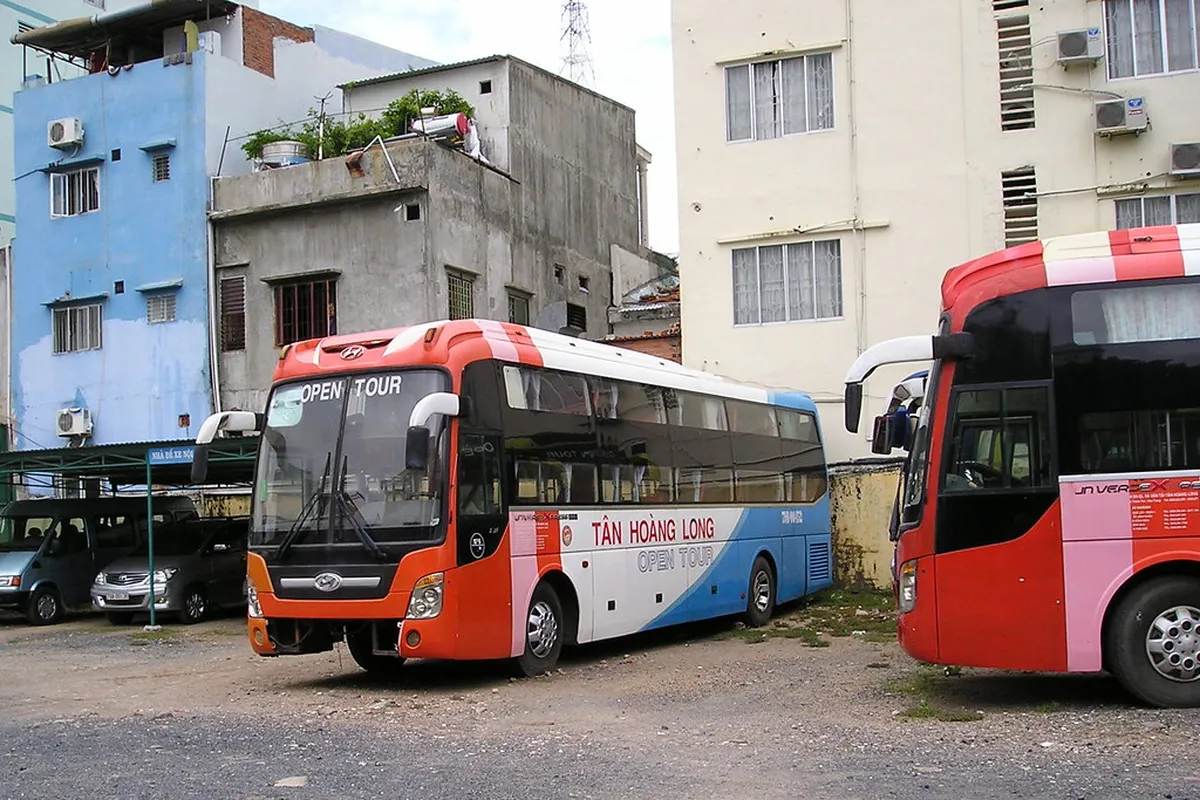
Along the central coast, Ninh Binh–Phong Nha and Hue–Ninh Binh are practical overnight connections for travelers moving between northern and central Vietnam. Da Nang–Da Lat is another long cross-country route, but winding highland roads can make it uncomfortable for passengers prone to motion sickness.
In the south, Ho Chi Minh City–Da Lat and Ho Chi Minh City–Nha Trang have frequent sleeper services, including standard bunks and private cabins. Check the exact boarding point before booking: operators may depart from their own offices rather than the main bus station, with a shuttle collecting passengers from central districts. Also compare scheduled arrival times, because reaching Ha Giang, Sapa, or Da Lat before hotel reception opens can leave you waiting with luggage.
Official Planning Checks Before You Go
Use the Vietnam Tourism trip-planning portal for destination context and the official Vietnam Tourism transport overview for a second official baseline. Recheck any opening hour, fare, timetable, closure, access rule, weather risk, or booking condition with the responsible operator shortly before travel; an official destination overview is not a live inventory or service guarantee.
For the wider route context, continue with 10-Day Vietnam Itinerary: Route Guide for 2026, Vietnam Transport Guide: Trains, Buses, Flights & Grab, and Vietnam Train Travel Guide 2026 before fixing this stop in your itinerary.
Frequently Asked Questions
What exactly is a sleeper bus in Vietnam and how is it different from regular buses?
A sleeper bus features reclining or flat beds instead of seats, accommodating passengers in bunk configurations for overnight travel. Regular buses have standard seats designed for daytime journeys, while sleeper buses prioritize rest on long-distance routes. The bed-based design eliminates separate hotel costs and saves time by traveling overnight, combining transportation and accommodation into one service.
How much do sleeper bus tickets cost in Vietnam?
Standard sleeper bus tickets average $12 or more for 8-hour trips, depending on route and operator. Longer journeys or premium cabin buses cost $20-30 per trip. Economy buses with minimal privacy run $9-15, while luxury options with private amenities reach $24-35. Online booking platforms may add $1-2 service fees, so factor these into your budget planning.
Are sleeper buses in Vietnam actually safe for travelers?
Yes, sleeper buses are generally safe with thousands of daily trips completed without serious incidents across Vietnam. Reputable companies maintain good safety records and vehicle maintenance standards. Risks include erratic driving on mountain roads and occasional theft, which you minimize by choosing established operators and keeping valuables secured. First-time travelers benefit from researching company reviews and planning accommodations in advance to avoid arriving at inconvenient hours.
What should I pack for a sleeper bus journey in Vietnam?
Pack earplugs, an eye mask, toilet paper, and hand sanitizer since amenities vary between buses. Bring your own toiletries, medications, and a small travel pillow if you need specialized bedding support. Keep valuables like your passport, money, and phone in a personal bag rather than luggage compartment. Purchase meals at scheduled rest stops since food cannot be brought aboard; most buses stop 10-20 minutes during longer journeys.
Which sleeper bus company offers the best service in Vietnam?
Futa Bus Lines (Phuong Trang) operates Vietnam's largest sleeper bus network with extensive southern and central coverage. The Sinh Tourist maintains strong reputation for comfortable buses and reliable service across multiple regions. Northern routes feature Sapa Express and Cat Ba Express with good passenger ratings. Check online reviews on platforms like 12go.asia or Baolau.com for current passenger ratings before booking your specific route and bus class.
Sleeper buses offer an efficient, affordable way to traverse Vietnam's long distances without extra hotel costs. Understanding bus types, top companies, and practical preparations helps you select the right overnight travel option. Plan your route, book 3-7 days in advance for peak periods, and pack essential comfort items for better sleep quality.
Whether exploring Vietnam's northern mountains, central beaches, or southern Mekong Delta, sleeper buses connect major destinations daily. Selecting reputable companies and following safety practices ensures your overnight journey contributes positively to your travel experience. Budget travelers appreciate how sleeper buses combine transportation with accommodation, maximizing both savings and daytime exploration time in Vietnam.
Take the route offline
Free: the Vietnam route starter
A two-week south-to-north route with real nightly rates by city, what to book first and how far ahead, region-by-region timing, and the transport costs between each leg — drawn from our published guides.
Keep unfolding Vietnam
Continue along the route
Three nearby guides for the next decision in your trip.


