

Photo: travel oriented via Flickr (CC BY-SA 2.0)
Hanoi Coffee Guide Travel Guide
Plan your hanoi coffee guide with top picks, neighborhood context, timing tips, and practical booking advice for a smoother trip.
On this page
Hanoi's coffee culture ranks among Vietnam's most compelling travel experiences. Coffee isn't just a caffeine fix here—it's a way of life, woven into daily rhythms and neighborhood identity. Last updated July 2026.
Whether you're a specialty coffee enthusiast or simply seeking quiet moments with a strong brew, Hanoi delivers both. This guide maps the city's best cafes, explains what makes Vietnamese coffee distinct, and helps you plan efficient routes. You'll discover legendary spots, hidden neighborhood gems, and practical timing advice.
Key Takeaways
- Hanoi's coffee culture ranks among Vietnam's most compelling travel experiences.
- Coffee isn't just a caffeine fix here—it's a way of life, woven into daily rhythms and neighborhood identity.
- Whether you're a specialty coffee enthusiast or simply seeking quiet moments with a strong brew, Hanoi delivers both.
- This guide maps the city's best cafes, explains what makes Vietnamese coffee distinct, and helps you plan efficient routes.
Take the route offline
Free: the Hanoi route notes
Where to base yourself and what it costs, a day-by-day route that avoids backtracking, real transfer times and fares, seasonal timing, and where it connects onward — condensed from our Hanoi guides and made to take offline.
An Introduction to Vietnamese Coffee
Vietnam ranks as the world's second-largest coffee producer, trailing only Brazil. The country's coffee story began when coffee was introduced to Vietnam by the French in 1857, transforming entire regions into thriving plantations. Today, Hanoi sits at the heart of this legacy, offering a living laboratory of brewing traditions and modern innovation.
Vietnamese coffee uses robusta beans with nearly double the caffeine of arabica varieties. The phin brewing method—a slow-drip filter atop your cup—extracts maximum body and depth, creating Hanoi's signature bold, intense flavor profile.
Traditional Vietnamese coffee relies on robusta beans, which pack nearly double the caffeine of arabica varieties familiar to Western drinkers. These bold, earthy beans are ground finely and brewed using a phin—a simple stainless-steel drip filter that sits atop your cup. The slow pour creates a rich, intense concentrate perfect for sipping black or mixing with condensed milk.
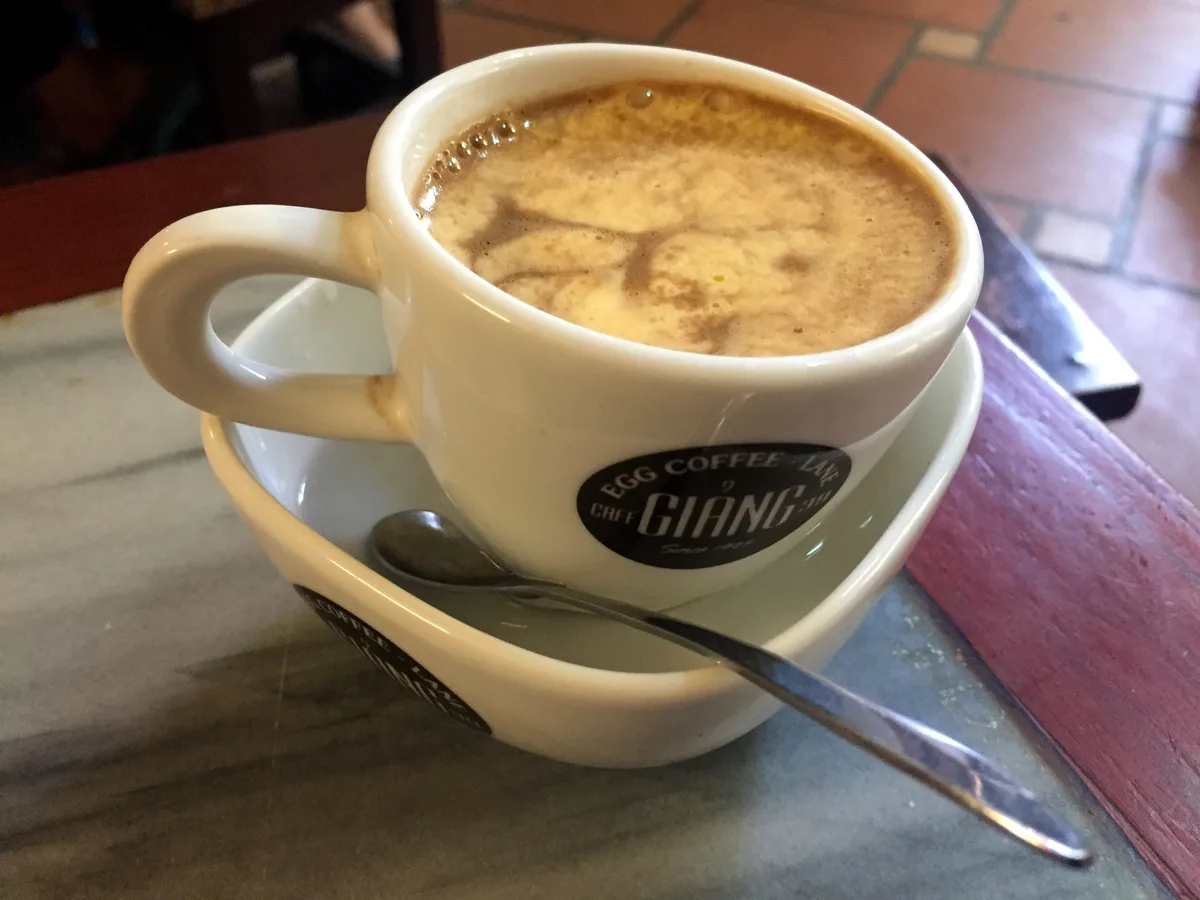
What sets Hanoi apart is its signature contribution to coffee innovation: egg coffee, born in 1946 when chef Nguyen Van Giang whipped egg yolks into a silky cream. This drink layers condensed milk, phin-brewed coffee, and sweetened egg foam, delivering a taste somewhere between tiramisu and espresso. Specialty variations include salt coffee and coconut coffee, each reflecting the city's experimental spirit.
Hanoi's coffee culture extends beyond the drink itself. Cafes serve as gathering spaces where locals spend hours in plastic chairs facing the street, chatting and observing city life. Travelers quickly learn that slowing down over coffee is the local rhythm, not a luxury.
Tranquil Books & Coffee
Tranquil Books & Coffee appears in three of five major competitor guides, signaling why it earns consistent traveler praise. Located in central Hanoi, this cafe carves out a rare pocket of calm within the city's unending chaos and street noise. The combination of quality coffee, thoughtful decor, and curated book collection makes it a retreat for both readers and workers.
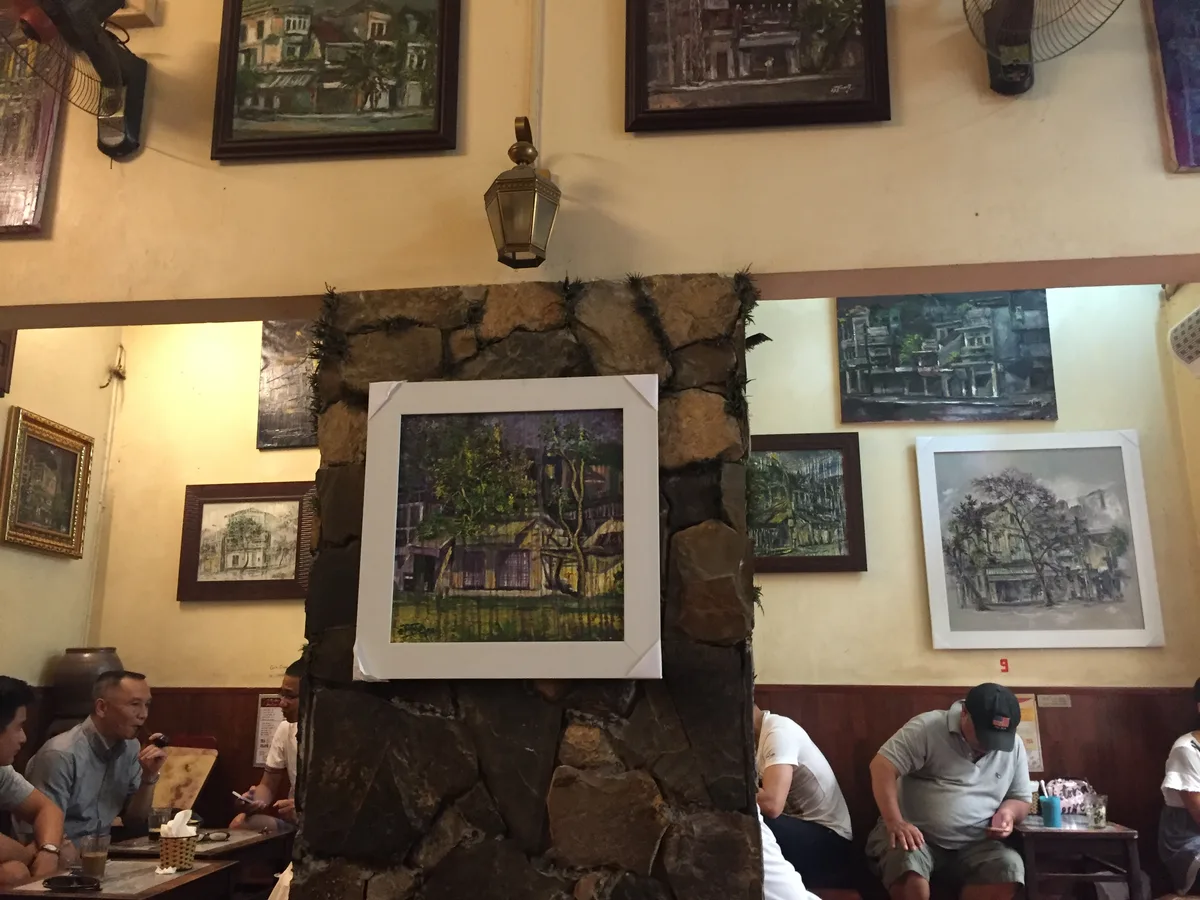
Operating hours run 8 AM to 10 PM daily, giving you flexibility for morning espresso or evening wind-down sessions. The cafe specializes in both traditional Vietnamese phin coffee and modern espresso drinks, satisfying different palates in one visit. Staff speak English and welcome long stays, though seating can fill quickly during mid-morning peaks around 9–10 AM.
For first-time Hanoi visitors, Tranquil Books & Coffee bridges familiar comfort with local authenticity without overwhelming sensory chaos. A typical drink runs $3–$5, making it accessible for budget-conscious travelers while supporting quality sourcing. The tradeoff: quieter atmosphere means fewer chance encounters with other travelers and a more solitary experience.
Why it matters: This cafe exemplifies Hanoi's emerging specialty coffee scene, proving the city moves beyond street stalls and neon signs. Visiting reinforces why Hanoi's coffee reputation extends beyond egg coffee to include serious brewing craft.
Of the Best Coffee Shops in Hanoi
Hanoi's best coffee shops balance tradition with innovation, neighborhood character with visitor accessibility. Each cafe listed below includes specific details—address, hours, specialty—so you can plan visits matching your schedule and preferences. Prices typically range from 30,000–150,000 VND ($1.25–$6 USD), depending on drink complexity and location.
Cafe Dinh sits at 13 Đinh Tiên Hoàng in the Old Quarter, open 7 AM to 9:30 PM daily. This traditional spot offers classic egg coffee alongside standard phin brews in a no-frills setting beloved by locals. Expect a no-nonsense counter service and crowds during peak hours; arriving early may mean a quieter visit, though queues vary by day.
Loading T Cafe occupies 8 Chân Cầm, also in the Old Quarter, running 8 AM to 10 PM. Known for quality espresso and specialty drinks, it attracts coffee enthusiasts who appreciate precision brewing. Seating is limited, so it's best for grab-and-go visits during midday hours.
Hidden Gem Coffee at 3B Hàng Tre (down a small alley) operates 8 AM to 11 PM and justifies its name. The cafe combines excellent coffee with cozy ambiance, making it ideal for solo work or intimate conversations. Finding the entrance requires walking into an alley (trong ngõ), but locals consider this part of its charm.
Tang Tret Cosmo Cafe at 10 Khúc Hạo in Ba Đình opens 8 AM to 10:30 PM daily. Retro-modern decor and a creative drink menu appeal to travelers seeking Instagram-worthy moments with quality coffee. This cafe sits 3–5 km north of the Old Quarter, requiring a taxi or 20-minute bus ride, so plan accordingly.
- Cafe Dinh
- Address: 13 Đinh Tiên Hoàng, Old Quarter
- Hours: 7 AM–9:30 PM daily
- Specialty: Traditional egg coffee
- Cost: 30,000–50,000 VND
- Best for: Local experience
- Loading T Cafe
- Address: 8 Chân Cầm, Old Quarter
- Hours: 8 AM–10 PM daily
- Specialty: Quality espresso
- Cost: 50,000–80,000 VND
- Best for: Coffee connoisseurs
- Hidden Gem Coffee
- Address: 3B Hàng Tre (alley entrance)
- Hours: 8 AM–11 PM daily
- Specialty: Cozy atmosphere, all brews
- Cost: 40,000–70,000 VND
- Best for: Remote work, quiet study
- Tang Tret Cosmo Cafe
- Address: 10 Khúc Hạo, Ba Đình
- Hours: 8 AM–10:30 PM daily
- Specialty: Creative specialty drinks
- Cost: 60,000–100,000 VND
- Best for: Instagram moments
Hanoi Cafes Location Map
Understanding Hanoi's cafe geography saves time and prevents aimless wandering through chaotic streets. The city divides into distinct neighborhoods, each with its own cafe personality and visitor accessibility level. Mapping your route before departure ensures efficient discovery without transport frustration.
Avoid peak hours at 8–9 AM, 12–1 PM, and 4–5 PM when cafes face crowds and seating shortages. Visiting between these windows ensures better service speed and a more relaxed experience.
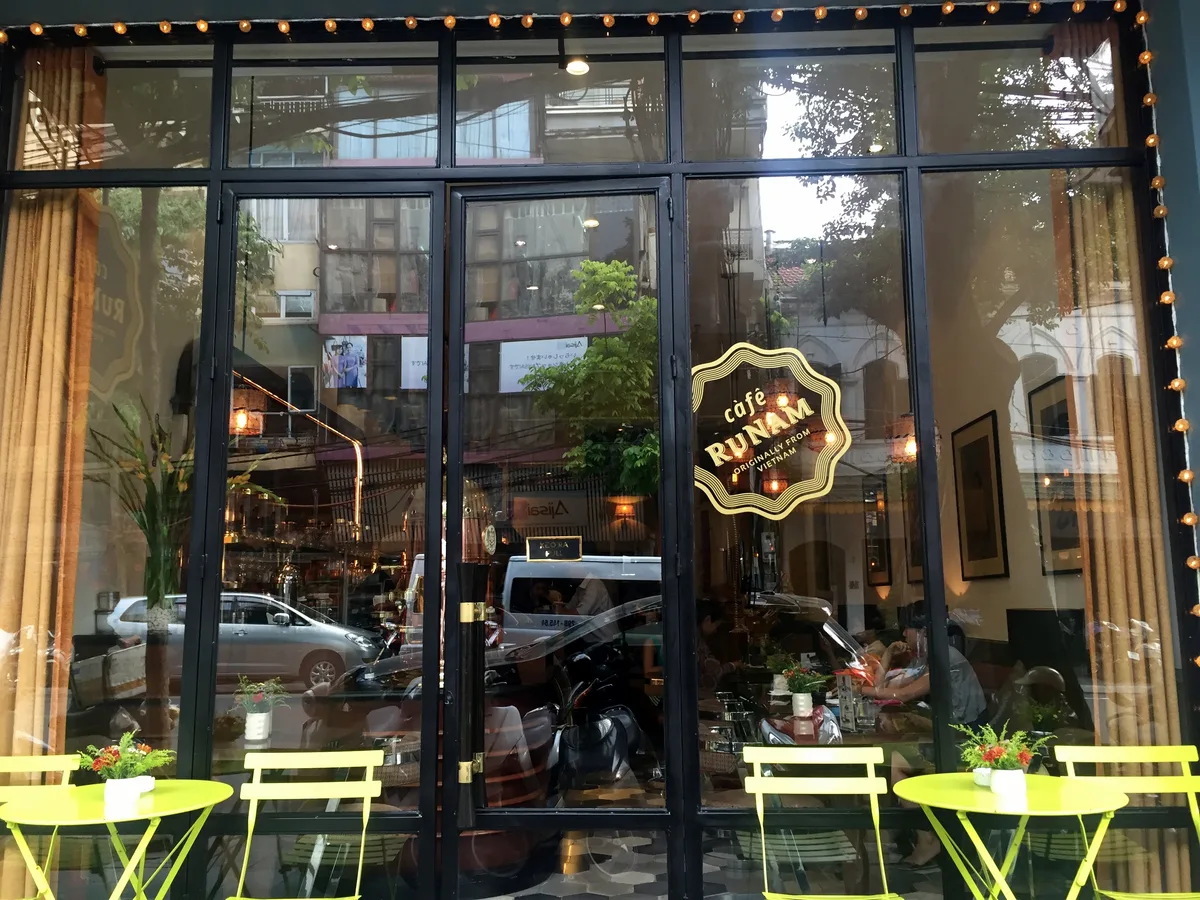
The Old Quarter (Hoan Kiem district) concentrates the highest density of cafes within walking distance, roughly 1–2 km radius. Cafes Dinh, Loading T, and Tranquil Books all cluster here, making a 3–4 cafe morning fully walkable. This neighborhood buzzes with tourist traffic, so expect crowds but also reliable English menus and international payment options.
Ba Đình district lies north of the Old Quarter, hosting Tang Tret Cosmo and quieter neighborhood spots frequented by locals. This area requires taxi or bus transit (10–20 minutes), but rewards exploration with lower prices and authentic atmospheres. Families planning Hanoi visits often find Ba Đình cafes more relaxed for extended stays.
A strategic map-based approach clusters 3–4 cafes per route, with 15–20 minutes walking time between stops. Peak hours (8–9 AM, 12–1 PM, 4–5 PM) create crowds; visiting between these windows ensures better seating and service speed. Free Google Maps integration helps track real-time locations and current operating status, critical since some beloved cafes do close unexpectedly.
Coffee Lovers Walking Tour
A purposeful cafe crawl transforms coffee appreciation from casual sipping into meaningful cultural exploration. This walking tour spans 3–4 hours, covering five strategically chosen cafes that represent Hanoi's coffee range. Start early to catch fresh morning brews and dodge midday crowds that peak around noon.
Begin at Cafe Dinh (7 AM opening) for authentic egg coffee in a no-frills local setting. Spend 30 minutes here, arriving by 7:15 AM for quietest access and closest interaction with morning regulars. Order a classic egg coffee and observe the phin brewing ritual before transitioning to the next stop.
Walk 10 minutes to Hidden Gem Coffee, arriving around 8 AM to beat the 9–10 AM surge. Spend 45 minutes working, reading, or journaling in this cozy alley cafe. Order a specialty drink here—salt coffee or coconut coffee if available—to contrast with traditional egg coffee.
Return to the Old Quarter and visit Loading T Cafe around 9:30 AM for a precision espresso. This 20-minute stop emphasizes technical brewing and Western coffee appreciation, balancing Vietnamese tradition. The tight seating means arriving before the 10–11 AM office worker crowd ensures a seat.
End at Tranquil Books & Coffee (10:30 AM) for a leisurely final experience combining coffee with reading and reflection. Spend 60 minutes here without time pressure, cementing this route's emotional arc from local intensity to mindful calm. This timing avoids lunch-hour congestion while leaving midday for rest or other Hanoi activities.
On Legends, Cute Cafes & Hidden Gems
Hanoi's cafe landscape divides into three loose archetypes, each appealing to different traveler priorities and comfort levels. Long-running cafes carry storied histories and often draw reliable crowds; they reward early visits but lack intimacy. Cute Instagram-worthy cafes prioritize ambiance and design, attracting social media engagement but sometimes sacrificing coffee quality.
Hidden gems scattered across neighborhoods offer authentic local experience, lower prices, and genuine discovery moments. The tradeoff is steeper: less English spoken, minimal wayfinding signage, and less predictable hours or quality consistency. Travelers comfortable navigating ambiguity and using translation apps thrive in this category.
Ca Phe Duy Tri exemplifies the hidden-gem archetype, located 3 km north of the Old Quarter in rarely touristed territory. This traditional spot serves locals for morning coffee rituals; you'll hear Vietnamese exclusively and see zero tourist menus. The reward: genuine cultural immersion, bargain pricing (25,000–40,000 VND), and stories that elevate travel beyond typical tourist routes.
COC Legacy Coffee and similar specialty roasteries occupy a middle ground—quality focused with some tourist accommodation. These cafes attract coffee enthusiasts willing to seek quieter spots outside the Old Quarter chaos. Expect professional brewing, curated bean selections, and trained baristas, but also crowds of international coffee lovers during peak hours.
Consider your travel style: morning people and spontaneous explorers thrive on hidden gems; schedule-oriented travelers prefer legendary anchors. A balanced itinerary mixes one legendary cafe, one Instagram spot for contrast, and one genuine hidden gem for authentic memory.
Blackbird Coffee Chân Cầm
Blackbird Coffee’s Chân Cầm branch adds a useful specialty-coffee stop to an Old Quarter itinerary. Located at 5 Chân Cầm, it sits on the same short street as Loading T Cafe at number 8, so travelers can compare two modern Hanoi coffee bars without adding extra transport. Blackbird is best suited to visitors interested in espresso, filter coffee, and the flavor of the beans themselves rather than elaborate dessert-style drinks.
Ask which beans are available before choosing between espresso and a hand-brewed filter; the barista can suggest an option based on whether you prefer brighter fruit notes or a fuller, more chocolate-forward cup. Because the compact shop can fill quickly, visit during the late morning or early afternoon rather than Hanoi’s busier breakfast and after-work periods. Pairing Blackbird with nearby St. Joseph’s Cathedral, approximately a short walk away, creates an efficient central-Hanoi route. Coffee drinkers comparing cafes should order a simple espresso, americano, or filter here, then save egg coffee for a traditional address such as Cafe Dinh.
Official Planning Checks Before You Go
Use the official Vietnam Tourism Ha Noi guide for destination context and the Vietnam Tourism trip-planning portal for a second official baseline. Recheck any opening hour, fare, timetable, closure, access rule, weather risk, or booking condition with the responsible operator shortly before travel; an official destination overview is not a live inventory or service guarantee.
Frequently Asked Questions
What makes Vietnamese coffee so special compared to other global coffee traditions?
Vietnamese coffee uses robusta beans containing nearly double the caffeine of Western arabica varieties, creating a bold, intense flavor profile. The phin brewing method—a slow-drip filter atop your cup—extracts maximum body and depth. Hanoi added its signature innovation: egg coffee, born in 1946 when a chef whipped egg yolks into a creamy addition, creating a drink that tastes like tiramisu in a cup. This combination of bean strength, brewing technique, and specialty innovations distinguishes Hanoi's coffee culture from Italian espresso bars or Turkish coffee traditions.
How much time should you plan for a meaningful Hanoi coffee guide experience?
A casual single-cafe visit takes 30 minutes; a mindful coffee lovers walking tour spans 3–4 hours covering four to five strategic stops. For deep coffee immersion over multiple days, allocate 2–3 hours daily mixing legendary spots, hidden gems, and specialty roasteries. Many travelers dedicate one full morning to coffee culture, combining it with Hanoi market visits or neighborhood exploration rather than fitting cafes into rushed itineraries. Quality over quantity yields better memories than cafe-hopping without reflection.
Which Hanoi neighborhoods offer the best cafe access for different traveler types?
The Old Quarter (Hoan Kiem district) concentrates cafes within 1–2 km walking radius, ideal for schedule-conscious travelers and first-time visitors who value convenience and English-friendly service. Ba Đình district offers quieter, local-focused cafes requiring taxi transit but rewarding with authentic atmospheres and lower prices. Neighborhoods beyond these hubs require significant transport investment but deliver genuine hidden-gem discovery for patient explorers. First-timers should base themselves near the Old Quarter for accessibility; return visitors should venture to Ba Đình or neighborhood alleyways for local immersion.
What common mistakes should travelers avoid when planning a Hanoi coffee itinerary?
Avoid visiting during peak hours (8–9 AM, 12–1 PM, 4–5 PM) when short seating and crowds undermine the cafe experience. Don't assume all excellent cafes lie in the Old Quarter; some neighborhood gems require taxi rides but offer superior atmosphere and authentic local vibes. Skipping hidden neighborhood cafes in favor of famous Instagram spots misses Hanoi's true coffee culture—tourists rather than locals populate trendy places. Reserve energy for unexpected discoveries rather than rigid itinerary adherence; the best cafe experiences emerge from wandering, conversation, and spontaneous detours. Finally, rushing from cafe to cafe defeats the purpose; Vietnamese coffee culture rewards slowness and extended stays in one spot.
Is Hanoi coffee culture worth including on a short two or three-day itinerary?
Absolutely, but prioritize strategically. A single 3–4 hour morning walking tour (Cafe Dinh → Hidden Gem Coffee → Loading T Cafe → Tranquil Books) delivers rich experience without consuming your entire itinerary. Coffee culture intersects naturally with neighborhood exploration, street food tours, and historical sites rather than competing for time. Since cafes open early and operate late, morning coffee visits align perfectly with sunrise habits and leave afternoons free for temples, museums, or transportation planning. Even time-limited travelers should dedicate one focused morning to coffee exploration—it's compact, rewarding, and central to Hanoi's identity.
Hanoi's coffee culture rewards both casual drinkers and serious enthusiasts with depth, authenticity, and genuine hospitality. Whether you sip egg coffee in a plastic chair on a bustling street or work quietly in a hidden neighborhood cafe, you're participating in a tradition spanning 169 years and three generations of Vietnamese refinement. The city teaches patience, curiosity, and the underrated pleasure of slowing down.
Your Hanoi coffee experience begins not with a perfect itinerary but with willingness to explore, taste, and linger. Start at legendary cafes for quality assurance, venture into hidden neighborhoods for authenticity, and allow chance encounters to guide your path. Return often—Hanoi's coffee culture deepens with each visit, revealing layers competitors never discover.
Take the route offline
Free: the Hanoi route notes
Where to base yourself and what it costs, a day-by-day route that avoids backtracking, real transfer times and fares, seasonal timing, and where it connects onward — condensed from our Hanoi guides and made to take offline.
Keep unfolding Vietnam
Continue along the route
Three nearby guides for the next decision in your trip.


