Hanoi Layover Guide: Top Picks and Airport Tips
Plan your Hanoi layover guide with top picks, neighborhood context, timing tips, and practical booking advice for a smoother trip.
On this page
Your flight lands in Hanoi with a six-to-ten-hour layover ahead. The airport sits 28 kilometers from the Old Quarter, where street food, temples, and centuries of history wait. But here's the real pressure: do you have enough time to leave the airport and actually enjoy the city?
A Hanoi layover guide answers that question first, before talking about menus or attractions. This guide breaks down who should venture into the city and who should stay inside, then walks through what's realistically possible at each layover length. Last updated July 2026.
Key Takeaways
- Your flight lands in Hanoi with a six-to-ten-hour layover ahead.
- The airport sits 28 kilometers from the Old Quarter , where street food, temples, and centuries of history wait.
- But here's the real pressure: do you have enough time to leave the airport and actually enjoy the city?
- A Hanoi layover guide answers that question first, before talking about menus or attractions.
Take the route offline
Free: the Hanoi route notes
Where to base yourself and what it costs, a day-by-day route that avoids backtracking, real transfer times and fares, seasonal timing, and where it connects onward — condensed from our Hanoi guides and made to take offline.
Must-See Hanoi Attractions
The Old Quarter remains Hanoi's most magnetic neighborhood, packed with 900 years of history and street-level energy. A focused walk through the core takes ninety minutes round trip from your transport drop-off, leaving time for coffee or street food.
Hoàn Kiếm Lake sits at the Old Quarter's edge and works perfectly for layover travelers. A lap around the water takes thirty to forty minutes, offering views of the iconic red Turtle Tower and a moment to breathe.
Train Street delivers a uniquely Hanoi experience—a narrow alley where local trains still pass at walking speed, just meters from shophouses. The scene is crowded with visitors but produces unforgettable photos and authentic local color in under one hour.
Museums, Art, and Culture in Hanoi
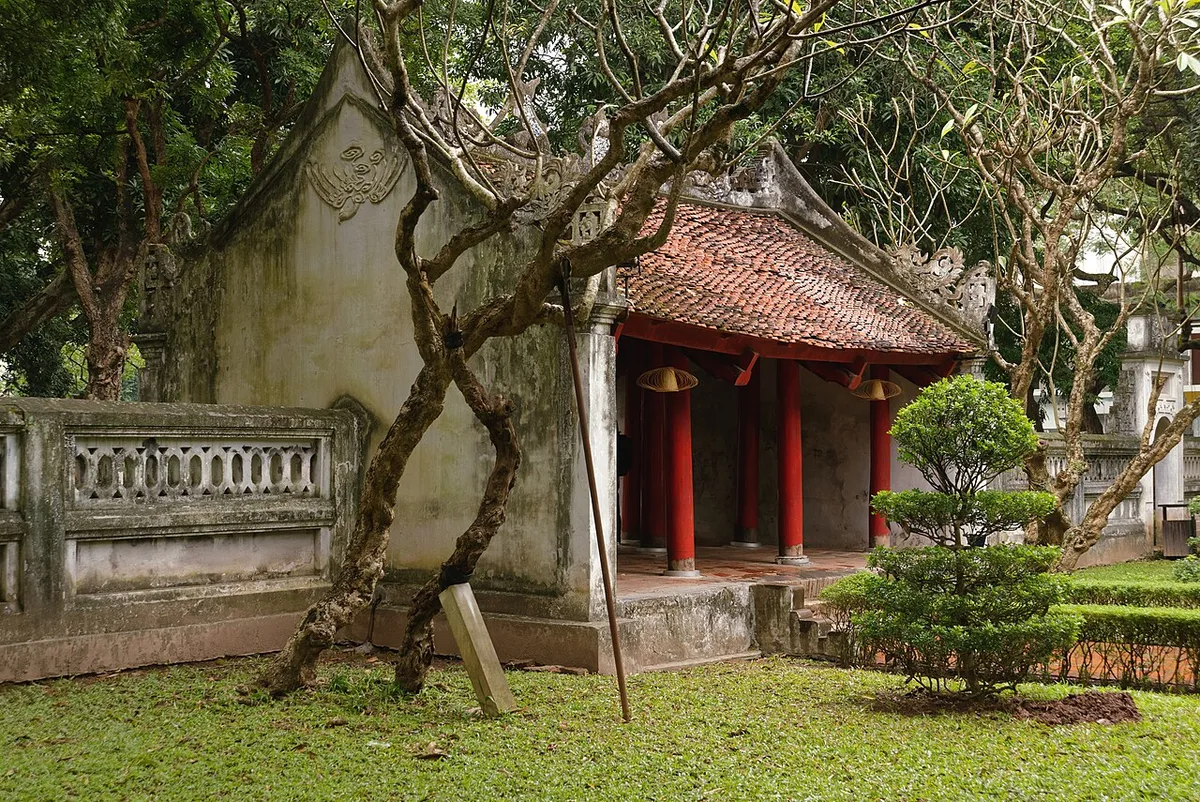
The Temple of Literature, built in 1070, is Hanoi's oldest university and a visually striking cultural landmark. A focused visit with a guide takes ninety minutes, covering courtyards, stone turtle monuments, and history without rushed logistics.
The Vietnamese Women's Museum tells powerful stories through exhibits arranged for quick but deep engagement. A one-hour visit feels complete, and the collection doesn't require a full-day commitment for meaningful impact.
Water puppetry shows run forty to fifty minutes and offer uniquely Vietnamese performance art. Tickets cost four to eight dollars, and afternoon shows typically have shorter queues than evening slots.
Parks, Gardens, and Outdoor Spots in Hanoi
Hoàn Kiếm Lake is the most accessible green space for layover travelers, surrounded by tree-lined paths and local joggers. The lake's east bank has quiet seating areas where you can reset your mind before heading back to the airport.
Botanical Gardens offer a peaceful retreat filled with native plants and rare tropical species. Entry costs around 30,000 Vietnamese Dong (roughly $1–2 USD), and a one-hour walk through the grounds resets your energy.
Thảo Cầm Zoo sits south of the city and covers 650 hectares, working better for longer layovers. A targeted visit focusing on specific animal areas keeps the experience manageable within tight time windows.
Family-Friendly and Budget-Friendly Options in Hanoi
Street food tours in the Old Quarter cost eight to fifteen dollars per person and deliver excellent value. A two-hour guided food walk introduces phở, bánh mì, egg coffee, and local dining culture without navigation stress.
Cycling tours through neighborhoods and nearby rice paddies cost fifteen to twenty-five dollars and work for comfortable riders. These tours cover twelve to fifteen kilometers at a relaxed pace, giving rural context without city chaos.
Markets like Dong Xuan or Hom Market are free to walk through and offer authentic Hanoi life. A guided market tour with a local costs ten to twenty dollars and removes haggling confusion.
Café culture in the Old Quarter is affordable and deeply social, with egg coffee and traditional coffee costing one to three dollars. Sitting for thirty minutes at a street café gives you a genuine local rhythm without scheduled tour logistics.
How to Plan a Smooth Hanoi Attractions Day
Start by subtracting airport time from your total layover: expect thirty to forty-five minutes through immigration. Add one to two hours for travel to the city center, then the same for the return trip.
Book transport in advance through your hotel, shuttle service, or private car. Relying on airport queues or rideshare apps risks unpredictable delays short layovers cannot absorb.
| Layover Length | Recommendation | Realistic City Time |
|---|---|---|
| Under 6 hours | Stay at airport; use lounges, rest pods, or massage | Not recommended to leave |
| 6-8 hours | Only leave with pre-booked transport and one specific stop | 90-120 minutes |
| 8-10 hours | Sweet spot; combine Hoàn Kiếm Lake and Old Quarter visits | 3-4 hours |
| 10+ hours | Fuller Hanoi experience without constant time pressure | 4+ hours |
Book your transport in advance—either a hotel shuttle, private car, or luggage storage service with transport included. Relying on airport queues or rideshare apps introduces unpredictable delays you cannot afford.
Pick one or two high-impact stops rather than cramming five attractions into three hours. A focused walk around Hoàn Kiếm Lake and the Old Quarter beats a rushed sprint through five temples that blur together.
Confirm opening hours on your travel day, as Hanoi attractions adjust for holidays or weather. A quick call to your hotel concierge ensures your planned stops are actually open and accessible.
Final Boarding Call: Make the Right Move for Your Hanoi Layover
The decision to leave Noi Bai Airport rests on four non-negotiable factors: visa eligibility, usable time, transfer time, and comfort with risk. If all four line up, leaving makes sense; if even one is shaky, staying inside the airport wins.
A layover does not create a special entry exemption. Confirm that your passport and travel document meet Vietnam's entry rules before planning to leave the international transit area.
Leaving the international transit area means formally entering Vietnam. Check Vietnam entry requirements, the official visa-exemption list, and any e-visa approval before flying; do not use the length of the layover as evidence that entry is permitted.
Under six hours: stay inside the terminal and use airport lounges, rest pods, or massage services. The stress of city transit, finding food, and rushing back outweighs any partial Hanoi benefit.
Six to eight hours: only leave if you have a pre-booked private car waiting and one specific one-hour stop planned. This window is tight and traffic-dependent, so proceed only if you can handle real uncertainty.
Eight to ten hours is the sweet spot, giving you three to four hours of realistic city time. Ten-plus hours opens the door to a fuller Hanoi experience without constant clock anxiety.
Getting to Know Noi Bai International Airport
Noi Bai International Airport sits in Sóc Sơn district, approximately 28 to 35 kilometers northeast of central Hanoi. The modern Nhật Tân Bridge has significantly cut travel time compared to older routes, now taking thirty-five to fifty minutes in normal traffic.
The airport operates two terminals: Terminal 1 for domestic flights and Terminal 2 for all international arrivals and departures. If you're flying out on another international carrier, you'll depart from Terminal 2, simplifying your ground logistics.
Vietnam Airlines is the national carrier and operates most hub flights from Noi Bai, including regional connections. Check your boarding pass to confirm your departure terminal well before your layover ends, as terminal reassignments occur during peak hours.
Ground transportation from Noi Bai includes taxis (300,000–400,000 Vietnamese Dong or twelve to sixteen dollars USD), Grab app cars, and public buses. For layover travelers, pre-booking a private car through your hotel eliminates queue uncertainty and saves critical time.
Quick Answer: Is a Hanoi Layover Tour Worth It
A Hanoi layover tour makes sense if your layover is eight hours or longer and your visa status is confirmed. Travelers on tighter layovers or with uncertain entry status are better served by staying inside the airport.
Private guided tours run fifty to one hundred twenty dollars per person for three to four hours. Group tours cost thirty to fifty dollars but add tour-group logistics that compress your actual city time.
Hanoi tours during layovers deliver real value through local guides who know current hours, traffic patterns, and stops that actually fit your timeline. A guide also handles language, tipping, and navigation, freeing your mind to enjoy instead of stress about logistics.
If you're traveling solo or uncomfortable navigating Vietnam alone, a tour is worth the cost. If you're experienced with Southeast Asia and comfortable improvising, a self-guided walk costs far less.
The Layover Decision: Why Hanoi Is Not an Automatic Yes
Hanoi pulls travelers in—the street food, the Old Quarter, the feeling that real life is happening outside. But a layover tour is not a regular trip, and that pull easily leads to poor timing.

The core issue is control: a vacation day offers flexibility, but a layover offers a fixed window. Immigration queues swing from twenty to ninety minutes; traffic can double your travel time during rain or peak hours; favorite shops close unexpectedly.
Hanoi is absolutely worth seeing, but only if your specific layover length, visa situation, and booked transport can handle it. If you're uncertain about any of those three factors, the airport's lounges, restaurants, and services are genuinely good for a few hours.
The key differentiator: do you have pre-arranged transport waiting and a specific one-to-three-hour plan? Winging it in Hanoi during a short layover turns adventure into countdown anxiety, and that's the real risk most travelers underestimate.
Facilities and Services at Noi Bai Airport
Terminal 2 offers free Wi-Fi, currency exchange counters, and charging stations throughout the building. Grab a local SIM card from vendors near the exit for data and calls during your time in the city.
Airport dining ranges from two-to-three-dollar street food style to twelve-to-twenty-dollar sit-down restaurants. The food is competently made and hits the mark, though central Hanoi restaurants offer better value at similar prices.
Nap pods and airport lounges are available for layover travelers, with day passes (ten to twenty dollars USD) providing quiet space, showers, and rest beds. If you're uncertain about leaving the airport, a lounge pass is a legitimate alternative to rushing into the city under pressure.
Pharmacy services, money changers, and convenience stores are distributed through both terminals. Luggage storage is available near both terminals if you want to travel light into the city, costing five to eight dollars USD per bag.
Calculate Your Usable Hanoi Layover Time
Work backward from your next flight rather than from your arrival time. For an international departure from Noi Bai Terminal 2, plan to be back at the airport about three hours before takeoff; allow roughly two hours for a domestic departure from Terminal 1. Add a separate traffic buffer, especially during weekday rush hours or heavy rain.
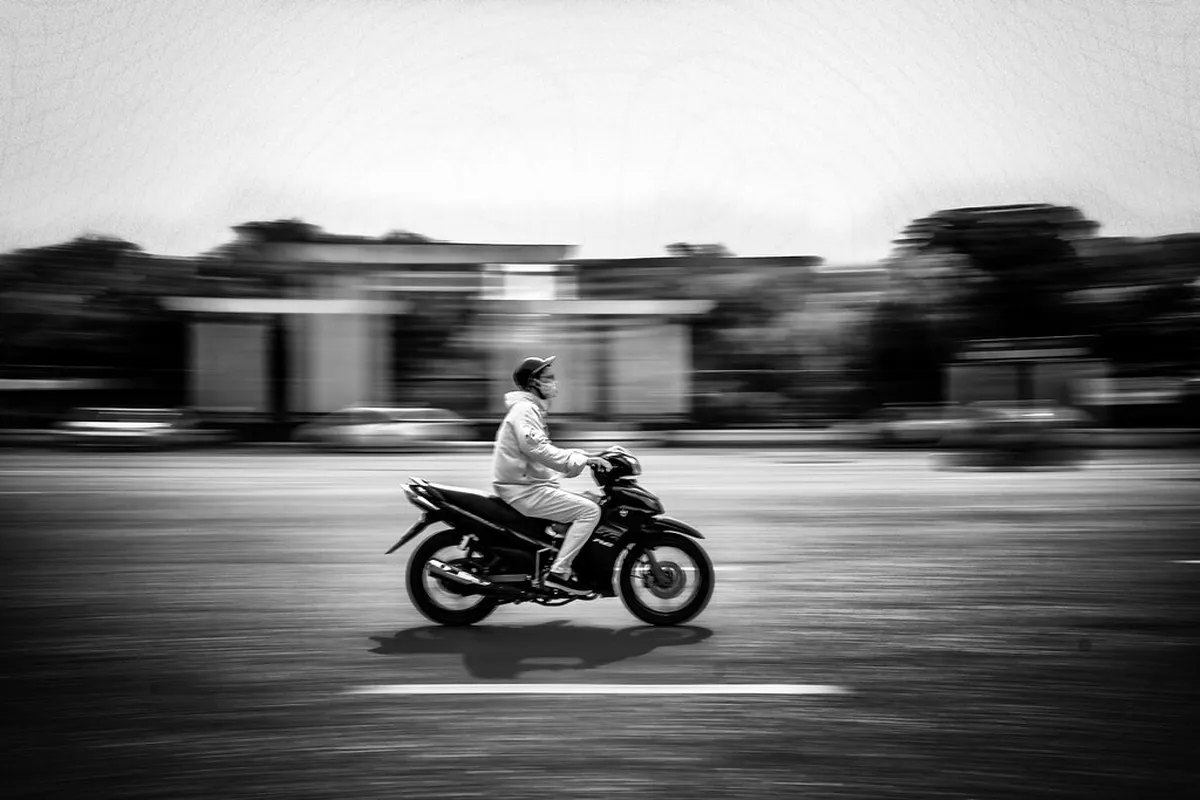
Then subtract arrival formalities, baggage collection or recheck time, and both journeys between Noi Bai and central Hanoi. The drive via Nhật Tân Bridge commonly takes 35–50 minutes each way in normal conditions, but delays can quickly erase a short sightseeing window. Passengers changing between Terminal 1 and Terminal 2 should also reserve time for the terminal transfer rather than treating the airport as a single building.
If the calculation leaves less than two hours in central Hanoi, choose one compact stop: a walk beside Hoàn Kiếm Lake, a meal in the Old Quarter, or coffee near St. Joseph’s Cathedral. With three to four usable hours, combine the lake and Old Quarter with one preselected attraction. Set a firm departure time and keep your driver’s contact details available.
Frequently Asked Questions
Can I leave Hanoi airport during my layover without a visa?
You may leave Noi Bai only if you independently meet Vietnam's entry requirements for your passport and travel document; a layover is not a special exemption. US, Canadian, and Australian passport holders generally need an appropriate visa such as an approved e-visa, while exemptions apply only to listed passports and conditions. If your entry permission is uncertain, stay airside and check the official Vietnamese sources before travel.
What is the best activity for a six-hour layover in Hanoi?
A six-hour layover is borderline and only worth leaving if you have a pre-booked private car waiting at arrivals. Your realistic city time after immigration and transport is roughly ninety to one hundred twenty minutes—barely enough for one meal or a quick walk around Hoàn Kiếm Lake. Staying inside the airport with a lounge pass or rest pod is often less stressful and more comfortable.
How much does ground transport from Noi Bai airport to Hanoi city cost?
Airport taxis cost 300,000–400,000 Vietnamese Dong (twelve to sixteen dollars USD) to central Hanoi and take thirty-five to fifty minutes depending on traffic. Grab app cars are similar in price and time. Hotel shuttles or pre-booked private cars run fifteen to twenty-five dollars but eliminate queue uncertainty. Public buses cost fifty cents to one dollar but are impractical for layover travelers with luggage and tight timelines.
What month should I avoid Hanoi for a layover?
Hanoi's weather is best in fall (October–November) and spring (March–April). Avoid May through September, when heat, humidity, and typhoons disrupt flights and multiply travel delays. Avoid December through February if you're sensitive to cold and drizzle. Heavy rain can double travel times on any day, so confirm weather before planning your city departure during any layover.
Should I book a Hanoi layover tour in advance or arrange it at the airport?
Book in advance. Tour operators at the airport are available but often overbooked during peak times, and prices are higher. Pre-booking through neighborhood guides or tour companies ensures your guide is confirmed, reduces stress, and often costs less. Most tour companies allow last-minute cancellation if you decide to stay airside.
A Hanoi layover works best when three conditions align: a layover of eight-plus hours, confirmed visa eligibility, and pre-arranged transport. If all three line up, you can steal a genuine Hanoi experience—coffee, temples, street food, and the city's unmistakable pulse.
If even one condition is shaky, the airport offers legitimate lounges, food, and rest options that eliminate stress. The smartest layover decision isn't always the one that feels most adventurous; it's the one that lets you land on your next flight calm and ready.
Take the route offline
Free: the Hanoi route notes
Where to base yourself and what it costs, a day-by-day route that avoids backtracking, real transfer times and fares, seasonal timing, and where it connects onward — condensed from our Hanoi guides and made to take offline.
Keep unfolding Vietnam
Continue along the route
Three nearby guides for the next decision in your trip.