

Photo: Mike Hauser via Flickr (CC BY 2.0)
Hanoi Markets Guide: Your 2026 Shopping Handbook
Discover Hanoi's best markets with our guide: top picks, neighborhood context, opening hours, tips, and practical advice for smooth shopping.
On this page
Hanoi's markets pulse with energy, tradition, and authentic street life. Visitors exploring the city's covered markets and street stalls discover local culture, handmade goods, and affordable meals. Whether you're browsing silks in Dong Xuan or sampling phở at a night market stall, Hanoi's markets offer experiences beyond typical tourism. Last updated July 2026.
Key Takeaways
- Hanoi's markets pulse with energy, tradition, and authentic street life.
- Visitors exploring the city's covered markets and street stalls discover local culture, handmade goods, and affordable meals.
- Whether you're browsing silks in Dong Xuan or sampling phở at a night market stall, Hanoi's markets offer experiences beyond typical tourism.
Take the route offline
Free: the Hanoi route notes
Where to base yourself and what it costs, a day-by-day route that avoids backtracking, real transfer times and fares, seasonal timing, and where it connects onward — condensed from our Hanoi guides and made to take offline.
Dong Xuan Day Market
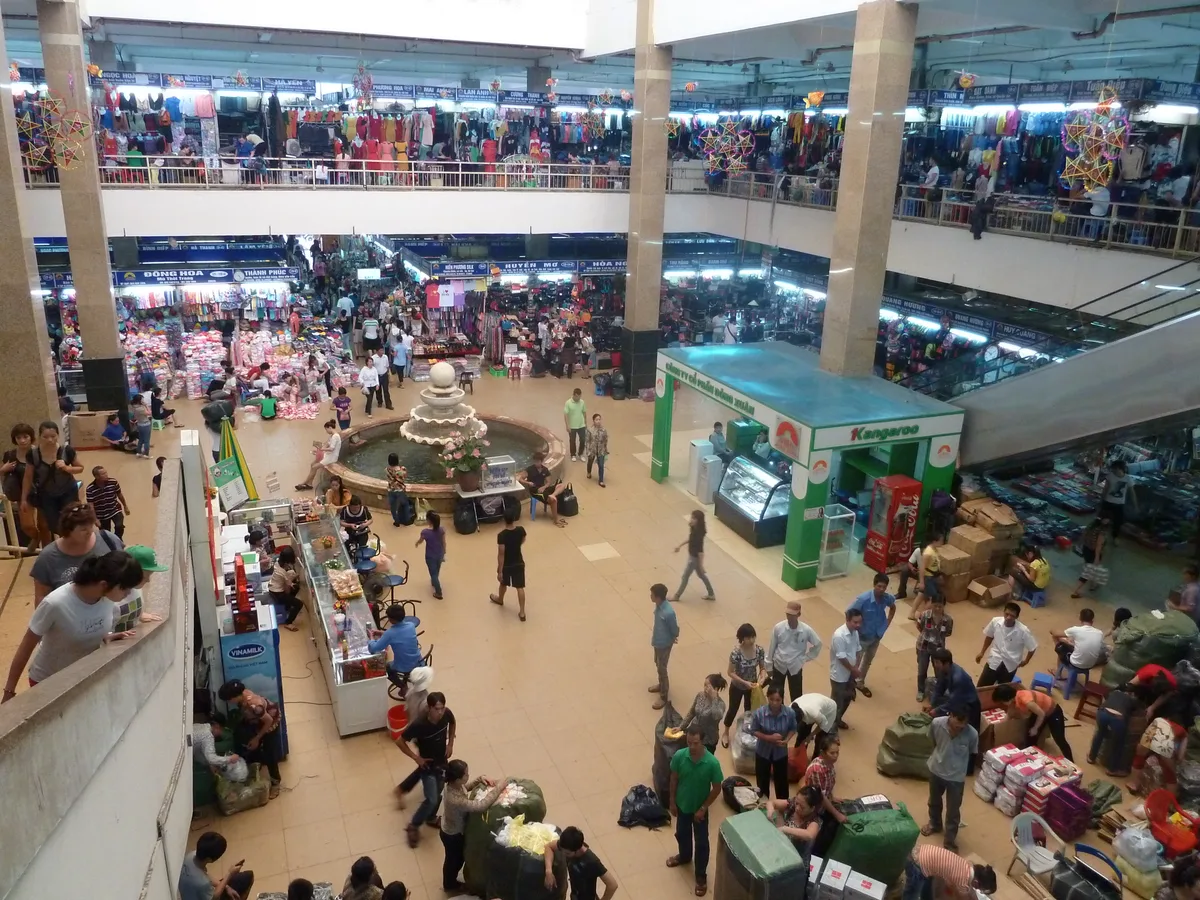
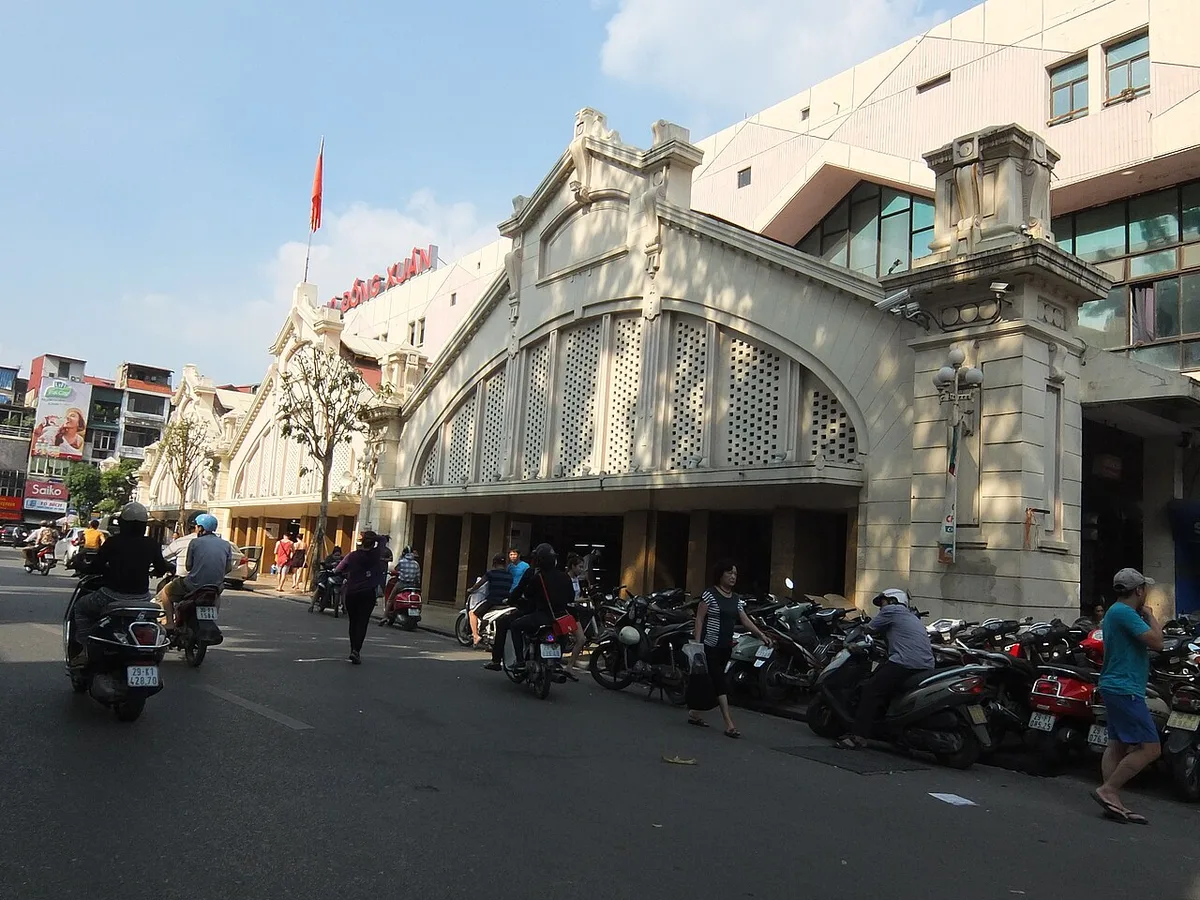
Dong Xuan Market is Hanoi's largest covered marketplace and most-visited shopping destination. Located in the Old Quarter's Hoan Kiem District at 14 Dong Xuan Street, the 3-floor structure spans over 6,500 square meters. Built in 1904 and repeatedly renovated for modern safety, the market operates from 8:00 am to 8:00 pm daily.
The ground floor showcases clothing, shoes, and accessories from various vendors. Electronics, chargers, and cable devices cluster together, mostly imported from China. Sunglasses and belts fill remaining stall space, creating a maze of merchandise.
Floors two and three serve specific merchandise categories clearly. The second floor focuses on fabrics, silk, and wholesale clothing for adults. The third floor carries baby products and children's clothing exclusively, serving both retail and wholesale buyers.
Shopping at Dong Xuan requires patience and bargaining skill. Visit early morning or after 5 pm for fewer crowds and better negotiating power. Bring small bills, as many vendors don't carry change for larger transactions.
History of Dong Xuan Market
Dong Xuan Market began as a small riverside trading post in the mudflats of the To Lich and Red rivers. During French colonial rule in 1890, Vietnamese merchants were relocated from scattered locations into a formal market area. The convenient river access made Dong Xuan Hanoi's largest trading hub within decades.
The market witnessed pivotal moments in Vietnamese history. On February 14, 1947, the site became a battleground as Hanoi's militia fought French colonialism. A bronze relief commemorates this event with a sculpture standing 5.7 meters tall and weighing 7 tons inside the market today.
Modern threats reshaped the market's physical structure significantly. A devastating fire in 1997 damaged the entire building, requiring major reconstruction. Today's version retains the traditional design but includes modern fire exits and safety equipment throughout all three floors.
Hanoi Night Market
Hanoi's Night Market emerges Friday through Sunday as a separate shopping experience from daytime. The market stretches approximately 3 kilometers from Hang Dao Street to Dong Xuan Market through multiple Old Quarter streets. This outdoor market hosts nearly 4,000 stalls selling diverse goods and street food.
Evening shopping offers a completely different atmosphere than crowded daytime hours. Stalls overflow with clothing, bags, backpacks, belts, and household decorations. Souvenir hunters find unique artwork, trinkets, and handmade items unavailable during the day.
Cultural performances add unique entertainment value on Saturday evenings. Traditional Vietnamese art forms like "Cheo," "Quan Ho," and "Ca Tru" singing showcase local talent. Many visitors linger specifically to catch the live shows, social atmosphere, and food stalls.
Must-Try Street Eateries Around Dong Xuan Market
Food vendors cluster around Dong Xuan's perimeter, offering authentic Hanoi dishes. Phở vendors open early mornings and evening shifts near Hang Giay Street. Prices range from 25,000 to 44,000 Vietnamese Dong per serving in 2026.
Specialty dishes reflect regional Hanoi traditions not easily found elsewhere. Bun rieu (crab paste noodles) appears at several permanent stalls on market edges. Nom bo kho (beef jerky salad) offers a lighter option for midday shopping.
Timing your visit around meals maximizes both dining and shopping efficiency. Morning visits pair perfectly with steaming bowls of phở before crowds arrive. Close your visit before 5 pm to catch vendors before they pack up daily merchandise.
- Bun Cha (Grilled Pork with Noodles)
- Type: grilled pork noodle dish
- Best for: lunch or dinner
- Location: Hang Giay Street vendors
- Cost: 25,000-35,000 VND
- Pho (Beef Noodle Soup)
- Type: aromatic beef broth noodles
- Best for: breakfast and mornings
- Location: Hang Giay Street stalls
- Cost: 28,000-40,000 VND
- Nom Bo Kho (Beef Jerky Salad)
- Type: fresh vegetable salad
- Best for: lighter lunch option
- Location: scattered market stalls
- Cost: 30,000-40,000 VND
- Chao Suon (Pork Rib Porridge)
- Type: warm rice porridge
- Best for: breakfast or cold weather
- Location: morning vendor spots
- Cost: 25,000-30,000 VND
Hoang Hoa Tham Antique Market
Hoang Hoa Tham Street hosts a specialized market for vintage collectors and unique shoppers. This market attracts antique dealers, rare book sellers, and vintage furniture enthusiasts. Unlike Dong Xuan's mainstream goods, Hoang Hoa Tham focuses on collectibles and historical items.
Weekend visits provide the best shopping experiences and vendor availability. Antique dealers arrange displays of old coins, stamps, and memorabilia on weekends. Vintage clothing, retro advertisements, and traditional crafts occupy prominent stall positions.
The location benefits visitors exploring the broader Hanoi Old Quarter experience. Walking from Dong Xuan to Hoang Hoa Tham takes approximately 10-15 minutes through residential streets. Evening strolls toward this market connect nicely with nearby dining and entertainment options.
Cho Troi Heaven Market
Cho Troi, meaning "Heaven Market," serves Hanoi's local residents with fresh daily goods. Unlike Dong Xuan's tourist focus, this neighborhood market prioritizes produce, meat, and staple items. Located away from tourist centers, the market maintains an authentically local atmosphere.
Morning hours offer the freshest selection and most relaxed shopping experience. Vegetable vendors arrange vibrant displays of local produce starting before dawn. Meat and fish stalls open early, catering to cooks preparing lunch and dinner.
Visiting Cho Troi provides cultural immersion beyond typical tourist markets. You'll observe how Hanoi residents actually shop for daily meals and household goods. Interactions with vendors happen in a slower, more neighborly context than Dong Xuan.
Long Bien Wholesale Market
Long Bien Wholesale Market serves traders and bulk buyers rather than casual tourists. The market specializes in large quantities of goods for retail resellers and restaurant owners. Operating patterns differ dramatically from day and night market rhythms and tourist hours.
Clothing and household goods dominate Long Bien's wholesale inventory. Visitors observe business-to-business transactions rather than typical tourist shopping. Minimum purchase quantities often apply, making casual browsing impractical for individuals.
The experience differs fundamentally from retail market expectations and comfort levels. Negotiation happens at scale with established business relationships and volume pricing. Early breakfast nearby helps time your arrival right if curious about wholesale logistics.
Local Tips For Visiting Dong Xuan Market
Timing your visit strategically improves comfort and bargaining outcomes significantly. Early morning (6:00-8:00 am) offers fewer crowds and fresher negotiations with vendors. Late afternoon (after 5:00 pm) works well for evening shoppers avoiding midday rush.
Haggling is completely normal and expected at Dong Xuan. Start 30-40% below asking price for most goods. Smile, be friendly, and show genuine interest before discussing prices. Vendors appreciate respectful engagement over aggressive demands.
Visit early morning (6:00-8:00 am) or after 5:00 pm to avoid peak crowds and negotiate better prices. Avoid midday hours between 10:00 am and 3:00 pm when tour groups flood the aisles, and bring small bills as vendors rarely carry change for large transactions.
Practical preparation ensures smooth and safe market experiences for all visitors. Bring primarily small bills and coins; vendors rarely carry large change for transactions. Leave valuables like expensive cameras and jewelry at your hotel for security.
Cultural respect shapes successful vendor interactions and better deals. Haggling is expected and normal at Dong Xuan, but aggressive bargaining offends vendors. Smile and engage vendors in friendly conversation before discussing prices or discounts.
Navigation and safety require basic preparation before exploring market areas. Street names shift between Dong Xuan, Hang Ngang, and Hang Dao as you walk. Getting to the Old Quarter from Noi Bai Airport takes 45-60 minutes by taxi or bus.
Nearby Attractions Around Dong Xuan Market
Dong Xuan Market fits naturally into a walking route through Hanoi’s Old Quarter. From the market’s eastern side, continue to the arched Ô Quan Chưởng gate on Hàng Chiếu Street, one of the city’s few surviving historic gateways. Nearby, Bạch Mã Temple on Hàng Buồm is among Hanoi’s oldest temples; visitors should dress respectfully and avoid interrupting worship.
For food and street life, walk south through Hàng Đường, Hàng Ngang, and Hàng Đào toward Hoàn Kiếm Lake. This route follows the core weekend night-market corridor, although merchandise stalls operate mainly on Friday, Saturday, and Sunday evenings. At the lake’s northeastern edge, the Thăng Long Water Puppet Theatre presents traditional water-puppetry performances, making it a practical indoor stop during rain or midday heat.
Long Biên Bridge is another worthwhile extension for travelers interested in architecture and Red River views. Use the designated pedestrian or motorbike lane, remain alert to traffic, and avoid stopping where the passage narrows. Allow extra time rather than combining every sight with a rushed market visit.
Official Planning Checks Before You Go
Use the official Vietnam Tourism Ha Noi guide for destination context and the Vietnam Tourism trip-planning portal for a second official baseline. Recheck any opening hour, fare, timetable, closure, access rule, weather risk, or booking condition with the responsible operator shortly before travel; an official destination overview is not a live inventory or service guarantee.
Frequently Asked Questions
Which market in Hanoi is best for shopping and experiencing local culture?
Dong Xuan Market is Hanoi's largest and most comprehensive shopping destination with 6,500+ square meters across three floors. The 8:00 am to 8:00 pm daily schedule serves both retail shoppers and bulk buyers. For cultural immersion, the weekend Night Market (Friday-Sunday) offers live performances, 4,000+ stalls, and authentic street food along a 3-kilometer route through Old Quarter streets. Choose Dong Xuan for serious shopping and Night Market for atmosphere and entertainment.
What are typical prices and what should I buy at Hanoi markets?
Street food near Dong Xuan costs 25,000-44,000 Vietnamese Dong (approximately $1-2 USD) per dish in 2026. Clothing and souvenirs start at 50,000 VND with significant room for negotiation. Antique items at Hoang Hoa Tham range from 100,000-1,000,000+ VND depending on rarity. Buy textiles, silk, handmade crafts, and traditional art rather than mass-produced electronics. Unique souvenirs appeal to families and travelers seeking authentic Vietnamese goods over generic tourist trinkets.
What is the best time to visit Hanoi's markets without overwhelming crowds?
Early mornings between 6:00 am and 8:00 am offer the best crowd-free experience at Dong Xuan. Late afternoons after 5:00 pm work well for evening shoppers avoiding peak hours. Avoid visiting between 10:00 am and 3:00 pm when tour groups crowd the aisles. Rainy seasons (May-September) bring lighter crowds than October-April. Weekday visits generally feel less hectic than weekends, especially for the Night Market experience.
How do I get to Dong Xuan Market from Hanoi's central areas?
Walking from Hoan Kiem Lake area takes approximately 10-15 minutes to Cau Dong Street entrance. Electric cars loop around the lake and drop passengers at market gates. Buses 31, 14, 14CT, 18, 22A, and 23 stop near market entrances. Taxis offer direct routes from most central Hanoi neighborhoods within 20 minutes. The Old Quarter location connects easily to major attractions on foot or by transit.
Is haggling expected at Hanoi markets and how do I negotiate respectfully?
Haggling is completely normal and expected at Dong Xuan and all Hanoi markets. Starting at 30-40% below the asking price is reasonable for most goods. Smile, be friendly, and show genuine interest before discussing prices. Vendors appreciate customers who engage respectfully rather than demanding discounts aggressively. Success depends more on attitude than negotiation tactics; respectful bargaining often yields better deals and vendor recommendations for future visits.
Hanoi's markets reveal the pulse of Vietnamese city life beyond tourist highlights. From Dong Xuan's massive covered marketplace to the Night Market's vibrant street stalls, each venue offers distinct experiences and shopping opportunities. Choosing the right market for your interests and timing your visit strategically ensures comfortable, rewarding visits. Armed with practical tips and knowledge, you'll navigate each market like a local and build lasting memories.
You'll return home with authentic Vietnamese souvenirs that reflect real Hanoi market culture. Each market serves a different purpose and traveler profile—your choice shapes the entire Hanoi shopping experience.
Take the route offline
Free: the Hanoi route notes
Where to base yourself and what it costs, a day-by-day route that avoids backtracking, real transfer times and fares, seasonal timing, and where it connects onward — condensed from our Hanoi guides and made to take offline.
Keep unfolding Vietnam
Continue along the route
Three nearby guides for the next decision in your trip.


