
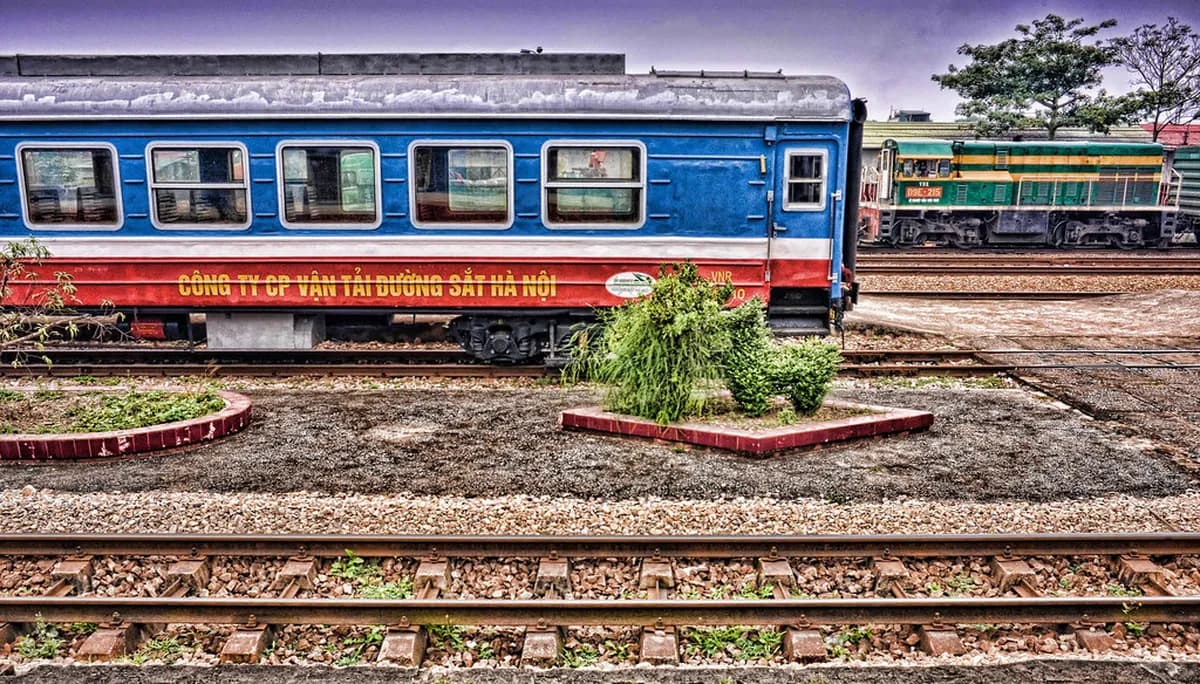
Hanoi Train Station Guide Travel Guide
Expert Hanoi train station guide covering train times, tickets, getting there, station layout, and local tips for first-time and returning travelers.
On this page
Hanoi Railway Station connects Vietnam's vibrant capital to destinations across the country. But the real draw for many visitors is Train Street, the narrow railway alley directly outside Station A. This pedestrian corridor has become one of Hanoi's most photographed attractions, welcoming thousands daily.
Train Street has undergone significant changes since authorities closed it in 2019. Today, access is managed through café patrons, and visitors experience trains passing mere feet away. The site holds a complex history worth understanding before your visit.
This guide covers everything essential for first-time and returning visitors to the station. You'll find train schedules, ticket buying details, transportation options, station navigation, practical tips, and nearby attractions. Last updated July 2026.
Key Takeaways
- Hanoi Railway Station connects Vietnam's vibrant capital to destinations across the country.
- But the real draw for many visitors is Train Street , the narrow railway alley directly outside Station A.
- This pedestrian corridor has become one of Hanoi's most photographed attractions, welcoming thousands daily.
- Train Street has undergone significant changes since authorities closed it in 2019.
Take the route offline
Free: the Hanoi route notes
Where to base yourself and what it costs, a day-by-day route that avoids backtracking, real transfer times and fares, seasonal timing, and where it connects onward — condensed from our Hanoi guides and made to take offline.
Train Street: Hanoi's Most Famous Railway Attraction
Train Street stretches along an active railway line in Hanoi's Old Quarter. The narrow pathway, just meters wide, has dozens of small cafés built directly against the railway tracks. When trains pass several times daily, the entire street shakes and diesel scent fills the air.
What makes Train Street remarkable is the unusual proximity to active railway operations. Most visitors come to photograph trains passing mere feet from café tables. Spending time in a local shop café with a cold drink or Vietnamese coffee is equally popular.
The street's global popularity exploded after social media made it famous around 2015. What was once an overlooked neighborhood became one of Hanoi's top tourist draws. This rapid transformation brought both economic opportunity and tension for locals who depend on train-street commerce.
Train Street's dark past includes wartime history and postcolonial development challenges. Understanding this context helps visitors appreciate why the site matters beyond Instagram aesthetics. Local guides and café owners can share stories that enrich your visit considerably.
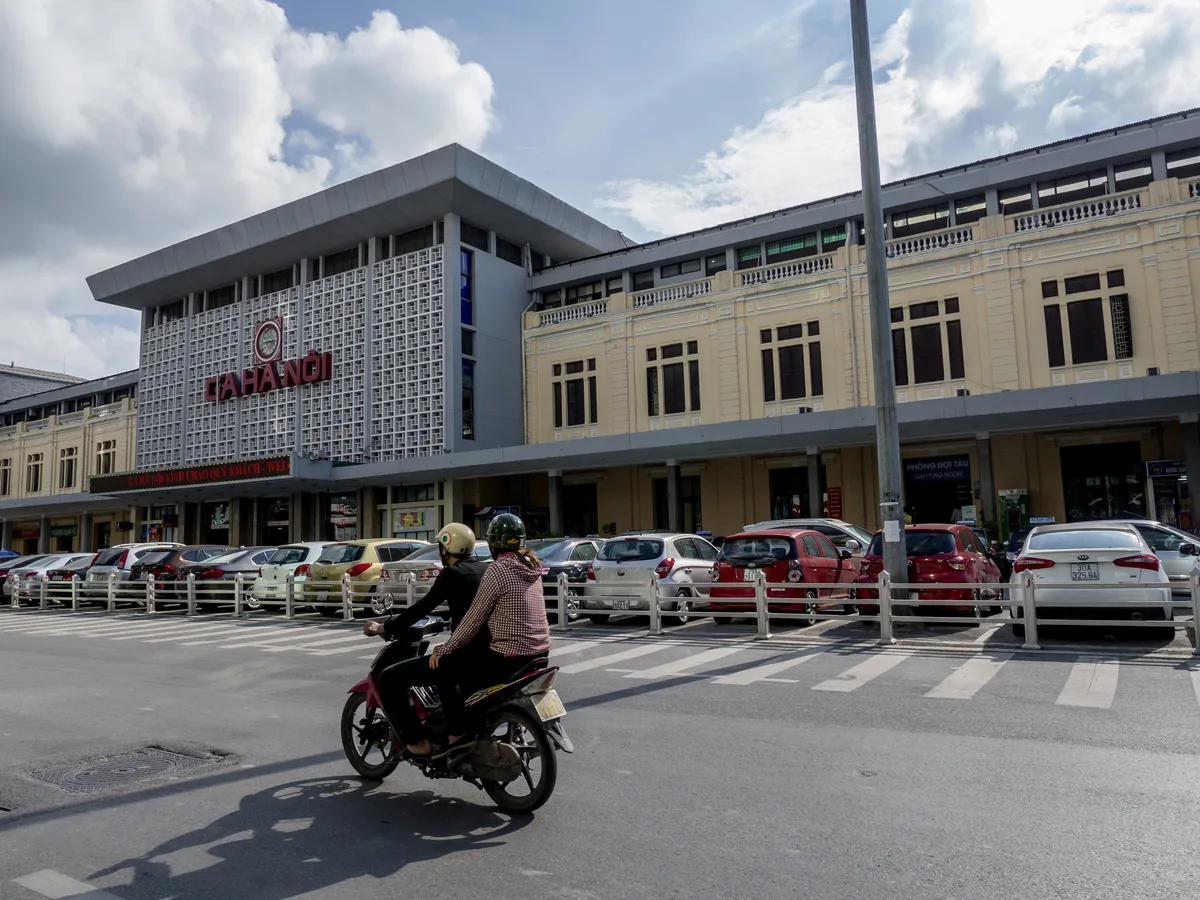
Hanoi Train Street Schedule & Best Times to Visit
Train movements and public access around Hanoi Train Street can change without notice. Do not plan around a copied online timetable: check locally on the day, follow barriers and police instructions, and never stand on the track.
Train times frequently change or include unannounced departures. The most reliable approach is always asking café owners upon arrival, as they track same-day schedule changes.
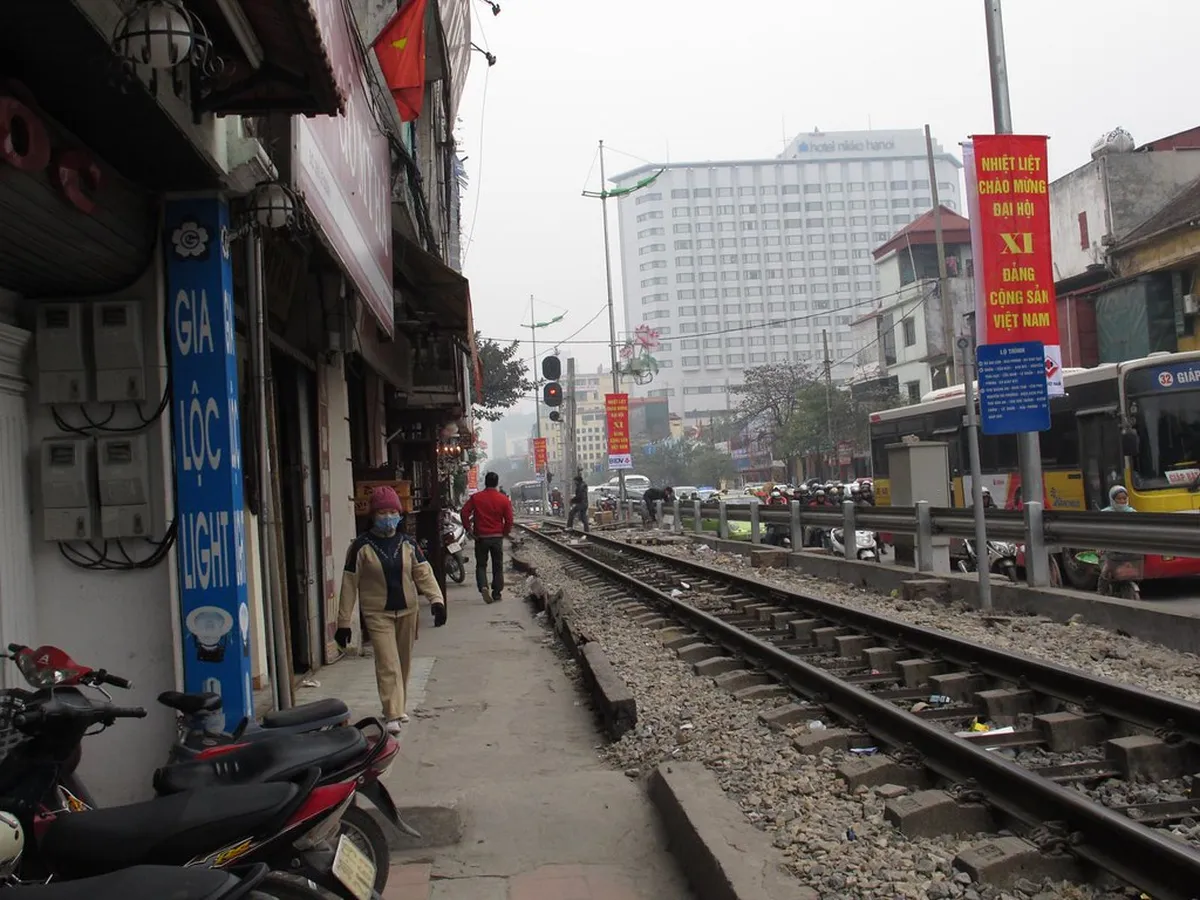
Train times are published but frequently change or add unannounced departures. The most reliable approach is asking café owners upon arrival, as they know same-day schedule changes. Many visitors wait 30–60 minutes before scheduled passes to secure good café seating.
If you visit alternative locations north or south of the main street, adjust times by 10 minutes. Day visits offer better natural lighting for photography but attract larger crowds. This thoughtful post explores how Instagram transformed the visitor experience over recent years.
Weekends are significantly busier, with standing-room-only conditions at popular cafés. Weekday evenings offer a quieter experience but require comfort with nighttime photography and dim lighting. Budget at least 2–3 hours for a full Train Street experience including multiple drinks.
Getting to Hanoi Railway Station
From Noi Bai International Airport, the station is roughly 45–60 minutes away by taxi. Taxi fares typically run $25–28 USD; booking through Grab app usually costs less and avoids meter-running risks. Bus Route 86 links the airport with central Hanoi, but its fare, operating window, and frequency should be checked against the live route information.
From Hanoi Old Quarter, a taxi ride to Train Street takes approximately 15 minutes and costs $4–5 USD. Walking is also possible: head south on Lê Duẩn for 1.9 kilometers, which takes about 20 minutes. The walk works well if you're traveling light; luggage makes the journey uncomfortable.
| Route | Transportation | Duration | Cost |
|---|---|---|---|
| Airport to Station | Taxi | 45-60 min | $25-28 USD |
| Airport to Station | Grab app | 45-60 min | Less than taxi |
| Airport to Station | Bus Route 86 | 45-60 min | $2 USD |
| Old Quarter to Station | Taxi | 15 min | $4-5 USD |
| Old Quarter to Station | Walking | 20 min | Free |
| Old Quarter to Station | Bus (Routes 1, 32, 34) | Variable | Inexpensive |
Bus routes 1, 32, and 34 serve Hanoi Railway Station directly if you prefer public transit. Buses are inexpensive but can be crowded during peak hours (7–9 AM, 5–7 PM). Hanoi traffic is notoriously unpredictable, so add 30–45 minutes to your travel time before any train departure.
Station Layout: Navigating Station A & B
Hanoi Railway Station comprises two functional sections: Station A and Station B. Station A is the main passenger terminal where most visitors conduct ticket transactions and catch trains. Station B handles freight and older railway operations, relevant mainly to train enthusiasts or heritage tourists.
Station A features multiple ticket windows arranged by destination and train class. Window #2 is designated for international travelers and staffed with English-speaking personnel. Peak ticket-buying hours are 7:30 AM–12:00 PM and 1:30 PM–7:30 PM on weekdays.
The ground floor holds luggage storage lockers costing 50,000 VND per 4 hours. Automated lockers suit day trips, but longer stays are better served by hotel storage. Train Street's main entrance is positioned just outside Station A's south exit, a 2-minute walk.
Ticketing: Buying Tickets & Office Hours
Purchasing tickets at Hanoi Railway Station is straightforward for domestic travel. Station A offers nine ticket windows plus one international window with English-speaking staff. Arrive during off-peak hours (12:00 PM–1:30 PM or after 7:30 PM) for shorter queues.
Overnight sleeper berths are popular, especially on routes to Ho Chi Minh City and Hue. These bookings should be reserved 3–7 days in advance, particularly June through August. Walk-up availability increases during off-season months (September–May).
Online booking through official Vietnamese Railways websites speeds up the process. Print your confirmation and bring identification to collect your physical ticket. Children under 5 travel free; ages 5–10 receive 50% discounts on most routes.
Luggage lockers on the ground floor cost 50,000 VND per 4-hour block. For multi-day stays, arrange hotel storage instead as locker space is limited. Keep your locker key secure; replacement fees apply for lost keys.
Insider Tips & Hidden Spots
Hanoi traffic is famously unpredictable, so budget 30–45 extra minutes before your train departs. Peak rush hours (7–9 AM, 5–7 PM) can double normal travel times. Arriving overly early gives you buffer time to handle unexpected delays.
Fatal accidents have occurred when visitors ignored warnings or took reckless positions. Stay in designated café areas and defer to café staff for safe positioning guidance.
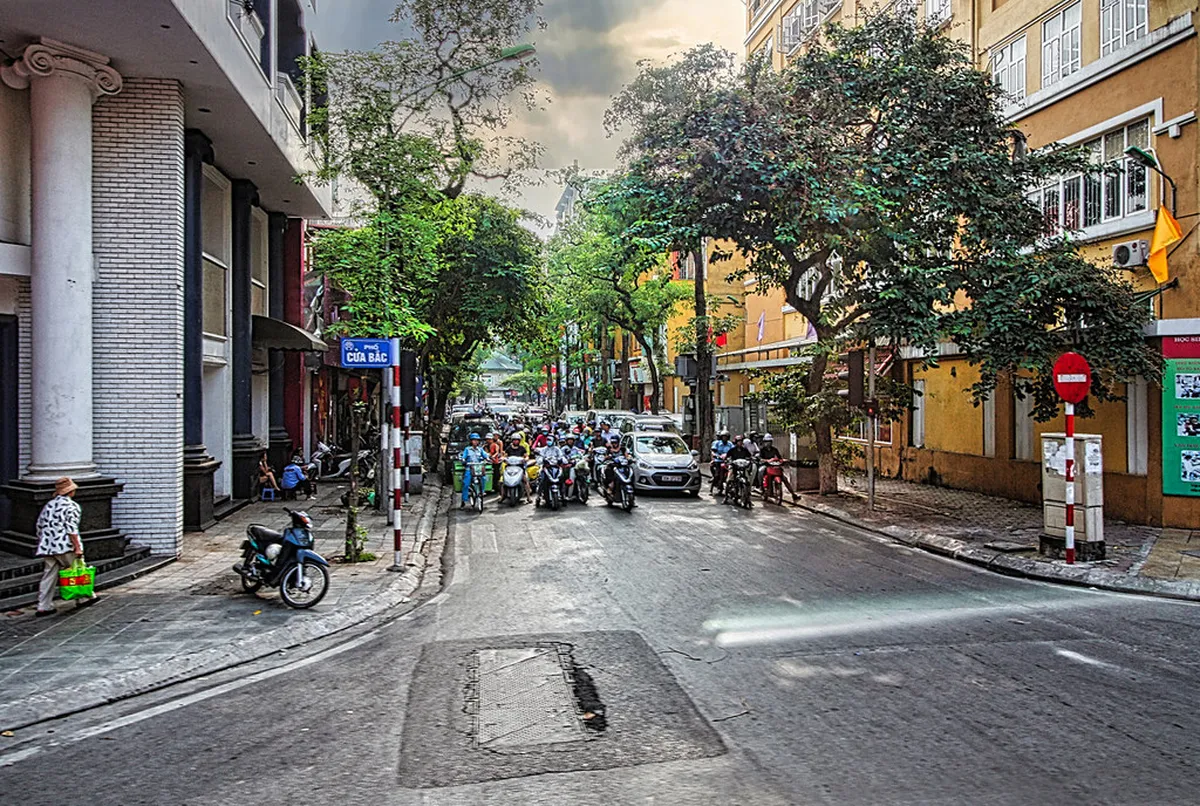
At Train Street, cafés located at the bend in the tracks offer superior photo angles. Ga Dong Duong Café and 28 Train Street are consistently recommended for their vantage points. First-floor seating provides ground-level views; upper-floor tables give elevated perspectives.
Shop café drinks cost approximately 30,000 VND (about $1–2 USD) for beer or soft drinks. This spending is expected, as locals depend on tourist purchases for their livelihood. Ordering a drink grants access to the café and the street; sitting without purchasing is discouraged.
Train Street safety requires respectful adherence to café staff guidance and clear track distance. Fatal accidents have occurred when visitors ignored warnings or took reckless positions. Stay in designated café areas and defer to staff if you're unsure about safe positioning.
Exploring Nearby Gems in the Old Quarter
Hanoi's Old Quarter surrounds Train Street and offers dozens of shopping, dining, and cultural experiences. The neighborhood's maze of 36 narrow streets (named for the goods historically sold there) stretches south from Station A. Walking south on Lê Duẩn for 20 minutes brings you deeper into the Old Quarter's heart.
Markets clustered throughout the area sell everything from spices and textiles to souvenirs and antiques. Street food vendors offer authentic local meals at budget prices ($1–3 USD). Many visitors combine Train Street with Old Quarter exploration for a comprehensive Hanoi experience.
Plan 2–4 hours for a combined Train Street and Old Quarter itinerary. Spend 60–90 minutes at Train Street (including travel time and waiting for trains). Dedicate 1–3 hours to Old Quarter wandering, eating, and shopping.
Evening visits to Train Street can be combined with Hanoi's nightlife in nearby areas. Late-night street food tours often depart from Old Quarter hotels and include Train Street stops. This timing works well if you prefer avoiding daytime crowds.
Trains & Destinations from Hanoi
Hanoi Railway Station serves as Vietnam's primary hub for long-distance rail travel. Major routes connect to Ho Chi Minh City (overnight sleeper, ~30 hours), Hue (night trains, ~14 hours), and Da Nang (daytime routes, ~16 hours). Slower trains serve smaller regional towns and offer budget-friendly alternatives.
Sleeper berths come in soft-class (4–6 beds per compartment) and hard-class (6–8 beds) configurations. Soft-class offers better privacy and amenities; hard-class provides an authentic local experience. Overnight trains depart between 6:00 PM and 9:00 PM, arriving early morning at destinations.
Booking ahead secures better berth locations and seating preferences. June through August peak season fares rise 20–30%; book 3–7 days in advance. Off-season (September–May) allows more flexible booking, often just 1–2 days prior.
Fares for regional trips typically range from $15–50 USD depending on distance and class. Overnight sleepers to southern destinations run $40–80 USD for soft-class berths. Senior and student discounts apply; bring identification for verification.
Facilities and Services Before Boarding
Hanoi Railway Station has basic facilities rather than an airport-style departure hall, so complete important errands before boarding. Station A, at 120 Lê Duẩn, contains the main ticket counters, indoor waiting areas, toilets, small food and drink kiosks, and luggage storage. ATMs and convenience stores are also available along Lê Duẩn and nearby Trần Hưng Đạo, but passengers should carry some Vietnamese đồng because smaller vendors may not accept cards.

Food choices inside the station are limited. For a longer journey, buy water, fruit, bánh mì, or packaged snacks before entering the platform area; shops and cafés are concentrated outside the Lê Duẩn entrance. Charge phones and power banks at your hotel because access to electrical outlets in public waiting areas can be inconsistent.
Platform information may change close to departure. Check the electronic display, listen for announcements, and show your ticket to railway staff if the train number or carriage location is unclear. Keep identification and the ticket readily accessible, and arrive at least 30 minutes early to locate the correct platform and carriage without rushing.
Frequently Asked Questions
Is Hanoi train street open in 2026?
Access to Hanoi Train Street is controlled and can close without notice; there is no reliable evergreen open status. Check locally on the day, follow barriers and police or railway instructions, and never enter the track area merely because a café or guide invites you.
What time does the train pass on Hanoi Train Street?
There is no dependable evergreen Train Street timetable: rail movements, access controls, and viewing areas can change without notice. Check locally on the day, obey police and railway staff, remain behind barriers, and leave if access is restricted. Never enter or remain on the track to wait for a train.
How much does it cost to visit Hanoi train street or take the train?
Visiting Train Street itself is free—you pay only for café drinks, which cost around 30,000 VND ($1–2 USD) per item. Rail travel from Hanoi varies by destination and class. Regional trips cost $15–50 USD; overnight sleepers to southern cities run $40–80 USD per berth. Budget $4–5 USD for a taxi to Train Street from the Old Quarter, or $2 USD for a public bus. Luggage storage at the station costs 50,000 VND per 4 hours.
What's the best way to get to Hanoi Railway Station from the airport?
From Noi Bai International Airport, three options reach the station in 45–60 minutes. Taxi costs $25–28 USD (book via Grab app to avoid meter-running risks and often pay less). Public Bus Route 86 serves central Hanoi, but check its current fare, operating window, and stop before travel. From the Old Quarter, taxi takes 15 minutes for $4–5 USD, or walk 1.9 km south on Lê Duẩn in about 20 minutes if traveling light. Always add 30–45 minutes for Hanoi traffic unpredictability.
Should you visit Train Street during the day or night?
Both times offer distinct advantages. Daytime visits (weekends offer more trains) provide natural lighting for photography and lighter foot traffic than evenings. Night visits feature larger crowds, more atmospheric lighting, and Hanoi 1990s-style charm but require accepting dimmer conditions for photos. Weekday evenings are quieter than weekends. Budget 2–3 hours total for the full Train Street experience, including café time and waiting for trains to pass.
Hanoi Railway Station and Train Street together form one of Vietnam's most distinctive attractions. The station is a practical gateway for rail travel across the country. Train Street offers a unique cultural experience that balances tourism with local community livelihood.
Planning your visit with accurate schedules, safety awareness, and cultural sensitivity enhances the experience. Combining Train Street with Old Quarter exploration creates a complete Hanoi itinerary. Respect for local rules and café owners ensures this attraction remains welcoming for future travelers.
Whether you're catching a train or simply experiencing the remarkable spectacle of Train Street, careful preparation pays off. Arrive early to manage traffic, ask locals for timing updates, and immerse yourself in Hanoi's layered history. This guide equips you for a memorable, safe, and respectful visit.
Take the route offline
Free: the Hanoi route notes
Where to base yourself and what it costs, a day-by-day route that avoids backtracking, real transfer times and fares, seasonal timing, and where it connects onward — condensed from our Hanoi guides and made to take offline.
Keep unfolding Vietnam
Continue along the route
Three nearby guides for the next decision in your trip.


