

Photo: Prof. Mortel via Flickr (CC BY 2.0)
Northern vs Central vs Southern Vietnam Guide
Comparing Northern vs Central vs Southern Vietnam? Compare costs, timing, and honest picks for each region before you book your Vietnam trip in 2026.
On this page
Northern vs Central vs Southern Vietnam is the first big decision every visitor faces. The country stretches roughly 1,650km from misty Hanoi down to tropical Saigon. Last updated July 2026. This guide breaks down costs, weather, and culture so you can choose with confidence.
Northern Vietnam delivers misty mountains, terraced rice fields, and centuries of imperial history. Central Vietnam anchors lantern-lit old towns, sandy beaches, and a heritage-heavy coastline. Southern Vietnam brings tropical heat, buzzing street food, and the fast pace of Saigon. Each region rewards a different kind of traveler, and few trips have time for all three in depth.
Our take: first-time visitors with two weeks or less usually get the richest experience by picking one region. Longer trips of three weeks or more can comfortably link north, center, and south by train or flight. If you're short on time, pick Southern Vietnam for the easiest mix of food, nightlife, and warm beaches.
Key Takeaways
- Northern vs Central vs Southern Vietnam is the first big decision every visitor faces.
- The country stretches roughly 1,650km from misty Hanoi down to tropical Saigon.
- This guide breaks down costs, weather, and culture so you can choose with confidence.
- Northern Vietnam delivers misty mountains, terraced rice fields, and centuries of imperial history.
Take the route offline
Free: the Vietnam route starter
A two-week south-to-north route with real nightly rates by city, what to book first and how far ahead, region-by-region timing, and the transport costs between each leg — drawn from our published guides.
Northern vs Central vs Southern Vietnam at a Glance
Vietnam splits into three distinct travel zones, each with its own pace and price point. Markets in Saigon and the Mekong Delta hum with life by 5am most mornings. Similar streets in northern towns can stay quiet even at 7am, locals note. That single time difference hints at how differently each region feels day to day.
Book accommodation and transport early during peak travel months like December and July. Flexible fares and cancellation-friendly rates help if weather or transit delays shift your regional plans.
Daily budgets run fairly close across all three regions, though travel style shifts costs more than location. Guesthouse rooms in the Central Highlands and along the coast often run $10-$15 a night for a clean option. Food tours in Saigon sit at the premium end, and the XO's Foodie tour runs from $80+ per person. Central Vietnam sits in between, with resort towns costing more than backpacker hubs.
Geography changes just as sharply as cost and culture across the country. Limestone karsts and terraced hills define the north, while flat deltas and beaches define the south. Central Vietnam bridges the two, with a narrow coastal strip backed by mountains. That squeeze of land is why central towns feel more compact and walkable.
Use the table below to compare regions at a glance before picking a route. The quick decision list that follows narrows the choice by travel style. For seasonal timing, check the best time to visit guide before booking flights. Booking accommodation two to three months ahead is smart during peak months like December and July.
Solo travelers generally find all three regions safe, with petty theft the main risk in tourist zones. Modern hotels in Saigon and Da Nang offer better accessibility than most rural guesthouses. Translation apps help everywhere, though English is more common in tourist hubs than rural villages. Whichever region you choose, keep copies of key documents separate from your bag.
- Pick Northern Vietnam if you love mountains and history
- Sa Pa treks
- Ha Long Bay cruises
- Hanoi Old Quarter
- Pick Central Vietnam if beaches and heritage towns call
- Hoi An lanterns
- Hue's old citadel
- Quiet coastal resorts
- Pick Southern Vietnam if nightlife and food excite you
- Saigon street food
- Mekong Delta boats
- Warm year-round weather
- Pick all three regions if you have three weeks
- North-to-south overland route
- Mix of trains and flights
- No region rushed
| Region | Best for | Daily budget | Time needed | Pros | Cons | Pick if |
|---|---|---|---|---|---|---|
| Northern Vietnam | History and mountains | $25-$45/day | 5-7 days | Deep culture, dramatic scenery, cheap guesthouses | Cooler wet winters, more formal locals | You want Sa Pa treks and Hanoi's Old Quarter |
| Central Vietnam | Beaches and heritage towns | $30-$50/day | 4-6 days | Hoi An charm, UNESCO sites, tailor shopping | Typhoon risk Sep-Nov, sights spread out | You want lantern-lit streets and calm coastline |
| Southern Vietnam | Nightlife and street food | $25-$45/day | 5-7 days | Vibrant food scene, easy Mekong day trips, warm weather | Saigon traffic, humid most of the year | You want buzzing cities and river life |
Pick Northern Vietnam If
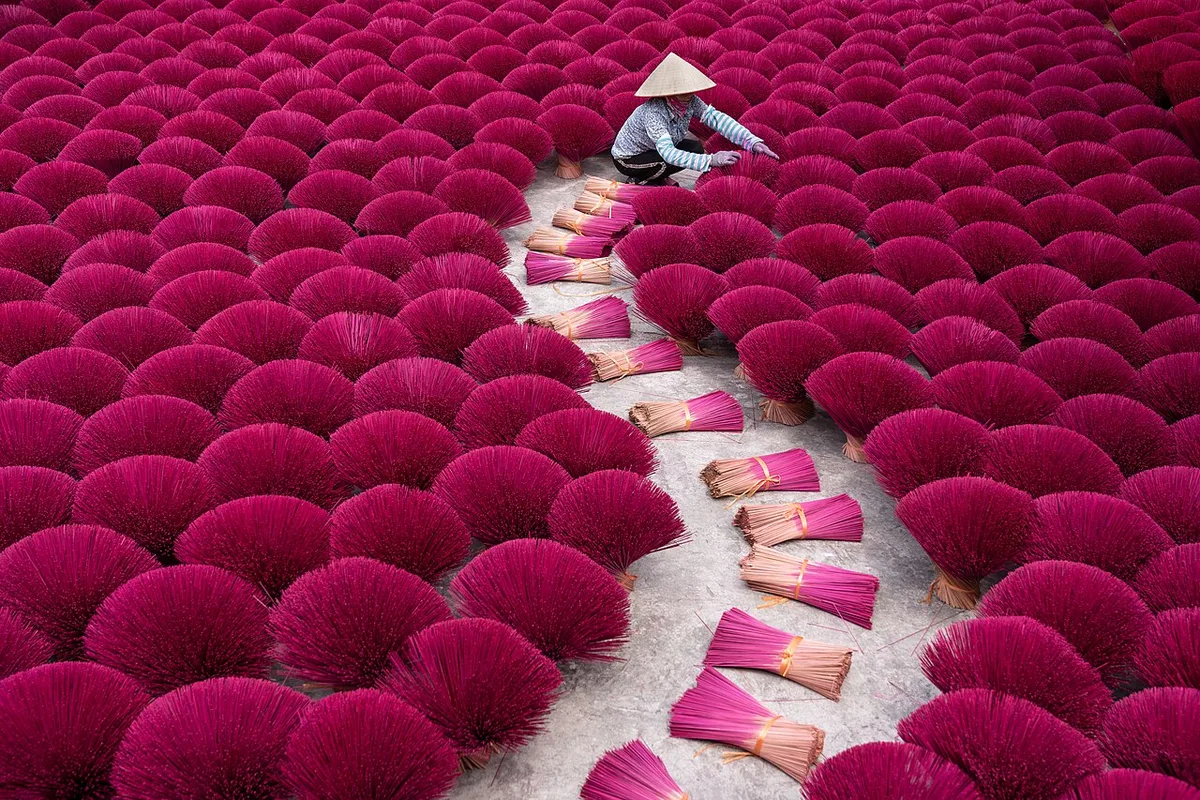
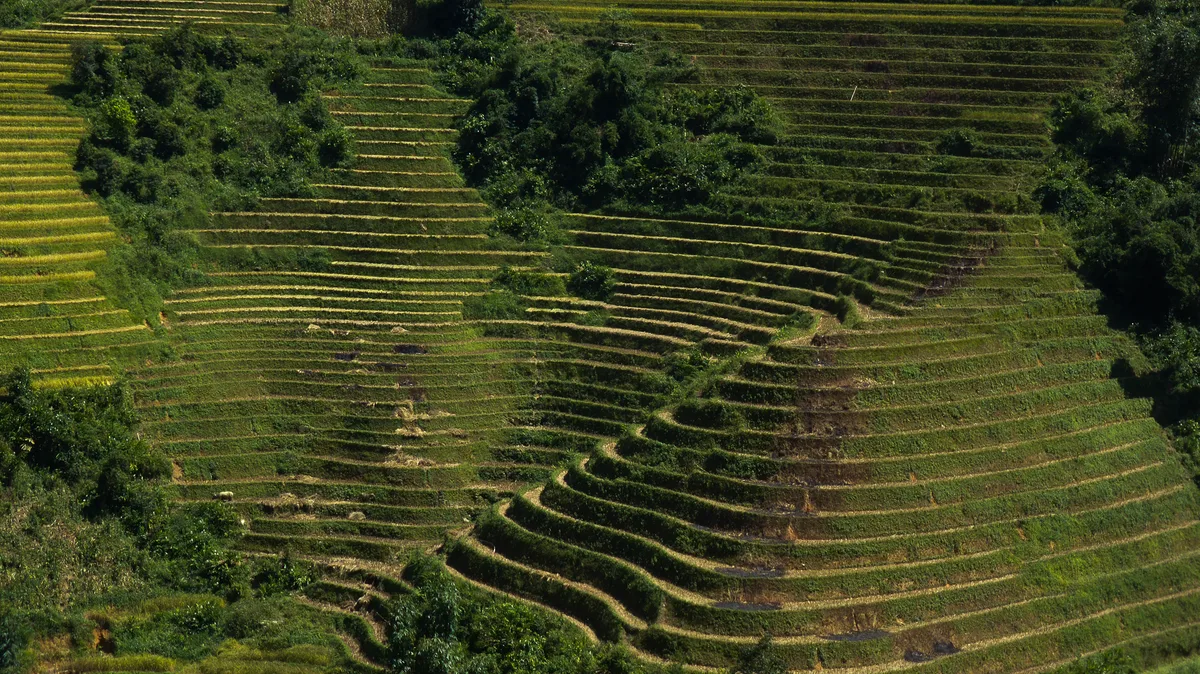
Northern Vietnam earns its reputation as the country's misty, mountainous heartland. Hanoi's Old Quarter, Ha Long Bay's limestone karsts, and Sa Pa's rice terraces anchor most itineraries. Winters run cool and damp from December through February, unlike the tropical south. Summers turn hot and humid, with heavy rain common from June through August.

History runs deeper here than anywhere else in the country. Confucian traditions, imperial-era architecture, and centuries-old villages give the north a formal feel. Museums and ancient sites cluster around Hanoi and nearby Ninh Binh, the old imperial capital. Locals here tend toward reserved manners, which some travelers mistake for coldness.
A common route links Hanoi, Ha Long Bay, and Sa Pa over seven to ten days. Adding Ninh Binh's rivers and caves rounds out a slower, culture-heavy loop. Travelers planning a full country loop can compare stops in the Vietnam itinerary guide. Overnight trains or short flights connect these stops without much backtracking.
Trekking, cooler weather, and cultural depth make the north a natural fit for slower travel. Photographers and hikers often rate this region as the most visually dramatic in the country. Expect more overcast days between November and March, so pack warm layers. Road conditions in the far north can be rough, so budget extra travel time.
Group tours suit the north well, since guides handle permits for remote trekking areas. Solo travelers can still manage Sa Pa and Ha Giang with careful planning. Independent riders should budget extra days for possible weather delays on mountain roads. Either way, book trekking guides a few days ahead during peak autumn months.
- You love mountain treks and terraced rice fields
- Sa Pa trekking routes
- Ha Giang loop rides
- Mu Cang Chai terraces
- You want deep pre-colonial and imperial history
- Hanoi Old Quarter sites
- Ninh Binh ancient capital
- You prefer cooler, four-season weather patterns
- Cool dry winters
- Misty spring mornings
- You enjoy slower, more formal local customs
- Confucian etiquette norms
- Traditional ao dai dress
Pick Central Vietnam If
Central Vietnam plays the role of heritage coastline between two very different halves of the country. Hoi An's lantern-lit old town, Hue's imperial citadel, and Da Nang's beaches sit close together. This compact geography makes central Vietnam easy to explore without long travel days. Many travelers base themselves in one town and take day trips from there.
Central Vietnam's typhoon season runs from September through November. Storms can disrupt trains, flights, and coastal ferries with little warning. Outside this window, the region offers some of the country's driest, sunniest beach days.
Weather swings hardest here, and typhoon season typically runs from September through November. Outside that window, central Vietnam offers some of the country's driest, sunniest beach days. Hue's citadel and nearby royal tombs reward at least a full day of unhurried exploring. Da Nang's beaches suit travelers who want resort comfort close to historic towns.
Tailors in Hoi An can turn around custom clothing in as little as 24 to 48 hours. Coastal resorts here often price between backpacker hubs and pricier Saigon options. For a broader look at seasonal timing, see the best time to visit by region guide. Booking a tailor visit early in your stay leaves time for a second fitting.
A common mistake is rushing central Vietnam into a single overnight stop. Hoi An and Hue each deserve at least one full day to feel unhurried. Travelers short on time often regret skipping Hue's citadel for extra beach hours. Balancing history and relaxation usually means budgeting four to six full days here.
Solo travelers move through central Vietnam easily, since towns are small and walkable. Group tours here often focus on cooking classes and citadel history walks. Renting a bicycle in Hoi An is one of the cheapest ways to see the area. Most guesthouses can arrange bikes for a small daily fee.
- You want lantern-lit old towns and calm streets
- Hoi An ancient town
- Japanese Covered Bridge area
- You are drawn to imperial history and tombs
- Hue's imperial citadel
- Royal tomb complexes nearby
- You want beaches without big-city intensity
- My Khe beach
- Quiet coastal resort towns
- You plan to shop for custom tailoring
- Fast turnaround local tailors
- Hoi An old town
Pick Southern Vietnam If
Southern Vietnam runs on tropical hustle, from Saigon's traffic to the Mekong Delta's floating markets. Street life starts early, with markets busy well before sunrise most days. Ho Chi Minh City's food scene ranks among the most varied and affordable in the country. Rooftop bars and busy night markets keep the energy going well after dark.

Weather stays warm and fairly stable year-round, with a wet season from May to November. That consistency makes the south forgiving for travelers with fixed, non-flexible dates. Day trips to the Mekong Delta or Cu Chi tunnels fit easily around a Saigon base. Short, sharp downpours are common but rarely last more than an hour.
Guided food tours are popular in Ho Chi Minh City, often bundling street stalls with restaurants. For neighborhood and hotel-area advice, check the Vietnam Accommodation Guide: Where to Stay in 2026. District 1 and District 3 suit first-time visitors who want walkable access to sights. Quieter districts nearby offer lower prices without a long commute back to sights.
Southern Vietnam suits travelers who dislike planning trips around cooler-season schedules. Its year-round warmth means fewer weather-driven itinerary changes than the north. Traffic noise and crowds, though, can wear on travelers seeking a quiet trip. Balancing city time with a Mekong Delta overnight often smooths out the pace.
Solo travelers thrive in Saigon, thanks to easy ride-hailing apps and a large expat community. Group tours suit the Mekong Delta well, since boat logistics get complicated alone. Ride-hailing apps make getting around the city simple, even without much Vietnamese. Night markets stay busy and well-lit, which helps solo travelers feel comfortable after dark.
- You want vibrant nightlife and street food
- Bui Vien walking street
- Ben Thanh night market
- You prefer warm, stable weather year-round
- Consistent tropical climate patterns
- Short wet season swings
- You want easy Mekong Delta day trips
- Floating market boat tours
- Cu Chi tunnel visits
- You want a big, energetic home base city
- Ho Chi Minh City
- Lively District 1 nightlife
Which Region Wins for Food and Getting Around?
Food shifts noticeably as you move between regions, not just in flavor but in dining style. Northern cooking favors balanced, milder broths, seen clearly in Hanoi's classic pho. Central Vietnam turns up the spice, with dishes like Hue's bun bo hue and Hoi An's cao lau. Southern cooking leans sweeter, often finished with coconut milk, sugar, or fresh herbs.
Cultural style shifts too, and it shows up clearly in daily interactions. Northern manners tend toward formal and reserved, rooted in Confucian tradition. Southern Vietnam feels looser and more direct, with strangers asking personal questions within minutes. Central Vietnam sits closer to the north in tone, though coastal towns feel more relaxed.
Connecting all three regions usually means combining trains, buses, and short domestic flights. The Vietnam Transport Guide: Trains, Buses, Flights & Grab breaks down routes, journey times, and booking windows in detail. As a rule of thumb, flying tends to pay off once a route covers more than two overnight legs. Shorter hops, like Hue to Da Nang, usually suit trains or buses better than flights.
Long-time Vietnam-based writers have tracked these regional shifts for years. Vietnam Coracle founder Tom Divers shared his take on these patterns on the ASE Podcast. That kind of on-the-ground perspective is useful for gauging how fast things change.
His broader expat experience also appears in a profile by Vietnam Times. These sources add useful context but shouldn't replace checking current conditions before travel. Prices, schedules, and even regional impressions can shift from one year to the next.
The Bottom Line: Our Honest Pick
For most first-time visitors, our honest pick leans toward Southern Vietnam as a starting base. Saigon's flights connect easily to both Central and Northern Vietnam, and the food scene rewards even short stays. Its warm, stable weather also removes one planning variable for travelers on a fixed schedule. First-timers who crave nightlife and easy day trips tend to leave this region most satisfied.
That said, Northern Vietnam wins for anyone prioritizing history, mountains, and cooler weather. Central Vietnam wins for travelers who want beaches paired with heritage towns in one area. Neither runner-up is a consolation prize; both suit very specific travel styles well. Do both if your schedule can stretch to three weeks or more.
Two weeks or less usually means picking one region and exploring it properly. For help sizing your route, the how many days in Vietnam guide breaks down realistic timeframes. Whichever region wins, book accommodation and transport early during peak travel months.
Rushing all three regions in under ten days usually backfires with tiring transit days. A slower pace through one or two regions tends to leave travelers with better memories. Match your pick to your interests first, and let logistics follow that decision.
Booking flexible fares helps when weather or transit delays shift regional plans. Cancellation-friendly hotel rates reduce stress if a typhoon or cold snap changes your route. Whichever combination you choose, a realistic pace beats cramming in every highlight. Vietnam rewards travelers who slow down enough to notice regional differences firsthand.
Suggested North Vietnam Itinerary
With seven days, begin with two nights in Hanoi. Spend the first day around Hoan Kiem Lake, the Old Quarter, and the Temple of Literature, then use the second for museums, street food, or a visit to the Ho Chi Minh complex. Next, travel south to Ninh Binh for two nights. Base yourself in Tam Coc or Trang An for a riverboat trip, Mua Cave viewpoint, and the temples at Hoa Lu.
Finish with two nights around Ha Long Bay or quieter Lan Ha Bay, including one night aboard a licensed cruise if your budget allows. Return to Hanoi on the final afternoon and avoid scheduling an international flight immediately after the cruise, since road or port delays can occur.
For a ten-day trip, add Sa Pa or Ha Giang rather than squeezing both into the same route. Sa Pa is easier for a short guided trek, while Ha Giang rewards travelers who can spare at least three full days for the mountain loop. Overnight trains and sleeper buses save hotel nights, but daytime transfers are better for travelers who sleep poorly in transit.
Frequently Asked Questions
Which is nicer, North or South Vietnam?
Neither region is objectively nicer, since your ideal pick depends on personal travel style and interests. Northern Vietnam suits travelers chasing mountains, cooler weather, and centuries of history. Southern Vietnam suits travelers chasing warm weather, buzzing street food, and lively nightlife.
How can you tell northern and southern Vietnamese accents apart?
Northern accents tend to sound sharper and more clipped, with distinct tones on certain consonants. Southern accents sound softer and often blend a few consonant sounds together. Locals can usually place someone's home region within a few sentences of conversation.
Is North or South Vietnam better for first-time tourists?
Southern Vietnam often works best for first-time tourists, since Saigon offers easy flight connections across the country. Its warm, stable weather also removes some trip-planning guesswork. First-timers with more time should still add Central or Northern Vietnam for real contrast.
How much time should you spend in each region?
Plan five to seven days each for Northern and Southern Vietnam if you want to explore properly. Central Vietnam usually needs four to six days, given its compact geography. A three-week trip lets you cover all three without feeling rushed.
Where can you find more Vietnam route planning guides?
The Viet Unfold blog publishes fresh route comparisons, itineraries, and regional planning guides for Vietnam. Check it for updated seasonal advice, transport tips, and neighborhood guides. New comparisons and guides are added regularly to help you plan a smarter Vietnam trip.
Does central Vietnam get typhoons?
Yes, central Vietnam faces its highest typhoon risk from September through November most years, per regional weather patterns. Storms can disrupt trains, flights, and coastal ferry schedules with little warning. Traveling in spring or early summer avoids most of this seasonal risk.
When is the best time to visit all three Vietnam regions?
February to April usually offers the most balanced weather across all three regions of Vietnam. Central Vietnam's typhoon risk stays low, and northern mornings stay mild rather than freezing. Southern Vietnam remains warm and mostly dry during this window too.
Do you need a separate visa for each region of Vietnam?
Vietnam issues one single national visa or e-visa that covers the whole country. There's no separate visa needed for northern, central, or southern regions. Check current e-visa eligibility, cost, and processing time on Vietnam's official immigration portal before booking flights.
Choosing between Northern, Central, and Southern Vietnam comes down to pace, weather, and interests. Each region offers a genuinely different trip, not just a different backdrop or skyline. Matching travel style to the right region matters more than chasing a single best option. Reviewing costs, weather, and travel time together leads to a far more realistic plan.
Travelers with three weeks or more can realistically link all three regions into one trip. The three-week Vietnam itinerary lays out a route balancing north, center, and south. Start planning early, book key trains or flights ahead, and let the season guide your pace. A well-paced route beats a rushed one, no matter which regions make your final list.
Take the route offline
Free: the Vietnam route starter
A two-week south-to-north route with real nightly rates by city, what to book first and how far ahead, region-by-region timing, and the transport costs between each leg — drawn from our published guides.
Keep unfolding Vietnam
Continue along the route
Three nearby guides for the next decision in your trip.


