

Hanoi Neighborhoods Guide Travel Guide
Plan your Hanoi neighborhoods guide with top picks, neighborhood context, timing tips, and practical booking advice for a smoother trip.
On this page
Hanoi divides itself into distinct neighborhoods, each with its own character and appeal. From the chaotic energy of the Old Quarter to the peaceful shores of Tay Ho, choosing where to stay and what to explore shapes your entire trip. Last updated July 2026.
First-time visitors often feel overwhelmed by Hanoi's size and noise. Understanding the neighborhoods—their vibe, accessibility, and best attractions—removes the guesswork and lets you travel with intention. This guide breaks down Hanoi's main areas so you can pick neighborhoods that match your style.
Key Takeaways
- Hanoi divides itself into distinct neighborhoods, each with its own character and appeal.
- From the chaotic energy of the Old Quarter to the peaceful shores of Tay Ho, choosing where to stay and what to explore shapes your entire trip.
- First-time visitors often feel overwhelmed by Hanoi's size and noise.
- Understanding the neighborhoods—their vibe, accessibility, and best attractions—removes the guesswork and lets you travel with intention.
Take the route offline
Free: the Hanoi route notes
Where to base yourself and what it costs, a day-by-day route that avoids backtracking, real transfer times and fares, seasonal timing, and where it connects onward — condensed from our Hanoi guides and made to take offline.
Must-See Hanoi Attractions
Hanoi's most iconic attractions cluster in two main neighborhoods: the Old Quarter and the French Quarter. Hoan Kiem Lake sits at the heart of the Old Quarter, ringed by locals exercising at dawn and tourists snapping photos throughout the day. Most visitors spend 2-3 hours here, walking the shoreline and visiting Ngoc Son Temple on the small island at the lake's center.
Always agree on cyclo fares before boarding since meters are uncommon. Expect to pay $5-10 USD per hour. Grab offers cheaper transport but with less cultural charm.
Long Bien Bridge stands as a historic symbol on the Red River's north edge, about 3 kilometers from Hoan Kiem Lake. The bridge survived the American bombing campaign and now draws photographers, history buffs, and cyclists alike. Allow 1-2 hours for a visit, including the walk across and a photo stop.
The French Quarter spans several blocks south of Hoan Kiem and offers tree-lined streets, grand colonial villas, and quieter cafes. Walk this area at a slower pace to admire architecture and duck into galleries, boutiques, and heritage hotels. The neighborhood feels peaceful even at midday, making it ideal if you prefer less sensory overload than the Old Quarter provides.
Street-level markets and cyclo bicycle-rickshaw tours immerse you in daily neighborhood life faster than any museum. The cyclo is a three-wheeled taxi that emerged during Vietnam's French colonial era and remains a romantic way to navigate tight streets. Expect to pay $5-10 USD per hour, and always agree on fares before boarding since meters are uncommon for cyclos. Grab (Southeast Asia's ride-sharing app) offers cheaper transport but less cultural charm.
- Hoan Kiem Lake and Ngoc Son Temple
- Location: Old Quarter city center
- Time: 2-3 hours roundtrip
- Cost: Free entry to lake; temple donation $1-3
- Best for: First-time visitors, photographers, early morning walks
- Long Bien Bridge historic landmark
- Location: 3km north of Hoan Kiem
- Time: 1-2 hours with crossing
- Cost: Free access anytime
- Best for: History enthusiasts, cyclists, sunset views
- French Quarter colonial architecture
- Location: South of Hoan Kiem Lake
- Time: 2-4 hours casual walking
- Cost: Free to explore; cafes $2-5 per drink
- Best for: Architecture lovers, quiet shoppers, lunch breaks
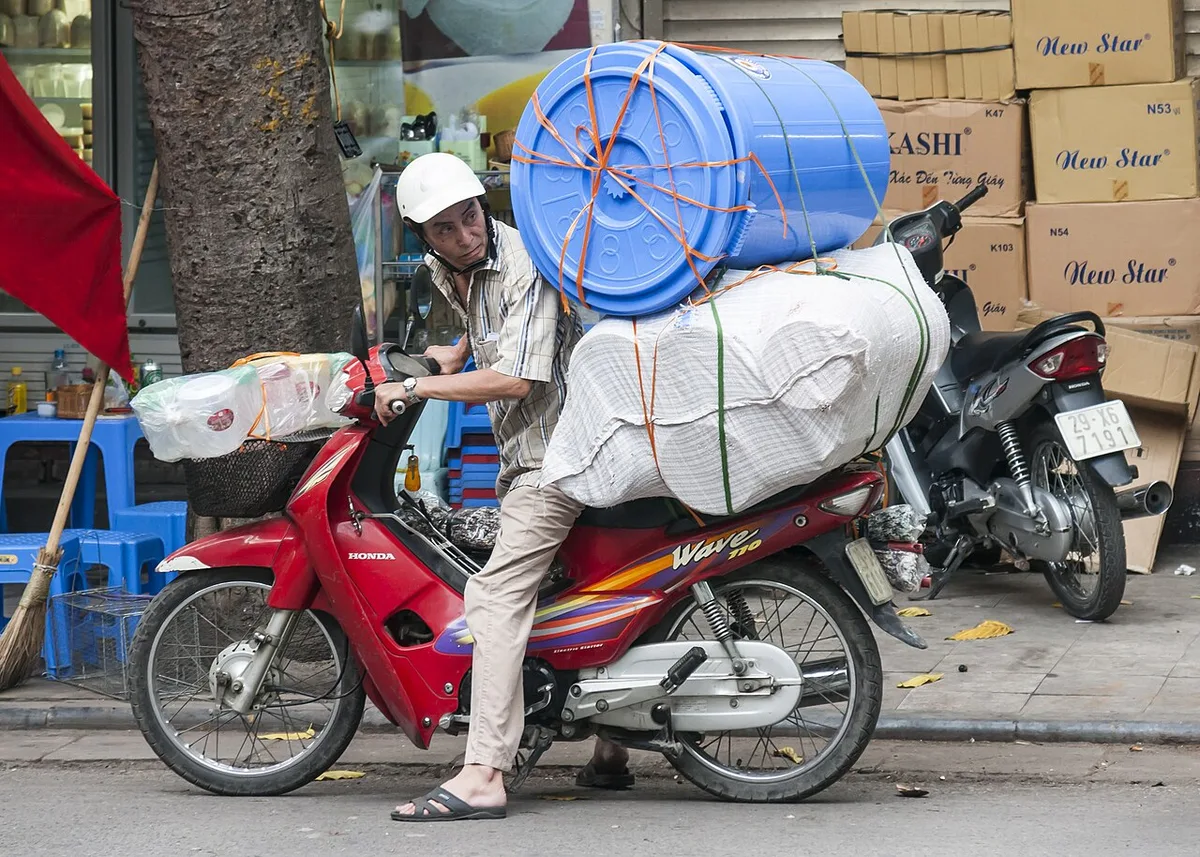
Museums, Art, and Culture in Hanoi
Hanoi's museum district clusters around Ba Dinh, the administrative heart north of the Old Quarter. The National Museum of Vietnam and Ho Chi Minh Mausoleum anchor this area, drawing international tourists and local students alike. Plan 3-4 hours if you want to see both sites carefully, including entry lines that swell mid-morning.
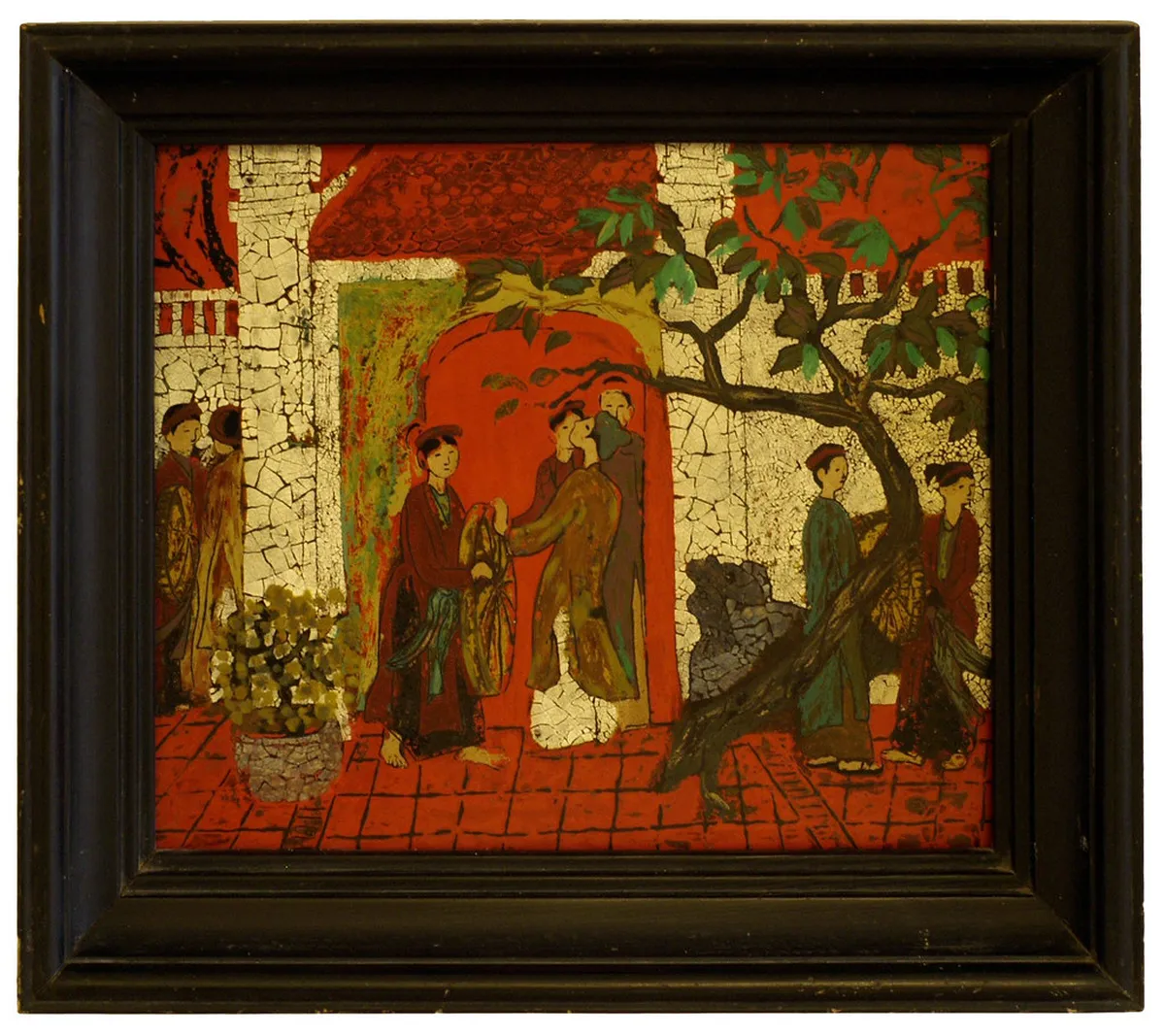
The Vietnam Women's Museum sits in the Old Quarter and celebrates women's roles across history, war, and family life. Exhibits rotate seasonally and include video testimonies, textiles, and personal artifacts that provide emotional depth beyond typical guidebook attractions. Admission costs around $3 USD, and most visitors spend 1.5-2 hours here without feeling rushed.
The Temple of Literature lies northwest of the Old Quarter and served as Vietnam's first university dating to the 11th century. Wander through courtyards, stone gates, and gardens where scholars once studied classical texts. The neighborhood around the temple feels residential and tree-shaded, offering a respite from tourist density in the center.
Art galleries cluster in both the French Quarter and emerging neighborhoods like the emerging art districts near Long Bien Bridge. Local artists display contemporary paintings, sculptures, and installations that reflect modern Vietnamese perspectives. Galleries typically charge no entry fee—they make money when you buy—so browsing costs nothing but time.
- National Museum of Vietnam and Mausoleum
- Location: Ba Dinh district, north of Old Quarter
- Time: 3-4 hours roundtrip
- Cost: $2-5 USD per site depending on exhibit
- Best for: History students, culture-focused travelers, morning visits
- Vietnam Women's Museum Old Quarter
- Location: Old Quarter side streets near Hoan Kiem
- Time: 1.5-2 hours
- Cost: $3 USD entry
- Best for: Social history, gender-focused research, emotional depth seekers
- Temple of Literature educational site
- Location: Northwest of Old Quarter (15-minute walk or short Grab)
- Time: 1-2 hours for courtyards and gardens
- Cost: $2 USD entry
- Best for: Scholars, garden lovers, peaceful exploration
Parks, Gardens, and Outdoor Spots in Hanoi
Tay Ho (West Lake) represents Hanoi's most peaceful neighborhood and escape from central chaos. The lake stretches 5 kilometers and offers waterfront parks, cycling paths, sunset cafes, and a completely different pace than Old Quarter streets. Most visitors dedicate a half-day to 3-4 hour visit here, arriving by 4 PM to catch the light at golden hour.
Ho Tay waterfront dining clusters on the lake's southeast edge, where restaurants spill outdoor seating toward the water. Fresh fish, shrimp, and local specialties cost $5-15 USD per person, significantly cheaper than upscale tourist zones. The neighborhood feels upscale but walkable, with young professionals and expat families biking and jogging along the perimeter path.
Lenin Park occupies green space in Ba Dinh and provides jogging tracks, botanical gardens, and playgrounds far from traffic. The park rarely attracts crowds except early morning when locals exercise in tai chi groups and on elliptical machines. Entry costs around $1 USD, or skip entry and walk the outer perimeter path for free.
Waterside neighborhoods along the Red River north of Long Bien Bridge offer cycling routes and underdeveloped tourist experiences. These areas feel authentic and lightly explored compared to central zones, making them ideal for travelers seeking local atmosphere. Allow a half-day and plan transport back to the city since facilities are sparse in these outer areas.
- Tay Ho West Lake waterfront
- Location: Northwestern Hanoi (15-20 minute Grab from center)
- Time: 3-4 hours for walking and dining
- Cost: Free park access; meals $5-15 per person
- Best for: Sunset lovers, cyclists, peaceful escapes, expat neighborhoods
- Ho Tay dining and waterfront
- Location: Southeast shore of Tay Ho Lake
- Time: 2-3 hours for meal and stroll
- Cost: Meals $7-15 USD; drinks $2-5
- Best for: Dinner dates, family meals, casual lakeside walks
- Lenin Park botanical gardens
- Location: Ba Dinh district near Mausoleum
- Time: 1-2 hours casual exploration
- Cost: $1 entry (or free outer path)
- Best for: Walkers, joggers, plant lovers, quiet mornings
Family-Friendly and Budget-Friendly Options in Hanoi
Street food culture defines Hanoi and costs $1-3 USD per dish, making it the most affordable way to eat in the city. Walking through neighborhood markets and following locals to hole-in-the-wall noodle shops delivers authentic meals at genuine prices. Top Hanoi attractions often overlook these casual eating experiences, yet they're central to neighborhood life.
Arrive for breakfast (7-9 AM) or lunch (11 AM-1 PM) before sitting spots fill, as most vendors close by evening. Timing visits around peak hours ensures availability.

Pho Bat Dan and other street vendor specialties occupy specific Old Quarter alleys where families have cooked for decades. Arrive for breakfast (7-9 AM) or lunch (11 AM-1 PM) before sitting spots fill; dinner draws longer lines. Most vendors close by evening, so timing your visits around these windows ensures availability.
The Weekend Night Market happens only Friday to Sunday evenings from 7 PM to 11 PM in the Old Quarter. Stalls sell clothing, crafts, street snacks, and local goods at prices lower than daytime tourist shops. Go early (before 8:30 PM) when stalls are fully stocked and crowds are manageable.
Budget boutique hotels cost $40-60 USD per night in most neighborhoods except Tay Ho, where rates climb to $80-120. Family-run guesthouses offer the best value, often including free breakfast and staff who provide neighborhood tips. Book directly through small hotels' websites rather than aggregators to secure better rates and genuine service.
- Street food vendors Old Quarter alleys
- Location: Pho Bat Dan and surrounding streets
- Time: 30-45 minutes per meal stop
- Cost: $1-3 per dish
- Best for: Budget travelers, food adventurers, morning/lunch visits
- Weekend Night Market shopping and culture
- Location: Old Quarter center (varies yearly slightly)
- Time: 2-3 hours browsing
- Cost: Free entry; items $2-20 per purchase
- Best for: Friday-Sunday evenings, budget shoppers, cultural immersion
- Budget boutique hotel accommodations
- Location: All neighborhoods; best value Old Quarter
- Time: Multi-night stays recommended
- Cost: $40-80 per night depending on area
- Best for: Backpackers, families, extended stays
How to Plan a Smooth Hanoi Attractions Day
Start your morning in the Old Quarter by 7 AM when locals exercise at Hoan Kiem Lake and street food vendors open their stalls. The lake is most peaceful before 8:30 AM, offering a contrast to the crowded afternoons when tour groups arrive in waves. Grab breakfast at a roadside pho stand or coffee shop, spending no more than $3 USD for a complete meal.
By 9 AM, move into the Old Quarter's narrow streets to explore markets, silk shops, and local galleries. Stick to one or two blocks and linger; rushing through all streets exhausts both body and mind. The neighborhood's true charm emerges when you stop, sit, and watch street life unfold around you.
At noon, head south to the French Quarter for lunch at a heritage café or restaurant with air conditioning. This neighborhood offers cooler, tree-shaded streets and a gentler pace that gives your nervous system a break from sensory intensity. Use timing strategies for Hanoi's climate to navigate the hottest midday hours.
By 3 PM, take a Grab ride (about 15-20 minutes, $3-5 USD) north to Tay Ho for the late afternoon and sunset. Walk the waterfront, stop at a lakeside café, and watch light change across the water. Dinner lakeside around 6 PM costs $10-20 USD per person and requires advance booking at popular restaurants.
Return to the Old Quarter by 8-9 PM for evening exploration if energy permits, or head back to your hotel to rest. Most travelers find one full day across multiple neighborhoods reaches their threshold; a second day deepens appreciation. Layover strategies show how to prioritize neighborhoods when time is tighter.
- Morning Old Quarter exploration
- Time: 6-9 AM start
- Key stops: Hoan Kiem Lake, street food
- Cost: $3-5 for breakfast and coffee
- Tip: Arrive early to beat tour groups
- Mid-morning neighborhood walk
- Time: 9 AM-12 PM
- Key stops: Markets, galleries, silk shops
- Cost: $0-20 depending on purchases
- Tip: Pick one or two streets; don't rush
- Midday rest and lunch French Quarter
- Time: 12-3 PM
- Key stops: Air-conditioned cafes, restaurants
- Cost: $5-15 per meal
- Tip: Escape heat and recharge energy
- Afternoon Tay Ho sunset visit
- Time: 3-7 PM
- Key stops: Lake walk, waterfront café, dinner
- Cost: $3-5 transport; meals $10-20
- Tip: Book dinner tables in advance
Where to Stay in Hanoi
The Old Quarter remains Hanoi's most central neighborhood and easiest base for first-time visitors. Narrow streets, street food vendors, motorcycle traffic, and constant energy characterize this zone. Choose this neighborhood if you crave authentic atmosphere and want walkable access to core attractions.
Old Quarter hotel prices range from $20-30 USD for hostels to $50-80 for mid-range boutique hotels. Budget accommodations often lack elevator or AC, but include free breakfast and staff who know every corner of the neighborhood. Book rooms on higher floors away from street noise if you're sensitive to traffic and delivery scooters.
| Neighborhood | Vibe | Hotel Cost | Best For | Access |
|---|---|---|---|---|
| Old Quarter | Chaotic, authentic, crowded, vibrant | $20-80 per night | First-timers, budget travelers, foodies | Walk everywhere; high noise levels |
| French Quarter | Quiet, colonial, upscale, tree-shaded | $60-120 per night | Second visits, quiet seekers, families | 15-minute walk to Old Quarter |
| Tay Ho West Lake | Peaceful, lakeside, expat-friendly, slow | $80-150 per night | Couples, extended stays, sunset lovers | 15-20 minute Grab from center |
| Ba Dinh | Green, calm, museum-rich, residential | $70-120 per night | Crowd avoiders, park lovers, quiet travelers | 15-20 minute Grab from Old Quarter |
The French Quarter appeals to travelers seeking quiet, tree-lined streets and upscale dining without leaving the center. Hotels here cost $60-120 USD per night and emphasize colonial heritage and modern comfort. This neighborhood works best for business travelers or those seeking a slower pace on their second Hanoi visit.
Tay Ho (West Lake) provides the most peaceful neighborhood option but requires planning since it's 20 minutes from downtown. Waterfront boutique hotels cost $80-150 USD per night and cater to couples, families, and extended-stay visitors. Choose Tay Ho if you prioritize calm, cycling, sunset views, and quiet evenings over density and walkability.
Ba Dinh, the diplomatic zone near the Mausoleum, offers government-approved upscale hotels and minimal tourist density. Rates run $70-120 USD nightly, and the neighborhood feels like a quiet, green suburb despite being technically central. This area suits travelers who dislike crowds and prefer museums, parks, and residential pace.
- Old Quarter location and cost
- Vibe: Chaotic, authentic, crowded, vibrant
- Hotels: $20-80 USD per night
- Best for: First-timers, budget travelers, foodies
- Access: Walk everywhere; high noise levels
- French Quarter peaceful elegance
- Vibe: Quiet, colonial, upscale, tree-shaded
- Hotels: $60-120 USD per night
- Best for: Second visits, quiet seekers, families
- Access: 15-minute walk to Old Quarter
- Tay Ho West Lake escape
- Vibe: Peaceful, lakeside, expat-friendly, slow
- Hotels: $80-150 USD per night
- Best for: Couples, extended stays, sunset lovers
- Access: 15-20 minute Grab from center
- Ba Dinh diplomatic residential zone
- Vibe: Green, calm, museum-rich, residential
- Hotels: $70-120 USD per night
- Best for: Crowd avoiders, park lovers, quiet travelers
- Access: 15-20 minute Grab from Old Quarter
Getting from Noi Bai Airport to Hanoi’s Neighborhoods
Noi Bai International Airport (HAN) lies roughly 25–30 kilometers north of central Hanoi. For the Old Quarter, airport bus 86 is a practical option: it serves both passenger terminals and continues through central Hanoi toward Hanoi Railway Station, with stops near the Old Quarter. Check the current stop list before boarding because roadworks and traffic restrictions can alter city-center drop-off points.
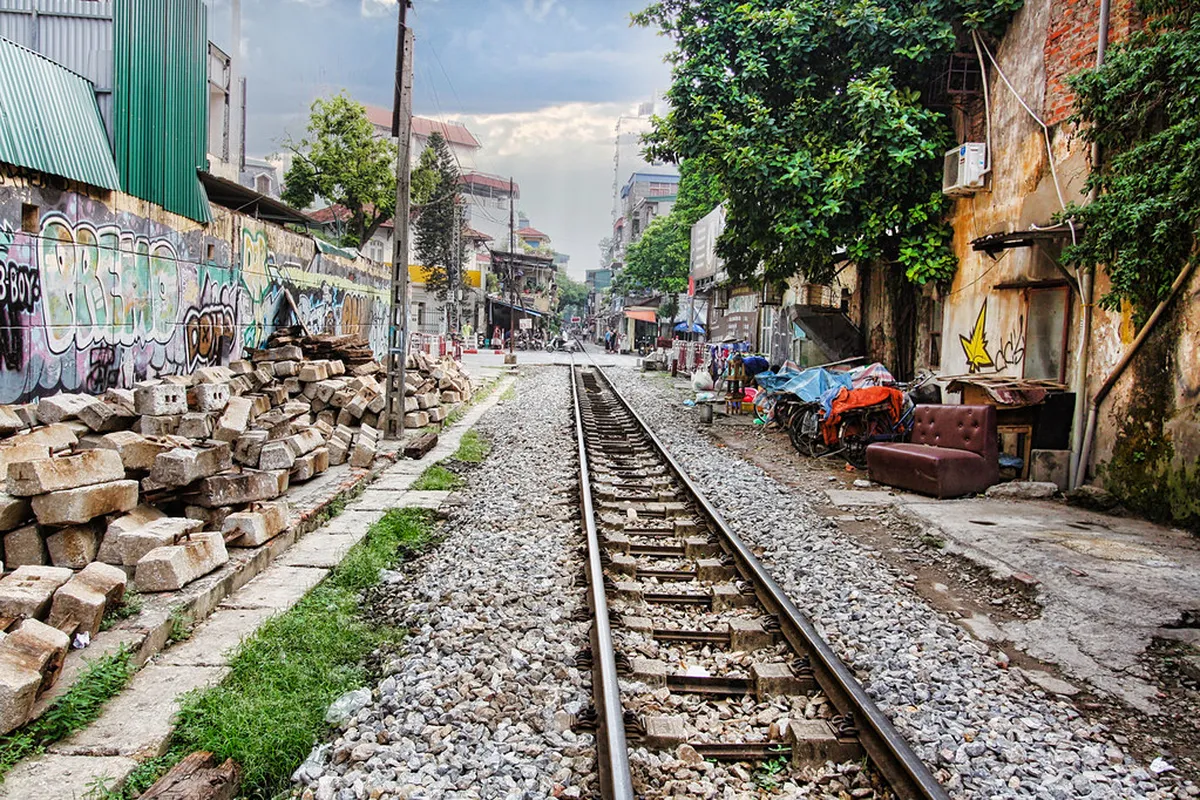
A metered taxi or app-based car is more convenient with luggage, but enter your hotel’s full address rather than only the neighborhood name. Many Old Quarter lanes are too narrow or restricted for cars, so the final drop-off may be on a nearby main street. Arrange a clear meeting point with the hotel if arriving late.
Tay Ho is geographically closer to the airport than Hoan Kiem, although travel time still depends heavily on bridge traffic. Ba Dinh and the French Quarter require a longer cross-city transfer. During weekday rush periods and around major holidays, leave extra time for congestion on the airport road and approaches to central Hanoi. Confirm the terminal when returning: international flights generally use Terminal 2, while domestic services use Terminal 1.
Official Planning Checks Before You Go
Use the official Vietnam Tourism Ha Noi guide for destination context and the Vietnam Tourism trip-planning portal for a second official baseline. Recheck any opening hour, fare, timetable, closure, access rule, weather risk, or booking condition with the responsible operator shortly before travel; an official destination overview is not a live inventory or service guarantee.
Frequently Asked Questions
Which Hanoi neighborhoods fit first-time visitors best?
The Old Quarter suits most first-time visitors because it's central, walkable, and contains Hanoi's most famous attractions. However, it's crowded and chaotic. If you prefer quiet exploration, the French Quarter offers a slower pace within walking distance. Second-time visitors often skip Old Quarter entirely and split time between French Quarter, Tay Ho, and Ba Dinh for depth.
How much time should you plan for a Hanoi neighborhoods guide?
A minimum two-day visit allows you to experience two distinct neighborhoods properly. Day one focuses on Old Quarter and French Quarter (walkable together). Day two explores Tay Ho or Ba Dinh via short Grab rides. Travelers with three or more days can linger in neighborhoods, eat multiple meals in different areas, and build relationships with local shopkeepers and café owners who enrich any visit.
What should travelers avoid when planning Hanoi neighborhoods?
Avoid rushing between neighborhoods trying to see everything in one day; it leads to exhaustion and ruins the experience. Skip hiring cyclos without agreeing on fares first, as driver expectations often exceed tourist assumptions. Don't visit during noon heat (11 AM-3 PM) when streets are dangerously hot and attractions close. Avoid street markets outside of peak eating hours (breakfast and lunch) when vendors pack up early. Finally, don't stay only in Old Quarter on return visits—the neighborhood reveals itself best on a second stay when you know where locals eat and sit.
Is visiting Hanoi neighborhoods worth including on a short itinerary?
Yes, Hanoi neighborhoods deserve at least two days even on tight schedules. The city's character emerges through neighborhood exploration rather than landmark tourism. Luggage storage options let you roam freely without hotel check-in constraints. A focused two-day visit beats a rushed five-day sprint through multiple cities when it comes to actual cultural connection and memory.
What's the best way to navigate between Hanoi neighborhoods?
Walking works best within neighborhoods since Hanoi's geography rewards slow exploration. Between neighborhoods, use Grab (Southeast Asia's ride-sharing app) for $3-5 rides instead of taxis or cyclos. Grab offers fixed pricing, English-speaking drivers, and real-time tracking that removes negotiation stress. Motorcycles and buses exist but require local knowledge. Renting a bicycle ($5-10 per day) works for Tay Ho and waterfront areas but feels unsafe for central traffic zones.
Hanoi's neighborhoods each offer distinct rhythms, price points, and experiences. Choosing where to stay shapes your entire trip, so match neighborhoods to your travel style rather than picking a hotel solely by price. The best Hanoi itineraries embrace neighborhood depth over landmark quantity.
Start in Old Quarter if you crave authenticity and energy, but plan a second neighborhood visit to understand the city beyond tourist zones. The French Quarter, Tay Ho, and Ba Dinh reveal a slower, more livable Hanoi that residents actually inhabit. Give yourself permission to stay longer in neighborhoods that resonate and skip those that don't—that's when real travel happens.
Take the route offline
Free: the Hanoi route notes
Where to base yourself and what it costs, a day-by-day route that avoids backtracking, real transfer times and fares, seasonal timing, and where it connects onward — condensed from our Hanoi guides and made to take offline.
Keep unfolding Vietnam
Continue along the route
Three nearby guides for the next decision in your trip.


