

Hanoi Train Street Guide: Schedule, Tips
Plan your Hanoi Train Street visit with current 2026 schedule, cafe spots, safety tips, and practical booking advice for a smoother trip.
On this page
Hanoi Train Street is one of Vietnam's most talked-about attractions, offering a thrilling and unique experience you won't find anywhere else. Picture yourself sipping Vietnamese coffee just meters from an active railway track while trains rumble past. This narrow alleyway in Hanoi's Old Quarter has become a bucket-list destination, though it requires careful planning and respect for local rules.
The experience blends danger with hospitality—trains pass within arm's reach of outdoor cafes, creating an adrenaline rush unlike typical tourism. However, Train Street has a complex modern history involving closures, safety incidents, and ongoing debates about its impact on residents. Last updated July 2026.
Key Takeaways
- Hanoi Train Street is one of Vietnam's most talked-about attractions, offering a thrilling and unique experience you won't find anywhere else.
- Picture yourself sipping Vietnamese coffee just meters from an active railway track while trains rumble past.
- This narrow alleyway in Hanoi's Old Quarter has become a bucket-list destination, though it requires careful planning and respect for local rules.
- The experience blends danger with hospitality—trains pass within arm's reach of outdoor cafes, creating an adrenaline rush unlike typical tourism.
Take the route offline
Free: the Hanoi route notes
Where to base yourself and what it costs, a day-by-day route that avoids backtracking, real transfer times and fares, seasonal timing, and where it connects onward — condensed from our Hanoi guides and made to take offline.
What Is Hanoi Train Street?
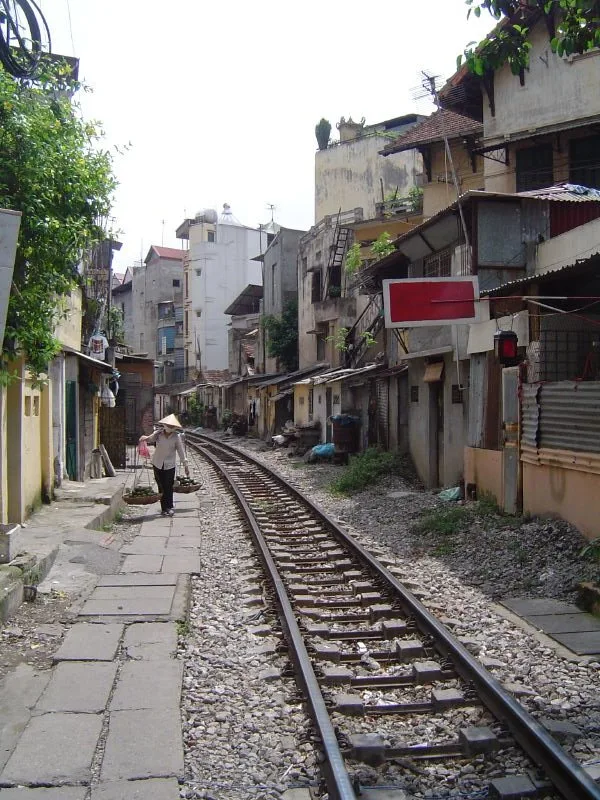
Hanoi Train Street is a narrow residential alleyway where an active railway track runs directly past outdoor cafes and shops. Located in the Old Quarter, this unique spot has become famous for allowing visitors to watch trains pass mere inches away while drinking coffee. The experience feels thrilling and dangerous in equal measure, which explains its viral appeal on social media.
The street has a dark past tied to French colonial-era rail lines built through residential neighborhoods. For decades, locals accepted trains as part of daily life, but tourism transformed Train Street into something very different. Today, the street represents a clash between authentic local culture and Instagram-driven tourism demand.
The authorities closed Train Street in 2019 over safety concerns, but it gradually reopened as tourists and expats returned after pandemic borders reopened. A 2022 incident where a tourist was hit by a passing train prompted temporary closure again, yet the street remains open today. Access is now controlled: you can only enter if you're a patron of one of the 30+ cafes lining the tracks.
Train Schedule & Opening Status
Train frequency and timing vary significantly between weekdays and weekends at Hanoi Train Street. Monday through Friday, trains pass mostly in the evening: typically at 7:00 PM, 7:45 PM, 8:45 PM, 9:30 PM, and 10:00 PM. Weekends offer much better daylight viewing, with trains at 8:30 AM, 9:30 AM, 11:30 AM, 3:20 PM, 4:30 PM, 5:30 PM, and 6:00 PM.
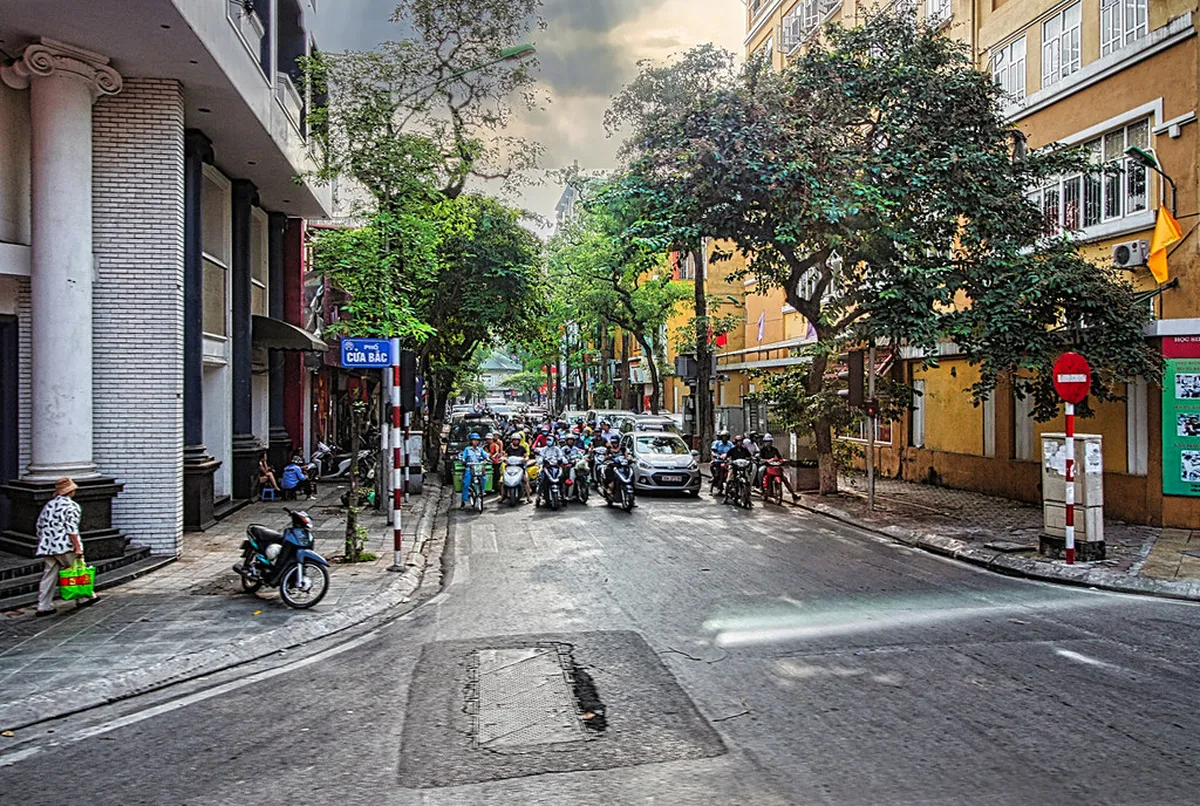
However, schedules change frequently—trains can be delayed, extra trains may pass without notice, and the official timetable doesn't capture everything. The best approach is to arrive at your chosen cafe and ask the owner when the next train is expected. Cafe owners have local knowledge and can tell you about schedule changes or bonus trains not listed officially. This insider information has helped many visitors catch trains after thinking they'd missed the schedule.
Train Street remains open in 2026, but access is restricted to cafe patrons only. You cannot simply walk onto the tracks; a cafe owner must grant you permission and may accompany you. This rule protects residents from casual visitors and ensures revenue flows to the families running these businesses. Respect this requirement—it's what keeps the street accessible for everyone.
- Arrive 30 minutes before train time
- Timing: Buffer ensures good cafe seating and visibility
- Reason: Trains often run 10-15 minutes behind schedule
- Backup: Ask cafe owner about next train if yours is delayed
- Check alternative Train Street locations
- Variation: Other spots 10 minutes north or south exist
- Schedule shift: Add or subtract 10 minutes from main times
- Access: Similar cafe-based entry rules apply everywhere
How to Get There & Find Access
Train Street sits in Hanoi's historic Old Quarter, near Le Duan and Tran Phu Streets. If you're staying in the Old Quarter (which most visitors do), the walk takes roughly 15 minutes. The alleyway is narrow and unmarked, so arriving with a map or asking locals for directions is essential.
Access the tracks only through cafe owners—purchase a drink and get permission to enter. Cafe owners control access and may accompany visitors. This rule protects residents and ensures families depending on cafe income remain supported.
A taxi from your Old Quarter hotel to Train Street typically costs around $4-5 USD and takes about 15 minutes. Grab (the Southeast Asian ride-share app) is another option and often cheaper than traditional taxis. Driving to the exact location is difficult because the alley is too narrow for vehicles. From the nearest street corner, you'll need to walk and ask locals or cafe owners to find the exact entry point.
The main entrance from the road is blocked and guarded by authorities to discourage casual access. Instead, you must enter through one of the cafes—order a drink and the owner will show you the way onto the tracks. A coffee or beer costs 30,000-60,000 VND (about $1.50-$2.50 USD), and locals depend on this income for their livelihoods. Purchasing drinks also gives you a legitimate reason to stay and watch the trains safely from the cafe's seating area.
Popular entry points include cafes on 28 Train Street and other well-established shopfronts. If you book a guided tour, the tour operator handles all logistics and takes you directly to their preferred cafe. First-time visitors often find it easier and less stressful to join a tour rather than navigate independently.
Cafes & What to Experience
Over 30 Vietnamese coffee shops now operate along Train Street, each competing for tourist attention and income. These aren't fancy establishments—they're simple shopfront cafes with plastic stools, basic furniture, and locally sourced drinks. Many cafe owners are residents who've adapted to tourism and rely on drink sales to support their families.
Drink prices at Train Street are remarkably low: between 30,000 and 60,000 Vietnamese Dong per item. That translates to roughly $1.50-$2.50 USD for beer, soft drinks, or coffee. Prices haven't inflated dramatically despite the tourist boom, suggesting that cafe owners value repeat business and positive reviews. Consider ordering 2-3 drinks to show genuine gratitude while supporting the community.
Expect trains to arrive 10-15 minutes after their scheduled time, depending on direction and other rail operations. When a train approaches, you'll hear the horn and feel vibrations before you see it. The experience is thrilling: the train moves slowly but inevitably, and you're standing mere feet away from a moving cargo or passenger vehicle. This sensory overload is why Train Street has become famous—it's visceral in a way typical tourism rarely is.
The cafes themselves offer a window into how Hanoi's residents adapted to tourism pressure. You'll see locals playing cards, families working together, and an honest form of hospitality that feels less commercial than typical tourist traps. This authenticity is what separates Train Street from typical Instagram attractions, if you look past the phone cameras. This thoughtful post explores tensions between Instagram fame and local reality.
Safety & Important Precautions
Train Street is inherently risky because active trains pass within arm's reach of people sitting in cafes. In 2022, a visitor was hit by a passing train, resulting in temporary closure and increased scrutiny from authorities. Serious injuries and fatal accidents have happened, though they remain rare given daily visitor numbers.
Stay in cafe seating and avoid standing on tracks when trains approach. Cafe owners know train speed and passing patterns—listen to their instructions. Never encourage children to play on tracks or take unnecessary photo risks.
The best safety strategy is to stay in the cafe seating area and avoid standing on the actual tracks when trains approach. Listen to the cafe owner's instructions—they know the train's speed, width, and exact passing patterns. Never encourage children to play on the tracks or take unnecessary risks for photos. Respect barriers and warnings, even if other tourists ignore them.
Keep your belongings secure because crowded cafes can attract petty theft. Wear closed-toe shoes in case you do step onto the tracks briefly. Stay aware of your surroundings and the local rules—this is someone's neighborhood, not an amusement park. If you feel unsafe or uncomfortable at any point, leave and try a different cafe or return on a different day.
Tour Options & Best Timing
Guided tours offer a structured way to experience Train Street without navigating logistics independently. Many Hanoi tour operators combine Train Street visits with food tours, showing you local eateries and market stops. These tours typically cost $25-50 USD and include transportation, a cafe drink, and guide commentary about the neighborhood. Tours are especially valuable for first-time visitors who aren't comfortable finding the alley solo.
Timing your visit matters significantly for mood and experience quality. Weekday evenings (7:00 PM onwards) mean darkness falls during or after your visit, limiting daylight photography but adding atmosphere. Weekends offer bright morning trains (8:30 AM, 9:30 AM, 11:30 AM) and afternoon viewing (3:20 PM, 4:30 PM), making it ideal for photos and comfort.
| Option | Best For | Timing | Highlights |
|---|---|---|---|
| Daytime Weekend | Photography, comfort, sightseeing | 8:30 AM–6:00 PM train passes; moderate-high crowds | Bright visuals, many international tourists |
| Evening Weekday | Atmosphere, fewer crowds, local authenticity | 7:00 PM–10:00 PM train passes; low-moderate crowds | Darker mood, more local residents visible |
| Guided Tour | First-time visitors, street food lovers, groups | 2–3 hours total; includes transportation | Professional guidance, food stops, cafe drinks included |
Consider visiting on a quieter day (early weekday morning or weekday afternoon) to avoid peak Instagram-hour crowds. The most popular times attract 50+ tourists at once, making the cafe experience feel more like a zoo than an authentic neighborhood interaction. Off-peak visits let you have quieter conversations with cafe owners and feel less part of a tourist mob. Plan your Hanoi trip timing to include both a weekend daytime visit and a weekday evening return if you want variety.
- Daytime weekend visit
- Best for: Photography, comfort, and sightseeing
- Schedule: 8:30 AM, 9:30 AM, 11:30 AM trains available
- Crowd level: Moderate to high throughout the day
- Experience: Bright, clear visuals, many international tourists present
- Evening weekday visit
- Best for: Atmosphere, fewer crowds, and local authenticity
- Schedule: 7:00 PM onwards trains available
- Crowd level: Low to moderate, mostly expats and independent travelers
- Experience: Darker, moodier, more residents and locals visible
- Guided food and train tour
- Best for: First-time visitors, street food lovers, group travel
- Duration: 2-3 hours typically including all stops and logistics
- Cost: $25-50 USD per person on average
- Includes: Transportation, cafe beverage, food stops, expert guide commentary
Which Hanoi Train Street Location Should You Visit?
“Hanoi Train Street” refers to more than one viewing area along the same railway. The best-known northern section runs near Tran Phu and Phung Hung streets, close to the Old Quarter. It is convenient for travelers visiting Hoan Kiem, but entrances may be monitored and access usually depends on a café host meeting you outside.
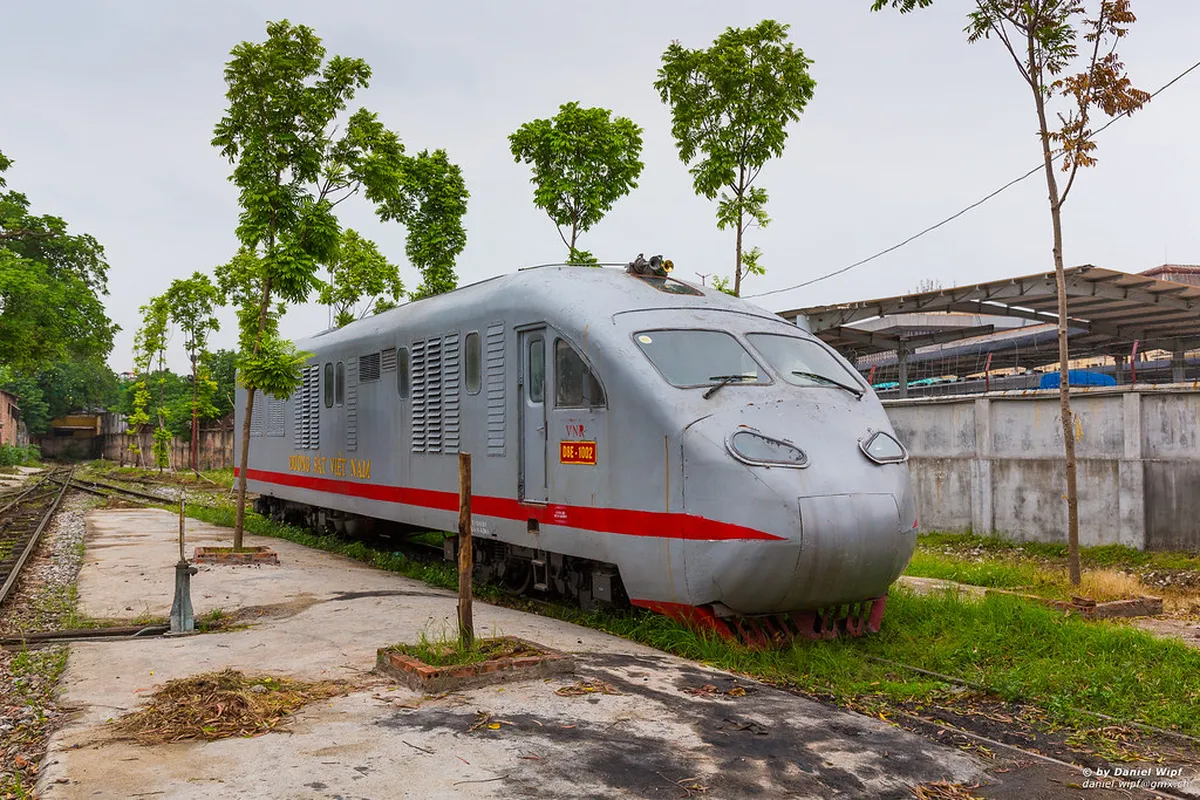
A separate southern stretch lies around Le Duan and the lanes near Kham Thien. It is farther from the Old Quarter’s main sights but can feel less compressed, with different cafés and sightlines. Do not assume a timetable quoted for Tran Phu applies exactly at Le Duan: the same train reaches the two sections several minutes apart, and its direction determines which location it passes first.
Choose one section before arranging transport, then send the café’s exact map pin to your driver rather than entering “Train Street” alone. Confirm the next expected train directly with that café on the day of your visit, because railway operations and local access controls can change without matching online listings.
Frequently Asked Questions
Is Hanoi Train Street open in 2026?
Yes, Hanoi Train Street is open in 2026. Access requires purchasing a drink and getting cafe owner permission—it's not freely accessible. The street was temporarily closed in 2019 and again after a 2022 incident. It has since reopened but authorities occasionally threaten closure. Check conditions immediately before visiting.
When should I visit Train Street: day or night?
Weekends offer daytime trains (8:30 AM through 6:00 PM), making them ideal for photography and comfort. Weekday evenings (7:00 PM onwards) are atmospheric but darker, reducing photo quality. Choose weekends if photography matters; choose weekdays if you want fewer tourists and a more authentic local experience. First-time visitors benefit from weekend daytime visits to understand the layout safely.
How much does it cost to visit Hanoi Train Street?
Visiting itself is free, but you must purchase a drink to gain cafe access. Drinks cost 30,000-60,000 Vietnamese Dong (about $1.50-$2.50 USD). A taxi from the Old Quarter costs roughly $4-5 USD. Guided tours typically range $25-50 USD and include transportation, drinks, and food stops. Budget $10-20 USD total if going independently; $40-70 USD if booking a tour.
How long does it take to see a train pass?
Plan 1-2 hours at Train Street. Arrive 30 minutes early to secure a cafe spot. The train passes in under 5 minutes, but you'll spend time sipping coffee and chatting with owners. If trains run late (common), you may wait longer. Guided food tours typically span 2-3 hours total.
Is Train Street safe for families with children?
Yes, but carefully. Keep children close and off the tracks at all times. Cafe seating is safer than standing near active rails. Noise and vibrations may frighten young kids. Families prefer guided tours where professionals manage group safety and pacing.
Hanoi Train Street offers one of Vietnam's most unique and authentically thrilling travel experiences. It's neither a typical tourist attraction nor a peacefully nostalgic neighborhood—it's a living, working street where locals have adapted to global attention. The experience feels genuine precisely because it's risky, uncommercialized in spirit, and reliant on human hospitality.
Before visiting, respect the core rules: buy a drink, listen to cafe owners, stay safe, and remember that you're visiting someone's neighborhood, not an amusement park. With proper planning, timing, and mindfulness, a Train Street visit becomes a memorable moment where you'll see how Hanoi's residents balance tourism with daily life. Whether you go independently or book a tour, arriving prepared and respectful transforms the experience from risky novelty into genuine cultural exchange.
Start your Hanoi exploration by understanding neighborhood context before committing to specific attractions. Train Street pairs well with food tours and Old Quarter wandering, creating a fuller picture of Hanoi's character. The memories from this experience—the rumble of the train, the taste of Vietnamese coffee, the faces of cafe owners—will outlast most typical tourist photos.
Take the route offline
Free: the Hanoi route notes
Where to base yourself and what it costs, a day-by-day route that avoids backtracking, real transfer times and fares, seasonal timing, and where it connects onward — condensed from our Hanoi guides and made to take offline.
Keep unfolding Vietnam
Continue along the route
Three nearby guides for the next decision in your trip.


