

Photo: NH53 via Flickr (CC BY 2.0)
Hoi An 3 Day Itinerary Travel Guide
Plan a 3-day Hoi An itinerary covering Ancient Town, tailoring, rice fields, My Son Sanctuary, costs, opening hours, and where to stay.
On this page
Hoi An is Vietnam's most iconic trading city, famous for lantern-lit streets, yellow French colonial architecture, and a riverside that feels frozen in time. The Ancient Town draws thousands of visitors daily, but three days is enough to experience its essence without burning out. You'll explore centuries of history, shop for custom-made clothing, eat like a local, and watch the river glow with lanterns at night.
This guide is built for first-time visitors who want to maximize their Hoi An experience on a tight timeline. Last updated July 2026. We recommend following this structure to hit the best attractions, understand neighborhoods, and book key experiences ahead of time.
Three days lets you see the Old Town, venture into rice fields, visit My Son Sanctuary, and enjoy evening lantern experiences. You'll discover why Hoi An remains one of Asia's most photographed destinations, yet still feel the rhythm of everyday Vietnamese life beneath the tourism.
Key Takeaways
- Hoi An is Vietnam's most iconic trading city, famous for lantern-lit streets, yellow French colonial architecture, and a riverside that feels frozen in time.
- The Ancient Town draws thousands of visitors daily, but three days is enough to experience its essence without burning out.
- You'll explore centuries of history, shop for custom-made clothing, eat like a local, and watch the river glow with lanterns at night.
- This guide is built for first-time visitors who want to maximize their Hoi An experience on a tight timeline.
Take the route offline
Free: the Hoi An route notes
Where to base yourself and what it costs, a day-by-day route that avoids backtracking, real transfer times and fares, seasonal timing, and where it connects onward — condensed from our Hoi An guides and made to take offline.
Hoi An at a Glance: 3-Day Overview
Use this snapshot to see your three days at a glance. Each day balances exploration, cultural immersion, and downtime. We've grouped stops by neighborhood to minimize backtracking and maximize energy.
- Day 1: Old Town & tailor shops
- Morning: Hoi An central market, narrow street exploration, tailor consultations
- Afternoon: Old Town temple visits, assembly halls, local lunch stops
- Evening: Rice field cycling, riverside walk, lantern-lighting boat ride
- Day 2: Rice fields & cooking class
- Morning: Walk rice paddies north of town, peaceful exploration, local farm interaction
- Afternoon: 3–4 hour cooking class with market visit and meal
- Evening: Relax at cafe, explore night markets, light street food dinner
- Day 3: My Son ruins & memories show
- Morning: Early pickup for 2-hour drive to My Son Sanctuary UNESCO site
- Afternoon: Return to town, rest, optional beach or neighborhood exploration
- Evening: Hoi An Memories Show cultural performance, final riverside lantern moment
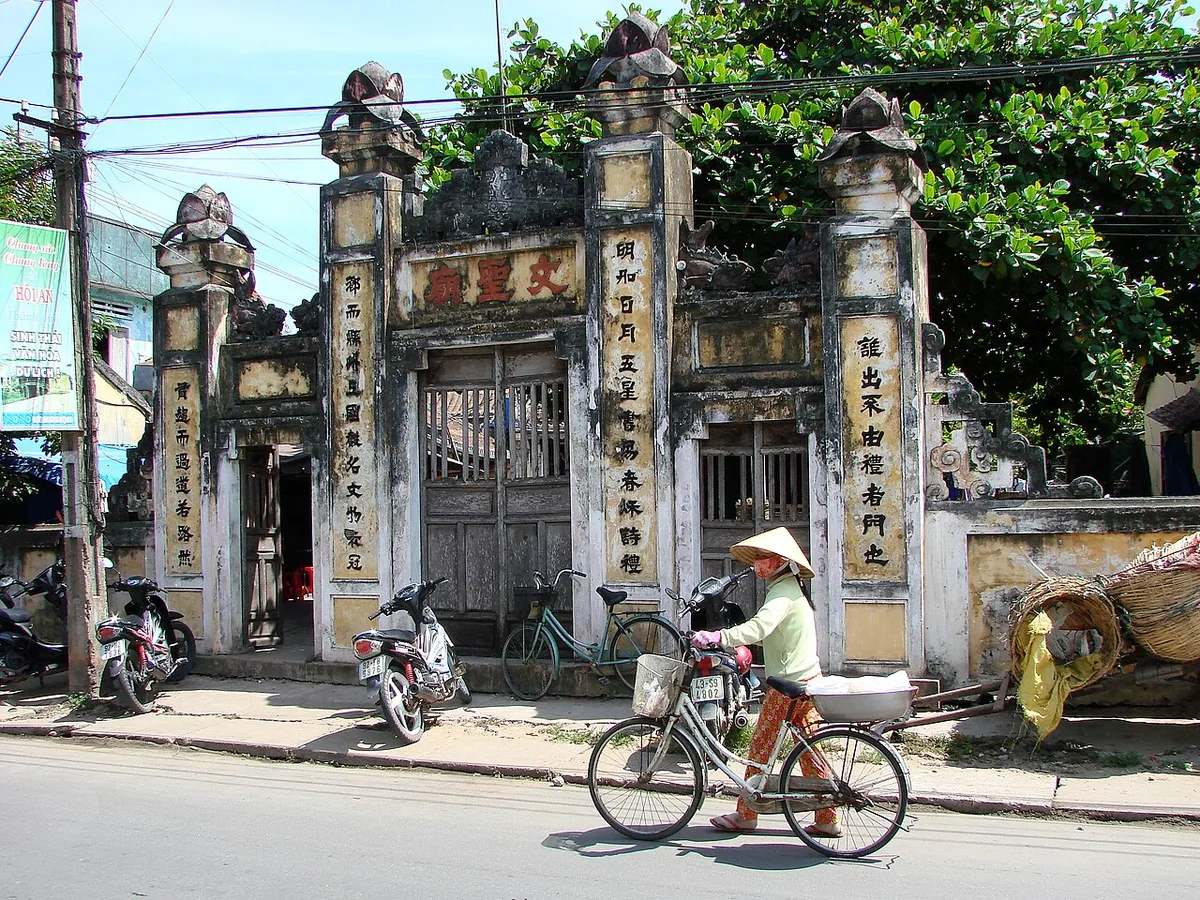
The Ultimate 3-Day Hoi An Itinerary
We've designed this itinerary to minimize backtracking and maximize authentic experiences. Most visitors arrive from Da Nang airport, 45 minutes south, so we start with Old Town orientation. By day three, you'll have visited major attractions without feeling rushed.
Hoi An experiences significant crowd buildup in Old Town by 9:30 AM. Starting exploration by 8:00 AM allows visitors to move freely through narrow streets, avoid midday heat, and discover peaceful rice fields during golden hour before crowds arrive.

A key observation: Hoi An is extremely touristy, especially along the riverside at night and inside Old Town after 6 PM. We recommend starting your Old Town exploration early (by 9 AM) to beat crowds and heat. Most visitors find the 11 AM Louvre-equivalent Old Town crowd surge builds by 9:30 AM—arrive earlier to move freely.
Budget roughly 2–4 million VND ($80–$160) for three days, including hostel stays, meals, local transport, and attraction tickets. This estimate assumes budget-friendly hostel stays ($8–$15/night) and street food meals ($2–$5 per meal). A cooking class or My Son tour will be your biggest single expense ($16–$32 each).
Transport between stops is simple: rent a bike for 25,000–50,000 VND ($1–$2) per day, use Grab (around 40,000–80,000 VND/$1.70–$3.40 per ride), or walk. Most of Hoi An is walkable, so combine all three modes depending on distance and energy. Bicycles are ideal for rice fields; Grab works best for rainy days or long distances.
- Day 1: Ancient Town & tailor shops
- Morning: Start by 8:00 AM at Hoi An central market (open daily 7 AM–noon). Browse produce, fish, and local goods to understand daily rhythms.
- Afternoon: Purchase an Old Town ticket (120,000 VND/$5.15) for entry to 5 attractions. Visit the Fujian Assembly Hall, Chinese Assembly Hall, or any temple of interest. Lunch at banh mi or pho stand (30,000–40,000 VND/$1.30–$1.70).
- Evening: Rent a bike and cycle to rice fields north along Hai Ba Trung street (10–15 minute ride). Walk narrow paths between paddies during golden hour, then return for riverside dinner and optional 30-minute boat ride with lantern lighting (100,000–150,000 VND/$4–$6.50).
- Time: 10 hours of activity plus evening rest.
- Logistics: Bring water and sunscreen; heat is intense before noon. Wear comfortable walking shoes; Old Town has uneven stone paths. Keep cash; many vendors don't accept cards.
- Optional: Skip rice fields and visit An Nang Beach instead (5 km south, 20 minutes by bike). Quieter than Old Town, free entry.
- Day 2: Rice fields & cooking class
- Morning: Head to rice fields via Hai Ba Trung by 8:30 AM. Most visitors find fields peaceful before 9 AM; crowds build mid-morning. Walk for 1–2 hours on narrow paths, chat with farmers if working. Return by 10 AM.
- Afternoon: Join a cooking class at Vy's Market or a local home (500,000–800,000 VND/$20–$32 per person). Classes run 3–4 hours including market visit, cooking instruction, and eating your meal. Learn to make banh mi, spring rolls, or local fish cakes.
- Evening: Rest at accommodation or visit a local coffee shop for coconut coffee (30,000–50,000 VND/$1.30–$2). Dinner at a family-run restaurant away from Old Town tourist zones. Optional cycling tour if energy permits.
- Time: 9–10 hours including rest.
- Logistics: Book your cooking class on day 1; popular classes fill quickly. Wear long pants and closed shoes to rice fields (sun, insects, muddy paths). Cooking classes include ingredients and instruction but require basic fitness.
- Optional: Swap cooking class for a full-day Ba Na Hills tour (600,000–800,000 VND/$24–$32). Includes mountain temple, cable car, and cooler climate. Better for heat-sensitive travelers.
- Day 3: My Son Sanctuary & memories show
- Morning: Take an organized tour to My Son Sanctuary, 40 km west (2–2.5-hour drive each way). UNESCO site with Cham ruins dating to the 4th century. Tour cost: 400,000–600,000 VND ($16–$24). Arrive early; gates open 7 AM and crowds build by 9 AM.
- Afternoon: Rest at accommodation after the long morning; most visitors feel fatigued by midday. Optional: visit An Nang Beach or explore neighborhoods you missed on day 1. Prepare for evening by having early dinner by 6:30 PM.
- Evening: Watch the Hoi An Memories Show (300,000–400,000 VND/$12–$16 per ticket). Cultural performance in a purpose-built theater at 8 PM. After the show, head to the riverside for a final lantern moment.
- Time: 8–9 hours including rest.
- Logistics: Book My Son and Memories Show on day 1; both require advance reservations. Bring hat and sunscreen for My Son; the site has limited shade. Show starts at 8 PM; plan dinner by 6:30 PM.
- Optional: Skip My Son (long drive, moderate crowds) and book a Hoi An Food Tour instead (400,000–600,000 VND/$16–$24). Includes street food, market visit, and cooking demo.
Book These Attractions in Advance
Three must-book experiences fill up quickly, especially during high season (March–July). Here's what requires reservations and typical lead times for each.
Three must-book experiences fill up quickly during peak season. My Son Sanctuary tours need 2–3 days advance notice, the Hoi An Memories Show requires 1–2 days with 8 PM slots filling first, and popular cooking classes book 3–7 days ahead, especially with experienced instructors.
Old Town Ticket (120,000 VND/$5.15): Entry to five attractions—typically two temples, one assembly hall, one house, and one museum. Tickets are valid for 24 hours and available daily 8 AM–5 PM. Buy on arrival; mornings often have shorter lines than afternoons.
My Son Sanctuary Tour (400,000–600,000 VND/$16–$24): Book at least 2–3 days ahead, especially for small-group or private tours. Many hotels arrange same-day bookings, but tour quality and guide attention vary with advance reservations. Most tours depart at 6:30 AM and return by 2:00 PM.
Hoi An Memories Show (300,000–400,000 VND/$12–$16): Book 1–2 days ahead via tour operators or hotel concierge. The 8 PM slot fills first; 7 PM and 9 PM shows have more availability. Show duration is approximately 1 hour.
Cooking Classes (500,000–800,000 VND/$20–$32): Reserve 1–2 days in advance. Popular instructors often fully booked 3–7 days ahead during peak season. Classes typically run 3–4 hours, including market visits and lunch.
Where to Stay in Hoi An
Hoi An's accommodation varies by location and budget. We recommend staying inside or near Old Town for evening lantern access and walkable dining, though prices reflect that convenience. All neighborhoods are compact; the choice matters less than your comfort and budget tier.
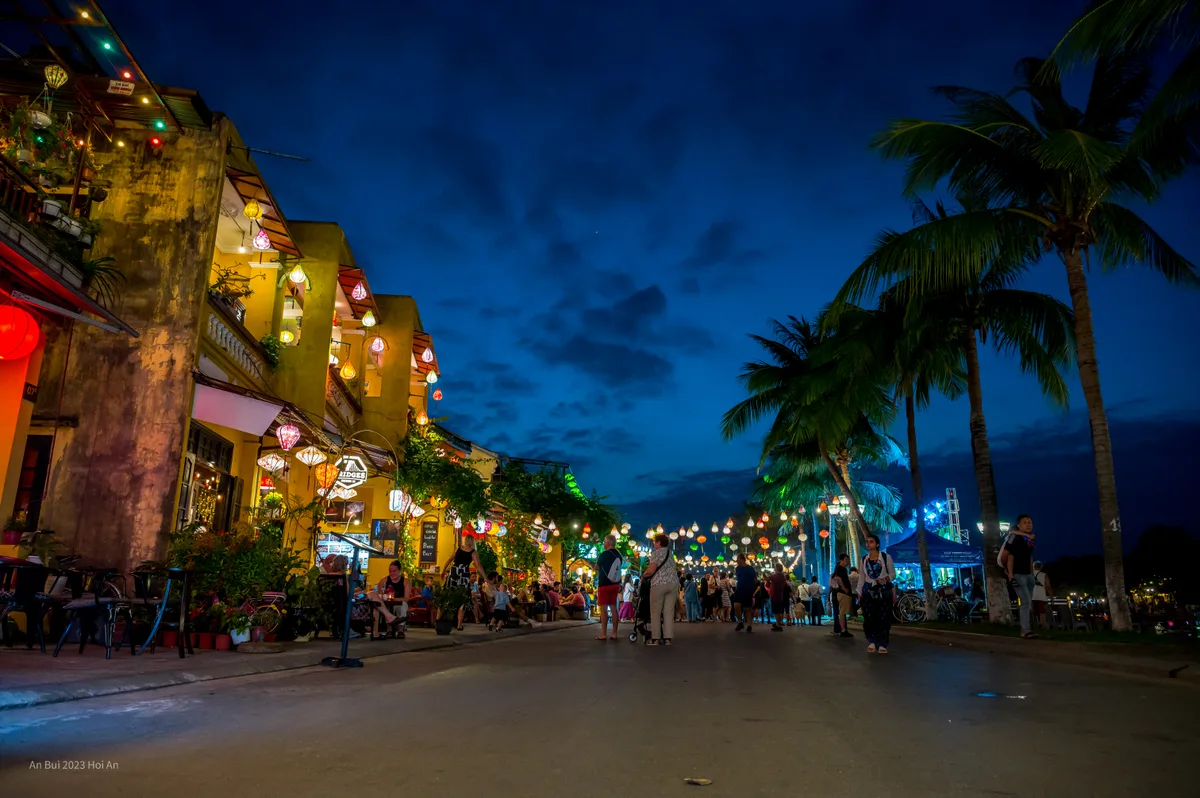
Budget Hostels ($8–$15/night): Mad Monkey Hostel and the Imperfect Hostel offer social atmospheres, bike rentals, and helpful staff. Expect shared dorms and basic amenities, but central locations make exploring effortless. These are ideal for solo travelers and group backpackers.
| Accommodation Type | Price Range | Key Features | Ideal For |
|---|---|---|---|
| Budget Hostels | $8–$15/night | Shared dorms, social atmosphere, bike rentals, basic amenities, central locations | Solo travelers and group backpackers |
| Mid-Range Hotels | $30–$70/night | Private rooms, wifi, pools or courtyards, often include breakfast | Couples, families, travelers wanting private space |
| Luxury Resorts | $100+/night | River views, spas, fine dining, 2–4 weeks advance booking during peak season | Luxury seekers |
Mid-Range Hotels ($30–$70/night): La Siesta Hoi An, Mulberry Silk Village Resort, and Hoi An Chic offer private rooms, wifi, and pools or courtyards. Many include breakfast; you'll find a good balance of comfort and value. This tier suits couples, families, and travelers wanting private space without luxury pricing.
Luxury Resorts ($100+/night): High-end properties offer river views, spas, and fine dining. Most travelers don't need this tier for three days, but luxury seekers should book well ahead. Reserve luxury properties 2–4 weeks in advance during peak season.
Our recommendation: mid-range hotels like Hoi An Chic or Mulberry if you want comfort without cost, or budget hostels if you prefer meeting travelers. All are within walking distance of Old Town and riverside attractions.
Extend Your Stay: What if You Have 4 Days?
Adding a fourth day opens two strong day-trip options or a slower local pace. We recommend choosing based on your heat tolerance, history interest, and energy level.
Ba Na Hills (full day, 600,000–800,000 VND/$24–$32): Located 45 km away near Da Nang, Ba Na Hills is a mountain resort with a cable car, colonial-era French church, and noticeably cooler climate. Tours include hotel pickup, lunch, and guide. This is ideal if you want a break from crowds or need relief from heat.
Hue Imperial City (full day, 500,000–800,000 VND/$20–$32): Located 120 km north, Hue was Vietnam's royal capital. Day tours include the Citadel, royal tombs, and riverside. The drive crosses the famous Hai Van Pass—a dramatic scenic route. Early pickup (6 AM) and late return (8 PM) required.
Local Option (relaxed day 4): Skip tours and spend your fourth day revisiting a favorite spot—rice fields, markets, or coffee shops. Rent a bike and cycle to An Nang Beach, 5 km south, for swimming and quiet beach dining. Enjoy meals without rushing; many travelers find this the most memorable day.
Best fit: Ba Na Hills if you crave new scenery and mountain coolness. Hue if you're a history buff and don't mind long travel. Relaxed local day if you prefer recharging over sightseeing.
Getting to & Around Hoi An
Most travelers fly into Da Nang International Airport, 45 km south of Hoi An. From there, the journey takes 45 minutes to 1 hour depending on transport mode. Flight times from Ho Chi Minh City to Da Nang are approximately 2 hours.
From Da Nang Airport: A shuttle booked through your hostel costs 150,000 VND ($6.50) and departs hourly. Private taxis run 300,000–400,000 VND ($12–$16). Grab (ride-hailing app) typically costs 80,000–120,000 VND ($3.20–$4.80) and is available via smartphone.
Local Transport: Rent a bicycle for 25,000–50,000 VND ($1–$2) per day from your hotel or street vendors. Grab scooter or car rides cost 40,000–80,000 VND ($1.70–$3.40) per short trip within town. Walking covers most of Hoi An in under 20 minutes and is free.
We recommend combining walking (free, best for discovery), occasional bike rides (cheap, good for rice fields and beaches), and Grab for longer distances (reliable and safe). This mix balances cost, speed, and authentic exploration. Transport infrastructure is straightforward; most travelers navigate easily without taxis.
How to Plan Tailor Fittings in Hoi An
Hoi An’s tailoring process needs more than a single consultation, so place any order on the morning of day one. Tailor shops cluster around Trần Hưng Đạo, Nguyễn Thái Học, and Lê Lợi streets, while fabric stalls inside Hoi An Central Market offer another option for comparing materials. Bring reference photos and discuss the fabric, lining, pockets, fastenings, and intended fit before measurements are taken.
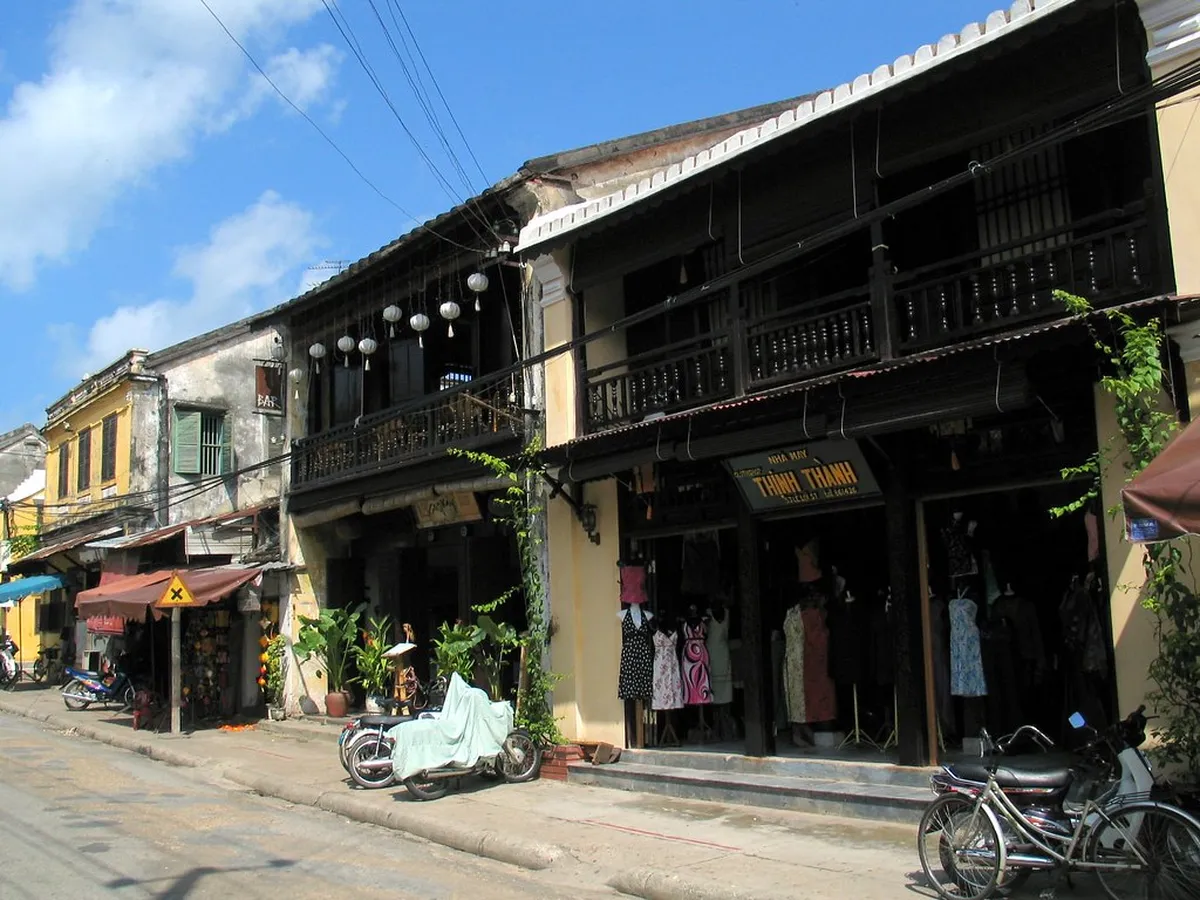
Allow time for at least two fittings. The first fitting usually reveals issues with sleeve length, trouser rise, shoulder shape, or waist placement; a final fitting lets you check the adjustments before leaving town. Wear the shoes and undergarments you expect to use with the finished garment, especially for dresses, suits, and fitted trousers.
- Confirm the final price, completion time, number of fittings, and accepted payment method before work begins.
- Inspect seams, hems, zippers, buttonholes, and lining in good light.
- Do not schedule collection immediately before your transfer to Da Nang; keep several hours available for corrections.
Official Planning Checks Before You Go
Use the official Vietnam Tourism Hoi An guide for destination context and the UNESCO Hoi An listing for a second official baseline. Recheck any opening hour, fare, timetable, closure, access rule, weather risk, or booking condition with the responsible operator shortly before travel; an official destination overview is not a live inventory or service guarantee.
Frequently Asked Questions
How many days should you spend in Hoi An?
Three days is the minimum for first-timers to see Old Town, rice fields, and My Son Sanctuary without rushing. We recommend three days if you're on a tight Vietnam itinerary, or four to five days to include Ba Na Hills or Hue and explore neighborhoods at a relaxed pace. Two days feels too short; you'll sacrifice either My Son or cooking classes.
What's the best time to visit Hoi An?
March through July offers warm, dry weather and minimal rain—ideal for exploring and photography. August to October is monsoon season (humid, occasional Old Town flooding). November to February is cool and pleasant, but peak-season crowds and higher prices apply. Choose based on your heat tolerance and crowd preferences.
How much should you budget for three days in Hoi An?
Budget 2–4 million VND ($80–$160) total, including hostel stays ($8–$15/night), meals ($3–$10/day), transport ($5–$10/day), and attraction tickets ($20–$40). A cooking class or My Son tour ($16–$32 each) will be your largest single expense. Mid-range travelers staying in nicer hotels should budget 4–6 million VND ($160–$240).
Can you do a cooking class in one day?
Yes. Most cooking classes run 3–4 hours (typically 1 PM–5 PM) and include market visits, cooking instruction, and eating your meal. Popular options fill 1–2 days ahead, especially in high season. We recommend day 2 of this itinerary to avoid fatigue from day 1 exploration and allow time for tailor fittings.
Is 3 days enough to see Hoi An?
Three days covers the highlights: Old Town, tailor shopping, rice fields, My Son Sanctuary, and evening lanterns. You won't see every temple or beach, but you'll experience Hoi An's essence. Some travelers prefer a slower four-day pace; two days misses critical experiences like My Son and feels rushed.
Three days in Hoi An strikes a balance between immersion and pace. You'll explore a UNESCO heritage site, support local tailors and cooking teachers, watch lanterns on the river, and understand why this ancient trading city captivates travelers worldwide.
Book your tailor, My Son tour, and cooking class before arrival. Rent a cheap bike, eat street food, and wander rice fields at sunrise. Leave room for spontaneity—some of your best moments will happen when you stop following the map.
Hoi An is worth the trip from anywhere in Central Vietnam. Start planning your visit to Vietnam's city of lanterns today.
Take the route offline
Free: the Hoi An route notes
Where to base yourself and what it costs, a day-by-day route that avoids backtracking, real transfer times and fares, seasonal timing, and where it connects onward — condensed from our Hoi An guides and made to take offline.
Keep unfolding Vietnam
Continue along the route
Three nearby guides for the next decision in your trip.


