

Da Nang Travel Planning Hub Travel Guide
Plan your Da Nang travel planning hub with top picks, neighborhood context, timing tips, and practical booking advice for a smoother trip.
On this page
Da Nang is Central Vietnam's busiest hub for beach trips, mountain escapes, and cultural side journeys. The city balances easy beach access, authentic food, and direct flights from major cities.
Hoi An and Hue—both UNESCO World Heritage Sites—sit just 40–120 minutes away by road. Whether you visit for three days or two weeks, smart planning prevents common first-time mistakes.
Your first choice—where to stay—shapes neighborhood access, transport ease, and available side trips. This planning hub covers five core decisions: how many days you need, when to visit, where to base yourself, how to move around, and which nearby attractions deserve time. Last updated July 2026.
Key Takeaways
- Da Nang is Central Vietnam's busiest hub for beach trips, mountain escapes, and cultural side journeys.
- The city balances easy beach access, authentic food, and direct flights from major cities.
- Hoi An and Hue—both UNESCO World Heritage Sites—sit just 40–120 minutes away by road.
- Whether you visit for three days or two weeks, smart planning prevents common first-time mistakes.
Take the route offline
Free: the Da Nang route notes
Where to base yourself and what it costs, a day-by-day route that avoids backtracking, real transfer times and fares, seasonal timing, and where it connects onward — condensed from our Da Nang guides and made to take offline.
Days in Da Nang
Most first-time visitors spend three to four days in Da Nang and find it well-balanced. The city itself doesn't require a week; your stay length depends on which nearby attractions matter to you.
Two to three days covers My Khe Beach time, evening riverside walks, and one dinner in the An Thuong neighborhood. This window suits beach-focused travelers or those combining Da Nang with a longer Hoi An stay. You'll feel rushed if you attempt side trips—stick to the beach, river, and local cafés instead.
Three to four days adds one nearby attraction, usually Hoi An Ancient Town (40 minutes south) or Ba Na Hills (1–1.5 hours west). Most Da Nang 3-day itineraries recommend this length because it balances beach time, city food discovery, and cultural access without burnout. Choose Hoi An if you want lantern-lit streets, ancient markets, and walkable Old Town exploration.
Choose Ba Na Hills if you prefer cable car rides, the golden "giant hands" bridge, and escape-the-heat mountain weather. Five to seven days lets you experience multiple beach neighborhoods, revisit favorite restaurants, and fit two optional side trips like Hoi An and Hue.
This suits travelers who prioritize food discovery, photography, accommodation variety, and less-rushed pacing. You'll develop a neighborhood rhythm—morning coffee spot, beach preference, evening restaurant—instead of constant hotel changes. Seven to fourteen days opens up secondary neighborhoods, Hai Van Pass road trips, and surrounding fishing villages.
This length appeals to photographers, food enthusiasts, digital nomads, and anyone planning a multi-week Central Vietnam journey. Many travelers rent scooters or book private transport to explore beyond main tourist zones.

Best Time to Visit Da Nang
Da Nang has two distinct seasons, and your timing preference determines comfort, cost, and crowds. The dry season (March–August) brings sunshine and warmth; the rainy season (September–February) delivers cooler weather and fewer tourists.
Rainy season (September–February) brings cooler temperatures (20–25°C), 20–30% lower accommodation costs, and significantly fewer tourists. Showers are brief and don't ruin days. Travelers prioritizing comfort and budget over the highest chance of sunshine benefit most from this season.

Dry season sunshine is ideal for beach days and outdoor sightseeing, but expect peak tourism and higher hotel prices. Temperatures regularly exceed 30°C (86°F), so schedule outdoor activities early (sunrise–10am) and late (after 3pm) to avoid midday heat. Beaches are most crowded June–August, which means longer waits for shade, full restaurant tables, and booked tours.
Rainy season months (September–February) bring occasional showers, but days are often sunny between brief downpours. Temperatures drop to 20–25°C (68–77°F), making walking and exploration comfortable without extreme heat. Tourism dips significantly, so hotels cost 20–30% less and attractions feel less crowded.
Shoulder months like March–April and September–October offer balance: warming weather without peak-season crowds or heat. These windows often provide the best value and comfort for first-time visitors. Check the climate chart for Da Nang to verify specific month conditions before booking.
Getting Around Da Nang
Da Nang's airport sits about 2 km from the city center, making ground transport quick and affordable. Most hotels are reachable within 10–15 minutes by taxi or pre-booked transfer, making arrival and departure simple.
Grab, the Southeast Asian rideshare app, is the cheapest and most reliable daily transport option. Fares are transparent, drivers are rated by users, and payment is cashless via the app. Most rides within the city center cost 30,000–60,000 VND ($1.25–$2.50 USD).
Taxis are available at the airport and throughout the city, but always verify the meter is running. Agreeing to a flat fare before getting in can result in overcharging. If Grab isn't convenient, ask your hotel to call a metered taxi instead.
Private car with driver is the best option for groups, multi-day side trips, or travelers wanting a personal guide. Hotels can arrange this in advance; typical daily rates range from 800,000–1,500,000 VND ($33–$62 USD) for a full day with driver. This option eliminates language barriers, parking stress, and navigating unfamiliar roads.
Scooter rentals are popular with experienced riders, but traffic etiquette differs from Western countries. Helmets are required, and riders need a licence and permit combination legally recognized in Vietnam for the exact vehicle category; a shop agreeing to rent a scooter does not establish legality or insurance coverage. First-time visitors typically avoid scooters and use Grab or taxis instead.
Where to Stay in Da Nang
Da Nang neighborhoods vary dramatically by vibe, pace, and traveler type. Choosing the right area early prevents the frustration of a mismatched stay.
My Khe Beach is the safest all-round base for first-timers, especially solo travelers and families. This 6 km stretch of sand has the most hotels, restaurants, and beach infrastructure of any area. Accommodation ranges from budget hostels to luxury resorts; prices vary widely by season and property type.
The An Thuong neighborhood (just inland from My Khe) offers walkable café culture, casual local food, and younger traveler vibes. This district has become the heart of Da Nang's coffee scene and nightlife. Stay here if walkability and food-focused exploration matter more than direct beach access.
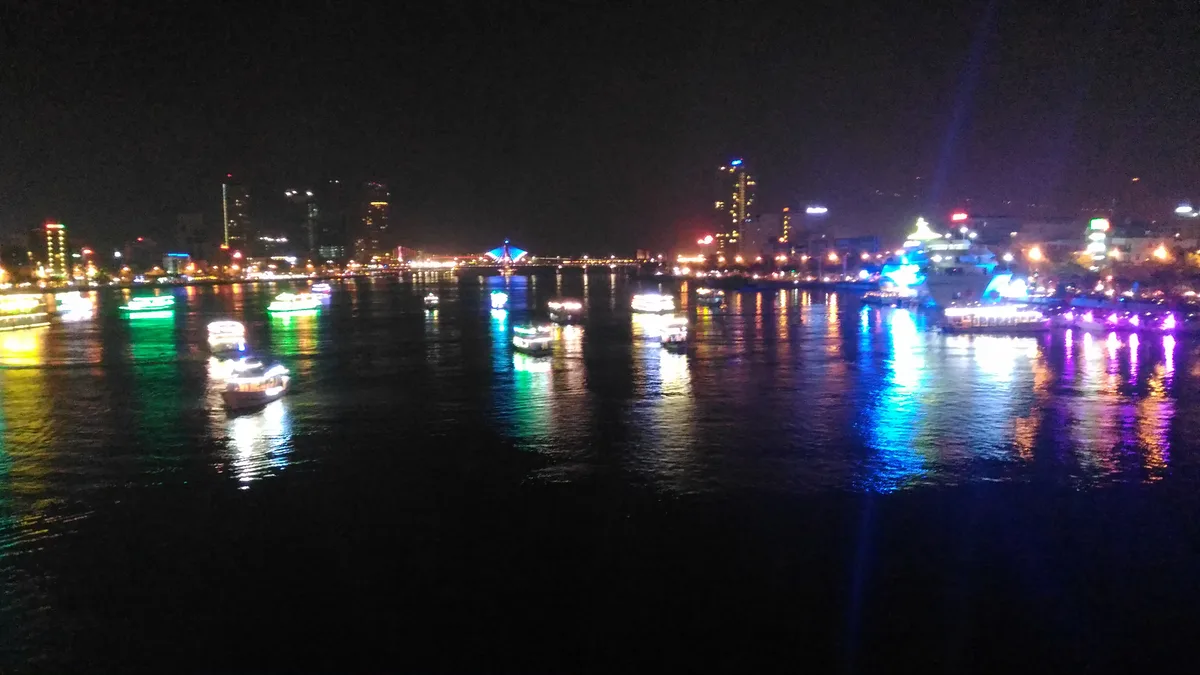
Han River area hotels offer city nights, iconic Dragon Bridge views, and close proximity to the airport. This zone balances beach access (10–15 minutes by taxi) with urban energy and evening river cruises. Best for travelers who value nightlife, river views, and convenient airport connections.
Non Nuoc Beach (south of My Khe) suits families and resort-focused travelers who want slower pace and full facilities. This area has fewer independent restaurants but more organized water sports and family amenities. Son Tra Peninsula (north of My Khe) offers the most scenic, upscale, and secluded beach experience.
Son Tra hotels are pricier but provide isolation, ocean views, and access to nature reserves. Choose this area only if you prioritize luxury, quiet, and scenic beauty over walkable neighborhood access. Book hotels using Booking or other major platforms for verified rates and reviews.
Best Day Trips from Da Nang
Da Nang's strategic location within Central Vietnam opens access to four iconic day trips. Each destination offers distinct experiences and benefits different traveler interests.
Hoi An Ancient Town is the most popular day trip, sitting just 40 minutes south by road. UNESCO-listed Old Town features lantern-lit streets, local markets, and centuries-old French-Vietnamese architecture. Plan at least half a day for walking, photography, and casual meals at riverside restaurants.
| Destination | Travel Time | Highlights | Duration | Best For |
|---|---|---|---|---|
| Hoi An Ancient Town | 40 minutes south | Lantern-lit streets, local markets, centuries-old architecture | 4–6 hours | UNESCO Old Town exploration, day trips |
| Ba Na Hills | 1–1.5 hours west | Cable car, golden Dragon Bridge, theme park, 8–10°C cooler | 4–6 hours | Escape-the-heat days, mountain views |
| Hue | 2 hours north | Imperial citadel, royal tombs | Overnight recommended | Deeper imperial history exploration |
| Hai Van Pass | Variable | Mountain viewpoints, photography stops, quiet beach villages | Half to full day | Self-drivers, scenic routes, photography |
Ba Na Hills sits 25 km west of the city center at nearly 1,500 meters elevation. The cable car ride takes 15 minutes up the mountain, where the golden Dragon Bridge and theme park attractions dominate. Temperatures are 8–10°C cooler than the city, making this ideal for escape-the-heat days.
To enjoy the best Dragon Bridge views, arrive at least 30 minutes early for optimal photography light. If your visit coincides with the Dragon Bridge Fire Show (Friday–Sunday at 9 PM), book a cruise departing shortly before for water-based viewing. Most visitors spend 4–6 hours at Ba Na Hills; it's easy as a morning or afternoon excursion.
Hue is the northernmost option, sitting two hours north by road and offering Vietnam's imperial citadel and royal tombs. This is best as an overnight trip rather than a day trip because 4 hours of travel time limits exploration. Consider multi-day Hoi An itineraries that include Hue for deeper coverage.
Hai Van Pass is a scenic mountain drive offering viewpoints, photography stops, and quieter beach villages beyond Da Nang. This route is best for self-drivers or private car hire rather than typical day tours. Most travelers combine Hai Van Pass with Hoi An or Hue for a comprehensive Central Vietnam journey.
Tips for First-Time Visitors to Da Nang
First-time visitors often stumble on the same pitfalls—all preventable with simple preparation. Learning from common mistakes makes the difference between a rushed trip and a memorable one.
Schedule outdoor sightseeing early (sunrise–10am) and late (after 3pm) to avoid Da Nang's peak temperatures exceeding 30°C. Indoor activities like museums, cafés, and shopping malls work well midday. This approach prevents afternoon heat exhaustion during sightseeing.
Schedule outdoor sightseeing early (sunrise–10am) and late (after 3pm) to avoid midday heat. Da Nang's peak temperatures exceed 30°C, and afternoon sun can turn sightseeing into exhaustion. Indoor activities like museums, cafés, and shopping malls are ideal midday alternatives.
Book accommodations based on transport convenience, not just beachfront appeal. A walkable neighborhood with easy Grab access beats an isolated beach resort with limited dining nearby. Choose where to stay first, then plan which beaches and neighborhoods you'll explore each day.
Always verify Grab prices before accepting rides, especially from the airport or late at night. Surge pricing can double normal fares during peak hours; sometimes a taxi or pre-booked transfer is cheaper. Download the Grab app before arriving to avoid airport SIM delays.
Arrive at popular attractions at least 30 minutes early, especially sunrise visits and Dragon Bridge viewpoints. Early arrival secures parking, avoids crowds, and gives better lighting for photography. This applies especially to My Khe Beach, Marble Mountains, and Ba Na Hills.
Eat at neighborhood restaurants rather than tourist-focused beachfront venues for better value and authentic food. Ask hotel staff for nearby café and eatery recommendations; they know local favorites and current opening hours. Many excellent local spots don't have English menus, but photos on the phone can help ordering.
Quick Decision Guide: Which Da Nang Article Should You Read Next?
This hub article covers the five core planning decisions, but specialized guides go deeper into each. Use this routing guide to find the next article that matches your immediate need.
Not sure where to stay? Start with the Where to Stay in Da Nang section above, then dive deeper into neighborhood details. Comparing specific beach areas? Read the Da Nang Beach Hub guide to understand trade-offs between My Khe, An Thuong, and other districts. These specialized guides explain which neighborhoods fit different traveler types and trip styles.
Planning how many days you need? The Days in Da Nang section explains what's possible in 2–3 days, 4–5 days, and beyond. Once you pick a length, check a sample Da Nang 3-day itinerary to see how time actually flows. Multi-day itineraries show meals, transport, and pacing in real detail.
Worried about arrival and transport? The Getting Around Da Nang section covers airport transfers, Grab use, and daily movement options. Ready to book hotels? Use major platforms like Booking to compare prices, read recent reviews, and verify current availability. The Where to Stay section recommends specific neighborhoods; specialized hotel guides drill into budget, luxury, and family options.
Still unsure about timing? The Best Time to Visit section breaks down dry season, rainy season, and shoulder month trade-offs. Check the climate chart for Da Nang to see actual temperature and rainfall patterns. Pair that data with hotel pricing trends to pick your ideal window.
Want to explore nearby attractions? The Best Day Trips section details Hoi An, Ba Na Hills, Hue, and Hai Van Pass options. Each day trip explanation includes travel time, what to see, and how long to spend. Use these details to plan which side trips fit your available days and interests.
Buying and Using SIM Cards & eSIMs
Staying connected in Da Nang requires a quick SIM or eSIM decision before arrival. Both options have trade-offs; the right choice depends on your phone type and data needs.
eSIM (embedded SIM) lets you activate a plan using your phone's settings without swapping physical cards. Most modern iPhones and newer Android phones support eSIM; check your phone's compatibility before landing. eSIM plans are convenient but typically cost more than local SIM rates (e.g., $15–30 USD for 7 days).
Local SIM cards cost far less ($2–8 USD for weekly plans) and work on any phone with a SIM slot. Buy a local SIM at the airport counter, Viettel store, or convenience shops like Circle K throughout the city. Viettel and Mobiphone offer the best coverage and reliable speeds in Da Nang.
Plan options range from day passes (about 50,000 VND per day) to monthly subscriptions. A 7-day plan typically costs 200,000–300,000 VND ($8–12 USD) with good data speeds. Ask the shop staff to top-up and activate the plan; they usually handle setup quickly.
Both Viettel and Mobiphone have strong 4G coverage throughout Da Nang, beaches, and nearby towns. You can use Grab, Google Maps, and messaging apps without lag or drops. If you need a working SIM immediately after landing, pre-arrange eSIM setup or buy a local SIM at the airport terminal.
Da Nang Planning Routes by Traveler Type
Choose a route that matches your priorities rather than trying to combine every major sight. Beach-focused travelers can base themselves near My Khe, swim early in the morning, explore the cafés and restaurants of An Thuong during the hottest hours, and walk along the Han River after sunset. Culture-focused visitors should pair the Museum of Cham Sculpture with the Marble Mountains, then reserve a separate afternoon and evening for Hoi An Ancient Town.

Families generally benefit from fewer hotel changes and shorter transfers. My Khe provides easy access to food and the beach, while a private car simplifies visits to Ba Na Hills or Hoi An. Travelers interested in scenery can devote a day to Son Tra Peninsula, stopping near Linh Ung Pagoda and coastal viewpoints, then take another day for the Hai Van Pass toward Lang Co.
Food-focused visitors should divide their time between An Thuong, the city-center streets west of the Han River, and local markets such as Con Market. Digital nomads usually find An Thuong the most practical base because cafés, restaurants, laundry services, and the beach are concentrated within a compact area.
Official Planning Checks Before You Go
Use the official Vietnam Tourism Da Nang guide for destination context and the Vietnam Tourism trip-planning portal for a second official baseline. Recheck any opening hour, fare, timetable, closure, access rule, weather risk, or booking condition with the responsible operator shortly before travel; an official destination overview is not a live inventory or service guarantee.
Frequently Asked Questions
How many days do I actually need in Da Nang for a first-time visit?
Most first-time visitors find 3–4 days ideal. This allows beach time on My Khe, one dinner in the An Thuong food scene, and one day trip to Hoi An (40 minutes) or Ba Na Hills (1–1.5 hours). If you only have 2–3 days, stick to the beach and city center without side trips. If you have 5–7 days, add Hue or explore multiple neighborhoods at a relaxed pace. See the Da Nang 3-day itinerary for a detailed breakdown of timing and pacing.
Should I visit during the dry season or rainy season in Da Nang?
Dry season (March–August) offers sunny days and the most reliable weather, but expect peak tourism and higher prices. Rainy season (September–February) delivers cooler temperatures (20–25°C), fewer crowds, and 20–30% lower accommodation costs. Showers are brief and don't ruin days. Choose dry season if you prioritize the highest chance of sunshine and beach time. Choose rainy season if you prefer fewer tourists, comfortable temperatures, and better value. Shoulder months (March–April, September–October) balance both advantages.
What's the cheapest way to get around Da Nang once I arrive?
Grab (the Southeast Asian rideshare app) is cheapest and most convenient. Most city rides cost 30,000–60,000 VND ($1.25–$2.50 USD). Download Grab before arriving and verify prices before confirming rides. Taxis are available but require meter verification. Airport to hotel typically costs 50,000–100,000 VND ($2–4 USD) by Grab. Pre-book a transfer if you don't want to handle the app immediately after landing. Scooter rentals exist but aren't recommended for first-time visitors unfamiliar with Vietnamese traffic rules.
Which Da Nang neighborhood is best for first-time visitors?
My Khe Beach is the safest, most convenient all-round base for first-timers, families, and solo travelers. This 6 km beach has the most hotels, restaurants, and infrastructure. An Thuong (just inland) offers walkable cafés and younger vibes if food and neighborhood energy matter more than direct beach access. Han River areas balance city nights and bridge views with airport proximity. Avoid Son Tra or Non Nuoc unless you specifically want resort isolation. My Khe offers the best balance of convenience, safety, and access to food, transport, and attractions.
What's the top day trip from Da Nang that I shouldn't miss?
Hoi An Ancient Town, 40 minutes south, is the most popular and easiest day trip. UNESCO-listed Old Town features lantern-lit streets, local markets, and centuries-old architecture. Most visitors spend 4–6 hours exploring, eating, and photographing. If you prefer nature, Ba Na Hills (1–1.5 hours west) offers the golden Dragon Bridge, cable car rides, and mountain escape-the-heat relief. If you have time for an overnight trip, Hue (2 hours north) showcases Vietnam's imperial citadel. Hoi An Travel Planning Hub Travel Guide guide provides detailed walking routes and restaurant recommendations.
Da Nang works best when every planning decision supports the next one. Your choice of neighborhood determines which restaurants and cafés you find. Your itinerary length dictates which side trips fit. Your arrival time affects whether Grab or pre-booked transfer makes sense.
Start with the five core decisions: how many days, when to visit, where to stay, how to move around, and which attractions matter. Answer those questions in order, then dive into specialized guides for deeper details about neighborhoods, hotels, food, and side trips. Da Nang is one of Central Vietnam's most accessible hubs—beaches, mountains, culture, and food all within 30–120 minutes of the city center.
First-time visitors often feel overwhelmed by choice. This guide cuts through that by focusing on practical decisions, not endless activity lists. Whether you have 3 days or 3 weeks, the planning framework stays the same. Pick your area, choose your days, book your transport, and the rest falls into place.
Take the route offline
Free: the Da Nang route notes
Where to base yourself and what it costs, a day-by-day route that avoids backtracking, real transfer times and fares, seasonal timing, and where it connects onward — condensed from our Da Nang guides and made to take offline.
Keep unfolding Vietnam
Continue along the route
Three nearby guides for the next decision in your trip.


