

Photo: nyanchew via Flickr (CC BY 2.0)
Hoi An Food Route Travel Guide
Plan your Hoi An food route with this 4-stage evening guide: top stops, timing tips, booking advice, and neighborhood context for first-timers.
On this page
Hoi An's most compelling reason to visit is its street food. More than any other Vietnamese city, Hoi An protects authentic recipes that have survived generations. Evening food tours have become the best way to experience this culinary heritage. Last updated July 2026.
First-timers often wander the lantern-lit old town without a plan. A guided evening food tour makes sense if you want to eat like a local. Most tours cover 9–12 dishes, 8–9 stops, and take about 4 hours (typically 6 PM to 10 PM). You'll taste dishes unavailable anywhere else in Vietnam.
We recommend booking a tour for your first or second evening in Hoi An. You'll learn neighborhood names and local eating patterns by foot. The cost is affordable: typically $20–$30 USD per person. Soft drinks and basic beverages are usually included in the tour price.
Key Takeaways
- Hoi An's most compelling reason to visit is its street food.
- More than any other Vietnamese city, Hoi An protects authentic recipes that have survived generations.
- Evening food tours have become the best way to experience this culinary heritage.
- First-timers often wander the lantern-lit old town without a plan.
Take the route offline
Free: the Hoi An route notes
Where to base yourself and what it costs, a day-by-day route that avoids backtracking, real transfer times and fares, seasonal timing, and where it connects onward — condensed from our Hoi An guides and made to take offline.
At a Glance: Evening Hoi An Food Route (6-10 PM)
- Stage 1: Opening Bites (6:00-7:00 PM)
- Morning: Confirm tour; wear walking shoes
- Afternoon: Rest and hydrate; eat lightly
- Evening: Grilled rice cakes, white rose dumplings; ~$2–3
- Stage 2: Banh Mi Mastery (7:00-8:15 PM)
- Morning: Research famous banh mi shops
- Afternoon: Stretch; skip large meals
- Evening: Banh Mi Phuong, Madam Khanh; ~$1–2
- Stage 3: Street Finds & Gems (8:15-9:15 PM)
- Morning: Charge phone; bring cash
- Afternoon: Explore old town; nap if tired
- Evening: Home restaurants, local favorites; ~$3–5
- Stage 4: Sweet Finishes (9:15-10:00 PM)
- Morning: Wear breathable clothing
- Afternoon: Final bathroom break before tour
- Evening: Desserts, sesame soup; ~$2–3
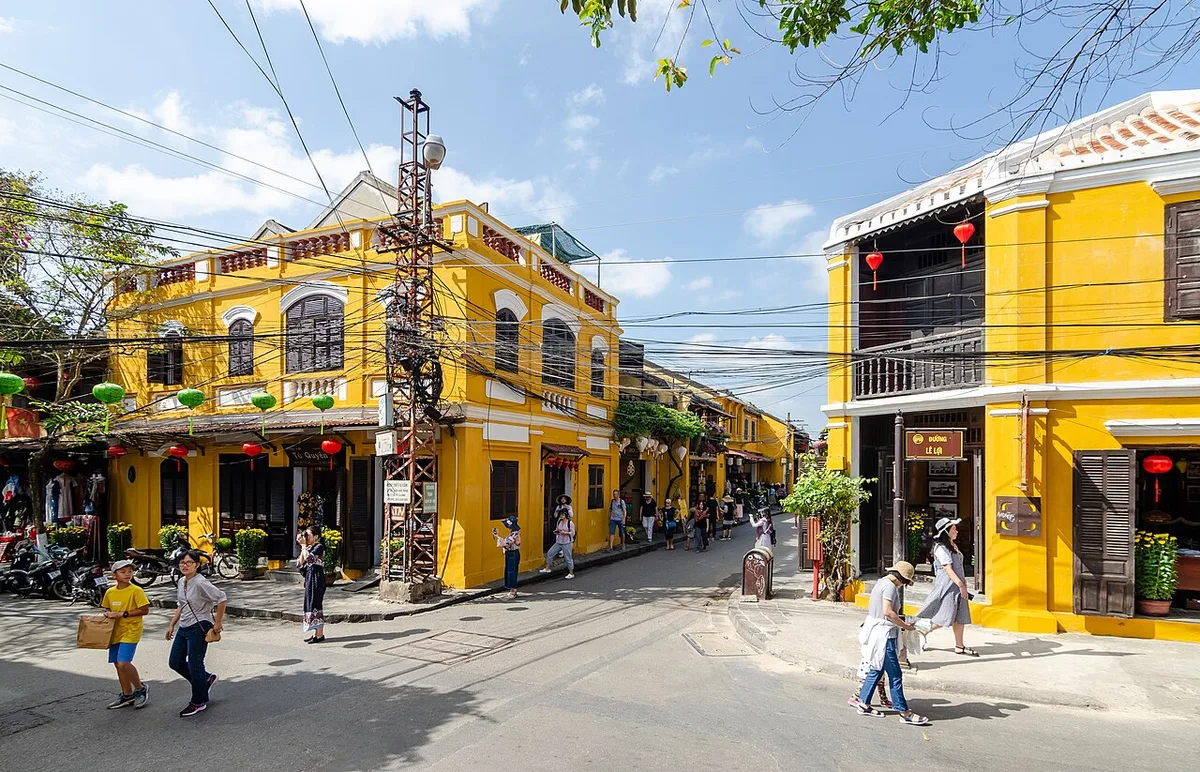
Your 4-Stage Evening Food Route
The four-stage structure keeps the pace steady and manageable. Between stops, your guide shares neighborhood history and food lore. Total cost across all stages runs $20–$30 per person including most beverages.
The opening stops feature Banh Trang Nuong and Banh Bao Vac, two signature Hoi An dishes. Grilled rice paper is crispy outside, soft within, typically topped with liver pâté or quail eggs. White rose dumplings (Banh Bao Vac) are handmade at the point of order in open kitchens. These are boiled to tender perfection, filled with shrimp, pork, mushroom, or bean sprouts.
Banh Mi Phuong sells roughly 3,000 sandwiches daily and maintains long queues throughout the afternoon. Order number 9 on the menu (Banh Mi Thit Heo Voi Ham va Pate) is the classic pork version. Madam Khanh, the 'Banh Mi Queen,' sells sandwiches for under $1 each and is considered superior. Most foreign visitors prefer Madam Khanh's version; both shops are within the old town.
Home restaurants operate in residential backalleys and specialize in a single signature dish. Water fern cake (Banh Beo) is served in small cups, topped with deep-fried cao lau and shrimp sauce. Xi Ma (black sesame soup) is thickened with ground sesame seeds and Chinese herbs, said to be energizing. Most stops in this stage cost $1–$2 per item, making it the most affordable section.
The final hour slows the pace and focuses on sweets and beverages to end the evening. Black sesame soup is a common final stop, served warm and considered healthful. Your guide typically loops back toward the old town center, ending near your meeting point. Many tour operators offer optional late-night cocktails or nightlife suggestions afterward.
Professional guides speak English and explain the cultural significance of each dish. They know which restaurants are open nightly and which have closed or changed menus. Most tours accommodate dietary restrictions if you notify the operator at least 3 days ahead. The walking distance is roughly 2–2.5 miles spread over 4 hours with frequent stops.
- Stage 1: Opening Bites (6:00-7:00 PM)
- Morning: Confirm tour reservation by 2 PM
- Afternoon: Light lunch; explore old town
- Evening: Grilled rice cakes, white rose dumplings
- Time: 60 minutes; ~200 meters walking
- Logistics: Meet at old town center; guide provides soft drinks
- Optional: Vegetarian cakes available without pork fillings
- Stage 2: Banh Mi Mastery (7:00-8:15 PM)
- Morning: Research famous banh mi shops beforehand
- Afternoon: Stretch and hydrate; skip dinner
- Evening: Banh Mi Phuong #9, Madam Khanh signatures
- Time: 75 minutes; queues typical at both shops
- Logistics: Two iconic shops within old town center
- Optional: Try both shops or choose your favorite
- Stage 3: Street Finds (8:15-9:15 PM)
- Morning: Charge phone; bring minimum 500k VND
- Afternoon: Nap if needed; avoid large dinner
- Evening: Home restaurants, banh beo, street specialties
- Time: 60 minutes; narrower backalleys, slower pace
- Logistics: Tour guides know hidden gems; no signage
- Optional: Dietary restrictions accommodated with advance notice
- Stage 4: Sweet Finishes (9:15-10:00 PM)
- Morning: Wear lightweight, breathable clothing
- Afternoon: Final rest; bathroom break before tour
- Evening: Black sesame soup, desserts, beverages
- Time: 45 minutes; return to central meeting point
- Logistics: Usually ends near old town center
- Optional: Nightlife or early return to hotel
Where to Stay & How to Book Your Tour
Stay within a comfortable walk of the confirmed meeting point if the tour finishes after dark. Hoi An is compact, but pedestrian restrictions, heat, rain, river crowds, and the exact hotel location affect the walk.
Choose a current operator through recent reviews, hotel recommendations, or the official Vietnam Tourism Hoi An guide. Compare the route, group size, duration, food and drinks, dietary handling, accessibility, child policy, total price, and cancellation terms before paying.
Confirm the meeting point and start time directly with the operator on the day. Ask what happens in heavy rain and whether replacements or refunds follow written terms; do not assume every tour runs or cancels under the same policy.
From Da Nang, allow a generous buffer using the airport-to-Hoi An guide. Once in town, walk only when the route, weather, luggage, and mobility needs make it practical.
Practical Tips for Your Food Route
Eat lightly during the day so you have genuine appetite for all 12 dishes. Wear comfortable walking shoes; expect 2+ miles of walking over the 4-hour tour. Bring a small crossbody bag or backpack, not a large suitcase or rolling luggage. The tour ends around 10 PM; plan transportation back to your hotel in advance.
Immediately inform your operator of any shellfish or peanut allergies, as many sauces contain peanuts. Always ask before eating unfamiliar dishes to ensure your safety during the tour.
| Period | Temperature | Weather | Tourism Level |
|---|---|---|---|
| November–January | 75–82°F | Low humidity, no rain | Peak season |
| August–October | 86–95°F | Hot, rainy | Off-season |
| Late January–February (Lunar New Year) | 75–82°F | Low humidity, no rain | Maximum crowds; avoid for smaller groups |
Most food vendors accept cash only in Vietnamese Dong. Withdraw 500,000–1,000,000 VND (~$20–$40) before your tour, as individual stops cost $1–$5. ATMs are plentiful in the old town.
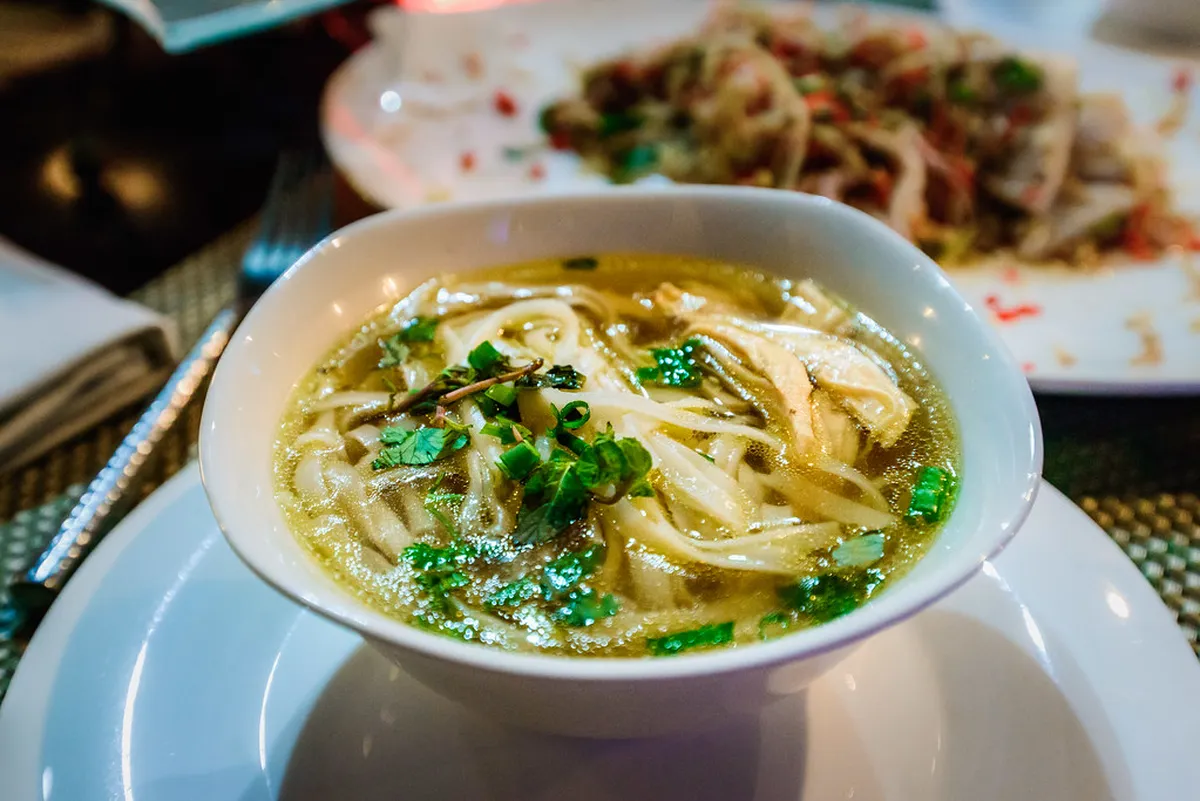
Most food vendors accept cash only (Vietnamese Dong); ATMs are plentiful in the old town. Withdraw 500,000–1,000,000 VND (~$20–$40) before the tour; individual stops cost $1–$5. Your tour fee ($20–$30) covers the guide, soft drinks, and entry to home restaurants. Tip your guide 50,000–100,000 VND (~$2–$4) if you enjoyed the experience.
Inform your operator immediately if you have shellfish or peanut allergies. Many sauces contain peanuts; ask before eating unfamiliar dishes. Vegetarian food tours are available but require pre-booking at least one week ahead. Some dishes contain fish sauce, which is strong-smelling; be prepared for powerful flavors.
Ask permission before photographing food vendors or other customers. Do not photograph inside home restaurants; respect private spaces and family operations. Hoi An locals generally welcome respectful visitors; avoid loud behavior in residential alleys. Most phones work fine for photos; bring a portable charger for long evenings.
November to January offers the most pleasant weather: 75–82°F, low humidity, no rain. August to October are hot (86–95°F) and rainy, but tours still run regularly. Book tours for the early evening (6–7 PM start) to avoid afternoon heat. Avoid peak tourism week around Lunar New Year (late January/February) if you prefer smaller groups.
Many travelers combine the evening food tour with day trips to My Son or nearby villages. A food tour works well on your first, second, or final evening in Hoi An. Plan at least 2–3 full days in Hoi An to enjoy food tours plus daytime sightseeing. Most visitors return to Hoi An specifically to repeat the food tour with different operators.
Add Cao Lau and Com Ga to the Route
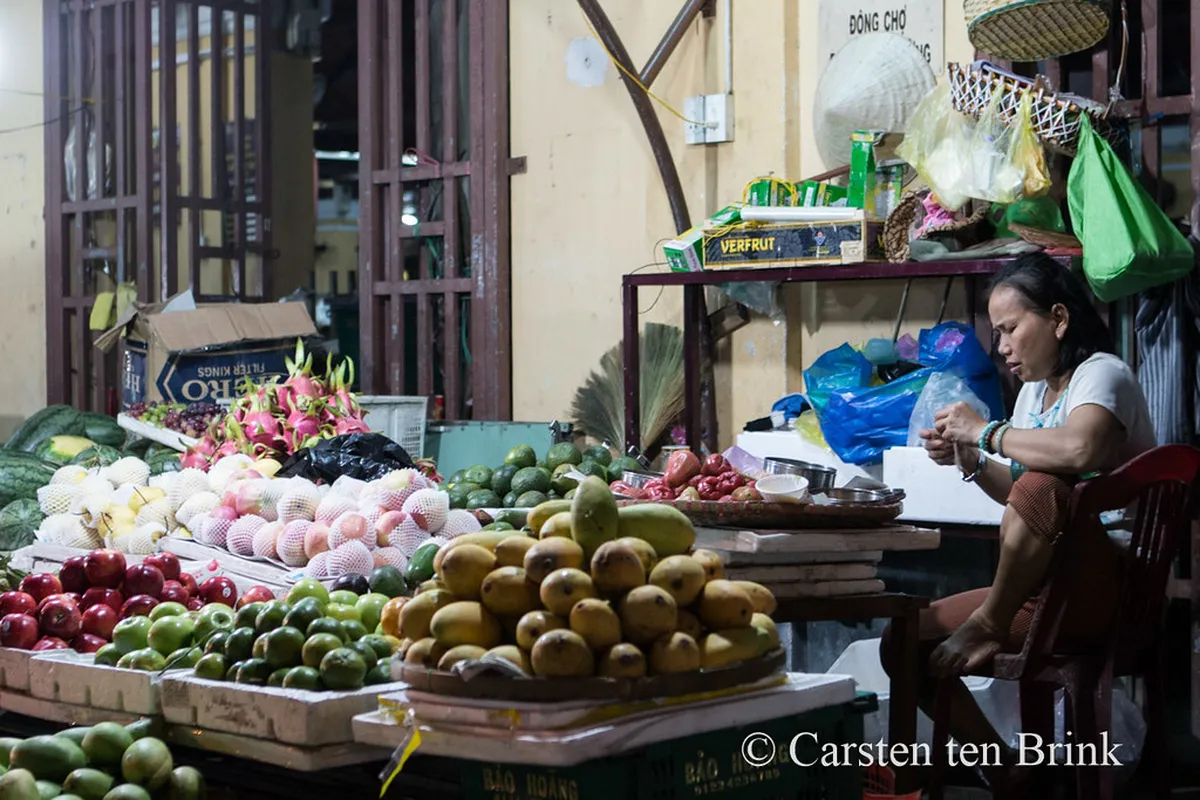
The itinerary misses two dishes central to Hoi An’s food identity: cao lau and com ga. Start near Hoi An Central Market, where the prepared-food stalls provide an easy place to compare bowls before committing to a full portion. Cao lau combines thick, chewy noodles with sliced char siu-style pork, greens, herbs, crunchy rice crackers, and a small amount of savory broth. Unlike pho, it should not arrive as a noodle soup.
For a dedicated stop, Cao Lau Thanh on Thai Phien Street is a short walk north of the Ancient Town. Continue toward Phan Chu Trinh Street for Hoi An chicken rice. Com ga uses seasoned rice with shredded chicken, herbs, onion, and pickled papaya; chili sauce and chicken broth are often served alongside it. Com Ga Ba Buoi is a well-known option on this street, but queues can build during the evening meal period.
Place these stops before banh mi and desserts. Both dishes are more substantial than white rose dumplings or banh beo, so sharing one serving of each helps preserve room for later tastings. Carry cash and check opening hours on the day, as family-run shops may sell out or close between services.
Official Planning Checks Before You Go
Use the official Vietnam Tourism food hub for destination context and the official Vietnam Tourism Hoi An guide for a second official baseline. Recheck any opening hour, fare, timetable, closure, access rule, weather risk, or booking condition with the responsible operator shortly before travel; an official destination overview is not a live inventory or service guarantee.
For the wider route context, continue with Hoi An Travel Planning Hub Travel Guide, and Hoi An Old Town Guide Travel Guide before fixing this stop in your itinerary.
Frequently Asked Questions
Is a Hoi An food tour worth it for first-timers?
Yes, absolutely, especially for your first evening in the city. A professional guide shows you hidden stops tourists usually miss and explains the cultural context of each dish. Most visitors spend $20–$30 per person and eat 9–12 different dishes in one curated evening experience.
Can you do a food route on your own without a guide?
Yes, but expect to get lost in backalleys and miss the best stops. Guides know which home restaurants are open nightly, why certain dishes are special, and where to find the freshest versions. Solo eating costs about the same but takes longer and usually covers fewer dishes.
What is the best month to visit Hoi An for a food tour?
November to January offers the most pleasant weather: 75–82°F, low humidity, minimal rain. August to October are hot and very wet, but food tours still run regularly. Avoid the peak tourism week around Lunar New Year (late January/February) if you prefer smaller, more intimate group experiences.
How much does a Hoi An food tour typically cost?
Most evening food tours cost $20–$30 per adult and $10–$15 for children. Soft drinks and basic beverages are included; optional alcohol or desserts cost extra. Private group tours for 6+ people often offer 10% discounts per person.
How far is Da Nang airport from Hoi An?
Da Nang International Airport is 30–35 kilometers from Hoi An, roughly 45–60 minutes by private car or shared minibus ($10–$15 per person). Public buses take 60–90 minutes and are cheaper ($2–$4 per seat). See detailed airport transfer options for scheduling flexibility.
Can I combine the food tour with other activities in Hoi An?
Yes, the food tour works well on your first, second, or final evening. Daytime options include temple visits, cooking classes, bicycle tours, or day trips to Hue. Most travelers spend 2–3 full days in Hoi An to enjoy multiple food tours and sightseeing combined.
Hoi An's evening food route is one of Southeast Asia's best culinary experiences. You'll taste dishes unavailable elsewhere and walk streets few tourists ever see. The cost is low, the pace is manageable, and the memories last. Book your tour in advance to secure your spot during peak season (Nov–Feb).
Whether it's your first evening or your tenth visit, the food route is always worth repeating. Local operators continuously update their stops, so even repeat visitors discover new dishes. Pair your evening tour with daytime exploration of temples, markets, and nearby villages. Hoi An's food culture deserves more than one evening; consider staying 3+ days.
Take the route offline
Free: the Hoi An route notes
Where to base yourself and what it costs, a day-by-day route that avoids backtracking, real transfer times and fares, seasonal timing, and where it connects onward — condensed from our Hoi An guides and made to take offline.
Keep unfolding Vietnam
Continue along the route
Three nearby guides for the next decision in your trip.


