

Hoi An Travel Planning Hub Travel Guide
Plan your Hoi An visit with insider tips, timing advice, ticket details, local food, day trips, and practical essentials for authentic travel experiences.
On this page
Hoi An is a UNESCO-listed gem in central Vietnam that pulls travelers back again and again. The lantern-lit Ancient Town, world-class tailoring, and locally rooted food scene make it stand out from typical beach destinations. Last updated July 2026.
Planning a Hoi An visit means sorting through transportation, tickets, crowds, and what to actually do. This guide covers the practical details most travelers need: distance from airports, how the ticket system works, dining hotspots, and day-trip options. You'll also find honest expectations about the town's current state and timing tips to dodge peak tourism.
Whether you're allocating half a day or three days, the right planning transforms Hoi An from overwhelming to unforgettable. Read on for the specifics that matter.
Key Takeaways
- Hoi An is a UNESCO-listed gem in central Vietnam that pulls travelers back again and again.
- The lantern-lit Ancient Town, world-class tailoring, and locally rooted food scene make it stand out from typical beach destinations.
- Planning a Hoi An visit means sorting through transportation, tickets, crowds, and what to actually do.
- This guide covers the practical details most travelers need: distance from airports, how the ticket system works, dining hotspots, and day-trip options.
Take the route offline
Free: the Hoi An route notes
Where to base yourself and what it costs, a day-by-day route that avoids backtracking, real transfer times and fares, seasonal timing, and where it connects onward — condensed from our Hoi An guides and made to take offline.
How far is Hoi An from Da Nang Airport?
Da Nang International Airport (DAD) is the main entry point for Hoi An visitors. The airport sits 27–30 km north of central Hoi An, roughly a 40–50 minute drive on flat, straightforward roads. No direct airport shuttles run to Hoi An, so booking transport ahead makes sense.
Landing in late afternoon (4–5 PM) works better than morning to avoid midday heat, check in smoothly, and catch the Old Town's lantern lighting after sunset.
Taxis from the airport cost between 300,000–500,000 VND (~$12–20 USD) depending on destination and negotiation. Ride-sharing apps like Grab offer lower fares (typically 200,000–350,000 VND) and fixed pricing with no haggling. Budget hotels sometimes arrange shuttle pickups if you email ahead with flight details.
Timing your arrival matters; landing in late afternoon (4–5 PM) works better than morning. You'll avoid midday heat, check into accommodation smoothly, and catch the Old Town's lantern lighting after sunset. Early bookings help secure better rates when flying during peak season (March–May and September).
From Da Nang, you can also book local buses or minivans that leave throughout the day. The journey takes 45–60 minutes by road depending on traffic and route. This option suits budget travelers but means navigating the terminal independently.
The Ancient Town ticket — how it really works
The Ancient Town entrance fee is straightforward: 120,000 VND (~$5 USD) grants access for 24 hours. This single ticket covers five historical sites—your choice from 22 total attractions inside the Old Town. You pick which sites matter most rather than visiting all 22, making the fee feel reasonable.
Peak hours (10:00 AM–4:00 PM) create long ticket queues. Arrive early or later instead. Bring small bills (50,000 or 100,000 VND notes) since stalls don't stock change easily.
Ticket validity spans 24 consecutive hours, starting when you buy it. This means visiting in the morning, leaving for lunch or activities, and returning for sunset lantern lighting all count as one admission. The flexibility suits travelers balancing relaxation with sightseeing.
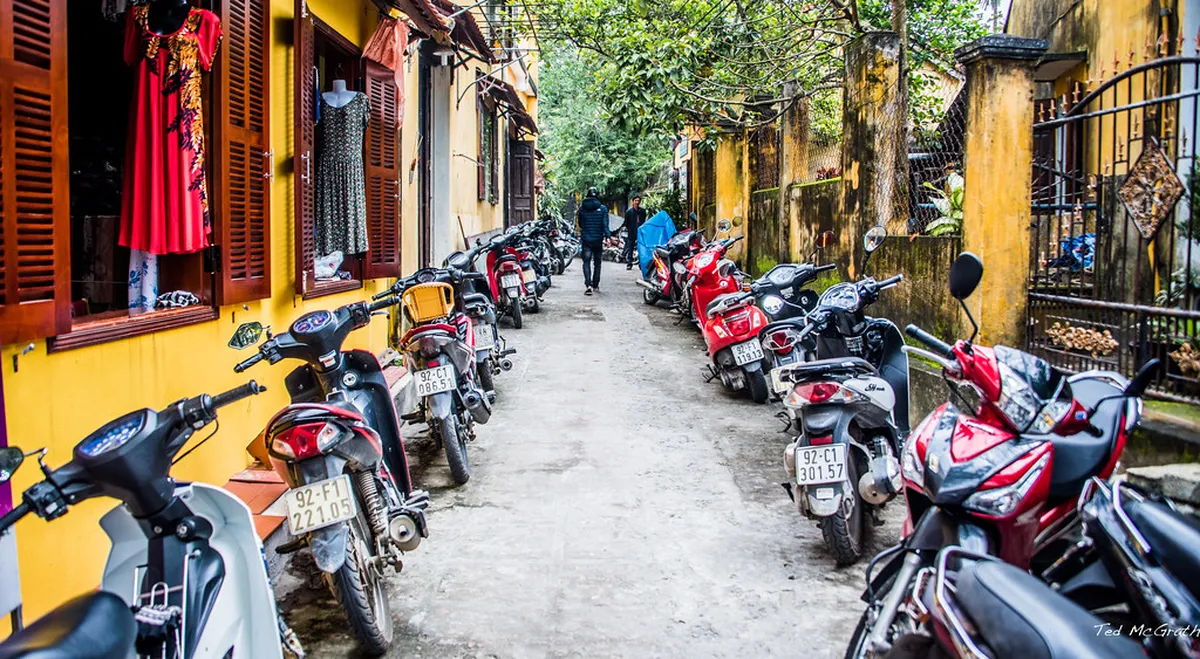
Vehicle access to the Old Town changes by time of day. From 9:00 AM–11:00 AM and 3:00 PM–9:00 PM, only pedestrians enter; scooters and motorcycles are not permitted. Between 11:00 AM–3:00 PM and 9:00 PM–9:00 AM, all vehicles are allowed, though locals prefer walking anyway.
Popular sites include the Fujian Assembly Hall, Japanese Covered Bridge, and various ancient merchant homes. Many visitors spend 3–4 hours exploring at a relaxed pace, stopping for food and photos. Early arrivals (before 9:00 AM) encounter fewer tourists, though crowds return quickly.
Buy tickets at the Ticket Office marked on local maps near the river entrance. Peak hours (10:00 AM–4:00 PM) mean longer queues, so arriving early or later pays off. Bring small bills (50,000 or 100,000 VND notes); many stalls don't stock change easily.
Hoi An Old Town: what to expect
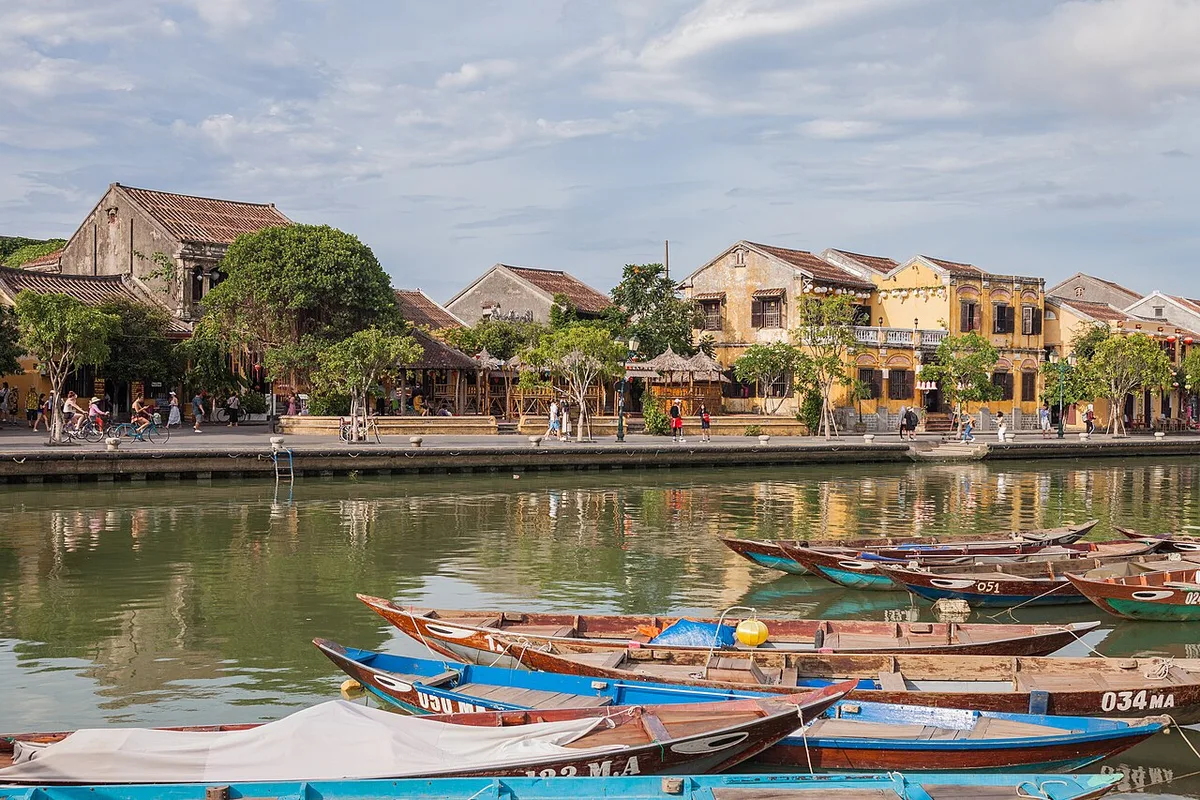
The Old Town is a 400-year-old trading port frozen in time with mustard-yellow shophouses and lantern-lit streets. Its UNESCO status attracts roughly 2 million visitors yearly, making it central Vietnam's most popular destination. Expect beauty mixed with heavy tourism infrastructure: restaurants, tailors, and souvenir shops line most streets.
The atmosphere is most authentic early morning (6:00 AM–8:00 AM) and around dusk when lanterns illuminate storefronts. Midday crowds (11:00 AM–4:00 PM) pack the main riverfront and assembly halls, sometimes making walking challenging. Skilled photographers chase golden-hour light, so visiting at sunrise offers clearer shots and fewer tourists.
Lanterns light every evening year-round, contrary to some guides claiming seasonal gaps. This nightly ritual draws crowds to the waterfront, creating both atmosphere and bottlenecks for sightseeing. Walking along quieter side streets reveals local life: residents cooking, children playing, and workshops operating.
Most shops and attractions open 7:00 AM–6:00 PM daily, with some evening venues staying open until 10:00 PM. Street food and basic services operate on local hours (some close between 2:00 PM–5:00 PM for afternoon rest). Bringing a light scarf or umbrella helps with sun and occasional drizzle depending on season.
The ticket covers only heritage sites, not food, goods, or commercial attractions like cooking classes. Factor in additional spending for meals, coffee, tailoring fittings, and any paid tours or boat rides. Cash dominates; mobile payments work in hotels and restaurants but many street stalls accept only VND notes.
Must-try dishes in Hoi An
Cao lầu is the signature noodle dish unique to Hoi An: thick, crispy noodles tossed with broth, greens, and pork belly. The secret lies in water from Cham Island and special roasting techniques passed down through generations. Look for modest stalls rather than tourist-facing restaurants; locals gather where prices hover around 25,000–40,000 VND.
White rose dumplings (bánh cuốn hoa hồng) are delicate shrimp and pork dumplings folded to resemble flowers. Several vendors near the central market serve them from carts starting mid-morning through early evening. Order a small plate (5–10 pieces) to sample; prices run 15,000–30,000 VND per serving.
Bánh mì and bánh xèo (sizzling pancakes) are popular breakfast and lunch options across Vietnam. Hoi An versions feature local proteins and fresh herbs; the competition keeps quality high and prices low. Many stalls close by early afternoon, so eat early rather than late if trying these.
The central market buzzes with energy and authentic pricing that beats Old Town restaurants by 50–70%. Wandering stalls offer grilled seafood, soup dishes, and prepared vegetables at local rates. Go with cash and a willingness to point at what looks good if language is a barrier.
Evening street vendors set up near the water for lantern-watching with snacks like spring rolls and grilled satay. These casual bites pair well with the atmosphere and cost 10,000–20,000 VND each. Tourist restaurants in the Old Town charge 2–3 times what locals pay, making street food a smart financial move.
Day trips: My Son Sanctuary and Cham Islands
My Son Sanctuary lies 40 km southwest of Hoi An and holds UNESCO-listed Cham ruins spanning the 4th to 13th centuries. This ancient temple complex ranks among Southeast Asia's most significant archaeological sites. Tours typically run 4–6 hours (half-day) or 7–9 hours (full-day) depending on depth and restaurant stops.

Half-day tours cost roughly 500,000–800,000 VND per person (~$20–32 USD) including transport, guide, and ticket. Full-day options cost 800,000–1,200,000 VND and usually include lunch at a local restaurant. Early morning departures (6:00 AM–7:00 AM) avoid midday heat and crowds at the site itself.
Cham Islands sit 15 km offshore and offer snorkeling, swimming, and quiet beaches free from Old Town crowds. Boat tours cost 300,000–500,000 VND per person for half-day excursions (8:00 AM–12:00 PM or 1:00 PM–5:00 PM). Water quality peaks March–September; October–February brings choppier seas and occasional cancellations.
Combinations tours (My Son morning + Cham Islands afternoon) require early starts and rush logistics. Most travelers prefer splitting these into separate days unless time is extremely limited. Book through your hotel or established tour companies rather than street vendors for better safety and reliability.
Physical fitness matters for My Son; the site spans hills with uneven stone paths and limited shade. Bring water, sun protection, and comfortable hiking-style footwear rather than sandals. Cham Islands require basic swimming ability if you plan snorkeling; life jackets are available on boats.
Experiences beyond walking: paddling, shows, and tailoring
The Thu Bon River that runs through Hoi An offers kayaking and paddleboarding for those craving water time. Calm morning paddles (6:00 AM–9:00 AM) take you past fishing villages and through mangroves before tourist crowds gather. Tours cost 400,000–600,000 VND per person and usually include equipment, guide, and a floating breakfast stop.
Traditional music and cultural shows run nightly in the Old Town at dedicated venues. These 45-minute performances feature water puppetry, live music, and local dance; tickets run 150,000–250,000 VND (~$6–10 USD). Shows start between 6:00 PM–8:00 PM and fill quickly during peak season, so book ahead through hotels.
Custom tailoring is world-famous; visitors commission áo dài (traditional gowns), suits, and silk garments. Quality varies wildly; tourist-facing shops charge inflated prices while neighborhood tailors offer better value and craftsmanship. Budget 400,000–800,000 VND (~$16–32 USD) for simple items; suits and detailed pieces run 1,200,000–2,500,000 VND.
Fitting processes take 3–5 days minimum; rushed orders (48 hours) cost 20–40% extra and risk quality drops. Bring reference images or descriptions of what you want; language barriers dissolve when you show examples. Local tailors in side streets offer better pieces than mainstream Old Town shops charging tourist-premium rates.
Lantern-making workshops teach visitors to craft silk lanterns by hand in 1–2 hour sessions. Costs run 150,000–300,000 VND per person; you keep your handmade lantern as a souvenir. This activity suits anyone seeking quiet, skill-building time outside the typical sightseeing routine.
Best time to visit and seasonal planning
February through April offers ideal conditions: dry weather, mild temperatures (22–28°C / 72–82°F), and manageable crowds. This season aligns with the end of dry season and attracts visitors seeking comfortable sightseeing weather. Accommodation and tours cost 10–20% more; booking 4–6 weeks ahead secures better rates and availability.
October through November brings heavy monsoon rains and occasional flooding in the Old Town streets. Some attractions close temporarily during severe downpours; lantern festivals may shift or cancel. This wet season cuts crowds dramatically and lowers prices 30–40%, suiting budget-conscious travelers comfortable with weather uncertainty.
| Season | Weather | Crowds | Prices |
|---|---|---|---|
| February–April | Dry, mild (22–28°C) | Manageable | 10–20% higher |
| May–September | Warm, humid, occasional afternoon showers | Fewer crowds | Better value |
| October–November | Heavy monsoon rains, occasional flooding | Very low | 30–40% lower |
May through September is warm and humid with occasional afternoon showers and strong sun. Travelers report fewer crowds and better-value accommodation compared to peak season. This period suits flexible visitors who can adjust plans around sudden rain and don't mind heat.
The Lantern Festival (held on the 14th day of each lunar month) brings special evening decorations and cultural events. Visitors hoping to see this spectacle should cross-reference lunar calendar dates with travel plans. The festival itself doesn't require extra tickets, but accommodation fills quickly on those nights.
Pack light, breathable clothing regardless of season; the town gets humid even in dry months. Bring a compact umbrella and lightweight rain jacket for afternoon showers or flood-season visits. Comfortable walking shoes matter more than any other gear; you'll spend 3–6 hours daily on foot exploring.
Villages near Hoi An worth visiting
Three nearby villages offer an easy contrast to the busy Ancient Town. Trà Quế Vegetable Village, about 3 km northeast of the center, is best reached by bicycle in the cooler early morning. Its garden plots supply herbs and vegetables to local restaurants, and several family-run farms offer short gardening or cooking activities.

Thanh Hà Pottery Village lies roughly 3 km west of Hoi An beside the Thu Bồn River. Visitors can watch artisans shape clay on traditional wheels and browse small workshops, while Thanh Hà Terracotta Park provides broader context on the village’s craft. Allow more time if you want to try making a simple piece rather than only shop.
Cẩm Thanh, around 5 km east of the Old Town, is known for the Bay Mau nipa-palm waterways and basket-boat trips. Choose a quieter early departure and ask whether the route includes demonstrations or amplified entertainment, as experiences vary considerably. Trà Quế and Thanh Hà suit independent cycling, while Cẩm Thanh is easier by taxi, Grab, or an arranged boat tour. Combining one village with An Bàng Beach creates a practical half-day outside central Hoi An.
Official Planning Checks Before You Go
Use the official Vietnam Tourism Hoi An guide for destination context and the UNESCO Hoi An listing for a second official baseline. Recheck any opening hour, fare, timetable, closure, access rule, weather risk, or booking condition with the responsible operator shortly before travel; an official destination overview is not a live inventory or service guarantee.
Frequently Asked Questions
Do I need a ticket to visit the Hoi An Old Quarter?
Yes, the 120,000 VND ticket (~$5 USD) is required for entrance to heritage sites. However, you can walk the streets freely without paying—the ticket only covers access to five chosen attractions among the 22 heritage sites. If you're just wandering, photographing, and eating, you can skip the ticket and still enjoy the atmosphere. The 24-hour validity means entering in morning, exploring freely, and returning for evening lanterns all count as one admission.
Is there a train to Hoi An?
No direct train serves Hoi An itself. The nearest railway station is in Da Nang, about 30 km north. From Da Nang station, you must take a taxi, Grab, or bus for 45–60 minutes to reach Hoi An. Many travelers skip trains entirely and fly into Da Nang Airport or take buses from other cities (Hanoi, Ho Chi Minh City, or Hue). Buses offer direct routes and flexible schedules; check bus booking sites for current schedules and fares.
What is the best way to get around Hoi An once I arrive?
Walking is the primary transportation inside the Old Town—most attractions sit within 1–2 km of each other. For longer distances or beach trips, rent bicycles (30,000–50,000 VND daily), use Grab ride-sharing, or hire a taxi. Motorcycles and scooters navigate narrow streets effectively but require a valid international permit or local license. Most visitors stick to walking and occasional Grab rides, which cost 20,000–50,000 VND depending on distance. The town is compact enough that getting lost is part of the charm.
How many days do I need in Hoi An?
A half-day visit covers the main sights and food highlights, but 2–3 days lets you explore at a relaxed pace: one day for the Old Town, a second for day trips or activities like tailoring, and a third for beaches or nearby villages. Travelers with limited time should prioritize the Ancient Town in morning/evening slots when crowds thin and light improves. A 3-day itinerary balances sightseeing, dining, and local experiences without rushing. Staying longer (4–5 days) suits those interested in custom tailoring, cooking classes, or multiple day trips.
Are there beaches near Hoi An?
Yes, An Bàng and Cửa Đại beaches sit just 3–4 km from central Hoi An (10–15 minute Grab ride or 30-minute bicycle). Both offer swimming, fresh seafood restaurants, and lower crowds than tourist-zone attractions. An Bàng leans more local and laid-back; Cửa Đại has more formal resorts and watersports. Water quality peaks March–September; avoid October–November during monsoon season. Beach days combine well with Old Town visits or serve as full-day relaxation breaks.
Hoi An rewards careful planning with unforgettable experiences: lantern-lit streets, authentic food, and genuine encounters. Understanding transportation, ticket mechanics, and realistic timings transforms a potentially overwhelming visit into a confident, smooth trip.
Book transport from Da Nang early, choose your Old Town sites strategically, and time visits around crowds and light. Mix sightseeing with local experiences—paddling, shows, tailoring—and your stay becomes personal rather than generic. The town deserves the hype; preparation simply lets you enjoy it on your own terms.
Take the route offline
Free: the Hoi An route notes
Where to base yourself and what it costs, a day-by-day route that avoids backtracking, real transfer times and fares, seasonal timing, and where it connects onward — condensed from our Hoi An guides and made to take offline.
Keep unfolding Vietnam
Continue along the route
Three nearby guides for the next decision in your trip.


