

Photo: MichaelTyler via Flickr (CC BY-SA 2.0)
Hue Da Nang Hoi An Itinerary: 7 Days in Central Vietnam
Plan your Hue Da Nang Hoi An itinerary 7 days with daily timing, real costs, and booking tips for a smooth Central Vietnam trip. Start mapping your route now.
On this page
Central Vietnam packs three distinct worlds into one manageable loop: imperial Hue, coastal Da Nang, and lantern-lit Hoi An. This Hue Da Nang Hoi An itinerary 7 days plan sequences all three cities without the backtracking many travelers hit. Whether this is a first visit or a return trip, the pacing below works well.
Last updated July 2026. We recommend two nights in Hue, two in Da Nang, and three in Hoi An. That split gives each city enough time without rushing the transfers.
Budget roughly $35 to $70 per person per day for meals, transfers, and entry fees. Grab, private cars, and e-scooters cover most short hops between sights. Trains and private transfers link the three cities along the coast. See our Central Vietnam itinerary hub for shorter or longer route options.
Key Takeaways
- Central Vietnam packs three distinct worlds into one manageable loop: imperial Hue, coastal Da Nang, and lantern-lit Hoi An.
- This Hue Da Nang Hoi An itinerary 7 days plan sequences all three cities without the backtracking many travelers hit.
- Whether this is a first visit or a return trip, the pacing below works well.
- We recommend two nights in Hue, two in Da Nang, and three in Hoi An.
Take the route offline
Free: the Central Vietnam route notes
Where to base yourself and what it costs, a day-by-day route that avoids backtracking, real transfer times and fares, seasonal timing, and where it connects onward — condensed from our Central Vietnam guides and made to take offline.
7 Days in Central Vietnam: At a Glance
The seven-day loop below moves from Hue's imperial core to Da Nang's beaches, then into Hoi An's Old Town. Each city gets consecutive nights, so luggage only moves twice during the whole week. That structure keeps the trip relaxed rather than rushed.
Budget roughly $35–$70 per person daily for meals, transfers, and entry fees. Luggage moves only twice across the week since each city gets consecutive nights, keeping the trip relaxed rather than rushed.
Mornings favor big-ticket sights before tour buses arrive, and evenings lean into food and lantern-lit streets. We've grouped nearby stops together, so Day 5 covers Son Tra and Marble Mountains before the Hoi An transfer. That grouping cuts down on backtracking across the region.
The list below breaks each day into morning, afternoon, and evening blocks. Use it to sanity-check pacing before booking any private transfers. Swap any block if a museum is closed or the weather turns wet.
Transport options span private cars, Grab rides, rented motorbikes, and the coastal train between Hue and Da Nang. Most travelers mix at least two of these across the week. Picking one mode per travel day keeps logistics simple and predictable.
First-time visitors often underestimate travel time between cities, so build in buffer hours. Repeat visitors may prefer fewer big sights and more time in cafés and markets. Either way, the block-by-block list below adapts easily to a slower pace.
- Day 1: Arrive in Hue, imperial history
- Morning: Flight or train arrival, transfer hotel
- Afternoon: Check in, walk Citadel grounds
- Evening: Riverside dinner, Trang Tien Bridge stroll
- Day 2: Hue royal tombs and river
- Morning: Khai Dinh and Tu Duc tombs
- Afternoon: Thien Mu Pagoda, Perfume River cruise
- Evening: Street food crawl near Dong Ba
- Day 3: Hai Van Pass to Da Nang
- Morning: Private car over Hai Van Pass
- Afternoon: Check in, walk My Khe Beach
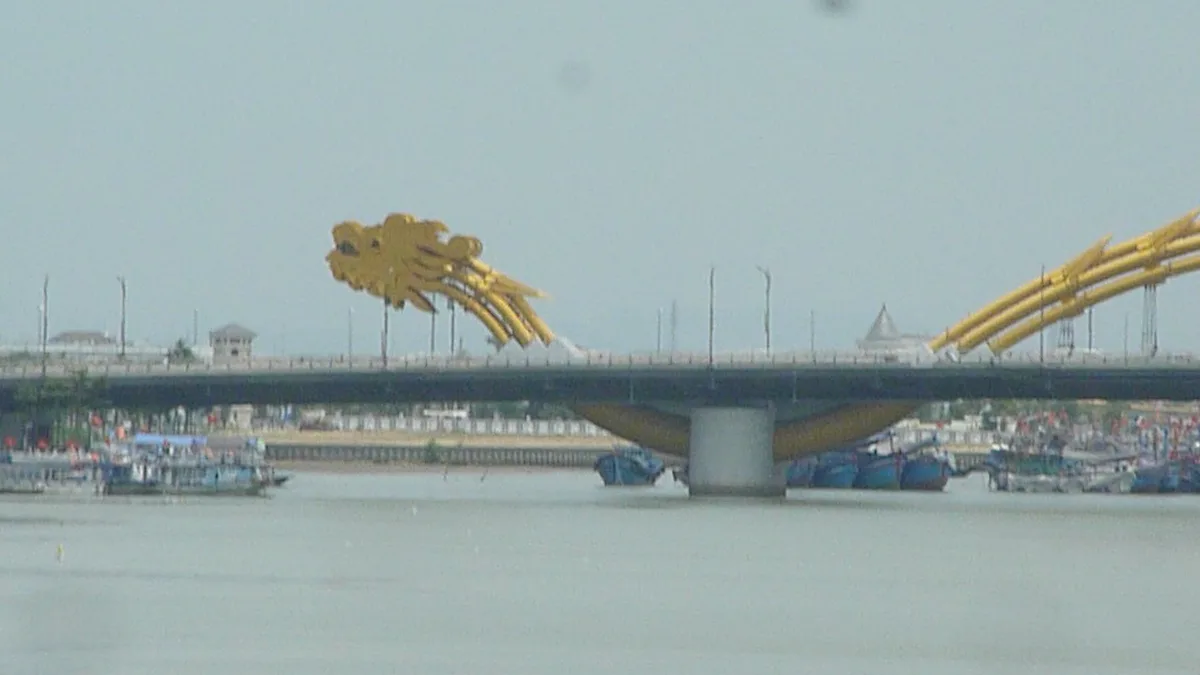
- Evening: Dragon Bridge show, riverside seafood
- Day 4: Ba Na Hills cable car day
- Morning: Early cable car, Golden Bridge photos
- Afternoon: French Village, Fantasy Park rides
- Evening: Return to Da Nang, seafood dinner
- Day 5: Son Tra to Hoi An transfer
- Morning: Son Tra Peninsula, Lady Buddha views
- Afternoon: Marble Mountains, transfer to Hoi An
- Evening: Lantern-lit Ancient Town walk
- Day 6: Hoi An ancient town lanterns
- Morning: Old Town temples, tailor fittings
- Afternoon: An Bang Beach swim, café break
- Evening: Riverside lantern boat, night market
- Day 7: An Bang Beach and departure
- Morning: Basket boat ride, coconut village
- Afternoon: Last-minute shopping, packing, checkout
- Evening: Transfer to Da Nang airport
Your Hue Da Nang Hoi An Itinerary 7 Days, Day by Day
Day 1 starts at Hue's Imperial Citadel, where the ₫200,000 entry ticket covers the whole complex, open daily 7am–5:30pm. We'd budget about two hours inside, since the grounds cover more than 500 hectares. Day 2 covers Khai Dinh and Tu Duc tombs, each near ₫150,000, best before 9am. Local buses reach the tombs, but a private car saves time between stops.

Day 3 crosses Hai Van Pass by private car, a scenic 2.5 to 3-hour drive with coastal viewpoints. Most cars charge about ₫1,600,000; see our transport guide for shared options. You'll settle into My Khe Beach by afternoon, then catch the Dragon Bridge fire show if it's a weekend. That show runs free from the bridge banks on Saturday and Sunday nights at 9pm.
Day 4 is a full-day trip to Ba Na Hills; the Grab ride takes 35 to 45 minutes each way. Cable car queues stay short before 9am, and grow heavy again near the 5–6pm closing rush. We'd start early here since the Golden Bridge gets crowded fast once buses arrive. Round-trip cable car tickets run about ₫850,000 per adult, bought online or at the gate.
Day 5 combines Son Tra Peninsula's Lady Buddha statue with the Marble Mountains caves before heading to Hoi An. The Son Tra loop takes about 3 hours by motorbike or private car, our pick for the morning. That's a full day of moving, so pack light and keep the Hoi An hotel check-in loose. Marble Mountains entry runs about ₫40,000, plus a small elevator fee to skip the stairs.
Days 6 and 7 stay in Hoi An, where the Ancient Town ticket costs ₫120,000 and covers several heritage houses. Most visitors find the Old Town at its calmest before 8:30am, well ahead of tour groups. By early afternoon, An Bang Beach, about 4km away, offers a quieter break from the lantern crowds. Day 7 closes with a basket boat ride at Cam Thanh before the transfer to Da Nang airport.
- Day 1: Arrive in Hue, imperial history
- Morning: Land at Phu Bai, private transfer
- Afternoon: Check in, explore Imperial Citadel grounds
- Evening: Dinner at a riverside restaurant
- Time: Citadel visit takes about 2 hours
- Logistics: Airport transfer costs around ₫250,000
- Optional: Skip Citadel, rest after flight
- Day 2: Hue royal tombs and river
- Morning: Visit Khai Dinh and Tu Duc tombs
- Afternoon: Thien Mu Pagoda, riverboat return
- Evening: Try bún bò Huế at a local stall
- Time: Tomb circuit takes half a day
- Logistics: Hire a private car or motorbike
- Optional: Cyclo tour instead of car
- Day 3: Hai Van Pass to Da Nang
- Morning: Depart Hue, stop at Lang Co
- Afternoon: Arrive Da Nang, settle near My Khe
- Evening: Dragon Bridge show, riverside walk
- Time: 2.5-3 hour scenic drive total
- Logistics: Private car costs about ₫1,600,000
- Optional: Add a Hai Van biker guide
- Day 4: Ba Na Hills cable car day
- Morning: Early cable car, Golden Bridge photos
- Afternoon: French Village gardens, Fantasy Park rides
- Evening: Return to Da Nang for dinner
- Time: Allow a full day, 7am–6pm
- Logistics: Grab transfer takes 35-45 minutes
- Optional: Skip rides, focus on gardens
- Day 5: Son Tra to Hoi An transfer
- Morning: Son Tra Peninsula, Lady Buddha statue
- Afternoon: Marble Mountains caves, transfer to Hoi An
- Evening: Lantern-lit Ancient Town first walk
- Time: Son Tra loop takes about 3 hours
- Logistics: Rent a motorbike for ₫130,000
- Optional: Private car instead of motorbike
- Day 6: Hoi An ancient town lanterns
- Morning: Old Town temples, tailor fitting
- Afternoon: An Bang Beach swim and lunch
- Evening: Riverside lantern boat ride
- Time: Old Town walk takes 2-3 hours
- Logistics: Ancient Town ticket costs ₫120,000
- Optional: Cooking class instead of beach
- Day 7: An Bang Beach and departure
- Morning: Basket boat ride at Cam Thanh
- Afternoon: Last-minute shopping, pack, checkout
- Evening: Transfer to Da Nang airport
- Time: Basket boat tour lasts about 1 hour
- Logistics: Transfer to airport takes 45 minutes
- Optional: Add a coconut village bike ride
Where to Stay: Hue, Da Nang, and Hoi An Bases
In Hue, the area near the Perfume River and Le Loi Street keeps sights and cafés within walking distance. Mid-range rooms here run roughly $30–$55 a night, with breakfast usually included. Budget travelers can look toward the backpacker cluster near Pham Ngu Lao instead. Most hotels here arrange tomb-circuit transfers directly, which saves a separate booking step.
Da Nang's My Khe and An Thuong strip puts you steps from the beach and near Dragon Bridge. Rooms here range from $25 budget guesthouses to $120-plus resorts like the Radisson Da Nang. We'd anchor here for both the Ba Na Hills and Son Tra days, since transfers start close by. Grab rides to the Dragon Bridge from this strip run about 10 minutes and ₫50,000–₫70,000.
| City | Recommended Area | Nightly Rate | Best For |
|---|---|---|---|
| Hue | Perfume River & Le Loi Street | $30–$55 | Walkable sights, cafés; hotels arrange tomb-circuit transfers |
| Da Nang | My Khe and An Thuong | $25–$120+ | Beach access; base for Ba Na Hills and Son Tra day trips |
| Hoi An | Old Town | $20–$45 | Lantern evenings, heritage houses within five-minute walk |
| Hoi An | An Bang Beach | $35–$70 | Beach quiet; 15-minute transfer to Old Town |
Hoi An splits into Old Town guesthouses and the quieter An Bang Beach hotel strip. Old Town stays cost about $20–$45 and put lantern evenings a five-minute walk away. An Bang rooms run slightly higher, often $35–$70, but trade convenience for beach quiet. A Grab ride between the two areas takes about 15 minutes and costs near ₫60,000.
Choosing between Da Nang and Hoi An as a base depends on whether you prioritize nightlife or heritage streets. See our Da Nang vs Hoi An stay guide for a fuller comparison. For this seven-day route, splitting nights across all three cities avoids that trade-off entirely.
The trade-off with three separate bases is more check-ins and slightly more packing. Most travelers find that cost worth it for shorter transfers each morning. If you'd rather unpack once, base in Da Nang and day-trip to the others instead.
Book Ahead: Tickets and Tours to Reserve Early
A handful of stops in this itinerary reward advance booking, especially during peak season. Ba Na Hills cable car tickets sell out on holiday weekends, so book two to three days ahead. Reserving early also locks in the cheaper online rate versus gate pricing.

The Hue Imperial Citadel rarely sells out, but arriving by 8am avoids the 10am tour-bus wave. Same-day tickets work fine here, so this one needs less lead time than Ba Na Hills. Ticket booths sit at the main gate and open with the site each morning.
Hoi An's Ancient Town ticket covers entry to several heritage houses and a folk museum. It's sold at ticket booths near the main entrances, not online, so buy it on arrival. Keep the stub handy, since staff check it at each included site.
My Son Sanctuary works best as a half-day add-on booked one to two days out. For flexible planning across the whole week, itinerary planners can help map backup time slots. Building in that buffer matters most around Ba Na Hills and My Son, where entry lines shift by season.
Skip pre-booking for smaller sights like Thien Mu Pagoda or the Marble Mountains caves. Those stay open daily with steady capacity and rarely reach a real queue. Save booking effort for the two or three stops that genuinely fill up.
- Ba Na Hills Cable Car and Golden Bridge
- Book 2-3 days ahead online
- Costs about ₫850,000 per adult
- Open daily 7am to 5pm
- Hue Imperial Citadel Timed Entry
- Buy same-day at the gate
- Costs ₫200,000, open 7am-5:30pm
- Arrive by 8am for quiet photos
- Hoi An Ancient Town Heritage Ticket
- Buy on-site near Old Town entrances
- Costs ₫120,000, covers five attractions
- Valid all day, keep for re-entry
- My Son Sanctuary Day Tour
- Book 1-2 days ahead through tours
- Costs around $25-$35 per person
- Best visited before 9am for light
Should You Add a Day Trip to This Central Vietnam Route?
Seven days covers the core loop comfortably, but a few worthwhile extensions sit just outside it. The most common add-on is Phong Nha, home to some of the world's largest cave systems. That detour needs at least two extra days, so it suits travelers with more flexible schedules.
See our Phong Nha 3-day itinerary if a cave-focused extension appeals to you. It pairs naturally with Hue, since the train connection runs a scenic 2.5 to 3-hour route. We'd only add this if the total trip runs ten days or longer.
A lighter option is My Son Sanctuary, a half-day trip from Hoi An or Da Nang. It adds Cham ruins and a UNESCO site without disrupting the seven-day core schedule. Best arrival is before 9am, since tour buses fill the site by mid-morning.
If time is tight, skip extensions and keep the Hoi An block at three full days instead. That trade-off favors depth over breadth, letting the pace stay relaxed rather than rushed. Either choice works, depending on whether caves or Old Town streets interest you more.
Ba Na Hills already fills a full day within the core seven-day plan. Adding a second theme-park-style stop usually feels repetitive rather than additive. Cham ruins or limestone caves offer more contrast if extra time opens up.
Best Time to Visit Central Vietnam for This Route
February through May brings the driest, most comfortable weather across all three cities. Daytime temperatures sit around 25-30°C, with low rainfall and calmer seas for Son Tra views. This window suits travelers prioritizing beach time and outdoor days like Ba Na Hills.
When rain disrupts outdoor plans, swap to Hoi An lantern-making workshops or Hue's covered market. Marble Mountains cave temples stay dry on wet afternoons, allowing flexible schedule adjustments while maintaining trip momentum.
September through December brings central Vietnam's rainy season, with occasional typhoon risk near the coast. Hoi An's Old Town can flood after heavy rain, so building in a flexible day helps. See our Central Vietnam seasonal guide for month-by-month rainfall patterns.
If rain hits during the trip, swap outdoor stops for the Hoi An lantern-making workshops or Hue's covered market. Marble Mountains' cave temples also stay dry and sheltered on wet afternoons. That flexibility keeps the itinerary workable even outside the driest months.
Crowds peak around Tet, the Lunar New Year, and again in July-August summer holidays. Outside those windows, popular sites like Ba Na Hills feel noticeably calmer before 9am. Whichever season you travel, e-scooters, Grab, and hired motorbikes all stay easy to arrange.
Humidity stays high year-round, so pack light, breathable layers for temple visits. Coastal breezes keep Da Nang and Hoi An slightly cooler than inland Hue afternoons. Check the forecast a few days out before locking in the Ba Na Hills date.
Rainy-Day Backup Plan for Hue, Da Nang, and Hoi An
Keep the city order unchanged during wet weather, but move exposed sights to the clearest forecast windows. In Hue, replace a rainy tomb circuit with the covered galleries and restored halls of the Imperial Citadel, followed by Dong Ba Market. Save Khai Dinh and Tu Duc tombs for a drier morning, as their grounds include outdoor paths and steps.

In Da Nang, postpone Son Tra Peninsula when visibility is poor or roads are slick. The Museum of Cham Sculpture, Han Market, and cafés along the Han River make a practical indoor sequence. Marble Mountains offers some shelter inside its caves, but wet stone stairways can be slippery; use the elevator where available and wear shoes with reliable grip. Ba Na Hills is also best rescheduled when cloud or strong wind affects views and cable-car operations.
In Hoi An, choose a lantern-making or cooking workshop, explore the covered Central Market, and visit ticketed heritage houses between showers. Avoid walking or riding through floodwater in the Ancient Town. If heavy rain is forecast, ask your accommodation about local street conditions and keep the airport transfer flexible, especially for the final journey to Da Nang.
Official Planning Checks Before You Go
Use the official Vietnam Tourism Hoi An guide for destination context and the UNESCO Hoi An listing for a second official baseline. Recheck any opening hour, fare, timetable, closure, access rule, weather risk, or booking condition with the responsible operator shortly before travel; an official destination overview is not a live inventory or service guarantee.
Frequently Asked Questions
Is 7 days enough for Hue, Da Nang, and Hoi An?
Seven days is enough to cover Hue, Da Nang, and Hoi An without rushing between them. This pacing allows two nights in Hue, two in Da Nang, and three in Hoi An. Travelers wanting a Phong Nha add-on should plan closer to ten days.
How much does a 7-day Central Vietnam trip cost?
Budget roughly $35 to $70 per person per day for meals, transfers, and entry tickets. Mid-range hotels add another $25 to $70 a night depending on the city. Ba Na Hills and private car transfers are the biggest single expenses.
What is the best time to visit for this itinerary?
February through May offers the driest weather and calmest seas across all three cities. September through December brings rain and occasional typhoons, especially near the coast. Shoulder months like May or September balance lower crowds with manageable weather.
Should you add Phong Nha or My Son to this route?
Phong Nha suits travelers with ten or more days, since it adds a scenic 2.5 to 3-hour train ride from Hue. My Son Sanctuary fits easily as a half-day trip from Hoi An or Da Nang. Choose Phong Nha for caves, My Son for ancient ruins.
Which tickets need advance booking for this itinerary?
Ba Na Hills cable car tickets are worth booking two to three days ahead, especially on weekends. Hue's Imperial Citadel and Hoi An's Ancient Town ticket rarely require advance booking. My Son Sanctuary tours book out fastest during peak season.
What should first-time visitors avoid when planning this route?
Avoid over-packing each day, especially around Ba Na Hills and the Hue tomb circuit. Both need a half-day minimum to enjoy without rushing. Also avoid booking hotels in three different neighborhoods within one city, since that adds unnecessary transfer time.
Seven days gives Hue, Da Nang, and Hoi An enough room to breathe without feeling rushed. Group stops by neighborhood, book Ba Na Hills and My Son ahead, and keep one flexible day for rain. That combination turns a packed region into a manageable, well-paced week. Costs, hours, and transfer times shift over time, so verify specifics on official sites before booking.
For more route options across the region, browse the Viet Unfold blog before you lock in dates. Whichever pace you choose, this Hue Da Nang Hoi An itinerary 7 days plan adapts to slower or faster travel styles.
Take the route offline
Free: the Central Vietnam route notes
Where to base yourself and what it costs, a day-by-day route that avoids backtracking, real transfer times and fares, seasonal timing, and where it connects onward — condensed from our Central Vietnam guides and made to take offline.
Keep unfolding Vietnam
Continue along the route
Three nearby guides for the next decision in your trip.


