
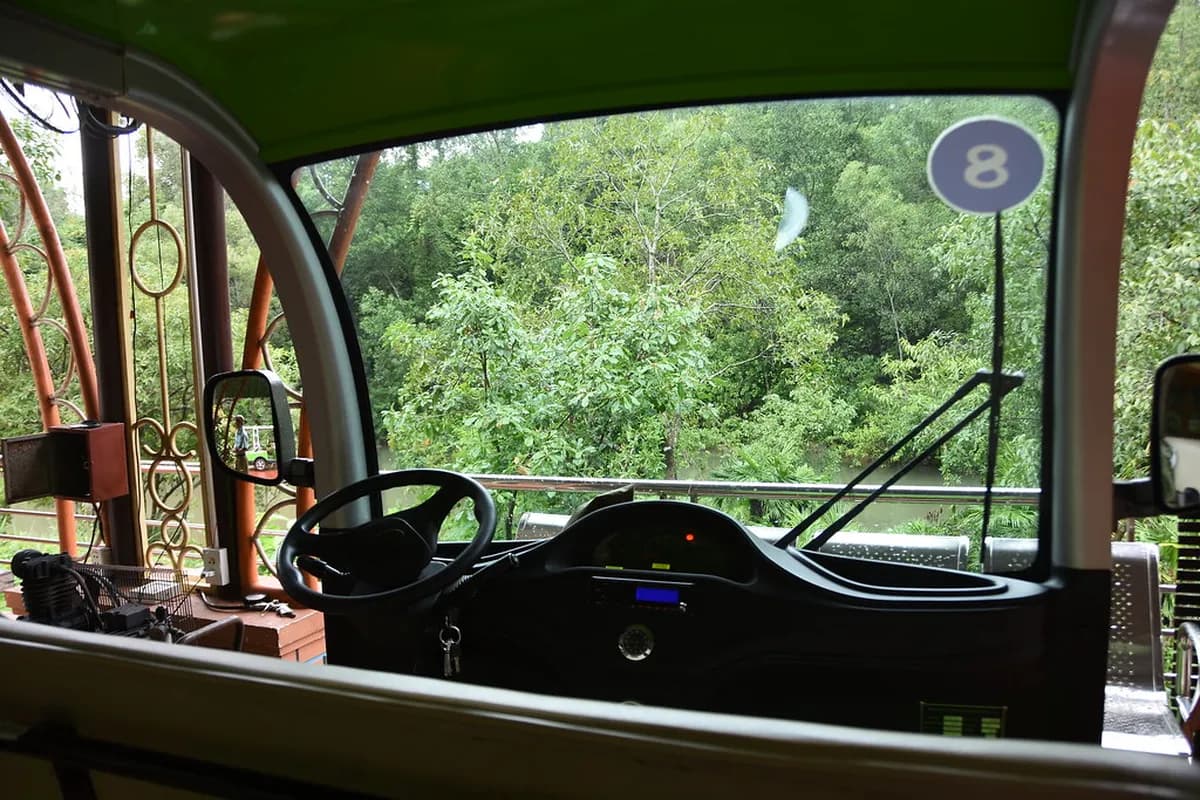
Central Vietnam Transport Guide: Buses, Trains & Taxis
Planning a Central Vietnam transport guide? Compare trains, buses, taxis, and ferries with 2026 prices, times, and booking tips for a smooth trip.
On this page
Central Vietnam links Hue, Da Nang, Hoi An, and Phong Nha along one manageable coastal stretch. A clear Central Vietnam transport guide helps you dodge confusing schedules and inflated fares. This guide compares flights, trains, buses, ferries, and local rides between these four cities. Last updated July 2026.
Expect real costs, journey times, and booking tips pulled from current Central Vietnam routes. Families, solo travelers, and groups each face different trade-offs between speed, comfort, and price. Start your route planning with the Central Vietnam Itinerary: A 10-Day Route Guide for a day-by-day framework.
This guide focuses on Hue, Da Nang, Hoi An, and Phong Nha rather than all of Vietnam. Each section pairs a transport mode with real costs, typical journey times, and booking advice. Skip ahead using the headings below if you already know which leg you are planning.
Key Takeaways
- Central Vietnam links Hue, Da Nang, Hoi An, and Phong Nha along one manageable coastal stretch.
- A clear Central Vietnam transport guide helps you dodge confusing schedules and inflated fares.
- This guide compares flights, trains, buses, ferries, and local rides between these four cities.
- Expect real costs, journey times, and booking tips pulled from current Central Vietnam routes.
Take the route offline
Free: the Central Vietnam route notes
Where to base yourself and what it costs, a day-by-day route that avoids backtracking, real transfer times and fares, seasonal timing, and where it connects onward — condensed from our Central Vietnam guides and made to take offline.
Central Vietnam Transport Guide Overview
This Central Vietnam transport guide starts with a fast snapshot of every option available. Flights work best for long jumps, while trains suit the scenic Hue to Da Nang stretch over Hai Van Pass. Buses and limousine vans fill gaps between smaller towns at a lower cost than private cars. Grab and taxis handle short hops inside each city, especially with luggage or after dark.
Book trains and limousine vans early during Vietnam's busiest months—Tet and summer holidays see them sell out fast. Grab and local taxis remain available even during peak periods.
| Transport Mode | Typical Time | Typical Cost | Best For |
|---|---|---|---|
| Flights | About 1 hour 20 minutes | From around $25 one-way | Long distances, tight schedules |
| Trains (Hue-Da Nang) | 150–180 minutes | Soft-seat tickets from about $10 | Scenic Hai Van Pass views |
| Limousine vans and open-tour buses | Similar to driving, plus stops | Roughly $5 to $9 per hop | Budget travelers wanting comfort |
| Grab, taxis, and private cars | Fastest door-to-door option | From about $3 for short rides | Groups, luggage, late arrivals |
Most travelers combine at least two of these modes during a single Central Vietnam trip. Budget travelers often lean on buses and trains, while families and groups favor private cars for comfort. Fares and schedules shift with season and fuel costs, so treat these numbers as a starting point.
The comparison below breaks down typical time, cost, and best-fit traveler for each transport option. Use it as a quick reference before reading the detailed sections that follow this overview. Every mode gets a deeper breakdown later, including specific booking tips and local constraints.
Mobile data helps every option on this list work smoothly, since Grab and train booking apps need a signal. A local SIM or eSIM costs a few dollars and covers most of Central Vietnam's cities and highways. Offline maps still help in mountain areas near Phong Nha, where signal can drop unexpectedly. Keep a backup cash reserve too, since rural bus stops rarely accept cards or digital wallets.
- Flights between major cities
- Time: about 1 hour 20 minutes
- Cost: from around $25 one-way
- Best for: long distances, tight schedules
- Trains along the coast
- Time: about 150-180 minutes Hue-Da Nang
- Cost: soft-seat tickets from about $10
- Best for: scenic Hai Van Pass views
- Limousine vans and open-tour buses
- Time: similar to driving, plus stops
- Cost: roughly $5 to $9 per hop
- Best for: budget travelers wanting comfort
- Grab, taxis, and private cars
- Time: fastest door-to-door option
- Cost: from about $3 for short rides
- Best for: groups, luggage, late arrivals
Inter-City Travel: Flights, Trains, and Buses
Da Nang International Airport connects Central Vietnam to Hanoi and Ho Chi Minh City in about 1 hour 20 minutes. Domestic one-way fares often start around $25, though prices climb fast during holidays and peak season. Vietjet, Bamboo Airways, and Vietnam Airlines all operate these routes multiple times daily. Check current schedules and fares directly through Vietnam Airlines before locking in your dates.

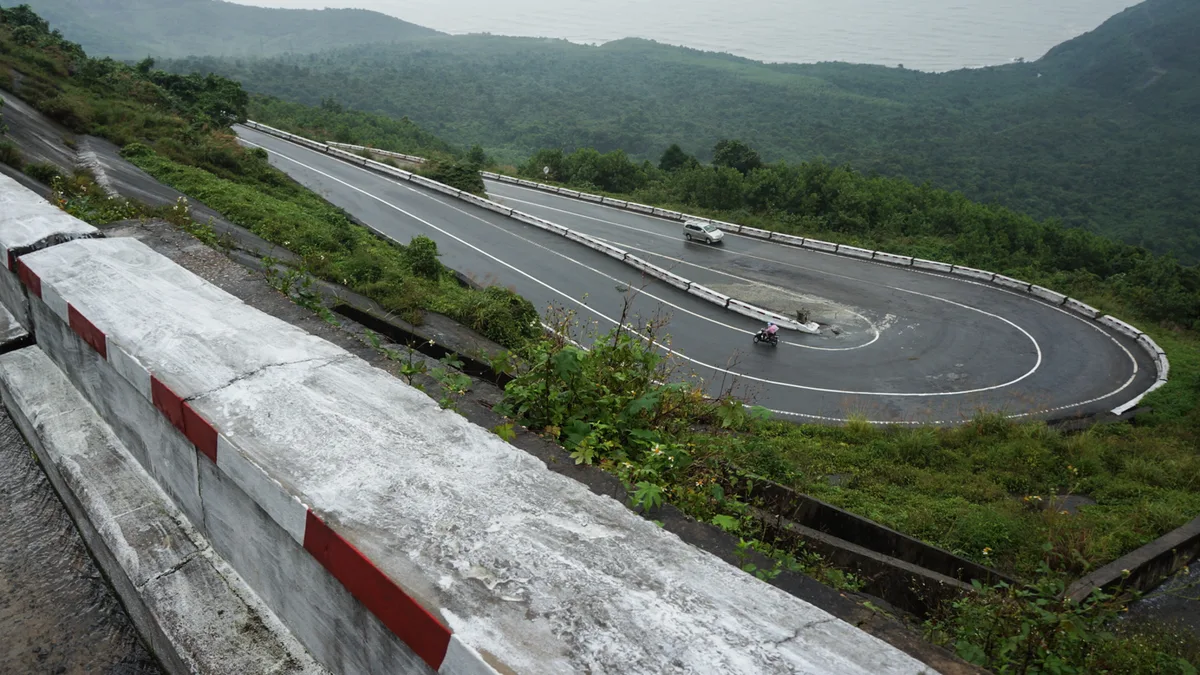
Trains link Hue and Da Nang in about two and a half to three hours, crossing Hai Van Pass with coastal views. Longer legs take far more time, since Vietnam's trains average roughly 40 kilometers an hour. Expect around 14 to 16 hours from Hanoi to Da Nang, and 16 to 18 hours from Ho Chi Minh City. Five daily Reunification Express services run this north-south line, so confirm timetables on Vietnam Railways.
Overnight sleeper buses cost less than trains but trade comfort for a bumpier, noisier ride. Comparable sleeper routes elsewhere in Vietnam price around $20 for roughly 400 kilometers, a useful budgeting benchmark. For a full route plan across these cities, see the Hue-Da Nang-Hoi An 7-day itinerary.
Choose flights when time matters more than budget, especially for legs over 300 kilometers. Pick the train for the Hue-Da Nang leg specifically, since the scenery rivals the destination itself. Reserve buses for shorter hops where price outweighs comfort, and build in extra buffer time. Groups traveling with heavy luggage usually find private transfers more practical than public options.
Comparing all three modes side by side, trains offer the best value for scenic middle-distance legs. Flights win on raw speed for anything beyond a single day's overland drive. Buses remain the cheapest option overall, though total travel time often doubles compared to flying. The Da Nang-to-Nha Trang corridor comparison shows how airport endpoints, overnight timing, and usable arrival can change that result. Weigh the hours saved against the dollars spent before locking in one mode for the whole trip.
Intercity Buses: Vans, Open Tours, and Local Rides
This Central Vietnam transport guide splits intercity buses into three tiers: vans, open-tour buses, and local buses. Limousine vans offer door-to-door hotel pickup and reclining seats for a higher fare. On the Da Nang to Hoi An route, vans run about 120,000 dong, versus 20,000 dong for a local bus. Open-tour buses sit between the two, with fixed schedules and shared pickup points.
Keep small dong notes available for local buses and taxis, as drivers often cannot break large bills. Ask for a reclining seat when booking trips longer than three hours.
Local buses save the most money but run slower routes with frequent roadside stops. Limousine vans work best when comfort and time matter more than saving a few dollars. Open-tour passes suit travelers hopping between many towns on a loose, flexible schedule. Book limousine vans a day ahead during peak season, since popular departure times sell out.
Seat position matters on vans, since back rows feel every bump on mountain roads. Confirm the pickup address when booking, since some vans only stop at central hotels. Buses heading toward Phong Nha run less often, so check the Phong Nha 3-day itinerary for timing.
A Da Nang to Hue van or bus ride takes roughly ninety minutes to two hours depending on traffic. Budget travelers pay a small fraction of a private car fare for the same distance. Carry small dong notes, since many local bus conductors cannot break large bills.
A common mistake is booking the cheapest local bus for a long route without checking the seat type. Hard bench seats on some rural buses make six-hour rides uncomfortable for larger travelers. Ask specifically for a sleeper or reclining seat when booking anything past three hours. Double-check the departure point, since some operators load passengers outside the city center.
- Limousine van
- Cost: about 120,000 dong Da Nang-Hoi An
- Time: around 45 minutes
- Best for: comfort seekers, hotel pickup
- Open-tour bus
- Cost: mid-range, fixed schedule
- Time: similar to driving plus stops
- Best for: multi-stop backpacker routes
- Local public bus
- Cost: about 20,000 dong Da Nang-Hoi An
- Time: 60 to 90 minutes with stops
- Best for: tight budgets, short hops
Ride-Hailing, Taxis, and City Transport Options
Da Nang International Airport sits just 3 kilometers from downtown, making transfers quick and cheap. Metered taxis from official queues charge roughly 100,000 to 150,000 dong, about $4 to $6. Grab or Be rides typically cost less, around 80,000 to 120,000 dong, roughly $3 to $5. Book your Grab through the app before leaving the terminal to lock in a fixed fare.

Grab remains the most reliable ride-hailing app across Da Nang, Hue, and Hoi An. Be works as a solid backup when Grab surge pricing spikes during rain or rush hour. Metered taxis from brands like Mai Linh suit short trips near your hotel. Where you stay affects how often you need rides, so review Da Nang or Hoi An accommodation areas first.
Always confirm the fare or meter before the car pulls away from the curb. Cyclos and motorbike taxis still operate in older quarters, though prices need clear negotiation upfront. Keep small dong notes handy, since local drivers often struggle to make change for large bills.
Hoi An's ancient town center bans cars entirely, so walking or cycling covers most sightseeing. Da Nang's beachfront and Han River areas also suit walking once you reach the neighborhood. Save ride-hailing apps for longer crosstown trips rather than short in-district hops.
Avoid hailing motorbike taxis directly from busy tourist streets, where quoted prices often run higher. Ask your hotel front desk for a fair baseline fare before your first ride in a new city. Traffic lights work more like suggestions at some intersections, so cross alongside local pedestrians. Solo travelers and women traveling alone generally find Grab safer than hailing a random street taxi.
Water Transport and Day-Trip Transfers
Da Nang's Han River hosts evening cruise boats that pass beneath the lit-up Dragon Bridge. Short river cruises usually run about an hour and depart from piers near downtown. Cham Island ferries from Hoi An add a half-day option for snorkeling and beach time. Book ferry tickets a day ahead during summer, when boats fill with weekend visitors.
Basket boat rides through Hoi An's coconut forest offer a low-cost taste of local river life. Rentals run short loops of 15 to 30 minutes, often bundled with a village tour. Prices vary by operator, so compare a few stalls near Cam Thanh before committing.
Ba Na Hills sits about 25 kilometers from Da Nang, reached by cable car after a short drive. Private cars or tour vans handle this transfer, since public buses skip the base station. Marble Mountains and Son Tra Peninsula sit closer to the city, within a short Grab ride. Combine both stops in one day when you rent a car or motorbike for flexible timing.
Rough seas can cancel Cham Island ferries during the rainy season, especially from October to December. Check the Best Time to Visit Central Vietnam: Travel Guide before booking water-based day trips. Calmer months make boat transfers more predictable and lower the risk of cancellation.
Cham Islands require a permit for overnight stays, though day-trip ferry tickets need no special paperwork. Ferry capacity is limited, so operators often cap daily visitor numbers during high season. Book through a licensed tour desk in Hoi An rather than an unlicensed street vendor. This extra step protects both your safety and your ticket if the schedule changes.
Driving, Motorbike Rental, and Traveler Fit
Renting a motorbike costs roughly $5 to $20 per day, depending on engine size and rental length. Automatic scooters suit most short-term visitors, while manual bikes attract confident riders on Hai Van Pass. Always ask for a helmet, and check the brakes and tires before riding off. An international driving permit technically applies, though enforcement varies widely between provinces.
Traffic in Da Nang and Hue moves fast, with scooters weaving between cars and trucks. Wear the helmet the rental shop provides, and avoid riding after dark in unfamiliar areas. Photograph the bike before leaving the shop to document any existing scratches or damage.
Solo travelers on a budget often mix local buses, trains, and the occasional Grab ride. Families with young children usually gain more from private cars, which skip transfers and long waits. Groups splitting a private van often pay less per person than solo riders pay for individual Grab trips.
Matching your transport choice to your travel style saves both time and money across the trip. For more route ideas across the region, browse the Vietunfold travel blog. Whichever mix you choose, book key legs early during Vietnam's busiest travel months.
Long-distance self-driving on a motorbike suits confident riders comfortable with mountain curves and unpredictable traffic. Hiring a private driver costs more but removes the fatigue and risk of a multi-hour ride. A private driver also works better for travelers carrying surfboards, large luggage, or young children. Weigh your riding experience honestly, since Hai Van Pass punishes hesitation more than speed.
- Solo budget travelers
- Mode: buses, trains, Grab
- Cost: lowest overall total
- Trade-off: more transfer time
- Families with children
- Mode: private car or van
- Cost: higher per trip
- Trade-off: fewer transfers, more comfort
- Groups of four or more
- Mode: shared private van
- Cost: low per person
- Trade-off: fixed group schedule
Airport Transfers to Hoi An, Hue, and Phong Nha
Da Nang International Airport is the main gateway for Hoi An, but Hoi An has no airport or railway station. The drive from the terminal to central Hoi An is roughly 30 kilometers and normally takes 45–60 minutes. Pre-booked hotel shuttles and private cars are convenient with luggage; app-based cars may require passengers to meet drivers at a designated pickup area rather than directly outside arrivals.
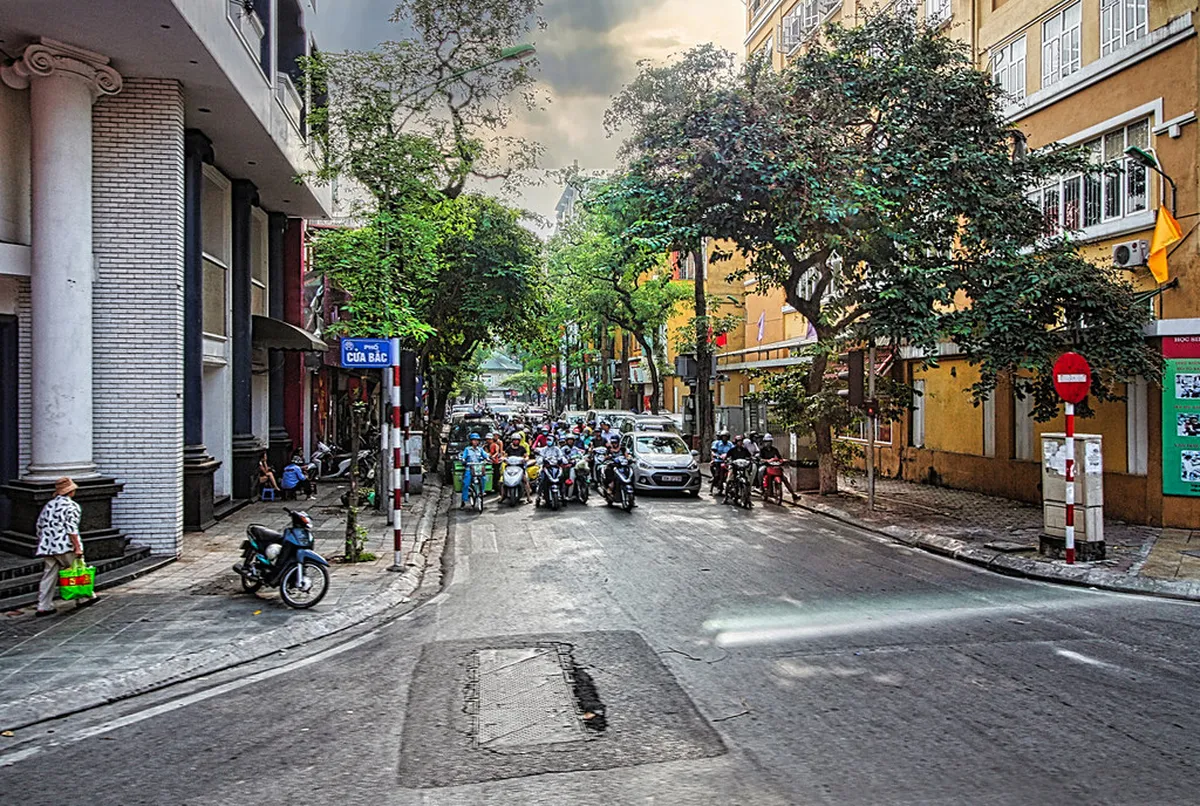
For Hue, Phu Bai International Airport lies south of the city, with taxis, ride-hailing cars, and airport shuttles covering the transfer to central Hue. Confirm whether a shuttle stops near your accommodation or at a fixed city drop-off point before boarding.
Phong Nha’s nearest airport is Dong Hoi Airport, about 45 kilometers from Phong Nha town. A private transfer is the simplest option, especially for evening arrivals, because shared buses and local connections are less frequent later in the day. Travelers can also go into Dong Hoi for onward transport, but this adds a transfer. Send your flight number to any pre-booked driver so the pickup can be adjusted if your arrival is delayed.
Official Planning Checks Before You Go
Consult Vietnam Tourism’s national transport overview and the official Vietnam Tourism transport FAQs. These official planning pages explain the main transport modes. Timetables, fares, vehicle types, and baggage rules remain operator-controlled and should be checked before payment.
Frequently Asked Questions
How do you get around Central Vietnam without a car?
Combine trains for the scenic Hue to Da Nang leg, buses or limousine vans for shorter hops, and Grab or taxis inside each city. This mix covers most routes without renting a vehicle. A Central Vietnam transport guide like this one helps you sequence each leg efficiently. Trains run daily on this route.
What is the fastest way to travel between Hue, Da Nang, and Hoi An?
Private car or Grab is fastest for Da Nang to Hoi An, taking about 45 minutes door to door. For Hue to Da Nang, the train takes about two and a half to three hours and includes Hai Van Pass views. Flights only make sense for legs beyond this corridor. Booking a private car a day ahead avoids last-minute price spikes during holidays.
Is it safe to rent a motorbike in Central Vietnam?
Motorbike rental is common and affordable, running about $5 to $20 per day. Traffic moves fast in Da Nang and Hue, so confident riders fare best. Wear a helmet, check the brakes first, and avoid mountain passes after dark or in rain. Most rental shops in Da Nang and Hoi An also offer helmets free.
How much does transport cost in Central Vietnam?
Short Grab rides start around $3, and local buses cost about a dollar or two. Hue to Da Nang trains run roughly $10 to $15 depending on the seat class. Domestic flights often start near $25 one-way, while private cars and vans cost more. Prices shift with fuel costs and season, so treat these as rough working figures.
Do you need to book Central Vietnam transport in advance?
Booking ahead helps most during Tet and summer holidays, when trains and limousine vans sell out fast. Grab and local taxis rarely need advance booking. Build in flexible time buffers for weather delays on ferries and mountain roads. Local taxis and Grab remain available even during major holidays.
A well-planned Central Vietnam transport guide turns a confusing region into an easy, connected trip. Flights save time on long jumps, while trains and buses fill in the scenic middle ground. Grab, taxis, and the occasional motorbike rental cover the rest inside each city.
Match each leg to your budget, timeline, and comfort needs rather than picking one mode for everything. Book trains and limousine vans early during peak months, and keep small cash on hand for local buses. With these routes mapped out, Central Vietnam becomes simple to navigate from Hue to Phong Nha.
Central Vietnam rewards travelers who mix transport modes instead of relying on just one option. Revisit the cost and time comparisons above whenever your itinerary changes or plans shift. A little research before departure pays off with smoother transfers and fewer surprises.
Take the route offline
Free: the Central Vietnam route notes
Where to base yourself and what it costs, a day-by-day route that avoids backtracking, real transfer times and fares, seasonal timing, and where it connects onward — condensed from our Central Vietnam guides and made to take offline.
Keep unfolding Vietnam
Continue along the route
Three nearby guides for the next decision in your trip.


