

Photo: Gary Lee Todd, Ph.D. via Flickr (CC0 1.0)
Best Area To Stay In Da Nang Travel Guide (2026)
Compare the best areas to stay in Da Nang, from My Khe Beach to the Han River, with neighborhood trade-offs, transport tips, and hotel guidance.
On this page
Finding the right neighborhood in Da Nang makes or breaks a trip. Most travelers focus only on beach access or hotel price. This misses crucial context about lifestyle, proximity, and livability.
We've reviewed Da Nang's main neighborhoods, rental costs, and hotels. This guide helps you choose the area matching your priorities. Last updated July 2026.
Key Takeaways
- Finding the right neighborhood in Da Nang makes or breaks a trip.
- Most travelers focus only on beach access or hotel price.
- This misses crucial context about lifestyle, proximity, and livability.
- We've reviewed Da Nang's main neighborhoods, rental costs, and hotels.
Take the route offline
Free: the Da Nang route notes
Where to base yourself and what it costs, a day-by-day route that avoids backtracking, real transfer times and fares, seasonal timing, and where it connects onward — condensed from our Da Nang guides and made to take offline.
Beach Side vs. City Side: The Core Division
Da Nang's geography pivots on the Han River. This river divides the city into two fundamentally different experiences. The beach side (east) attracts most tourists and expats.
The beach side offers direct or near beach access. It has a resort-like atmosphere and walkable tourist amenities. The city side (west) feels more authentically Vietnamese.
If you prioritize beach life and walkable access, choose beach side. If you want cultural immersion and lower costs, choose city side. Most first-timers pick beach side; longer-term visitors often choose hybrid neighborhoods.
Beach-side hotels run $30–50/night for mid-range comfort. Budget options start at $10–15/night; luxury resorts cost $80–200+/night. City-side guesthouses start lower but offer fewer tourist amenities.
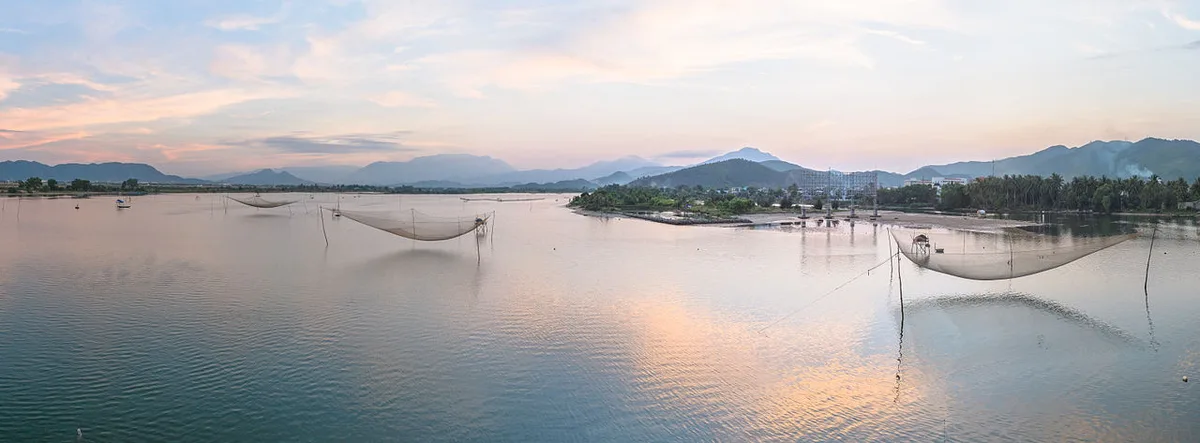
My An: The Most Popular Beach Neighborhood
My An is Da Nang's largest and most popular beach neighborhood. It sits directly across from My Khe Beach. My Khe is Da Nang's most famous and visited beach.
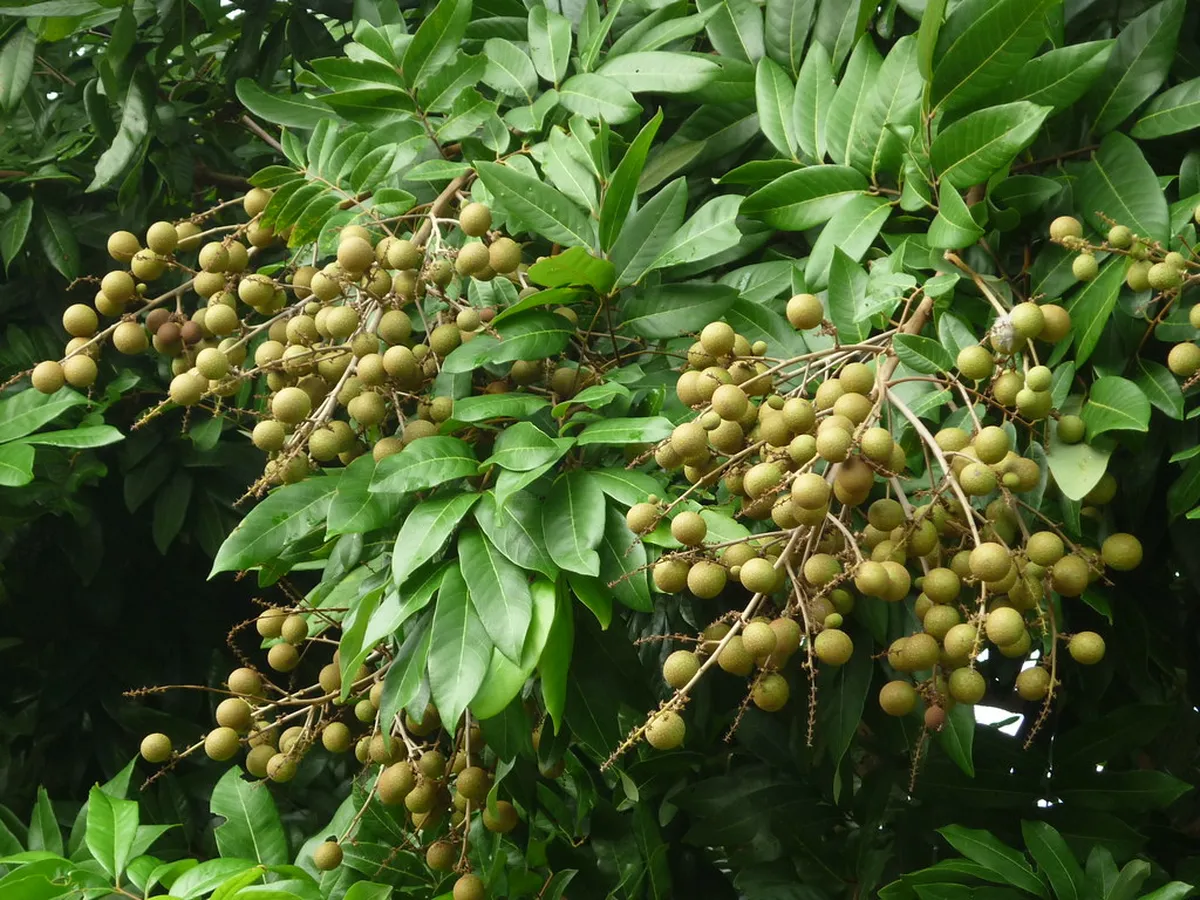
My An balances tourist convenience with an authentic neighborhood feel. It's less commercialized than An Thuong but equally walkable. Mid-range hotels charge $30–50/night; local apartments rent ~$283/month furnished.
The neighborhood stretches about 30 minutes toward Hoi An southward. It borders Son Tra to the north at Nguyen Van Thoai Street. Recent development added cobblestone walking streets and improved sidewalk infrastructure.
The Marble Mountains are roughly 10 minutes south by taxi. A dedicated beach path runs several kilometers north toward Son Tra. For first-timers wanting beach access without resort-bubble feel, My An excels.
Top hotel picks include M Hotel Danang and Starlet Hotel. Both offer solid value and direct beach access. Book early during peak season (October–April) to secure rates.
An Thuong Area: The Heart of Tourist Activity
An Thuong refers to numbered streets (1, 2, 3, etc.) in My An. These streets form Da Nang's epicenter of tourist life. They're packed with hotels, cafes, bars, restaurants, and tour operators.
Budget hostels charge $10–15/night; mid-range hotels cost $40–80/night. My Khe Beach is directly across the main road. It's a straightforward walk for most of the strip's length.
The area has upgraded significantly over the past five years. New cobblestone pedestrian zones make it walkable and photograph-friendly. Nightlife is livelier here than in quieter neighborhoods.
You'll find beach bars, late-night karaoke, and constant foot traffic. It's ideal if you want walkable access to shopping and dining. The trade-off: An Thuong feels commercialized and crowded during peak times.
Noise from bars and restaurants carries into nearby streets. This may bother light sleepers or noise-sensitive travelers. Consider staying 5–10 minutes away if you want quieter sleep.
Son Tra: The Quieter Peninsula Option
Son Tra is a distinct peninsula located north of My An. It's roughly 30 minutes' drive from the city center. This remoteness means it's far enough to feel removed.
Yet it's close enough for day trips into central Da Nang. Upscale resorts cluster here, prioritizing tranquility and premium amenities. Sala Danang Beach and similar properties cater to couples and families.
Son Tra is home to Monkey Mountain (Sơn Trà). This is a unique nature reserve with hiking trails. It features endemic wildlife found nowhere else nearby.
Hotel prices here range $60–150+/night for mid-range to luxury. You sacrifice walk-to-town convenience for space and quiet. You gain better access to natural attractions and wildlife.
Dining and shopping require short motorbike or taxi trips. There's no dense tourist strip like An Thuong. Book ahead; availability is tighter than central My An.
Hai Chau: The City-Side Neighborhood
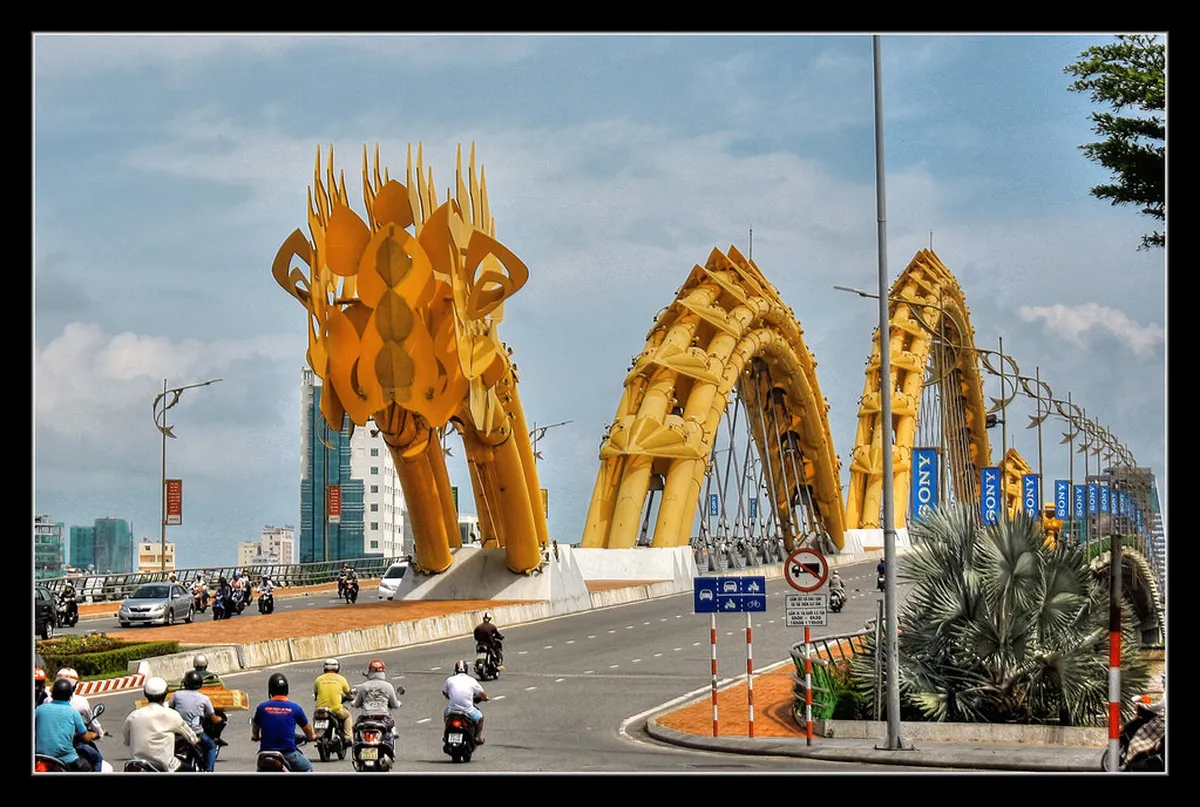
Hai Chau is Da Nang's main city-side neighborhood. It's west of the Han River and home to downtown. The Dragon Bridge (Cầu Rồng) anchors this area culturally.
The bridge's fire show runs Friday, Saturday, Sunday at 9 PM. Each show lasts approximately 15 minutes. It's a free attraction that draws locals and visitors.
The Da Nang Museum is centrally located here. So is the Da Nang Museum of Cham Sculpture. Both make Hai Chau ideal for culture-focused travelers.
Hotel options are fewer than beach side. Expect small guesthouses and local properties at $15–35/night. Long-term rent is lower: $294–351/month for furnished apartments.
The area feels authentically Vietnamese with markets and street food. You'll find local coffee shops rather than tourist restaurants. Trade-offs: no direct beach access; fewer English speakers in casual venues.
Best Luxury Hotels and Resorts in Da Nang
Luxury options in Da Nang concentrate on two categories. These are beachfront resorts and wellness-focused retreats. Each serves different traveler needs and budgets.
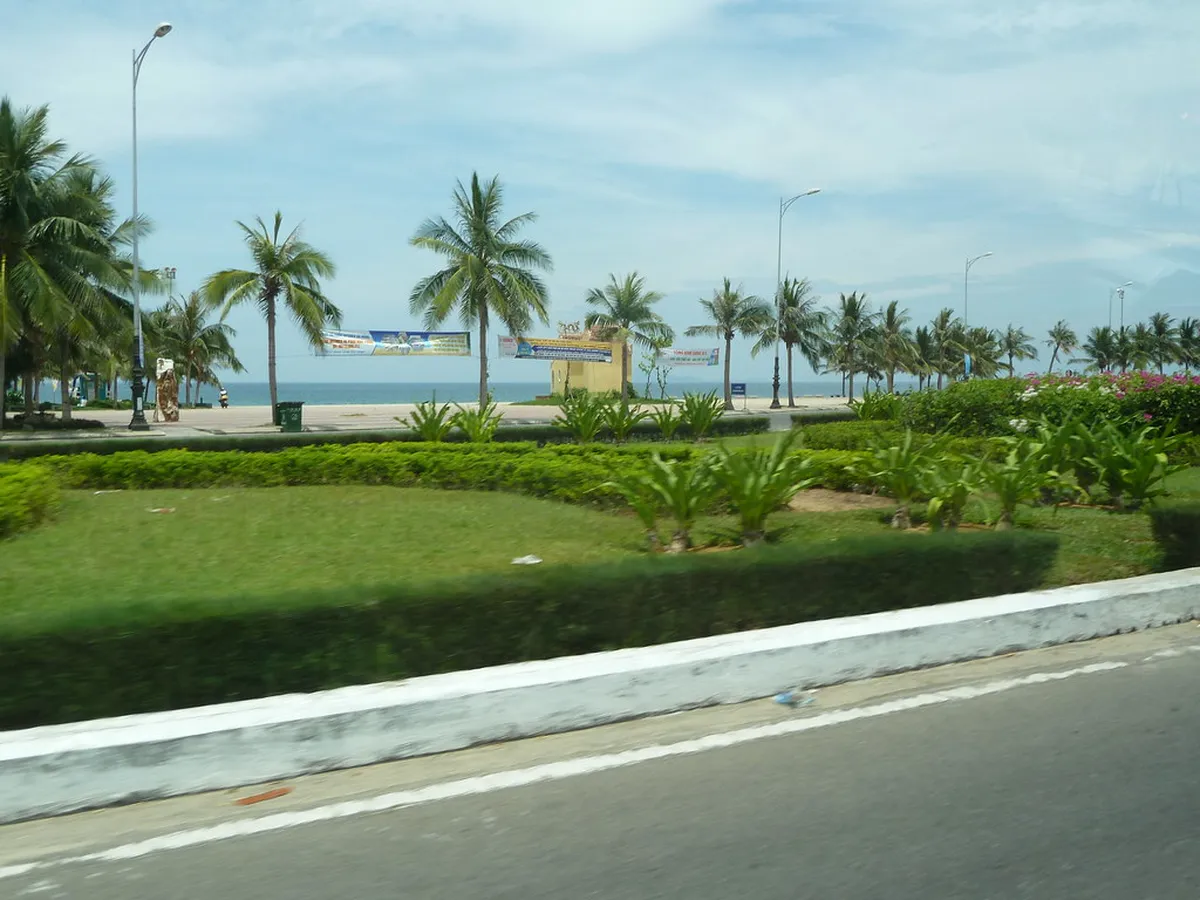
The Intercontinental Da Nang sits on My Khe Beach. It offers full resort amenities, multiple restaurants, and spa services. Nightly rates range $120–200+ depending on season.
The Furama Resort is also beachfront with comparable services. It's slightly lower-priced than the Intercontinental. Both offer similar luxury levels and direct beach access.
The TIA Wellness Resort specializes in mind-body retreats. It's south of the Furama in the My An area. It's roughly a 10-minute drive from central My An.
TIA offers yoga, spa treatments, and rejuvenation programs. Rates typically run $80–150/night. It appeals to those seeking rest over party-focused vacations.
Mid-range 'smart luxury' options include M Hotel Danang and Sala Danang Beach. These deliver solid service and near-beach access at $50–80/night. For first-timers, these picks often offer better value than five-star properties.
Common Booking Mistakes in Da Nang
The most frequent mistake is assuming 'beachfront' means immediate beach access. Some An Thuong hotels are 5–10 minutes inland. Others claim beach proximity but require crossing busy main roads.
Local platforms quote $230-340/month for furnished one-bedroom apartments, while foreigner-facing sites charge $530-720 for the same property—a markup exceeding 100%. For stays over two weeks, exploring Facebook groups and Vietnam-specific sites saves substantially.
October-April is optimal for most visitors with warm, sunny weather and minimal rain. Rainy season (May-September) brings humidity and occasional flooding, reducing beach time significantly. Typhoon risk peaks September-October.
Always request a map link before committing. Ask for photos of the direct route from entrance to sand. Verify actual walking distance isn't obscured by 'near beach' language.
A second pitfall is ignoring seasonal weather when booking. Rainy season (May–September) brings humidity and occasional flooding. It also reduces beach time significantly.
Hotels drop prices during rainy months. This tempts budget travelers without adjusting expectations. October–April is optimal for most visitors.
Many travelers underestimate local versus foreigner rental platform differences. Local rent runs ~$230–340/month for one-bedroom apartments. Foreigner-facing sites quote ~$530–720 for the same property.
That's a markup of 100%+ for longer stays. For stays over two weeks, exploring local platforms saves significantly. Check Facebook groups and Vietnam-specific rental sites.
Finally, booking city-center hotels expecting beach-area amenities causes disappointment. Decide your priority first: beach access, culture, or budget. Then book accordingly; no neighborhood excels at all three.
Is Da Nang a Good Place to Live?
Da Nang is emerging as a popular hub for expats. Digital nomads and remote workers are increasingly choosing it. The reasons are compelling: affordability and lifestyle quality.
Cost of living is low: furnished one-beds rent $283–351/month. A modest meal costs under $2. Skill-dependent visa issues and healthcare limitations do exist.
The city is large enough for infrastructure (supermarkets, coworking, meetups). Yet it's small enough to feel navigable. It's less overwhelming than Hanoi or Ho Chi Minh City.
Hoi An (a UNESCO town) lies just 30 minutes away. A Central Vietnam itinerary based from Da Nang connects marble mountains and waterfalls. The city offers enough to anchor a multi-week regional exploration.
Typhoons can occur September–October; healthcare is limited for complex issues. Vietnamese proficiency isn't mandatory but helps significantly beyond month one. Read our Da Nang cost-of-living teardown → for deeper financial planning.
Non Nuoc Beach: Best for Resorts and a Quiet Stay
Non Nuoc Beach suits travelers who want a quieter beachfront base away from My Khe and An Thuong. It lies south of central Da Nang in Ngũ Hành Sơn District, near the Marble Mountains and along the coastal route toward Hoi An. Large resorts and private beachfront properties dominate the area, making it especially practical for couples, families, and travelers planning to spend substantial time at their hotel.
The main advantage is space: the beach is generally less hectic than the central My Khe strip, while the Marble Mountains are only a short taxi ride away. The location also shortens the trip to Hoi An compared with staying in Hải Châu or Sơn Trà.
The trade-off is limited walkability. Restaurants, cafes, convenience stores, and nightlife are more dispersed than in An Thuong, so taxis or ride-hailing services are often necessary. Before booking, check whether the property has direct beach access and whether breakfast, airport transfers, or a shuttle into central Da Nang are included. Choose Non Nuoc for resort facilities and calm surroundings; avoid it if independent dining and nightlife within walking distance are priorities.
Official Planning Checks Before You Go
Use the official Vietnam Tourism Da Nang guide for destination context and the Vietnam Tourism trip-planning portal for a second official baseline. Recheck any opening hour, fare, timetable, closure, access rule, weather risk, or booking condition with the responsible operator shortly before travel; an official destination overview is not a live inventory or service guarantee.
For the wider route context, continue with Da Nang Travel Planning Hub Travel Guide, and Da Nang 3 Day Itinerary Travel Guide before fixing this stop in your itinerary.
Frequently Asked Questions
Which area in Da Nang is best to stay?
It depends on priorities. My An balances beach, local feel, and walkability. An Thuong excels for nightlife and tourist amenities. Son Tra suits luxury seekers and quiet travelers. Hai Chau works for cultural travelers and long-term stays. Match your trip type to your neighborhood.
How far is Hoi An from Da Nang?
Hoi An is approximately 30 minutes from Da Nang by car or motorbike. Da Nang is an ideal base for exploring Central Vietnam. See our Hoi An neighborhood guide if splitting time between both cities.
What's the typical cost of a hotel in Da Nang?
Mid-range hotels range $30–50/night; budget options start $10–15/night; luxury resorts cost $80–200+/night. Long-term rentals (apartments) cost $283–351/month locally, but foreigner-facing platforms quote $530–720.
Is Da Nang safe for solo travelers and families?
Yes, Da Nang is generally safe for both. Petty theft exists in tourist areas, but violent crime is rare. Use standard precautions (secure belongings, avoid isolated areas at night). Both solo travelers and families find it welcoming.
What's the best time to visit Da Nang?
October–April is ideal: warm, sunny, minimal rain, excellent beach conditions. May–September is rainy season; typhoon risk peaks September–October. Rainy months drop hotel prices but impact beach time and outdoor activities significantly.
Da Nang's neighborhoods offer distinct trade-offs: beach versus affordability. Walkability versus quiet, tourism infrastructure versus local culture. Your best choice depends on trip length, budget, and priorities.
Book early during peak season and confirm beach walking distances. Don't hesitate to explore Hai Chau or venture outside the tourist bubble. Authentic meals and experiences await beyond the commercial strips.
Take the route offline
Free: the Da Nang route notes
Where to base yourself and what it costs, a day-by-day route that avoids backtracking, real transfer times and fares, seasonal timing, and where it connects onward — condensed from our Da Nang guides and made to take offline.
Keep unfolding Vietnam
Continue along the route
Three nearby guides for the next decision in your trip.


