

My Son Sanctuary From Hoi An Travel Guide
Plan My Son Sanctuary from Hoi An with top picks, timing tips, booking advice, and practical logistics for a meaningful visit.
On this page
My Son Sanctuary sits in a lush valley 45 km southwest of Hoi An. The site holds temple ruins from the Champa Kingdom, built between the 4th and 14th centuries. Today, it stands as Vietnam's most significant pre-15th-century archaeological site and UNESCO World Heritage Site. Last updated July 2026.
Quick Answer: Guided tours departing early (6:30 am, 600,000 VND / ~$24–26) offer best value for most travelers. Shared shuttles ($10–15 one-way) suit budget travelers seeking independence; car rentals ($40–60) suit flexibility seekers.
Key Takeaways
- My Son Sanctuary sits in a lush valley 45 km southwest of Hoi An.
- The site holds temple ruins from the Champa Kingdom, built between the 4th and 14th centuries.
- Today, it stands as Vietnam's most significant pre-15th-century archaeological site and UNESCO World Heritage Site.
- Quick Answer: Guided tours departing early (6:30 am, 600,000 VND / ~$24–26) offer best value for most travelers.
Take the route offline
Free: the Hoi An route notes
Where to base yourself and what it costs, a day-by-day route that avoids backtracking, real transfer times and fares, seasonal timing, and where it connects onward — condensed from our Hoi An guides and made to take offline.
How to Get to My Son Sanctuary From Hoi An
My Son lies 60 km from Hoi An, reachable in 45 minutes by road. Multiple transport options exist, each with different costs and experience trade-offs. Early-morning departures are essential to beat crowds and escape midday heat.
Four main transport methods serve the sanctuary, ranging from guided tours to car rentals. Guided tours provide historical context and convenience; shuttles offer flexibility. Understanding each option helps you choose based on budget, time, and cultural interest.
| Transport Method | Cost | Includes |
|---|---|---|
| Guided tours | 600,000 VND (~$24–26) | Hotel pickup, local guide, breakfast, entrance fee |
| Shared shuttles | $10–15 one-way | Transportation only |
| Private transfers | $30–50 | Driver service |
- Step 1: Compare transport options before booking
- Guided tours (600,000 VND ~$24–26) include local guide, hotel pickup, and breakfast.
- Shared shuttles ($10–15 one-way) offer independence but require self-navigation and no cultural context.
- Private transfers ($30–50) provide driver service without meals or historical explanations.
- Step 2: Decide between tour operator and independent booking
- Hotel concierges offer tour packages with instant booking; most have established partnerships.
- Online platforms (GetYourGuide, TripAdvisor) provide flexible cancellation and transparent pricing.
- Independent shuttle buses depart 1–2 times daily; confirm exact schedule at your hotel.
- Step 3: Calculate total cost including entrance fee
- Entrance fee: 150,000 VND (~$5.90) for foreigners; 100,000 VND (~$3.95) for Vietnamese nationals.
- Guided tours often bundle entrance; always clarify to avoid surprise costs at the gate.
- Budget option: $10–15 shuttle + $5.90 entrance runs roughly $16–21 total per person.
- Step 4: Arrange early-morning pickup from your Hoi An hotel
- Pickup times typically range 5:20 am to 7:30 am depending on your hotel location.
- Tours collect from multiple hotels; expect 10–15-minute delays for each additional passenger pickup.
- Confirm your pickup time and exact hotel address with tour operator the night before.
- Step 5: Aim to arrive at My Son by 7 am
- Early arrival (7 am) gives 2–3 hours of relative solitude before crowds arrive.
- Midday temperatures reach 35°C+ (95°F+); early start stays 5–10°C cooler and more comfortable.
- Fewer tour groups also mean better photography opportunities and personal guide interaction.
- Step 6: Plan on-site experience and return timing
- Guided tours spend 2–3 hours on-site, including history talks and temple visits.
- Most tours depart the sanctuary by 10–10:30 am to return to Hoi An by noon.
- Return transport is typically included; confirm departure time to plan afternoon activities.
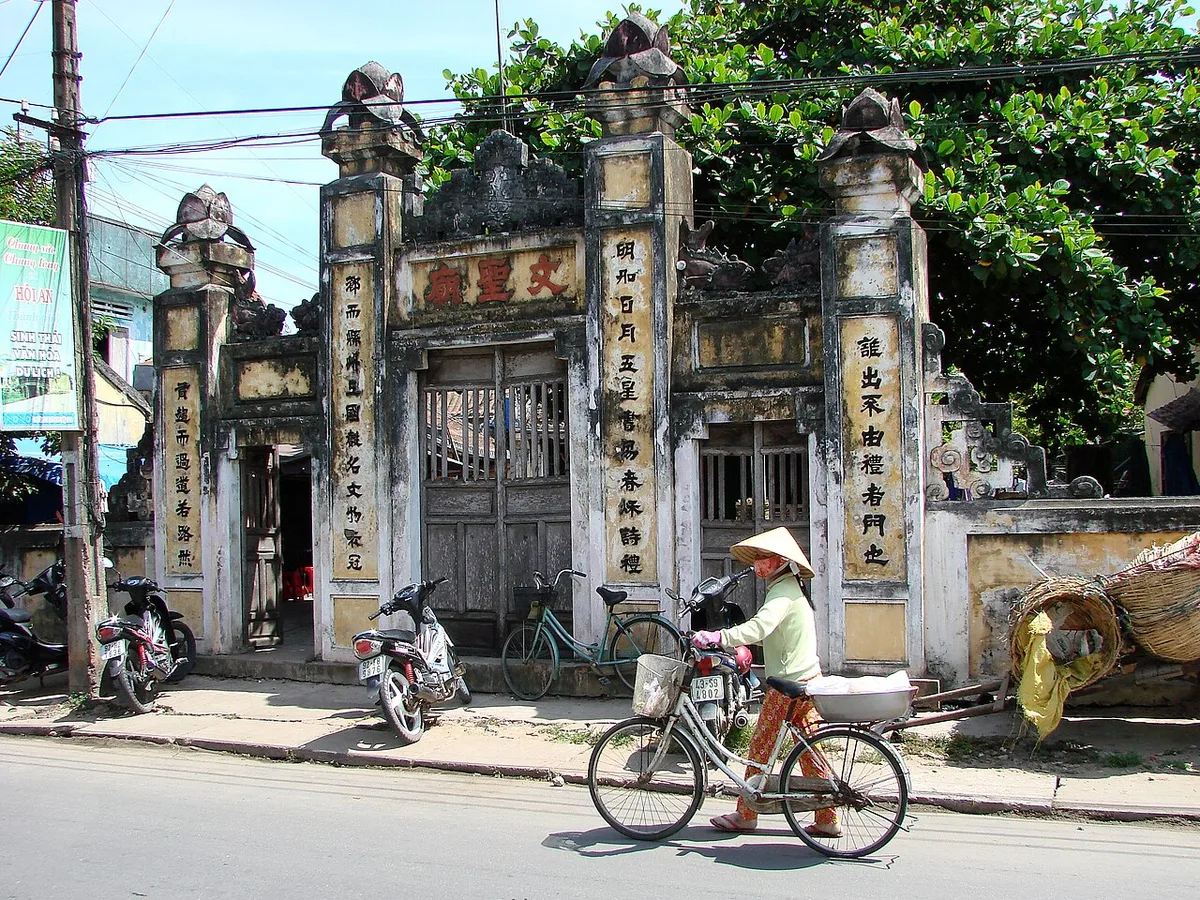
Booking Your Tour: Essential Preparation
Once you choose your transport method, booking is straightforward and takes minimal time. Most travelers complete the process through their hotel in under 5 minutes. Advance booking ensures you secure early-morning departure slots and avoid last-minute stress.
- Pre-visit preparation checklist
- Ask your hotel concierge about My Son tours; most have instant booking and partnerships.
- Alternatively, search GetYourGuide or TripAdvisor for 'My Son tour Hoi An' and filter for 6–7 am departures.
- Request written confirmation with your pickup address, exact time, and operator contact number.
- Confirm in writing whether entrance fee is bundled or charged separately at the gate.
- Set a phone alarm for 30 minutes before pickup; taxis are slower at 5 am in quiet streets.
- Prepare light breakfast items; tours typically include a breakfast stop but snacks provide backup.
- Charge your phone and camera the night before; no charging stations exist at the sanctuary.
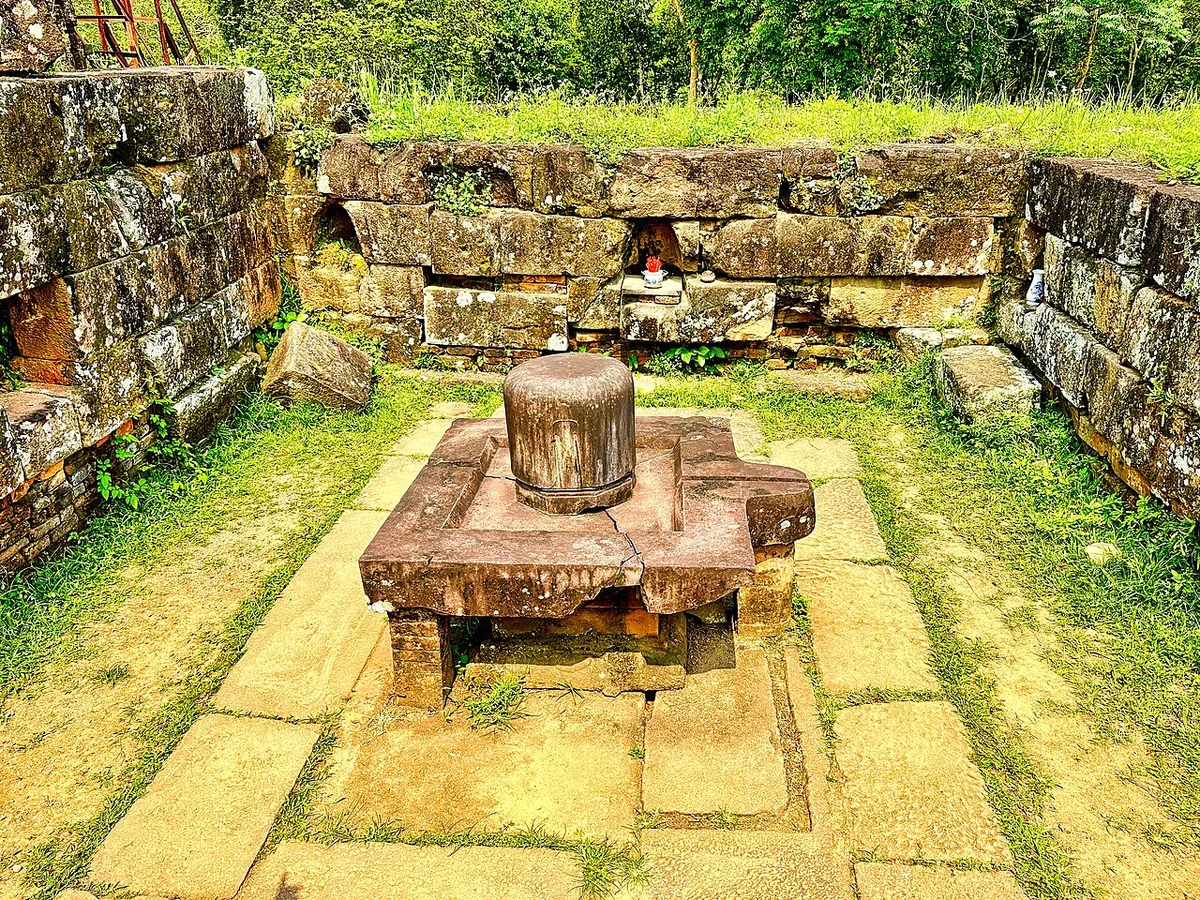
What to See at My Son Sanctuary
My Son Sanctuary is an open-air museum of ancient Champa civilization and Hindu architecture. The Champa people built these temples between the 4th and 14th centuries. Each temple was dedicated to Hindu gods, primarily Shiva, using distinctive brick and stone techniques unique to Southeast Asia.
Cover shoulders and knees when visiting. Remove shoes indoors. These cultural protocols are essential for entering the sanctuary's Hindu temples, which were built between the 4th and 14th centuries.
The sanctuary originally held over 70 temples scattered across the lush valley. During the Vietnam War in 1969, American bombing destroyed roughly two-thirds of the main structures in just one week. Since UNESCO protection in 1999, Polish conservationist Kazimierz Kwiatkowski and Vietnamese restoration teams have carefully rebuilt key temples (source).
The complex is organized into temple groups labeled A through H across the valley. Group A contains the most historically significant structures; restoration reveals elaborate carvings and multi-tiered designs. Groups B, C, and D hold smaller temples with intact details and quieter exploration spaces. Most guided tours focus on Groups A, B, and C due to time constraints.
Don't miss the daily Champa dance performances at 10 am, 10:45 am, 2 pm, and 3:30 pm. These 15-minute shows demonstrate traditional movements and provide essential cultural context. Performances enhance your appreciation of temple designs and ritual functions. Guided tours typically time your arrival to catch at least one performance.
- Step 1: Learn Champa history and temple purposes with your guide
- Guides explain Champa migration from Java and their Hindu faith traditions.
- Understanding cultural context makes carved details—deity faces, fertility symbols, warriors—deeply meaningful.
- Guides also explain construction methods: soft bricks fused without mortar create durable structures.
- Step 2: Explore Group A and most-restored main temples
- Group A is the complex heart; restored sections reveal original grandeur despite 1969 damage.
- Main temples reach 10–12 meters tall with intricate carvings and architectural details intact.
- Early-morning light casts dramatic shadows on stone carvings, making photography exceptional.
- Step 3: Visit smaller temple groups for intact carvings and quiet spaces
- Groups B, C, and D receive fewer visitors, offering reflection and photography without crowds.
- Intact smaller temples show detailed carvings of deities, dancers, and architectural elements.
- Terrain is uneven with tree roots and loose stones; wear sturdy shoes and watch footing.
- Step 4: Watch a Champa dance performance (10 or 10:45 am recommended)
- Performances show traditional movements in reconstructed costumes; typically 15 minutes near Group A.
- The performance adds human dimension to stone temples and clarifies ritual significance.
- Morning performances (10 am, 10:45 am) offer better timing than afternoon shows at 2 pm and 3:30 pm.
- Step 5: Examine construction techniques and symbolic carved details closely
- Champa builders stacked low-fired bricks, then set entire structures on fire to fuse them.
- This technique fused bricks without mortar—rivaling Roman construction methods in sophistication.
- Look for carved lingams (Shiva symbols), deity faces, and fertility imagery on surviving stone blocks.
Essential Tips: Crowds, Heat, and Logistics
My Son is an open-air archaeological site with minimal facilities and uneven terrain. Preparation and realistic expectations transform a good visit into a memorable one. The tips below address common concerns and prevent avoidable discomforts.
Early arrival by 7 am provides 2–3 hours of solitude before crowds arrive. Midday heat reaches 35°C+; early morning stays 5–10°C cooler and more comfortable.
Arriving early is the single most important strategy for comfort and optimal experience. Most tour groups arrive after 10 am, after you've already explored main temples. Early morning stays 5–10°C cooler than midday and provides far fewer crowds.
- Common concerns and practical solutions
- Worried about 5 am wakeup? Tour operators call night before; hotel pickup eliminates transport stress.
- Unsure if entrance fee is included? Confirm in writing before booking; budget 150,000 VND if separate.
- Afraid of midday heat? Arriving by 7 am keeps you on-site during cooler morning hours.
- Not sure what to see? Hire a guide (included in most tours) or pre-study sanctuary maps.
- Arriving late (after 10 am)? Visit Groups B, C, D or return evening (open until 5 pm).
- Cultural sensitivity concerns? Wear clothes covering shoulders and knees; remove shoes indoors.
- Mobility concerns? Terrain is uneven with roots and stones; allow extra time and wear sturdy shoes.
Visit the My Son Museum Before the Temple Groups
Allow time for the small museum near the sanctuary entrance before continuing into the archaeological zone. Its maps place temple groups A–H within the valley and explain how My Son developed as a religious center of the Champa Kingdom rather than as a single temple. Displays include architectural fragments, inscriptions, linga and yoni symbolism, and photographs documenting damage and restoration.
Visiting the museum first makes the ruins easier to interpret, especially without a guide. Look for explanations of the kalan, the brick tower that represented the sacred Mount Meru and housed a deity. The exhibits also distinguish surviving Cham masonry from later reconstructed sections, helping you recognize conservation work in Groups B, C, and D.
After the museum, follow the marked visitor route and use the site’s electric shuttle for the longer transfer toward the main temple area. Keep your admission ticket accessible and photograph the site map before setting out. If arriving early to avoid crowds, consider touring the ruins first for cooler conditions, then returning to the museum before departure.
For the wider route context, continue with Hoi An Travel Planning Hub Travel Guide, and Hoi An 3 Day Itinerary Travel Guide before fixing this stop in your itinerary.
Frequently Asked Questions
Is it worth visiting My Son Sanctuary from Hoi An?
Yes. My Son is a UNESCO World Heritage Site with unique Champa temples unmatched elsewhere in Vietnam. A half-day morning trip (6 am–noon) combines easily with Hoi An Old Town or nearby Marble Mountains the same day. Most visitors rate it one of Vietnam's most meaningful historical experiences.
Can you visit My Son Sanctuary without a guided tour?
Yes. Independent visitors can take a shared shuttle bus ($10–15 one-way) and pay entrance (150,000 VND / ~$5.90). However, a guide ($24–26 tour) significantly deepens understanding by explaining Champa history, construction techniques, and carved symbolism. Without cultural context, intricate details are harder to appreciate.
How long should I spend at My Son Sanctuary?
Plan 2–3 hours for most visits. Guided tours allocate 2–2.5 hours on-site, including one cultural performance and main temple groups. Exploring all groups (A–H) independently requires 4+ hours. Add 45 minutes drive each way plus breakfast stops for a 4–5 hour half-day experience.
What is the best time of day to visit My Son Sanctuary?
Early morning (6–9 am) is optimal. Temperatures stay 5–10°C cooler than midday; tour groups haven't arrived; light is ideal for photography. Arriving by 7 am lets you experience the sanctuary with your guide and small group. The site opens 6 am, closes 5 pm; afternoons after 3 pm offer shade but miss cultural performances.
What is included in a typical My Son tour from Hoi An?
Most tours (600,000–700,000 VND / $24–28) include hotel pickup and drop-off, local English-speaking guide, entrance fee, and breakfast stop en route. Some tours add cultural performances or village visits. Always confirm inclusions when booking; entrance fees are occasionally charged separately at the gate.
How does My Son compare to other Central Vietnam destinations?
My Son is 60 km from Hoi An (45 min drive), 80 km from Da Nang (60 min drive). It pairs well with Central Vietnam itineraries that include Hoi An accommodation or Da Nang stays. Many travelers complete a half-day My Son visit and explore other destinations (Hoi An, Marble Mountains, villages) the same day for maximum regional coverage.
My Son Sanctuary offers a half-day window into centuries of Southeast Asian history. Arriving early, hiring a guide, and understanding Champa achievements transforms ancient ruins into meaningful cultural experience. The combination of intricate architecture, jungle beauty, and careful restoration makes it one of Central Vietnam's most compelling destinations.
Whether choosing a guided tour ($24–26) or independent transport ($16–21), an early start (6–7 am) and pre-visit reading about Champa culture unlock the site's true significance. Most visits complete by late morning, leaving ample afternoon time for Hoi An activities or onward travel.
Take the route offline
Free: the Hoi An route notes
Where to base yourself and what it costs, a day-by-day route that avoids backtracking, real transfer times and fares, seasonal timing, and where it connects onward — condensed from our Hoi An guides and made to take offline.
Keep unfolding Vietnam
Continue along the route
Three nearby guides for the next decision in your trip.


