

Getting Around Ho Chi Minh City (2026 Guide)
Getting around Ho Chi Minh City made simple: compare Grab, taxis, buses, and the metro with real costs, timing, and a step-by-step plan. Plan your ride today.
On this page
Quick Answer: Grab is the fastest default for short trips, costing 30,000-60,000 VND (~$1.20-$2.40) and arriving in 5-10 minutes. Metered taxis from Vinasun or Mai Linh suit late-night rides or heavy luggage, at 15,000-17,000 VND per kilometer. Budget travelers can ride local buses for about 7,000 VND (~$0.30), or try Metro Line 1, opened in December 2024.
Last updated July 2026. Getting around Ho Chi Minh City means choosing the right transport for each part of your day. Traffic across District 1 and District 3 can overwhelm first-time visitors fast. Bookmark this page before you land, since prices shift with fuel costs each year.
Most visitors base themselves near Ben Thanh Market, where taxis and buses are always close by. This guide breaks down costs, timing, and common mistakes for every major transport option. Expect practical steps, a full options comparison, and a checklist before setting out.
Key Takeaways
- Quick Answer: Grab is the fastest default for short trips, costing 30,000-60,000 VND (~$1.20-$2.40) and arriving in 5-10 minutes.
- Metered taxis from Vinasun or Mai Linh suit late-night rides or heavy luggage, at 15,000-17,000 VND per kilometer.
- Budget travelers can ride local buses for about 7,000 VND (~$0.30), or try Metro Line 1, opened in December 2024.
- Getting around Ho Chi Minh City means choosing the right transport for each part of your day.
Take the route offline
Free: the Ho Chi Minh City route notes
Where to base yourself and what it costs, a day-by-day route that avoids backtracking, real transfer times and fares, seasonal timing, and where it connects onward — condensed from our Ho Chi Minh City guides and made to take offline.
Getting Around Ho Chi Minh City: A Step-by-Step Plan
Most first-time visitors want one clear process for getting around Ho Chi Minh City daily. The steps below cover downloading the right apps, confirming meters, and choosing pickup points. Following this order avoids the common overcharging and confusion that catches new arrivals off guard. Each step below includes a real cost range and typical timing to expect.
Morning traffic peaks around 7–9 am and evening traffic peaks around 5–7 pm most weekdays. Midday trips between 1 pm and 3 pm tend to move fastest.
Start every trip by deciding whether speed, cost, or comfort matters most for that ride. Short hops inside District 1 rarely need more than a rideshare or a quick walk. Longer crosstown trips to District 7 or Binh Thanh usually call for a taxi or Grab car. Comfort matters too, especially after a long flight or a full day of walking.
Rush hour changes the math for every option, so timing matters as much as distance. Morning traffic peaks around 7-9am and evening traffic peaks around 5-7pm most weekdays. Midday trips between 1pm and 3pm tend to move fastest across the city center.
If arriving with heavy luggage, book a private transfer or metered taxi instead of a bike taxi. If traveling solo and light, Grab bike often costs less than half of a Grab car fare. If the metro line covers the route, it usually beats road traffic during peak hours.
- Step 1: Download Grab before your first ride
- Grab covers rides, food delivery, and package drops across Ho Chi Minh City in one app.
- Setup takes about 5 minutes and works with an international card or cash payment.
- Fares show upfront, so there is no need to negotiate like a traditional taxi.
- Step 2: Confirm the meter before taxi rides
- Vinasun and Mai Linh are the two most trustworthy metered taxi brands in the city.
- A typical short ride across District 1 costs around 30,000-50,000 VND (~$1.20-$2).
- Some unofficial cabs rig meters, so matching the car brand and logo matters.
- Step 3: Pick the right bus route at Ben Thanh
- Ben Thanh Bus Station near the market is the main hub for over 100 routes.
- A single ride costs about 5,000-7,000 VND (~$0.20-$0.30) with no advance booking needed.
- Buses run roughly every 10-15 minutes on popular routes, less often after 8pm.
- Route maps are posted at major stops, though English signage stays limited in places.
- Step 4: Try Metro Line 1 for east-west trips
- Metro Line 1 opened in December 2024 and links Ben Thanh to Suoi Tien Park.
- Trains run roughly every 8-12 minutes during the day, with fares from about 6,000-20,000 VND.
- It skips road traffic entirely, making it faster than a taxi at rush hour.
- Step 5: Walk short distances inside District 1
- Many top sights sit within a 15-20 minute walk of each other in District 1.
- Sidewalks narrow fast with parked scooters, so single file walking becomes the norm.
- Midday heat peaks between 11am and 2pm, so mornings suit walking tours better.
- Step 6: Book a private transfer for late arrivals
- Flights landing after 10:30pm often find buses finished and fewer taxis circling the airport.
- A private transfer costs more than a taxi but provides a pre-arranged driver, subject to the operator's confirmation.
- Pre-booking removes the need to haggle after a long flight with tired kids in tow.
- Step 7: Avoid renting a scooter as a first-timer
- Renting a scooter costs about 100,000-150,000 VND (~$4-$6) per day near backpacker areas.
- Traffic follows unwritten rules that take weeks to read confidently at busy intersections.
- Most travel insurers require a valid motorbike license, which catches many visitors out.
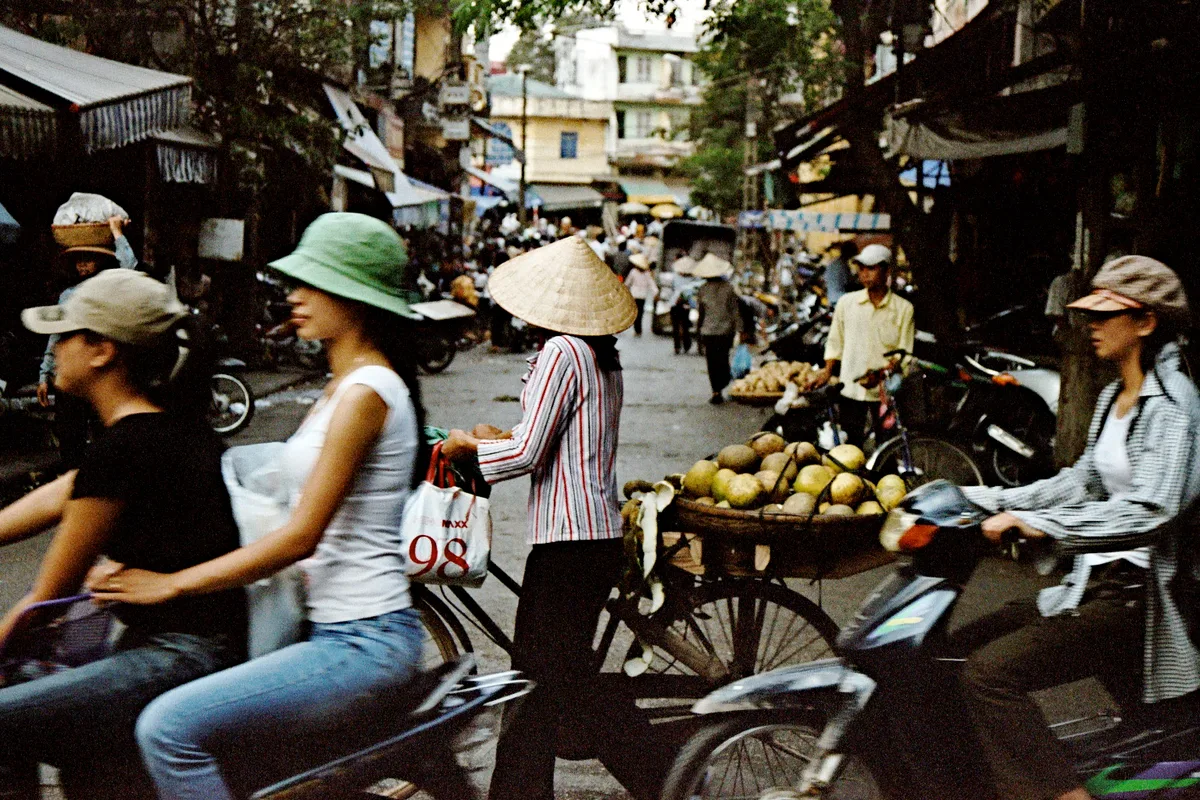
Compare Your Options: Grab, Taxi, Bus, and Metro
Every option trades off differently across cost, speed, and comfort in Ho Chi Minh City. Grab remains the most predictable choice, but it is rarely the cheapest for short hops. Buses cost the least yet demand more patience and some route-reading skill. The comparison below breaks down cost, time, and frequency for each method.
Metered taxis sit in between, useful when Grab surge pricing spikes during storms or rush hour. Vinasun and Mai Linh both run large, well-marked fleets across District 1 and District 3. Always check that the meter starts at the flag-fall rate before the car pulls away.
| Option | Cost | Time/Frequency |
|---|---|---|
| Grab | 30,000–60,000 VND (~$1.20–$2.40) | Arrives 5–10 minutes, available around the clock |
| Metered taxi (Vinasun/Mai Linh) | 15,000–17,000 VND/km + flag-fall | Similar to Grab; 24-hour service |
| Local buses | 5,000–7,000 VND (~$0.20–$0.30) | Every 10–15 minutes on core routes |
| Metro Line 1 | 6,000–20,000 VND | Every 8–12 minutes, Ben Thanh to Suoi Tien |
| Private transfer | 300,000–500,000 VND (~$12–$20) | Driver waits in arrivals |
Metro Line 1 changed the calculus for anyone heading toward Thu Duc or the eastern suburbs. It opened in December 2024 after years of delays and cost overruns. Trains skip traffic entirely, though the network still only covers one line so far.
Walking suits short hops between sights clustered around Dong Khoi and Ben Thanh Market. Cyclos still circle tourist areas, more a novelty ride than a practical way to commute. Scooter rental appeals to confident riders but adds real risk for anyone new to Vietnamese traffic. Each option below fits a different mix of budget, luggage, and patience.
Arriving from the airport works differently than moving around once you are downtown. See the dedicated Ho Chi Minh City Airport to City Center Guide guide for arrival-specific pricing and timing. This section instead focuses on getting around once you have already checked into a hotel.
- Grab app for rides and delivery
- Cost: about 30,000-60,000 VND (~$1.20-$2.40) for most District 1 hops.
- Time: cars usually arrive within 5-10 minutes downtown.
- Frequency: available nearly around the clock with heavy driver density.
- Metered taxis from Vinasun or Mai Linh
- Cost: roughly 15,000-17,000 VND per kilometer, plus a flag-fall fee.
- Time: similar to Grab, though hailing curbside can take longer at night.
- Frequency: fleets run 24 hours with heavy presence near hotels and malls.
- Local buses across more than 100 routes
- Cost: about 5,000-7,000 VND (~$0.20-$0.30) per ride, among the cheapest options.
- Time: buses run every 10-15 minutes on core routes, less often at night.
- Frequency: service thins out sharply after 8pm on most lines.
- Metro Line 1 for eastern suburbs
- Cost: fares run about 6,000-20,000 VND depending on distance traveled.
- Time: trains depart roughly every 8-12 minutes through the day.
- Frequency: service currently covers one line linking Ben Thanh and Suoi Tien.
- Private transfer for airport or late arrivals
- Cost: typically 300,000-500,000 VND (~$12-$20) depending on vehicle size and distance.
- Time: a driver waits in arrivals, saving 15-20 minutes versus queuing for a taxi.
- Frequency: bookable any hour, useful for flights landing after midnight.
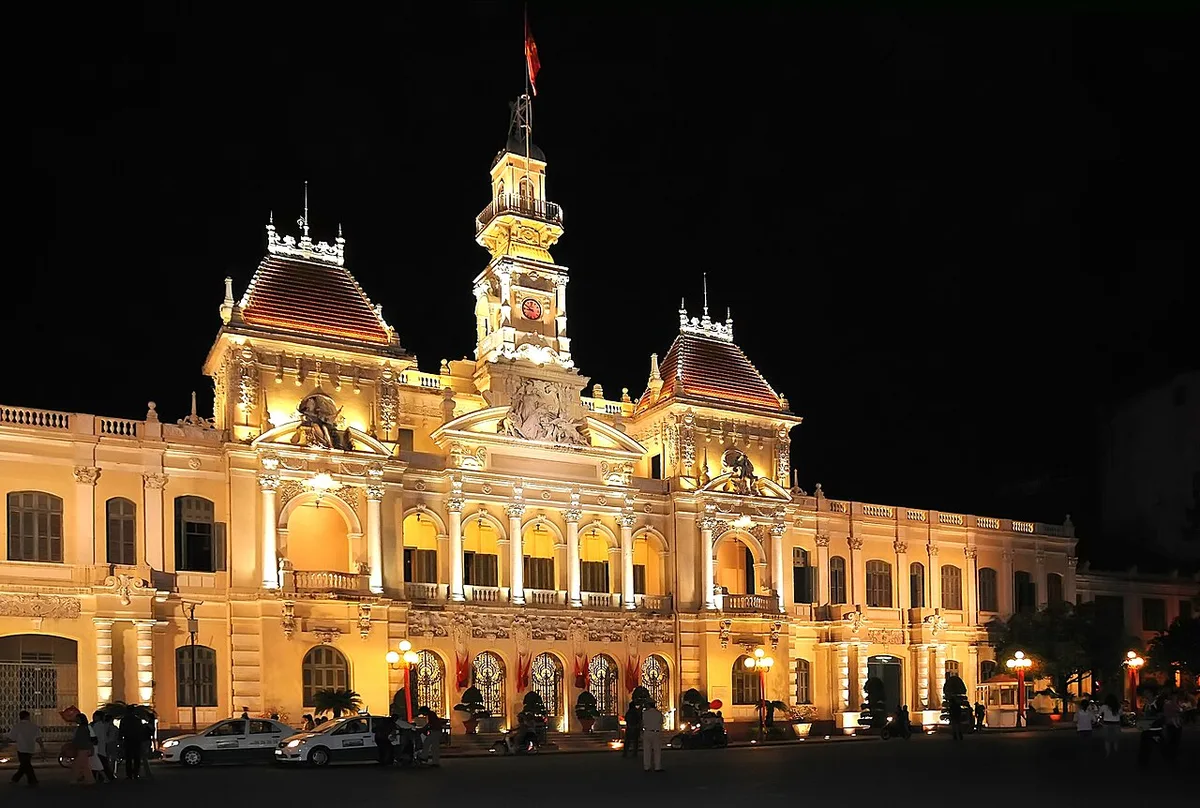
Is the HCMC Metro Worth Using Yet?
Ho Chi Minh City's first metro line finally opened after more than a decade of delays. It runs from Ben Thanh Market in District 1 out to Suoi Tien Park near Thu Duc. For anyone staying along that corridor, it now beats sitting in traffic most afternoons.
Coverage stays limited to one line, so it will not replace Grab or taxis citywide. Anyone based in District 3, District 5, or Phu Nhuan still needs a road-based option. Ticket machines accept cash and cards, and fares scale with the number of stops traveled. Extensions are planned for future years, though no firm date has been confirmed.
Stations get crowded during the evening commute, roughly 5pm to 7pm on weekdays. Off-peak hours between late morning and early afternoon offer a quieter, faster ride. Signage still mixes Vietnamese and English, so first-time riders should budget extra time.
The metro looks cheap on paper, but connecting to it can cost extra time. Travelers staying near Ben Thanh Market or District 1 hotels often walk or Grab to the nearest station. That short connector trip can erase some of the time the metro itself saves.
The metro will not help with day trips outside the city, like Da Lat or Can Tho. Those routes still rely on buses, trains, or private cars booked in advance. See our Da Lat itinerary guide for a highlands add-on from Saigon.
Getting Around District 1 and Key Neighborhoods
Most visitors base themselves in District 1, home to Ben Thanh Market and the main tourist strip. Nearly every transport option starts or passes through this district at some point in the day. Picking a hotel in this area to stay in Ho Chi Minh City cuts down on long taxi rides. Staying elsewhere still works, though expect slightly longer rides most evenings.
Ben Thanh Market anchors the district and doubles as a transport hub for buses and taxis. The market itself gets busy from mid-morning through early evening most days. Street food stalls nearby make it an easy stop before or after a transit connection.
The Ben Thanh Bus Station sits right beside the market and connects most citywide routes. It is the easiest place to grab a paper route map before exploring further out. From here, taxis and Grab cars are always waiting near the main entrance.
Binh Thanh and District 3 both reward a detour along the Ho Chi Minh City Food Route Travel Guide. Both districts stay walkable once you arrive, with taxis easy to flag for the return trip. Evenings bring the best crowds and food stalls, especially after 6pm.
Weekend evenings bring heavier traffic near Nguyen Hue Walking Street and the riverside bars. Booking a Grab a few minutes early helps avoid surge pricing during that window. Walking short stretches between venues often beats waiting for a car in gridlock.
Before You Go: A Quick Prep Checklist
A little preparation prevents most of the transport headaches new visitors run into. Cash, a charged phone, and the right apps cover almost every situation below. None of this takes long, but skipping it often costs time or money later.

Card payments work in malls and hotels, but small vendors and many taxis expect cash. ATMs sit on nearly every block in District 1, usually with a small withdrawal fee.
Card payments work in malls and hotels, but small vendors and many taxis expect cash. ATMs sit on nearly every block in District 1, usually with a small withdrawal fee. Carrying small notes helps with bus fares and street food stalls near Ben Thanh Market. Small mobile top-up shops also sell SIM cards if a local number helps with apps.
Offline maps matter once you leave the busiest streets, where signal can drop. Saving hotel addresses in Vietnamese script helps drivers who read little English. A translation app smooths over most communication gaps with taxi and bus staff.
Travel insurance is worth arranging before departure, especially if renting a scooter. Confirm your travel insurance covers motorbike accidents, since many standard policies exclude them. This matters most for the scooter rental step covered earlier in this guide.
A local SIM card or eSIM keeps maps and ride-hailing apps working without relying on hotel WiFi. Airport kiosks sell SIM cards on arrival, though convenience stores downtown often charge less. Data plans typically run for a week or a month, priced well under $10.
- What to prepare before getting around
- Download Grab and add a local payment method or cash option.
- Withdraw some Vietnamese dong in cash for buses and small vendors.
- Save your hotel address in Vietnamese script for easy driver directions.
- Charge your phone fully before heading out for a full day.
- Screenshot offline maps in case data signal drops in narrow alleys.
- Pack a light rain poncho during the wet season from May to October.
- Carry a printed hotel card in case a driver needs it.
- Confirm rough fare ranges ahead so overcharging is easy to spot.
Common Problems Getting Around Ho Chi Minh City
Even careful planning runs into hiccups once you are out in the city. Most problems below have a quick fix that takes only a few minutes. Knowing them ahead of time keeps small issues from ruining a travel day. A calm, flexible mindset solves more problems than any single app or gadget.
Rain is the biggest wildcard, since sudden downpours can flood streets fast. Grab prices surge sharply during storms, sometimes tripling normal fares within minutes. Waiting out a downpour under an awning often beats paying surge pricing.
Language gaps cause most miscommunication with taxi and bus drivers outside tourist areas. A translation app or a written address solves this in under a minute. Patience goes further than frustration when a driver looks unsure of a destination.
Grab pins sometimes drop a few streets off, especially near narrow alleys. Messaging the driver a nearby landmark usually clears up the confusion fast. This happens most often in older neighborhoods with irregular street numbering.
Overcharging complaints usually trace back to unofficial taxis parked outside busy tourist sites. Sticking to marked Vinasun, Mai Linh, or Grab vehicles avoids most of these disputes. A short walk to a main road often turns up a fairly priced ride faster.
- Common transport problems and quick fixes
- Drivers sometimes cancel Grab rides in heavy rain, so rebooking quickly usually works.
- Unmetered taxis near tourist spots may quote inflated fares, so confirm the meter first.
- Bus routes lack English signage, so screenshot the route number before boarding.
- Rush hour traffic between 5pm and 7pm can double travel times without warning.
- Flooded streets after storms strand scooters, so switch to a taxi or wait it out.
- Metro stations can feel confusing on a first visit, so budget extra transfer time.
- Phone battery drains fast while navigating, so a portable charger avoids being stranded.
- Some drivers do not recognize hotel names, so pull up a pinned map location instead.
How to Cross Busy Streets Safely
Walking works well around central District 1, but crossing traffic is the part that unsettles many first-time visitors. Use marked crossings and pedestrian signals where available, especially around Ben Thanh Market, Le Loi Boulevard, Nguyen Hue, and the approaches to the Saigon River. Even with a green pedestrian signal, check for turning motorbikes and cars before stepping off the curb.
Where there is no signal, wait for a manageable gap, make eye contact with approaching riders when possible, and cross at a steady, predictable pace. Avoid sudden stops, running, or stepping backward, because riders often adjust their path based on your direction. Let buses, trucks, and fast-moving cars pass rather than expecting them to weave around you.
For difficult junctions, cross alongside local pedestrians or use an overpass or station entrance when one is nearby. Keep children on the side away from traffic and avoid checking your phone while crossing. During heavy rain, use extra caution around flooded curbs, slippery road markings, and motorbikes moving close to the pavement.
Frequently Asked Questions
What is the best way to get around Ho Chi Minh City?
Grab is the best default, with rides costing 30,000-60,000 VND (~$1.20-$2.40) and arriving in 5-10 minutes. Metered taxis from Vinasun or Mai Linh work well for late nights or heavy luggage. Metro Line 1 now covers the Ben Thanh to Suoi Tien corridor.
Is there Uber or Grab in Ho Chi Minh City?
Uber left the Vietnamese market years ago, so Grab is now the main ride-hailing app across the country. It covers cars, bikes, food delivery, and package drops citywide. Download it before arrival and link a card or choose cash payment.
What should travelers be careful of when getting around Ho Chi Minh City?
Watch for unmetered taxis near tourist spots that quote inflated fares before the trip starts. Confirm the meter is running and matches the car's official branding. Sudden rain can flood low-lying streets fast and spike Grab prices within minutes.
Is Ho Chi Minh City expensive to get around?
Getting around stays cheap compared to most global cities, even on a tight budget. Buses cost about 5,000-7,000 VND (~$0.20-$0.30) per ride, and Grab rarely exceeds 60,000 VND downtown. Even daily taxis and the metro rarely strain a modest travel budget.
Can day trips like Can Tho fit around Ho Chi Minh City transport?
Yes, though day trips need separate planning beyond city transport apps. Buses and private cars connect to the Mekong Delta and highland regions. Check the Can Tho itinerary for a full Mekong Delta day-trip plan.
How much should a taxi from the airport to District 1 cost?
A metered taxi typically runs 180,000-250,000 VND (~$7-$10) to most District 1 hotels. Private transfers cost more but include a driver waiting with a name sign in arrivals. Confirm the fare range before booking to avoid last-minute surprises.
Do ride-hailing apps work well at Tan Son Nhat Airport?
Grab operates at the airport, though pickup happens in a designated zone outside arrivals. Signage guides passengers to the pickup point, which can take a few extra minutes. Booking a private transfer in advance skips that walk entirely.
Getting around Ho Chi Minh City comes down to matching the right option to each trip. Grab covers most situations, taxis fill the gaps, and the metro now handles one busy corridor. A little planning around rush hour and rain saves both time and money. Keep this guide handy for the first few days, then adjust based on experience.
Use the checklist above before heading out for the first time each day. For a wider trip beyond the city, pair this guide with a 5-Day Southern Vietnam Itinerary Guide 2026. Short getaways to Da Lat or Can Tho both work well as add-on trips.
Take the route offline
Free: the Ho Chi Minh City route notes
Where to base yourself and what it costs, a day-by-day route that avoids backtracking, real transfer times and fares, seasonal timing, and where it connects onward — condensed from our Ho Chi Minh City guides and made to take offline.
Keep unfolding Vietnam
Continue along the route
Three nearby guides for the next decision in your trip.


