

Photo: lightwrite via Flickr (CC BY-SA 2.0)
Ho Chi Minh City Food Route Travel Guide
Plan your Ho Chi Minh City food route with top picks, neighborhood context, timing tips, and booking advice for a smoother Vietnam trip in 2026.
On this page
A Ho Chi Minh City food route turns scattered meals into one clear, walkable plan. Saigon's street stalls, market corners, and grill-smoke alleys reward travelers who move with intention rather than wander at random. The route below maps iconic dishes, neighborhood markets, and evening food streets into one plan. Last updated July 2026.
Most stops on this route sit within or near District 1, making them easy to string together on foot or by short taxi ride. Give the full route about half a day, with room to slow down at markets that invite lingering. Arriving travelers can head from the airport into the city center before settling into a base near the food action. The sections below balance popular stops with a few worthwhile detours.
Key Takeaways
- A Ho Chi Minh City food route turns scattered meals into one clear, walkable plan.
- Saigon's street stalls, market corners, and grill-smoke alleys reward travelers who move with intention rather than wander at random.
- The route below maps iconic dishes, neighborhood markets, and evening food streets into one plan.
- Most stops on this route sit within or near District 1, making them easy to string together on foot or by short taxi ride.
Take the route offline
Free: the Ho Chi Minh City route notes
Where to base yourself and what it costs, a day-by-day route that avoids backtracking, real transfer times and fares, seasonal timing, and where it connects onward — condensed from our Ho Chi Minh City guides and made to take offline.
How to Plan Your Ho Chi Minh City Food Route
Choosing where to stay shapes how easy your food route feels each day. District 1 and District 3 put most major stalls, markets, and restaurants within a short walk or quick ride. Readers weighing neighborhoods can compare options in the guide to the 8 Best Areas to Stay in Ho Chi Minh City (2026) before booking.
Cash in small denominations works best at street stalls and markets. Carrying only large bills can slow down transactions at small street stalls that prefer exact change.
Street food follows a daily rhythm: mornings favor pho and coffee, while markets and grills come alive after 5pm. Planning two shorter sessions instead of one long outing maintains appetite and energy throughout the day.
Street food in Saigon runs on its own daily rhythm, with some stalls busiest at lunch and others fading by early evening. Morning routes suit pho and coffee, while markets and grills come alive after 5pm. Planning two shorter sessions, rather than one long march, keeps appetite and energy in balance. Comfortable shoes matter more than a tight schedule on uneven sidewalks.
Motorbike taxis and ride-hailing apps connect most food stops faster than walking in Saigon's heat. Traffic patterns and route options are covered in the guide to Getting Around Ho Chi Minh City (2026 Guide), which helps with app bookings and fares. Cash in small denominations still works best at street stalls and markets.
A full Ho Chi Minh City food route can stretch beyond District 1 into District 3, District 4, and Binh Thanh. Each area carries its own specialties, from quiet noodle corners to loud grill-and-beer strips. For a first visit, anchoring the day in District 1 and adding one outer-district stop keeps things manageable. Exploring several of Saigon's food-focused streets in more depth is covered here.
Total food costs for a full day route typically range from about 300,000 to 600,000 VND per person. Street stalls keep costs low, while sit-down restaurants and guided tastings push the total higher. Setting a rough daily food budget before heading out helps avoid overspending at busier tourist-facing stalls.
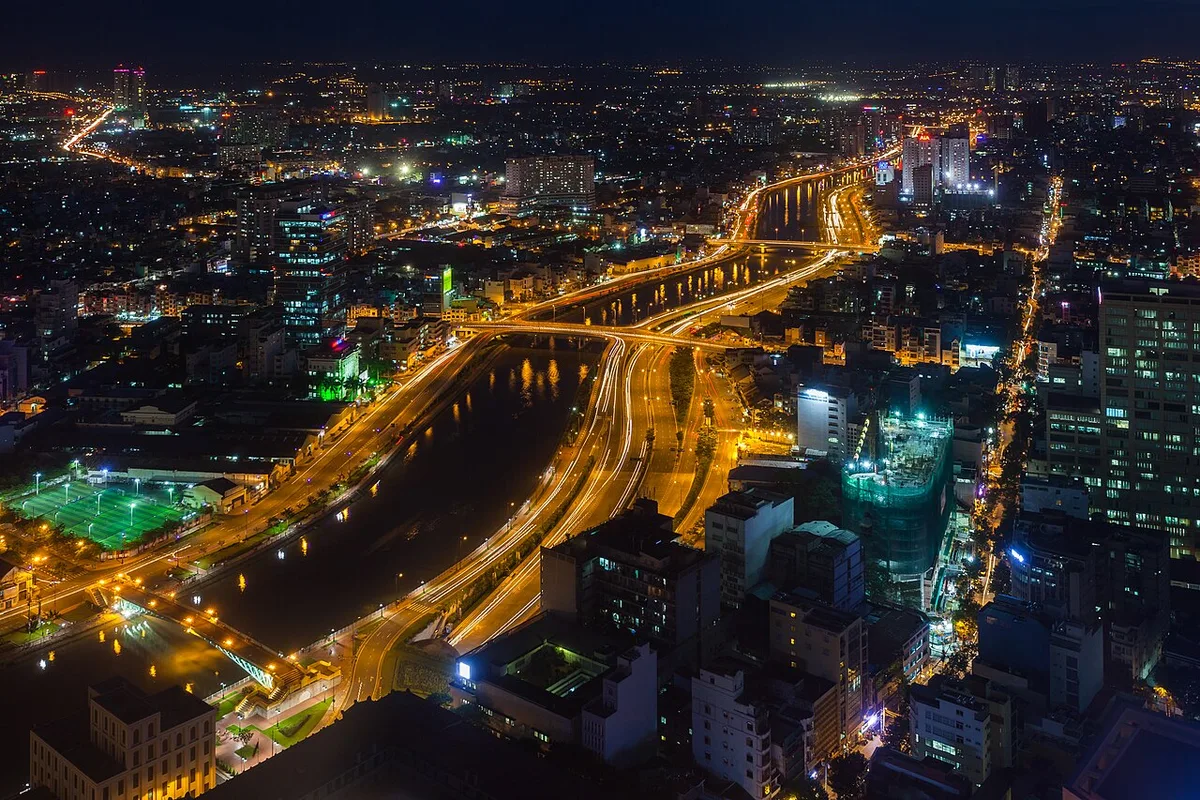
Ben Nghe Street Food Market: A District 1 Starting Point
Ben Nghe Street Food Market sits within District 1 and works well as a beginner-friendly opening stop. Its central location and mix of stalls make it an easy first taste of Saigon's street food culture. Vendors here typically serve a rotating spread of noodles, grilled skewers, and fresh drinks side by side.
The market suits travelers who want variety without navigating unfamiliar side streets on the first night. Menus and pricing can vary block by block, so comparing a few stalls before ordering pays off. Evenings tend to draw the biggest crowds, so arriving a little earlier can mean shorter waits. Travelers with limited spice tolerance should ask vendors before ordering, since heat levels are rarely marked.
Budget roughly 100,000 to 150,000 VND per person for a light sampling across two or three stalls. Paper napkins and hand wipes are worth carrying, since seating is often simple plastic stools. Hygiene standards vary by vendor, so choosing stalls with steady turnover and visible cooking tends to be safer.
Ben Nghe works best as a warm-up stop rather than the only food stop of the trip. Travelers chasing deeper, less touristed flavors may prefer to continue toward outer districts afterward. First-time visitors and families often find it a manageable, low-risk way to start exploring.
A short walk from the market connects to smaller noodle shops and coffee stalls worth a quick detour. Pairing the market with one nearby sit-down restaurant balances quick bites with a proper seated meal. This combination works well for travelers easing into Saigon's food scene on their first day.
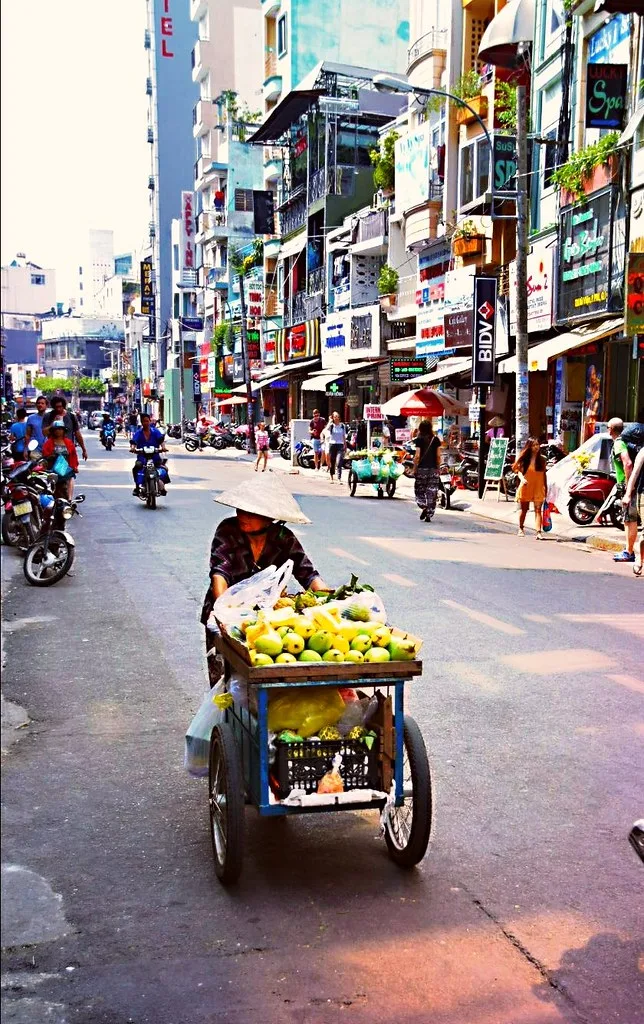
Iconic Dishes to Anchor Your Food Route
A handful of dishes appear again and again across any Saigon street food itinerary, and each one earns its place. Pairing a few classics with lesser-known plates gives the day balance between comfort and discovery. The list below groups dishes by type, typical cost, and where to look for them.
Banh mi remains one of the most portable stops on the route, sold from carts near markets and offices. The bread itself matters as much as the filling, and Saigon's version leans lighter and crisper than versions elsewhere. Readers curious about the craft behind the loaf can read more about baking banh mi in Saigon.
| Dish | Type | Best For | Where | Cost |
|---|---|---|---|---|
| Pho (Beef or Chicken Noodle Soup) | Noodle soup breakfast staple | First stop of the morning | Corner stalls and pho shops | Roughly 40,000-70,000 VND a bowl |
| Banh Mi (Vietnamese Sandwich) | Baguette with pate and herbs | Quick mid-morning bite | Carts near markets and offices | Around 20,000-35,000 VND each |
| Com Tam (Broken Rice) | Grilled pork over rice | Hearty lunch or hangover cure | Roadside grills with charcoal smoke | About 40,000-60,000 VND a plate |
| Bun Cha (Grilled Pork and Noodles) | Grilled pork with rice noodles | Northern-style lunch alternative | Fewer stalls than in Hanoi | Roughly 45,000-65,000 VND |
| Bo La Lot (Grilled Beef in Betel Leaf) | Skewered grilled beef wraps | Shareable evening appetizer | Grill stalls and beer eateries | Around 50,000-80,000 VND a plate |
| Goi Cuon (Vietnamese Summer Rolls) | Fresh rice-paper rolls | Light, low-spice starter | Market stalls and casual eateries | About 30,000-45,000 VND a set |
| Bun Rieu (Crab and Tomato Noodle Soup) | Tomato-based crab noodle soup | Adventurous midday tasting | Neighborhood markets outside District 1 | Roughly 35,000-55,000 VND |
| Hu Tieu (Southern Noodle Soup) | Pork and seafood noodle soup | A lighter alternative to pho | Chinese-Vietnamese eateries in District 5 | About 35,000-55,000 VND a bowl |
Noodle soups split roughly into two camps: broth-forward bowls like pho and tomato-based bowls like bun rieu. Bun cha, more associated with Hanoi, still turns up at a smaller number of Saigon kitchens. Choosing between them often comes down to how much spice and acidity you want at that meal.
Prices above are typical ranges, and small stalls without signage often charge less than sit-down restaurants. Portion sizes also vary, so ordering two smaller dishes can work better than one large meal. Always confirm current pricing locally, since street food costs shift with ingredients and season.
Vegetarian travelers can still follow this route by substituting tofu or mushroom fillings at most stalls. Many vendors will adjust a dish on request, though prep surfaces may not be fully separate. Confirming ingredients before ordering remains the safest approach for strict dietary needs.
- Pho (Beef or Chicken Noodle Soup)
- Type: Noodle soup breakfast staple
- Best for: First stop of the morning
- Where: Corner stalls and pho shops
- Cost: Roughly 40,000-70,000 VND a bowl
- Banh Mi (Vietnamese Sandwich)
- Type: Baguette with pate and herbs
- Best for: Quick mid-morning bite
- Where: Carts near markets and offices
- Cost: Around 20,000-35,000 VND each
- Com Tam (Broken Rice)
- Type: Grilled pork over rice
- Best for: Hearty lunch or hangover cure
- Where: Roadside grills with charcoal smoke
- Cost: About 40,000-60,000 VND a plate
- Bun Cha (Grilled Pork and Noodles)
- Type: Grilled pork with rice noodles
- Best for: Northern-style lunch alternative
- Where: Fewer stalls than in Hanoi
- Cost: Roughly 45,000-65,000 VND
- Bo La Lot (Grilled Beef in Betel Leaf)
- Type: Skewered grilled beef wraps
- Best for: Shareable evening appetizer
- Where: Grill stalls and beer eateries
- Cost: Around 50,000-80,000 VND a plate
- Goi Cuon (Vietnamese Summer Rolls)
- Type: Fresh rice-paper rolls
- Best for: Light, low-spice starter
- Where: Market stalls and casual eateries
- Cost: About 30,000-45,000 VND a set
- Bun Rieu (Crab and Tomato Noodle Soup)
- Type: Tomato-based crab noodle soup
- Best for: Adventurous midday tasting
- Where: Neighborhood markets outside District 1
- Cost: Roughly 35,000-55,000 VND
- Hu Tieu (Southern Noodle Soup)
- Type: Pork and seafood noodle soup
- Best for: A lighter alternative to pho
- Where: Chinese-Vietnamese eateries in District 5
- Cost: About 35,000-55,000 VND a bowl
Coffee Culture and Street Cocktail Stops
Ca phe sua da, Vietnamese iced milk coffee, anchors mornings and afternoons across the city. Sweetened condensed milk balances the strong, dark-roast coffee traditionally dripped through a small metal filter. Cafes catering to this ritual often open early, some from around 6am, and stay busy through midday.
Street-side vendors serve coffee faster and cheaper, usually for well under 30,000 VND a cup. Sit-down cafes charge more but offer air conditioning and a place to rest between food stops. Travelers building a tight food route often mix both, grabbing quick cups and one longer midday stop.
Evenings bring a different scene, with informal cocktail bars setting up plastic stools along quieter sidewalks. These street cocktail bars mix affordability with a genuinely local, low-key atmosphere. They pair naturally with a grilled-food stop, making them a practical way to close out a route.
Prices at street cocktail spots vary widely, so checking a drink's cost before ordering avoids surprises. Weeknight evenings tend to be calmer than weekends, which suits travelers who prefer a quieter pace. Sticking to busier stalls with visible ice handling is a reasonable precaution after dark.
Travelers who skip coffee can still join the ritual with tra da, Vietnamese iced tea, served free at many stalls. Fresh sugarcane juice and fruit shakes also offer a cooling break between food stops. These alternatives keep the pace of a food route moving without forcing a coffee habit.
Beyond District 1: BBQ, Beer, and Adventurous Eats
Casual grill-and-beer restaurants, often called quan nhau, spread across districts well beyond the tourist core. Menus can include grilled frog, snails, and other adventurous proteins alongside more familiar skewers. These spots reward travelers who want a louder, more local evening than District 1 usually offers.
This style of eating suits travelers comfortable with unfamiliar menus and simple, no-frills seating. Group dining works especially well here, since dishes typically arrive to share across the table. Travelers with strict dietary limits may find fewer clearly labeled options than at central food markets.
Many of these restaurants open only in the evening and get busiest after 7pm. English menus are less common outside District 1, so pointing at photos or nearby tables often helps. A short taxi or ride-hailing trip usually covers the distance from central hotels in fifteen to twenty-five minutes.
Grilled bo la lot, beef wrapped in betel leaf, often appears on these same menus alongside beer towers. The smoky, herbal flavor makes it a natural match for the casual, drink-heavy atmosphere. Ordering a small plate first is a low-risk way to test whether this style suits your trip.
Hygiene standards at these outer-district spots can vary more than at central, tourist-facing markets. Choosing busy tables with quick turnover and freshly grilled meat lowers the usual risks. Travelers with a sensitive stomach may prefer visiting earlier in the week rather than late-night weekend crowds.
Guided Tours vs Self-Guided Food Routes
Travelers short on time or nervous about ordering solo often turn to guided street food tours instead. A typical guided tour in the city runs about four hours and covers up to a dozen tastings. That pace suits visitors who want breadth without researching every stop themselves. Both options can work well depending on budget, comfort level, and how many days you have.
Guides typically explain ingredients, ordering etiquette, and which stalls suit different spice tolerances. This context helps first-time visitors avoid the guesswork of picking unfamiliar dishes cold. Operators such as Saigon Stories package several stops into one organized evening.
Self-guided routes cost less and move at whatever pace you set for the day. They demand more planning upfront, since travelers must research stalls, hours, and rough pricing themselves. Confident, independent travelers often prefer this route for the flexibility it allows.
Either approach can anchor a strong Ho Chi Minh City food route, and mixing both across a longer stay works well too. Pairing one guided evening with several self-guided mornings often balances structure and freedom. More Vietnam trip-planning guides are available on the Vietnam Unfold travel blog for readers building a longer itinerary.
Booking a guided tour a day or two ahead usually secures better time slots during peak season. Self-guided travelers should note down two or three backup stalls in case a favorite spot is closed. Either way, arriving with an empty stomach makes the most of whichever route you choose.
- Self-guided food route option
- Time: Flexible, three to five hours
- Cost: Only what you eat
- Best for: Confident independent planners
- Guided street food tour
- Time: About four hours, fixed schedule
- Cost: Paid per person, higher budget
- Best for: First-time visitors wanting context
Ho Thi Ky Food Street: An Evening Route Through District 10
Ho Thi Ky Market in District 10 makes a practical evening extension after a District 1 lunch route. The market is known for its flower trade, but the lanes around Ho Thi Ky Street also hold a dense concentration of food stalls influenced by the neighborhood’s Vietnamese-Cambodian community. Look for grilled skewers, bánh khọt, noodle dishes, snails, sugarcane juice, and Cambodian-style sweet soups rather than ordering another full bowl at every stop.
Arrive in the late afternoon or early evening, when more food vendors are operating and the narrow lanes are lively. A ride-hailing driver can drop you near the market entrance off Lê Hồng Phong; explore the food lanes on foot because motorcycles, stools, and queues leave little room for cars. Carry small notes, confirm ingredients if you have allergies, and order one portion to share before choosing the next stall.
Ho Thi Ky suits independent eaters who want several options close together without traveling between scattered addresses. Allow about 90 minutes, then return to District 1 by taxi or continue toward nearby District 5 for a second neighborhood stop.
Official Planning Checks Before You Go
Consult Vietnam Tourism’s guide to eating like a local in Ho Chi Minh City and the official Ho Chi Minh City cuisine guide. These official food guides provide useful neighborhood and dish context. Restaurant hours, menus, prices, and hygiene conditions can change, so verify a venue before making a special trip.
For the wider route context, continue with Ho Chi Minh City Travel Planning Hub Travel Guide, and Ho Chi Minh City Neighborhoods Guide before fixing this stop in your itinerary.
Frequently Asked Questions
How much time should you plan for a Ho Chi Minh City food route?
Plan roughly half a day, around four to five hours, for a comfortable Ho Chi Minh City food route. Guided tours typically run about four hours and cover up to a dozen tastings. Self-guided routes can run shorter or longer depending on how many stops you add.
Which Ho Chi Minh City food route stops suit first-time visitors?
First-time visitors often start at Ben Nghe Street Food Market, then add a bowl of pho and a banh mi from nearby District 1 stalls. These stops sit close together and involve minimal navigation. Confident eaters can extend the day toward outer-district markets afterward.
Is a guided street food tour worth it in Ho Chi Minh City?
A guided tour suits travelers who want context on ingredients and ordering without researching every stall themselves. It typically costs more than eating solo but saves planning time. Independent travelers comfortable with unfamiliar menus can often manage a self-guided route just as well.
What should travelers avoid when planning a Ho Chi Minh City food route?
Avoid packing too many stops into one sitting, since portions add up faster than expected. Skipping breakfast before a big tasting session often backfires by midday. Carrying only large bills can also slow down small street stalls that prefer exact change.
Can a Ho Chi Minh City food route extend into a longer Vietnam trip?
Yes, many travelers pair a Saigon food route with a nearby Mekong Delta stop. The Can Tho itinerary outlines a floating-market and food-focused add-on within easy reach. Extending the trip this way rounds out the food-travel theme beyond the city.
A well-planned Ho Chi Minh City food route turns a chaotic list of dishes into a satisfying, manageable day. Anchoring stops in District 1, then branching toward markets and grill streets, keeps logistics simple. Whether you choose a guided tour or a self-guided walk, the city rewards travelers who show up hungry and curious.
Once the core route feels comfortable, consider extending the trip beyond the city itself. The 5-Day Southern Vietnam Itinerary Guide 2026 outlines how a food-focused stay in Saigon connects to the wider region. With a little planning, a few days of eating well in Saigon can open into a longer Vietnam journey. Either way, a little planning turns Saigon's food scene from overwhelming into genuinely enjoyable.
Take the route offline
Free: the Ho Chi Minh City route notes
Where to base yourself and what it costs, a day-by-day route that avoids backtracking, real transfer times and fares, seasonal timing, and where it connects onward — condensed from our Ho Chi Minh City guides and made to take offline.
Keep unfolding Vietnam
Continue along the route
Three nearby guides for the next decision in your trip.


