

Ho Chi Minh City Airport to City Center Guide
Compare Grab, taxi, bus, and private transfer costs for Ho Chi Minh City airport to city center, plus 2026 timing tips and a full booking guide.
On this page
Quick Answer: Grab is the fastest, most affordable default, costing ₫100,000–₫250,000 (~$4–$10) for the 20–45 minute ride to District 1. Budget travelers can take bus 109 or 152 for ₫6,000–₫20,000 (about 25¢–$1), though it takes 50 to 90 minutes. Travelers with heavy luggage or a late-night arrival should book a private transfer in advance.
Last updated July 2026. This guide covers every practical route from Ho Chi Minh City airport to city center. Expect real fares, honest travel times, and neighborhood context for arriving travelers.
Most first-time visitors head straight to District 1 or nearby District 3. Choosing the right base first makes the airport transfer easier to plan. Our guide to the best areas to stay in Ho Chi Minh City breaks down each district.
Key Takeaways
- Quick Answer: Grab is the fastest, most affordable default, costing ₫100,000–₫250,000 (~$4–$10) for the 20–45 minute ride to District 1.
- Budget travelers can take bus 109 or 152 for ₫6,000–₫20,000 (about 25¢–$1), though it takes 50 to 90 minutes.
- Travelers with heavy luggage or a late-night arrival should book a private transfer in advance.
- This guide covers every practical route from Ho Chi Minh City airport to city center.
Take the route offline
Free: the Ho Chi Minh City route notes
Where to base yourself and what it costs, a day-by-day route that avoids backtracking, real transfer times and fares, seasonal timing, and where it connects onward — condensed from our Ho Chi Minh City guides and made to take offline.
Where Is Tan Son Nhat Airport, and How Far Is District 1?
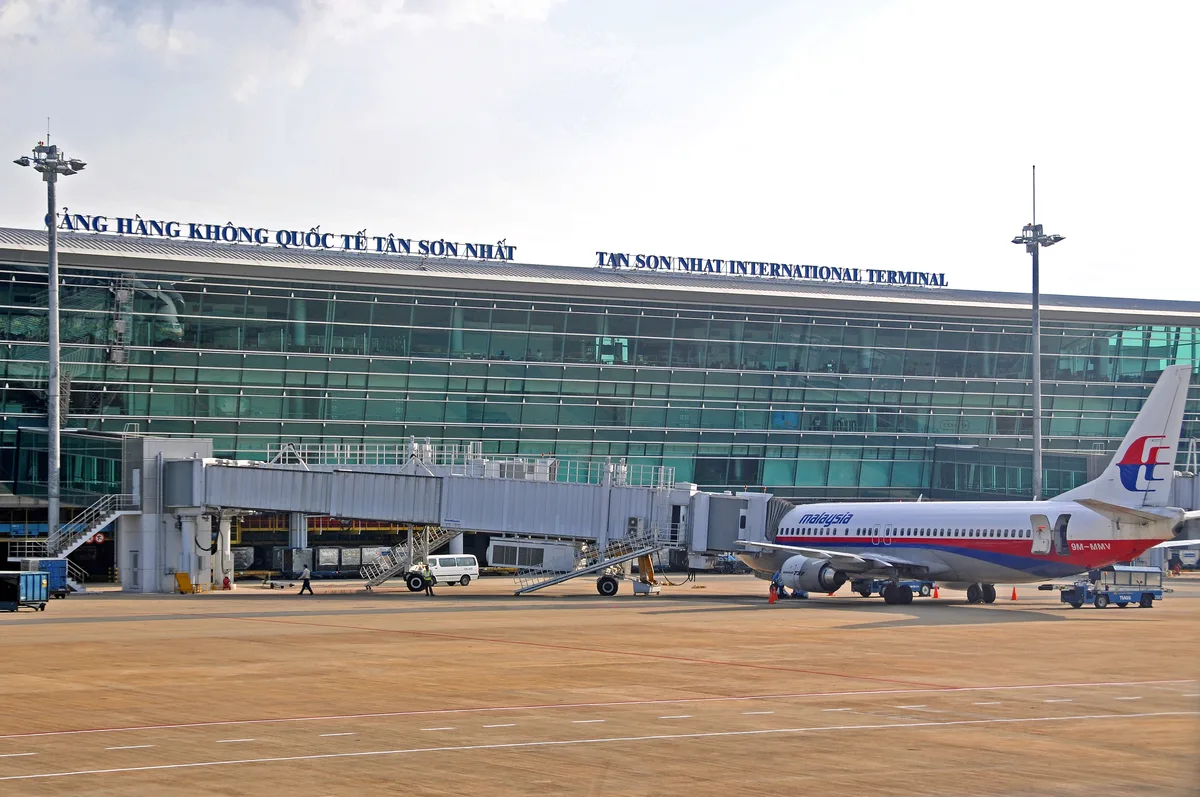
Tan Son Nhat International Airport (SGN) sits in Tan Binh District, northwest of downtown. District 1 is roughly 6–8 kilometers away, based on airport and city data. You can view the airport's exact location on Google Maps before landing.
Rush hours roughly 7–9am and 4:30–7:30pm can stretch a 6-kilometer trip from 15 minutes to over an hour. Always add buffer time when heading back to the airport for a flight.
That short distance is deceptive once traffic gets involved. Rush hours, roughly 7–9am and 4:30–7:30pm, can stretch a quick ride into a slow crawl. A 6-kilometer trip can take 15 minutes at midnight or over an hour at 6pm. Always add buffer time when heading back to the airport for a flight.
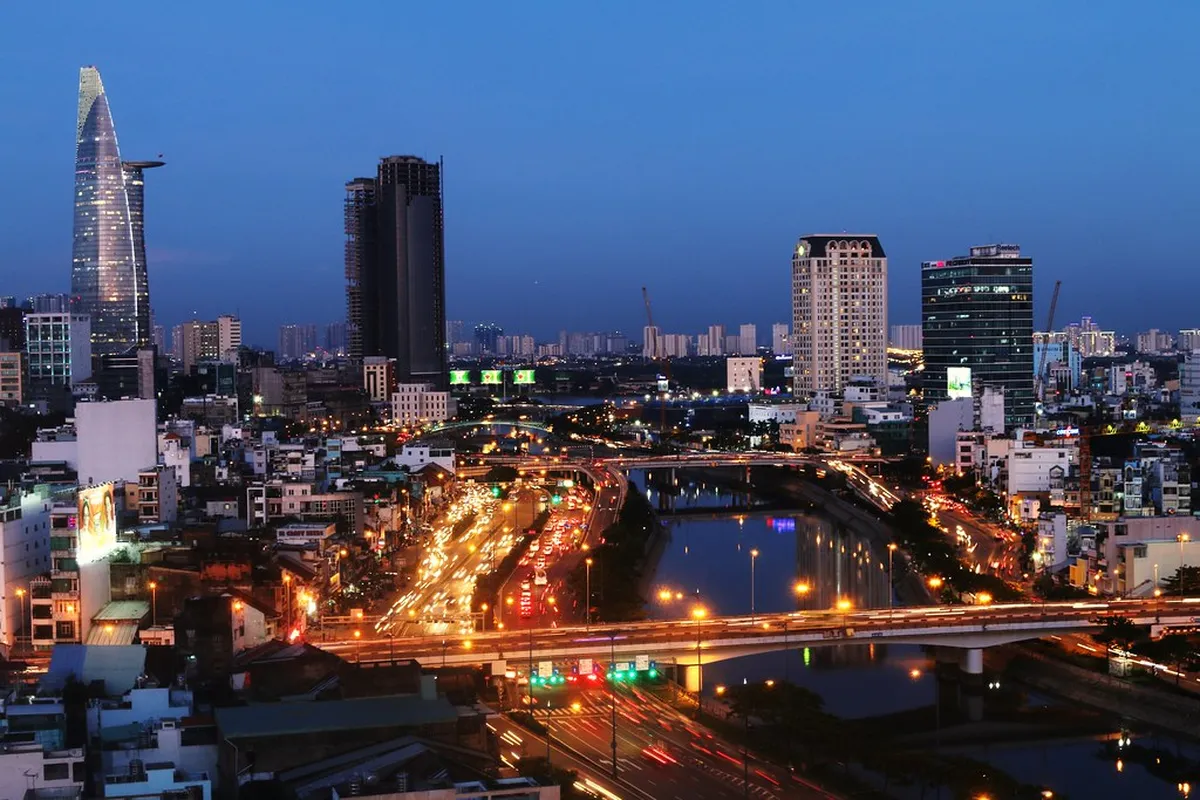
Once you clear the terminal, Getting Around Ho Chi Minh City (2026 Guide) becomes far easier. District 1 and District 3 hold most hotels, cafés, and major sights. Knowing this distance helps travelers judge fares and set realistic expectations.
Understanding this geography also helps when comparing hotel locations before booking. Properties closer to District 1 cost more but cut down on transfer time. Budget stays further out can still work well if transport plans are realistic.
Ho Chi Minh Airport to City Center: Step-by-Step Guide
This step-by-step process works for every arrival, regardless of which transport you choose. Follow it in order to avoid the confusion that trips up first-time arrivals. Each stage below includes typical costs and timing so nothing feels like a surprise.
Immigration lines can move quickly or take over 45 minutes during peak arrivals. International flights from multiple countries often land within the same one-hour window. Baggage claim can add another 15–30 minutes once immigration clears.
These seven stages apply whether you land at midnight or midday. Costs shift slightly with surge pricing, but the sequence itself rarely changes. Prices above reflect typical 2026 fares; always verify current rates in the Grab app.
Families traveling with strollers or extra luggage should budget extra time at each stage. A larger Grab vehicle or a private transfer often reduces stress more than it costs. Solo travelers on tight budgets usually find the bus the most practical fallback.
Keep this sequence in mind even if flight delays shift your arrival time. The same steps apply for departures, simply run in reverse toward the airport. Planning both directions around this list keeps the whole trip predictable.
- Step 1: Clear immigration and collect luggage
- Immigration and baggage claim together usually take 30 to 60 minutes total.
- Long queues form when several wide-body flights land within the same half-hour window.
- Keep your passport and landing card handy, since staff check them twice before exit.
- Step 2: Withdraw cash or activate a local SIM
- ATMs near arrivals dispense Vietnamese dong, useful since buses and street vendors want cash.
- A tourist SIM or eSIM costs roughly ₫150,000–₫250,000 (~$6–$10) at airport counters.
- Booking a rideshare requires data, so activate your SIM before leaving the terminal.
- Step 3: Choose Grab, taxi, bus, or transfer
- Grab suits most travelers, costing ₫100,000–₫250,000 (~$4–$10) for a 20–45 minute ride.
- Metered taxis from Vinasun or Mai Linh run ₫150,000–₫250,000 (~$6–$10) with similar timing.
- Bus 109 or 152 costs ₫6,000–₫20,000 (about 25¢–$1) but takes 50 to 90 minutes.
- Private transfers cost more but include a fixed fare and a driver holding your name.
- Step 4: Find your pickup point outside arrivals
- Grab pickup boards sit to the left of the international exit, near the taxi rank.
- Metered taxis queue at a marked stand just outside the terminal doors.
- Bus 109 and 152 stop curbside at the domestic terminal, a short walk from arrivals.
- A common mistake is following hawkers offering rides before reaching the official pickup zone.
- Step 5: Confirm the fare before departing
- Grab and Be show the fare upfront, so confirm the total before the driver starts.
- Ask metered taxi drivers to start the meter, since flat-rate offers often run higher.
- Bus riders pay the conductor in cash, so keep small dong notes ready.
- Step 6: Ride toward District 1 or your hotel
- Expect 20–45 minutes by car or 50 to 90 minutes by public bus.
- Traffic near Cach Mang Thang Tam and Nguyen Van Troi often slows midday and evening trips.
- Drivers sometimes suggest a longer route; a saved map pin helps you track progress.
- Step 7: Check in and confirm your return trip
- Most hotels in District 1 and District 3 offer 24-hour check-in for late arrivals.
- Ask the front desk about booking a return Grab or transfer for your departure day.
- Reconfirm your flight time, since Tan Son Nhat gets busy well before 2026 holiday peaks.
Compare Your Options: Grab, Taxi, Bus, or Transfer
Four main options connect Tan Son Nhat Airport with downtown Ho Chi Minh City. Each trades off cost, comfort, and travel time differently. The list below compares them side by side, using typical 2026 fares.
If you value speed and simplicity, book a Grab or Be ride. If you are traveling on a tight budget, the 109 or 152 bus works well. If you arrive after midnight with heavy bags, prearrange a private transfer instead.
| Option | Cost | Travel Time | Best For |
|---|---|---|---|
| Grab or Be | ₫100,000–₫250,000 (~$4–$10) | 20–45 minutes | Solo travelers, couples, upfront transparent pricing |
| Metered Taxi (Vinasun or Mai Linh) | ₫150,000–₫250,000 (~$6–$10) | 20–45 minutes | 24-hour availability, backup when rideshare unavailable |
| Bus 109 or 152 | ₫6,000–₫20,000 (~25¢–$1) | 50–90 minutes | Budget travelers, light packers, daytime arrival |
| Private Airport Transfer | More than Grab, fixed fare | Variable | Late-night arrivals, families, no navigation needed |
Ho Chi Minh City's long-awaited metro Line 1 has been under close watch by transit reporters. Coverage from July 2024 tracked its progress toward opening. Until the metro fully operates, Grab, taxis, and buses remain the practical choices.
Group travelers sometimes find splitting a private transfer cheaper than two separate taxis. Comparing per-person cost, not just the total fare, usually reveals the better deal. Airport counters selling fixed-price taxi vouchers often charge more than a metered ride.
- Grab or Be Ridesharing App
- Costs ₫100,000–₫250,000 (~$4–$10) and takes 20–45 minutes to District 1 in normal traffic.
- Runs 24 hours a day, with pickup boards clearly marked outside international arrivals.
- Works best for solo travelers, couples, and anyone wanting upfront, transparent pricing.
- Surge pricing can push fares higher during rain or late-night rush hours.
- Metered Taxi (Vinasun or Mai Linh)
- Costs ₫150,000–₫250,000 (~$6–$10) for roughly 20–45 minutes to downtown District 1.
- Available 24 hours from a marked taxi rank just outside the terminal doors.
- Ask the driver to start the meter, since flat-rate quotes often run higher.
- A dependable backup when rideshare apps show long wait times or high surge.
- Bus 109 or 152 Public Bus
- Costs just ₫6,000–₫20,000 (about 25¢–$1) but takes 50 to 90 minutes.
- Airport bus routes and operating windows can change; verify the active route, stop, and live timetable before relying on a bus.
- Cheapest option overall, best for light packers with no early-morning or late-night arrival.
- Pay the conductor in small dong notes, since drivers rarely carry much change.
- Private Airport Transfer Service
- Costs more than Grab but includes a fixed fare and a named driver waiting inside.
- Ideal for late-night arrivals, families, or travelers who dislike navigating pickup zones alone.
- Booking ahead online avoids the guesswork of comparing prices inside the arrivals hall.
What to Pack and Prepare Before You Land
A little preparation before landing saves real time at Tan Son Nhat Airport. Most delays come from unpreparedness, not from the airport itself. The checklist below covers the essentials frequent visitors rely on.
Download Grab before departure with a payment card. Carry small dong, save your hotel address in Vietnamese, and pack a portable charger for immigration queues exceeding 45 minutes.

Cash still matters, since buses and some drivers do not accept cards. ATMs sit near the arrivals hall, dispensing Vietnamese dong at standard bank rates. Withdraw enough for your first day, plus a small buffer for tips or snacks.
Phone data matters just as much as cash for booking a ride. A tourist eSIM installed before departure avoids searching for wifi inside the terminal. After settling in, many visitors explore our Ho Chi Minh City Food Route Travel Guide for a first meal.
Weather apps help travelers judge whether rain might slow the ride into the city. Rainy season, roughly May through October, brings sudden downpours most afternoons. Packing a light rain jacket avoids a soggy dash between the terminal and the car.
- Before You Land: Airport Arrival Checklist
- Download the Grab app and add a payment card before departure.
- Carry a small amount of Vietnamese dong for buses and small purchases.
- Save your hotel address in Vietnamese to show a driver if needed.
- Screenshot your hotel's pin location in case data service is slow.
- Pack a portable charger, since immigration queues can run past 45 minutes.
- Keep boarding passes and passport handy until you clear the exit doors.
- Note your hotel's check-in hours in case your flight lands very late.
What Could Go Wrong, and How Do You Fix It?
Even with careful planning, small hiccups can still happen at Tan Son Nhat. Most issues are minor and solvable within a few minutes. The list below covers the problems arriving travelers report most often.
Language gaps sometimes complicate directions, especially with older taxi drivers. Typing your destination into a translation app usually clears up confusion fast. Most Grab and Be drivers already have your address typed into their own app.
Weather can also change your plans without much warning. Sudden downpours during rainy season, roughly May through October, can slow traffic sharply. Building in extra time during these months avoids missed hotel check-ins or tours.
Some travelers worry about scams, though most issues are simple misunderstandings. Sticking to marked pickup zones and licensed apps avoids nearly every common problem. If a fare seems unusually high, comparing it with the ranges above settles doubts fast.
- Common Airport Transfer Problems and Fixes
- When no Grab driver accepts the ride, flag a metered taxi instead.
- If a driver can't find your hotel, share your pinned map location in the chat.
- When a bus conductor has no change, small dong notes avoid awkward delays.
- If a quoted fare looks too high, compare it against the ranges listed above.
- Long immigration queues call for an extra 30 minutes of buffer time.
- When a SIM card won't activate, airport staff can help at the counter.
- During a rush-hour traffic jam, message the hotel that check-in may run late.
How to Save Time and Money on Arrival
Saving money on arrival rarely means sacrificing comfort or safety. Small choices, like paying in dong instead of USD, add up quickly. Airport currency counters offer weaker rates than ATMs or city banks.
Splitting a Grab with fellow travelers heading to the same neighborhood cuts costs further. Booking a return transfer while still in the city often beats airport counter prices. Comparing Grab and Be fares side by side before booking rarely takes more than a minute.
Many travelers use Ho Chi Minh City as a base for longer regional trips. Our 5-Day Southern Vietnam Itinerary Guide 2026 maps connecting routes worth planning around your arrival day.
Some visitors extend their trip with a few days in the mountains after arriving. A 3-day Da Lat itinerary pairs well with two or three nights downtown first. Buses to Da Lat depart daily from stations near District 1 or District 5.
Mekong Delta day trips are another popular add-on from the city. Our 2-day Can Tho itinerary shows how to combine both destinations efficiently. Pairing airport arrival logistics with a broader route plan saves both time and money.
Check Your Arrival Terminal Before Booking a Ride
Tan Son Nhat has separate terminal areas, so your airline and flight type affect where you meet a driver. Terminal 2 handles international arrivals, while domestic flights may use Terminal 1 or the newer Terminal 3. Airline terminal assignments can change, making the terminal shown on your boarding pass or airline app more reliable than an older travel guide.

For Grab or Be, wait until you have collected your luggage and reached the public arrivals area before confirming the pickup pin. Select the terminal and numbered pickup zone displayed on nearby signs, then send the driver a photo or message with the zone number. Do not walk toward another terminal simply because the app initially places its pin there.
If connecting between an international and domestic flight, allow substantial extra time for immigration, baggage collection, customs, terminal transfer, and domestic check-in. Confirm the onward terminal with airline staff before leaving arrivals; the terminals are within the airport complex, but luggage and traffic around the access roads can make a rushed connection difficult.
Official Planning Checks Before You Go
Use the Airports Corporation of Vietnam directory for destination context and the official Vietnam Tourism transport overview for a second official baseline. Recheck any opening hour, fare, timetable, closure, access rule, weather risk, or booking condition with the responsible operator shortly before travel; an official destination overview is not a live inventory or service guarantee.
Frequently Asked Questions
How much is a taxi from Ho Chi Minh airport to the city center?
Metered taxis from Vinasun or Mai Linh typically charge ₫150,000–₫250,000 (~$6–$10) for the trip to District 1. The ride usually takes 20–45 minutes, depending on traffic conditions. Always confirm the driver starts the meter instead of quoting a flat rate.
Is it easy to get a Grab from Ho Chi Minh airport?
Yes, Grab pickup boards sit just outside the international arrivals exit. Fares typically run ₫100,000–₫250,000 (~$4–$10) for a 20–45 minute ride downtown. Confirm your pickup point on the map, since exact spots occasionally shift.
How far is Ho Chi Minh City airport from the city center?
Tan Son Nhat Airport sits about 6–8 kilometers from District 1. That distance normally takes 20–45 minutes by car in light traffic. During rush hour, the same trip can stretch well past an hour.
Is there Uber or Grab in Ho Chi Minh City?
Uber no longer operates in Vietnam, but Grab is the dominant rideshare app. Be is a smaller local alternative worth comparing for price. Both apps work well from Tan Son Nhat Airport to downtown hotels.
How much does a bus cost from Ho Chi Minh airport to downtown?
Bus 109 or 152 costs just ₫6,000–₫20,000 (about 25¢–$1) per ride. The trip takes roughly 50 to 90 minutes, depending on traffic. Check the active route and timetable because airport bus frequency and operating hours can change.
What's the best area to stay near downtown Ho Chi Minh City?
District 1 offers the shortest transfer time and the widest choice of hotels. District 3 is quieter but still close to major sights and restaurants. Both districts keep the airport within a short, predictable ride.
What's the fastest way from Ho Chi Minh airport to District 1?
Grab or Be rideshares are usually fastest, covering the 6–8 kilometer trip in 20–45 minutes. Metered taxis run about the same speed at a slightly higher cost. Avoid rush hour, roughly 7–9am and 4:30–7:30pm, for the quickest ride.
Getting from Ho Chi Minh City airport to city center is straightforward once you know the options. Grab remains the easiest default, while the bus and private transfers cover the edge cases. Confirm fares, keep some cash handy, and allow extra time during rush hour. Bookmark this guide before your next Ho Chi Minh City arrival.
For more route comparisons and itinerary planning, browse our Vietnam travel guides. A little preparation now means more time enjoying Ho Chi Minh City later.
Take the route offline
Free: the Ho Chi Minh City route notes
Where to base yourself and what it costs, a day-by-day route that avoids backtracking, real transfer times and fares, seasonal timing, and where it connects onward — condensed from our Ho Chi Minh City guides and made to take offline.
Keep unfolding Vietnam
Continue along the route
Three nearby guides for the next decision in your trip.


