

Photo: d26b73 via Flickr (CC BY 2.0)
Vietnam First Time Travel Tips Travel Guide
Plan vietnam first time travel tips with top picks, neighborhood context, timing tips, and practical booking advice for a smoother trip.
On this page
Vietnam is an overwhelming first destination—but this guide makes it manageable. You'll hear motorcycles honking before breakfast, taste coffee that tastes like dessert, and realize half the population moves by scooter.
This guide covers what actually matters for a smooth first visit. Whether you're staying two weeks or two months, these tips help you skip major mistakes. Last updated July 2026.
Key Takeaways
- Vietnam is an overwhelming first destination—but this guide makes it manageable.
- You'll hear motorcycles honking before breakfast, taste coffee that tastes like dessert, and realize half the population moves by scooter.
- This guide covers what actually matters for a smooth first visit.
- Whether you're staying two weeks or two months, these tips help you skip major mistakes.
Take the route offline
Free: the Vietnam route starter
A two-week south-to-north route with real nightly rates by city, what to book first and how far ahead, region-by-region timing, and the transport costs between each leg — drawn from our published guides.
When is the best time to visit Vietnam?
Timing matters in Vietnam, but not the way you might expect from other destinations. Vietnam's weather depends on which region you're visiting, and each region runs its own climate calendar completely.
Each region runs its own climate calendar. Northern Vietnam peaks October–April, central Vietnam February–August, and southern Vietnam November–May. Shoulder seasons April–May and September–October offer better value and fewer crowds than peak months.
| Region | Best Season | Conditions | Rainy/Monsoon Season |
|---|---|---|---|
| Northern Vietnam (Hanoi, Sapa, Ha Long Bay) | October–April | Cooler and drier; ideal for hiking and outdoor activities | May–September (heat, humidity, afternoon downpours) |
| Central Vietnam (Hoi An, Da Nang, Hue) | February–August | Dry and perfect for beaches and motorbike trips | September–November (typhoons, flooding) |
| Southern Vietnam (Ho Chi Minh City, Mekong Delta, Phu Quoc) | November–May | Dry with bright skies; ideal for floating markets and island escapes | June–October (rain, usually heavy but short bursts) |
Northern Vietnam (Hanoi, Sapa, Ha Long Bay) is best from October through April when weather turns cooler and drier. This season offers ideal conditions for hiking, boat trips, and outdoor activities without intense heat and humidity. December and January can get surprisingly chilly, especially in mountain regions like Sapa. May through September brings heat, humidity, and frequent afternoon downpours that last 20–30 minutes.
Central Vietnam (Hoi An, Da Nang, Hue) runs on its own schedule completely separate from the north. February through August is dry and perfect for beaches, motorbike trips, and temple visits. Typhoons arrive from September through November, which can flood streets and disrupt transport plans. Central Vietnam beaches still work year-round, just with higher rainfall risk.
Southern Vietnam (Ho Chi Minh City, Mekong Delta, Phu Quoc) works best from November to May when days are dry. These months offer bright skies and cooler temperatures—ideal for floating markets, island escapes, and delta tours. Rain returns from June through October, usually sudden and heavy, though often short-lived bursts. Humidity climbs significantly, but prices drop for accommodation and tours.
Choosing your season depends on what matters most to your style: weather, crowds, or budget flexibility. Shoulder seasons (April–May and September–October) offer better value and fewer crowds than peak months. Consider staying longer in one region rather than rushing through all three areas quickly.
Is Vietnam expensive?
Short answer: Vietnam is affordable—unless you deliberately choose expensive options. Vietnam remains one of Asia's best-value destinations, especially if you avoid fancy restaurants and influencer hotspots. Some activities (multi-day cruises, mountain guides, rooftop cocktails) add up quickly.
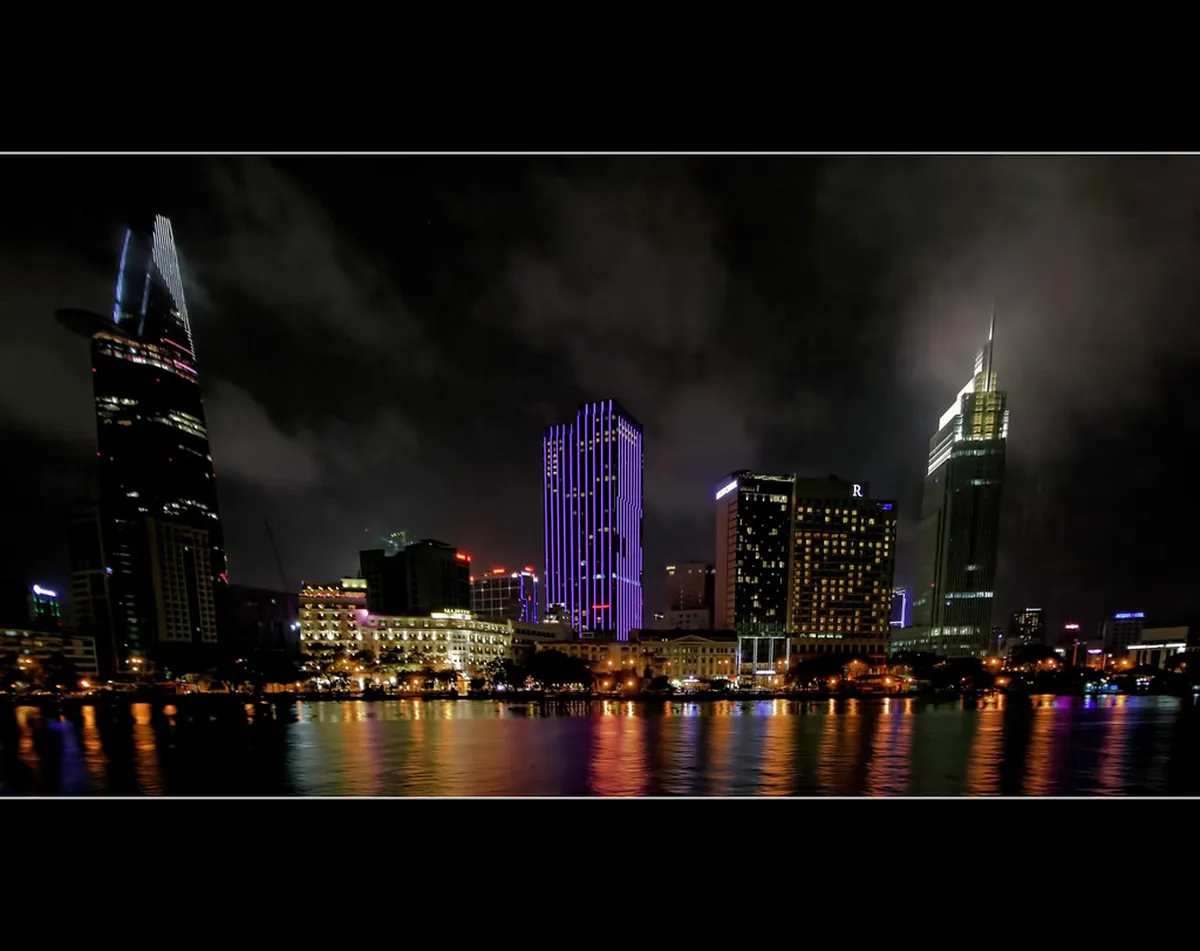
Budget tier ($25–$40 daily) covers hostel dorms, street food, local buses, and basic activities. At this level, you'll eat bánh mì for lunch, sleep in shared rooms, and take sleeper buses between cities. This budget feels genuinely generous once you're in-country and understand local prices. Street food is safe and delicious—a bowl of phở costs less than your coffee back home.
Mid-range tier ($60–$90 daily) lets you upgrade significantly without feeling luxurious yet. Book boutique guesthouses instead of dorm beds, fly internal routes instead of 10-hour buses, and eat at nicer local restaurants. This tier still feels like great value and offers serious comfort improvements. You'll have room for paid tours, cooking classes, and the occasional rooftop cocktail.
Luxury options exist but are less common than in neighboring Thailand or Cambodia. High-end hotels, private guides, and fine dining are available in big cities, just in lower density. The real splurge often comes from time—traveling slowly, staying longer, and savoring each region.
Specific costs to budget: Ha Long Bay day cruise runs $40–$60, Grab city ride costs around 35,000 VND (~£1), and phở or bánh mì costs 20,000–40,000 VND (~$1). Hostel dorms run $5–$12 per night while mid-range hotels run $20–$40 per night. Compare these to your home prices and you'll understand the remarkable value.
- Budget tier: $25–$40 daily
- Includes: hostel dorms, street food, local buses
- Best for: backpackers, adventurous eaters, time-rich travelers
- Where: small cities, local markets, guesthouses
- Cost example: phở $0.80, Grab ride £1, dorm $6
- Mid-range tier: $60–$90 daily
- Includes: nicer hotels, restaurant meals, tours, flights
- Best for: travelers wanting comfort without luxury
- Where: city centers, mid-range hotels, tourist restaurants
- Cost example: hotel $30, meal $8, Grab $2, tour $60
- Luxury tier: $150+ daily
- Includes: high-end hotels, private guides, fine dining
- Best for: travelers seeking premium experience
- Where: big cities, luxury resorts, upscale restaurants
- Cost example: 5-star hotel $100, meal $30, private tour $200
Is Vietnam safe for travelers?
Vietnam is generally safe for tourists, and most visitors have completely trouble-free trips. The atmosphere feels welcoming, especially once you leave the main commercial city centers. Still, using common sense and staying aware saves you from hassle and loss.
Violent crime is extremely rare for tourists, though petty theft does happen in crowded areas. Bag snatching by motorbike thieves occurs in Hanoi's Old Quarter, District 1 in Ho Chi Minh City, and on night buses. Keep your phone off the street side and don't dangle your bag loosely.
Scams are real and come in several standard forms that appear regularly. Fake taxis with rigged meters, dodgy motorbike rentals, and surprise bar tabs top the list. Avoid using ATMs on street corners; stick to machines inside banks or upscale hotels. Some bars in party districts pressure tourists into expensive drinks they didn't order.
Transportation safety matters more than crime—buses and motorbikes cause most injuries. Avoid motorbike rentals unless you have real riding experience in cities. Night buses are cheap but risky—stick to day buses or flights for longer routes.
Solo female travelers usually feel safe, especially during daylight hours in most areas. Harassment is uncommon but not impossible—stay confident and firm if anyone makes you uncomfortable. Dress conservatively outside tourist zones and avoid empty streets late at night.
- Stay alert by:
- Using ATMs inside banks or hotels only
- Keeping valuables in hotel safes
- Avoiding overly friendly strangers offering help
- Using registered taxis or Grab instead of hailing cabs
Cultural etiquette and respect in Vietnam
Vietnamese culture values hard work, respect, and politeness—and travelers notice the difference when you embody these traits. Your mindset and approach matter as much as your itinerary and logistics. Locals appreciate respectful visitors; disrespectful ones create tension and reduce genuine interactions.
Dress appropriately for temples, sacred spaces, and rural villages where conservative clothing is expected. Cover shoulders, knees, and chest when entering pagodas or local villages. In big cities, casual Western dress is fine, but conservative clothes help you blend in better.
Learn to say no firmly but politely—especially in tourist markets. This simple skill saves enormous amounts of time and emotional energy. A smile and "Không, cảm ơn" (No thank you) goes a long way. Engaging endlessly with vendors creates false hope and exhausts both parties.
Respect people's work and time. Street vendors, market stalls, and hospitality staff make their living through these interactions. Window shopping and endless haggling can feel disrespectful to people whose income depends on sales. Use your camera respectfully—ask permission before photographing people, especially in rural areas.
Handle temples carefully—remove shoes, speak quietly, and never point at Buddha statues or monks. Photos inside temples are often restricted; ask before taking any images. Money etiquette: Avoid pointing with one finger; use open hand gestures instead.
How to handle money and payments
Vietnam runs primarily on cash, though apps like Grab are slowly changing urban habits. Understanding money, costs, and payment methods keeps your budget accurate and prevents surprises.
Currency conversion is straightforward once you know the rough math. Roughly 30,000 Vietnamese dong equals one British pound; Americans use about 25,000 VND per USD. Divide the price by 30 (or 25 for USD), then drop three zeros for quick math. This mental math becomes automatic after a few days of spending.
ATMs are widely available in cities and towns, but use machines inside banks. Street ATMs and machines in touristy shops sometimes have tampering issues or extra charges. Withdraw cash in larger amounts to reduce ATM fees over your trip. Most banks don't charge extra, but third-party networks may.
Grab (ride-sharing app) dominates urban transport and offers amazing value. A 10-minute city ride costs around 35,000 VND (about £1 or $1.50). Download the app before arriving, add your card, and enjoy air-conditioned comfort over walking in 30°C heat. Grab is safer and cheaper than hailing random taxis.
Mobile SIM cards and data offer incredible value compared to international plans. Plans run about $4 per month for 4GB and 60 daily minutes of calling. According to Tourguidevietnam.com, travelers also find unlimited data for £8 over 2–3 weeks. Grab a SIM at the airport from stalls near immigration queues.
- Payment methods available:
- Cash: still primary; ATMs in banks
- Grab: cities only, safer than random taxis
- Credit cards: bigger hotels and restaurants
- Mobile payment: emerging in cities (Vietcombank apps)
Health and wellness tips
Staying healthy in Vietnam is easier than most travelers expect with basic precautions. Water quality, food safety, and heat are the main things to manage.
Drink bottled or filtered water and avoid tap water across the country. Ice from restaurants and cafes is usually safe since it's made from filtered water. Street food is genuinely safe and delicious—just eat where locals gather in volume. If food is cooked fresh in front of you, it's almost certainly safe.
Heat affects travelers more than they initially expect. Summer months (June–September) bring intense heat and humidity that saps energy quickly. Drink water constantly even if you don't feel thirsty—many travelers underestimate dehydration. Take breaks in shade during peak afternoon hours and rest during hottest times.
Common travel ailments include heat exhaustion, food sensitivity, and mild intestinal issues. Over-the-counter medications from local pharmacies handle most problems effectively. Pharmacists in tourist areas often speak English and give solid advice. Antibiotics are available without prescription, but stick to basic remedies first.
Purchase travel insurance before leaving your home country and verify it covers medical evacuations. Most policies cost $20–$100 for two weeks and often get used. Check that your policy covers serious injuries or illnesses requiring emergency care.
- Health essentials to pack:
- Sunscreen (high SPF, expensive in Vietnam)
- Motion sickness meds (if prone to it from buses)
- Antidiarrheal medication and stomach remedies
- Antihistamine for allergies or heat rash
Always cross like you mean it
Road crossing intimidates many first-time visitors more than any other culture shock. Vietnamese drivers and scooter riders have incredibly sharp spatial awareness that prevents accidents. The trick is crossing with confidence, not hesitation or fear.
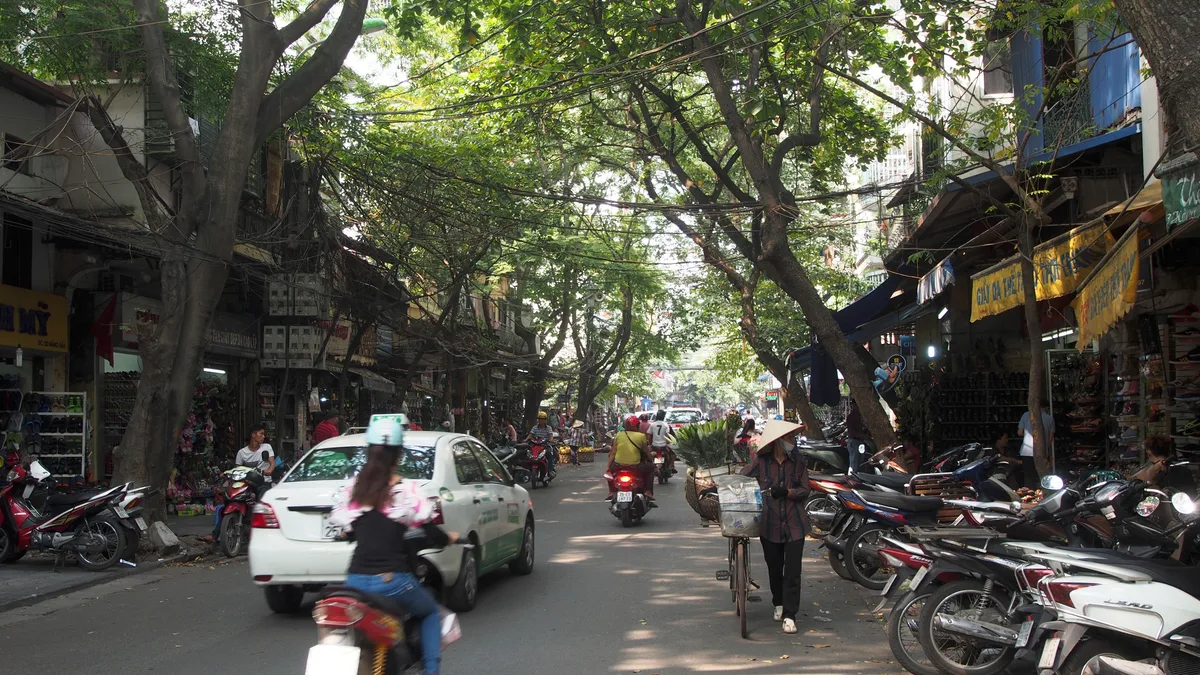
Walk steadily across streets with confidence and purpose, not hesitation or fear. Vietnamese drivers and scooter riders have sharp spatial awareness and adjust for pedestrians moving intentionally. Motorbikes flow around people like water around a rock.
How to cross confidently: Pick your moment in the traffic flow. Make eye contact with approaching drivers if possible—they'll adjust. Walk steadily across without running, stopping, or showing panic. This isn't reckless; locals cross safely using this exact method.
Vietnam's street organization seems chaotic until you realize it runs on spatial logic. Motorbikes flow around pedestrians like water around a rock. Everyone adapts on the fly; just move with purpose and awareness.
Scooter rental tempts travelers, but it's risky without real riding experience. Traffic in Hanoi and Ho Chi Minh City is intense and unforgiving. Motorbike accidents are the leading injury cause for tourists. Stick to train travel, Grab, taxis, or walking your first trip.
Vietnam's coffee culture beyond the drink
Coffee in Vietnam isn't just caffeine—it's a ritual, a social institution, and a window into local life. Locals spend time lingering over small cups, watching street life, or catching up with friends. This pace contrasts sharply with grab-and-go coffee culture in the West.
How Vietnamese coffee works: Coffee filters through a small metal drip called a phin onto a glass. The brew sits in a layer of sweetened condensed milk at the bottom. As it drips, you stir the mixture together, creating a thick, sweet, creamy drink. The ritual itself—watching the slow drip—is part of the experience.
Street coffee vendors cost just 5,000–15,000 dong (less than £0.50). You can sip for an hour without pressure to buy more. Modern cafes in cities offer Wi-Fi and fancier settings. Locals use both depending on their mood and available time.
Cà phê đen đá (black iced coffee) is strong, bitter, and has no milk. Cà phê sữa đá (iced coffee with condensed milk) is sweet, rich, and creamy. Cà phê trứng (egg coffee) is a Hanoi specialty with whipped egg on top. Cà phê cốt dừa (coconut coffee) is a Southern specialty with creamy coconut.
Point or use Google Translate when ordering since English isn't always spoken. Ask for "ít đường" (less sugar) if you prefer it less sweet. Mornings and early afternoons are best for the strongest, freshest brews. This isn't just a drink—it's how locals slow down and live presently.
How to navigate Vietnam’s night markets
Night markets are useful for more than souvenir shopping: they combine inexpensive food, local crafts, and evening street life in one walkable area. Hanoi’s Weekend Night Market runs through the Old Quarter near Hàng Đào and Đồng Xuân Market, while Hoi An Night Market fills Nguyễn Hoàng Street opposite the Ancient Town. In Ho Chi Minh City, Hồ Thị Kỷ is particularly good for street food and stays livelier than markets aimed mainly at souvenir buyers.
Arrive after sunset, but avoid waiting until closing time because popular food stalls may sell out. Carry small Vietnamese-dong notes, ask the price before ordering, and confirm whether a quoted amount is per item, portion, or weight. Bargaining is normal for clothing and souvenirs but generally inappropriate at stalls displaying fixed food prices.
- Keep your phone and wallet secured in dense crowds.
- Choose busy stalls that cook food continuously.
- Check opening days because Hanoi’s central night market operates on weekends, while schedules elsewhere can change.
- Use Grab for the return trip instead of negotiating with an unmetered taxi outside the market.
Official Planning Checks Before You Go
Use the Vietnam Tourism trip-planning portal for destination context and the official Vietnam Tourism transport overview for a second official baseline. Recheck any opening hour, fare, timetable, closure, access rule, weather risk, or booking condition with the responsible operator shortly before travel; an official destination overview is not a live inventory or service guarantee.
Frequently Asked Questions
Is $1,000 enough for 2 weeks in Vietnam?
Yes, completely. At $25–$40 daily, $1,000 covers 25–40 days of budget travel comfortably, including hostels, street food, local buses, and basic activities. Mid-range travelers spending $60–$90/day can enjoy boutique guesthouses and nicer meals within 2 weeks on $1,000–$1,260. Budget gives flexibility; splurging happens mainly in big cities.
What are the biggest mistakes first-time visitors make?
Rushing through too many cities too fast tops the list. Other common mistakes: skipping local markets for tourist-only restaurants, renting motorbikes without riding experience, and staying only in party hostels. Better approach: pick 3–4 regions max, eat where locals eat, use Grab for transport, mix accommodation types, and leave slack time for spontaneity. Slow travel reveals Vietnam; racing through misses it entirely.
Do I need a visa for Vietnam?
Vietnam's entry rules depend on your passport, purpose, and stay. Some listed passports qualify for an exemption; others need an approved e-visa or another visa before travel. The official e-visa can allow up to 90 days with single or multiple entry, but its dates and entry point must match your trip. Check official Vietnamese sources and do not rely on a general tourist visa-on-arrival option.
What should I pack for Vietnam?
Light, loose cotton or linen clothing for hot weather, good walking shoes, a small daypack, light rain jacket, sunscreen, and power adapters. Laundry costs $1–$3 and turns around in 24 hours, so pack very light. Include motion sickness meds if prone to it from buses. See seasonal packing guides for detailed lists.
Is Vietnam good for families with kids?
Absolutely. Locals love children, and most attractions are accessible. Beaches, cave tours, temples, and markets appeal to kids. Food can be tricky if kids are picky—street food is safe but unfamiliar. Bring familiar snacks and choose kid-friendly tours. Slower itineraries work better than rushing between cities; kids exhaust easier in heat and need breaks.
Your first Vietnam trip doesn't need to be perfect—it just needs to happen. Apply these tips to avoid common mistakes and travel smarter from day one.
Start by picking regions based on climate and your interests. Book a few nights of accommodation upfront, arrange airport transport if needed, and leave the rest open. Vietnam's best moments often come from spontaneity and saying yes to unexpected invitations.
Slow travel beats rushing; two weeks in the north teaches more than three weeks scattered everywhere. Connect with locals, try the coffee ritual, eat street food confidently, and respect the culture. Ready to discover Vietnam deeper? Explore a comprehensive 10-Day Vietnam Itinerary: Route Guide for 2026 or check out sleeper bus guides for inter-city transport.
Take the route offline
Free: the Vietnam route starter
A two-week south-to-north route with real nightly rates by city, what to book first and how far ahead, region-by-region timing, and the transport costs between each leg — drawn from our published guides.
Keep unfolding Vietnam
Continue along the route
Three nearby guides for the next decision in your trip.


