
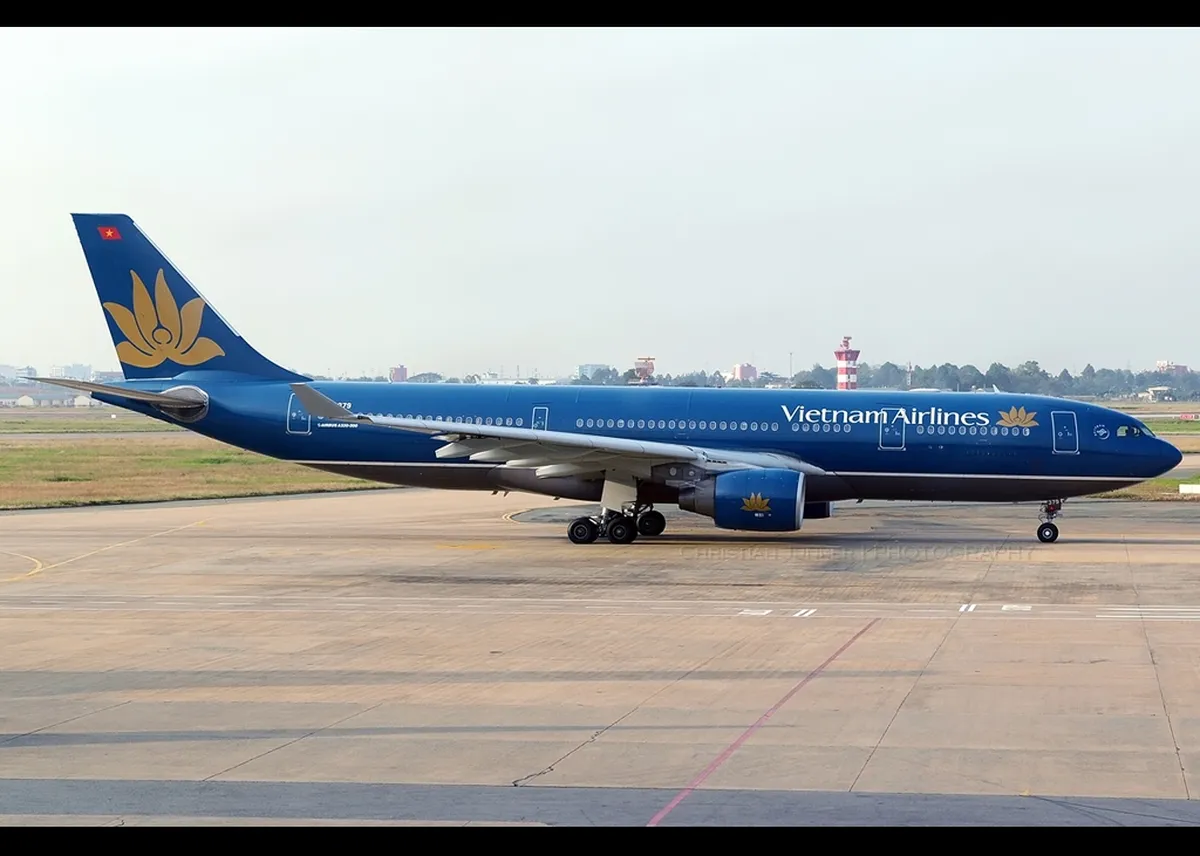
Vietnam Domestic Flights Guide: Book Smart
Plan your Vietnam domestic flights with expert airline comparisons, timing tips, baggage guides, and booking strategies for smarter travel planning.
On this page
With more than 20 civilian airports and multiple carriers including Vietnam Airlines, VietJet Air, and Bamboo Airways, Vietnam's domestic aviation network efficiently connects every major region. Flying domestically can save you days compared to buses or trains—a Hanoi-to-Phu Quoc journey takes just 2 hours by air versus 30+ hours overland.
This guide covers everything from airport hubs to baggage rules, booking strategies to check-in procedures. Whether you're planning a multi-city itinerary or a quick beach hop, these practical tips help you save money and avoid common mistakes. All information is current for 2026. Last updated July 2026.
Key Takeaways
- With more than 20 civilian airports and multiple carriers including Vietnam Airlines, VietJet Air, and Bamboo Airways, Vietnam's domestic aviation network efficiently connects every major region.
- Flying domestically can save you days compared to buses or trains —a Hanoi-to-Phu Quoc journey takes just 2 hours by air versus 30+ hours overland.
- This guide covers everything from airport hubs to baggage rules, booking strategies to check-in procedures.
- Whether you're planning a multi-city itinerary or a quick beach hop, these practical tips help you save money and avoid common mistakes.
Take the route offline
Free: the Vietnam route starter
A two-week south-to-north route with real nightly rates by city, what to book first and how far ahead, region-by-region timing, and the transport costs between each leg — drawn from our published guides.
Domestic Airports in Vietnam
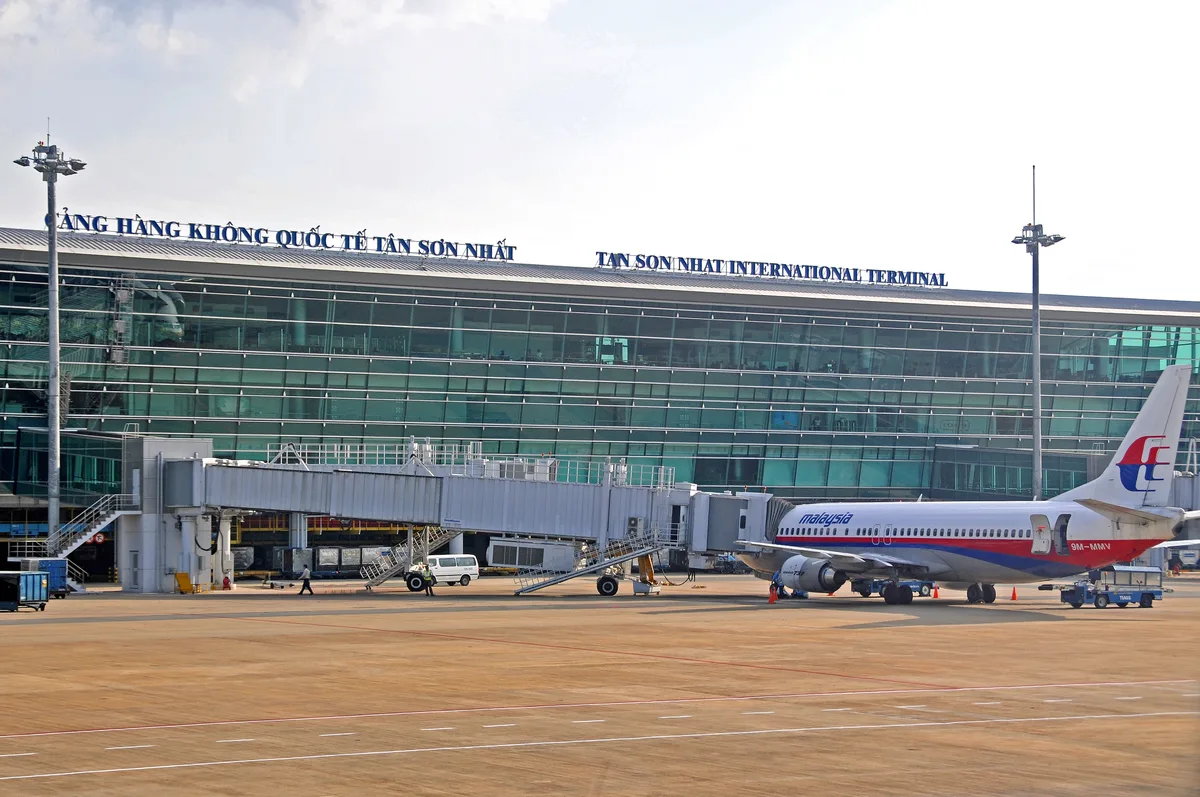
Vietnam's domestic network centers on three major hubs: Hanoi (Noi Bai), Ho Chi Minh City (Tan Son Nhat), and Da Nang. Most regional flights connect through these airports, and choosing the right hub can streamline your entire itinerary. Secondary airports in Hue, Nha Trang, and Phu Quoc serve popular tourist destinations.
Hanoi's Noi Bai Airport sits 25 kilometers north of the city and handles most northern routes. Ho Chi Minh City's Tan Son Nhat (Terminal 3 for domestic flights opened April 2025) sits 7 kilometers north of downtown and is Vietnam's busiest airport. Da Nang International Airport, 100 kilometers south of the city, functions as a central hub with flights to all major cities within 90 minutes.
Secondary airports include Hue for imperial city access, Nha Trang's Cam Ranh (30 kilometers from beaches), and Phu Quoc for island resorts. Regional airports in Lao Cai near Sapa and Can Tho in the Mekong Delta serve specific travel corridors. Smaller airports typically have fewer daily departures but offer direct access to specialized tourism destinations.
Arrive 1.5–2 hours before domestic flights for check-in and security screening. Knowing your airport's layout helps you navigate efficiently and reduce pre-flight stress. Terminal maps are available on airport websites and airline apps.
Airlines Flying Domestically in Vietnam
Four major carriers dominate Vietnam's domestic market: Vietnam Airlines (the national flag carrier), VietJet Air (budget-focused), Bamboo Airways (premium budget), and Vietravel Airlines (tourism-oriented). Each airline offers distinct pricing models, service levels, and route networks. Understanding each carrier's strengths helps you choose based on your budget and priorities.

Vietnam Airlines operates the most extensive domestic route network and maintains consistent schedules compared to budget competitors. Most fare classes include checked baggage, making the all-in cost competitive despite higher base fares. Passengers prioritizing reliability often choose Vietnam Airlines, especially on long routes like Hanoi-Phu Quoc.
VietJet Air offers the lowest base fares and attracts budget-conscious travelers and younger tourists. However, most ancillary services—baggage, seat selection, meals—cost extra, so your true fare depends on what you add. Peak-period flight delays can occasionally occur, but the airline's extensive route network and frequent departures make it popular for beach and resort travel.
Bamboo Airways bridges full-service and budget airlines with modern cabins and competitive pricing. Service quality appeals to both leisure and business travelers, with emphasis on comfort over rock-bottom fares. The airline frequently connects major cities to emerging coastal and island destinations.
Vietravel Airlines focuses on tourism-aligned routes and seasonal service, particularly during peak holiday periods. The airline supports regional tourism packages and plays a valuable role expanding options during high-demand travel windows. With a smaller fleet, it offers fewer daily flights but serves travelers prioritizing flight frequency to specific resort areas.
Popular Routes & Approximate Flight Times
Vietnam's most-traveled domestic routes are the backbone of the aviation network, with multiple daily departures on key corridors. Understanding flight times helps you plan realistic connection windows and daily itineraries. The following major routes connect every region and run consistent schedules:
Hanoi–Ho Chi Minh City (approximately 2 hours, covering 1,100+ kilometers) is the most essential air connection, linking Vietnam's political center with its largest economic hub. Hanoi–Da Nang (approximately 1 hour 15 minutes) connects northern heritage sites with central Vietnam's coastline. Hanoi–Hue (approximately 1 hour 15 minutes) provides easy access to the former imperial capital.
| Route | Flight Time | Key Details |
|---|---|---|
| Hanoi–Ho Chi Minh City | Approximately 2 hours | 1,100+ kilometers; links political center with economic hub |
| Hanoi–Da Nang | Approximately 1 hour 15 minutes | Connects northern heritage sites with central coastline |
| Hanoi–Hue | Approximately 1 hour 15 minutes | Access to former imperial capital |
| Ho Chi Minh City–Phu Quoc | Approximately 1 hour | Fastest way to reach Vietnam's most famous beach destination |
| Ho Chi Minh City–Nha Trang | Approximately 1 hour | Coastal city famous for beaches, island tours, and diving |
| Ho Chi Minh City–Da Lat | 50 minutes to 1 hour | Links metropolis with cooler highland destination with pine forests and French colonial architecture |
Ho Chi Minh City–Phu Quoc (approximately 1 hour) is the fastest way to reach Vietnam's most famous beach destination. Ho Chi Minh City–Nha Trang (approximately 1 hour) connects to a coastal city famous for beaches, island tours, and diving. Ho Chi Minh City–Da Lat (approximately 50 minutes to 1 hour) links the metropolis with a cooler highland destination recognized for pine forests and French colonial architecture.
Flight times are significantly shorter than equivalent road journeys; the Hanoi-Phu Quoc route takes 2 hours by air compared to 30+ hours by road and water. Multiple daily departures on trunk routes give you flexibility in scheduling your connections. Smaller regional flights like Vinh–Hanoi typically run less frequently, so check current schedules when connecting through secondary airports.
How to Book the Best Domestic Flight Deals
Booking strategy can significantly reduce your airfare; most travelers save 20–40% by booking strategically rather than purchasing last-minute. Timing, flexibility, and comparison shopping are your three biggest levers for finding deals on Vietnam domestic flights. Applying these tactics consistently yields measurable savings across all airlines.
Book 2–4 weeks in advance for optimal pricing on Vietnam domestic flights, especially during high-season travel windows like December–January and July–August. Last-minute bookings typically cost 30–50% more than advance purchases.
Book 2–4 weeks in advance for optimal pricing, especially during high-season travel windows (December–January, July–August, Lunar New Year). Last-minute bookings (within 48 hours) typically cost 30–50% more than advance purchases. Mid-week flights (Tuesday–Thursday) are often 15–25% cheaper than weekend departures, though pricing varies by season and route.
Compare the all-in cost (base fare plus baggage, seat selection, and fees) across airlines and booking platforms to find the best value. Budget carriers like VietJet might show lower base fares, but adding baggage and seat selection can make them pricier than Vietnam Airlines' included-baggage fares. Use Vietnam travel booking apps and official airline websites to verify current fares and promotional windows.
Sign up for airline newsletters to receive promotional fares directly—VietJet and Bamboo Airways frequently offer flash sales for 48-hour booking windows. Off-season travel (May, September–October) offers lower fares across all carriers. Flexibility on dates (shifting your trip by 1–2 days) can reduce costs by 15–25%.
Consider alternative routing if your primary choice is expensive. Flying Hanoi–Da Nang–Phu Quoc might cost less than a direct Ho Chi Minh City–Phu Quoc booking. Checking multi-city package fares sometimes reveals savings compared to booking legs separately.
Baggage Rules & Fees—What You Must Know
Baggage allowances and fees vary substantially by airline, fare class, and booking date. Understanding these rules before booking prevents expensive surprises at check-in or requiring purchases at the airport. Vietnam Airlines includes checked baggage on most fare classes, while budget carriers charge per bag and kilogram.

Vietnam Airlines includes 1–2 checked bags (23 kilograms / £50 each) depending on ticket class, plus carry-on luggage (7 kilograms / £15). Excess baggage costs approximately 150,000–300,000 VND (roughly $6–12 USD) per additional kilogram depending on route. Booking checked baggage in advance when purchasing your ticket typically costs 50–70% less than airport purchases.
VietJet Air charges 30,000–50,000 VND (roughly $1.20–2 USD) per kilogram for checked baggage when pre-purchased, or higher rates at airport check-in. Carry-on luggage is limited to 5 kilograms with VietJet, compared to 7 kilograms with full-service carriers. Bamboo Airways includes 1 checked bag (20 kilograms / £44) on most fares, with excess charges similar to Vietnam Airlines.
Special baggage (sports equipment, musical instruments, oversized items) requires advance declaration and often incurs fees. Oversized luggage (larger than 56 x 36 x 23 centimeters / 22 x 14 x 9 inches) costs extra on most carriers. Check airline websites for current baggage rates before purchasing, as fees change seasonally and by route.
Pro tip: Book baggage allowances when purchasing your ticket to lock in lower pre-purchase rates. Group bookings sometimes qualify for baggage discounts. Packing light and using regional carriers' smaller carry-on allowances can reduce unexpected fees on budget airlines.
Check-in & Boarding Rules
Domestic flight procedures in Vietnam are straightforward once you understand timing and requirements. Online check-in opens 24 hours before departure and closes 60 minutes before flight time, giving you maximum scheduling flexibility. Arriving 1.5–2 hours before departure ensures adequate time for check-in, security, and boarding without stress.
Arrive 1.5–2 hours before domestic flight departure to allow adequate time for check-in, security screening, and boarding. During peak periods like Tet, summer holidays, and weekends, consider arriving 2.5 hours early.
Most airports offer mobile check-in via airline apps and self-service kiosks in addition to check-in counters. Self-service options reduce wait times during busy periods, especially at Ho Chi Minh City and Hanoi. Having your passport and booking confirmation readily available speeds up the process significantly.
Security screening is typically fast for domestic flights—average wait times are 10–20 minutes outside peak hours (7–9 a.m., 11 a.m.–1 p.m., 4–6 p.m.). Remove shoes, belts, and laptops before the scanner. Liquids, gels, and powders are restricted to 100-milliliter containers per item in carry-on luggage, consistent with international aviation rules.
Boarding typically begins 30–45 minutes before departure, with priority boarding for premium ticket holders. Bring your boarding pass (digital or printed) and government-issued ID to the gate. Seating assignments depend on ticket class, with economy passengers often choosing seats during check-in or at the gate.
Allow additional time during high-traffic periods like Tet (Lunar New Year), summer school breaks (July–August), and holiday weekends. Arriving 2.5 hours early provides comfortable cushion during these peak windows. Confirming your flight 24 hours in advance—especially with budget carriers—ensures your booking remains active.
When to Fly Domestically in Vietnam
Timing your flights strategically improves your experience and reduces costs. Vietnam's climate, tourist seasons, and holiday schedules influence flight availability, pricing, and comfort. Understanding these patterns helps you choose the best travel windows for your priorities.
The ideal window for domestic travel is October through April, when temperatures are moderate and rainfall minimal. September and November offer lower prices than peak months while maintaining generally pleasant weather. Holiday and festival planning is crucial—avoid Tet (Lunar New Year in late January/early February) and National holidays unless you specifically want festival experiences, as prices spike 20–40% and flights fill quickly.
Summer (May–September) experiences higher rainfall in central and northern regions, though flying remains entirely feasible. Southern Vietnam remains relatively dry in this period, making Ho Chi Minh City and Phu Quoc workable for summer travel. Understanding rainy season travel helps you plan logistics and manage expectations about occasional weather-related disruptions.
Peak international tourist seasons (December–January, July–August) mean crowded flights and premium pricing. Mid-week flights (Tuesday–Thursday) consistently cost 15–25% less than weekend options across all seasons. Flying early morning (6–7 a.m.) or late evening (8 p.m. onward) often yields lower fares than mid-day departures, though these timings may disrupt your schedule.
Business travel patterns affect route congestion—Hanoi–Ho Chi Minh City flights on weekdays are busier than weekend flights. If you're flexible, planning your flight for off-peak times can reduce delays and improve your cabin experience. Tracking airline prices for 2–4 weeks before travel reveals the optimal booking moment for your specific route.
Hanoi vs. Ho Chi Minh City: Which Hub Works Better?
Choosing between Hanoi and Ho Chi Minh City as your domestic flight hub depends on your route, routing flexibility, and connection goals. Both cities serve as major aviation hubs with extensive daily departures and competitive pricing. Understanding the strengths of each helps you structure an efficient multi-city 10-Day Vietnam Itinerary: Route Guide for 2026.
Hanoi (Noi Bai) is the gateway to northern Vietnam, with direct connections to mountain regions (Sapa via Lao Cai), coastal areas (Halong Bay via Cat Bi), and central Vietnam (Da Nang, Hue, Da Lat). If your trip emphasizes northern heritage and landscapes, Hanoi is the logical hub. Flight frequency to northern destinations is higher from Hanoi, and you minimize backtracking across regions.
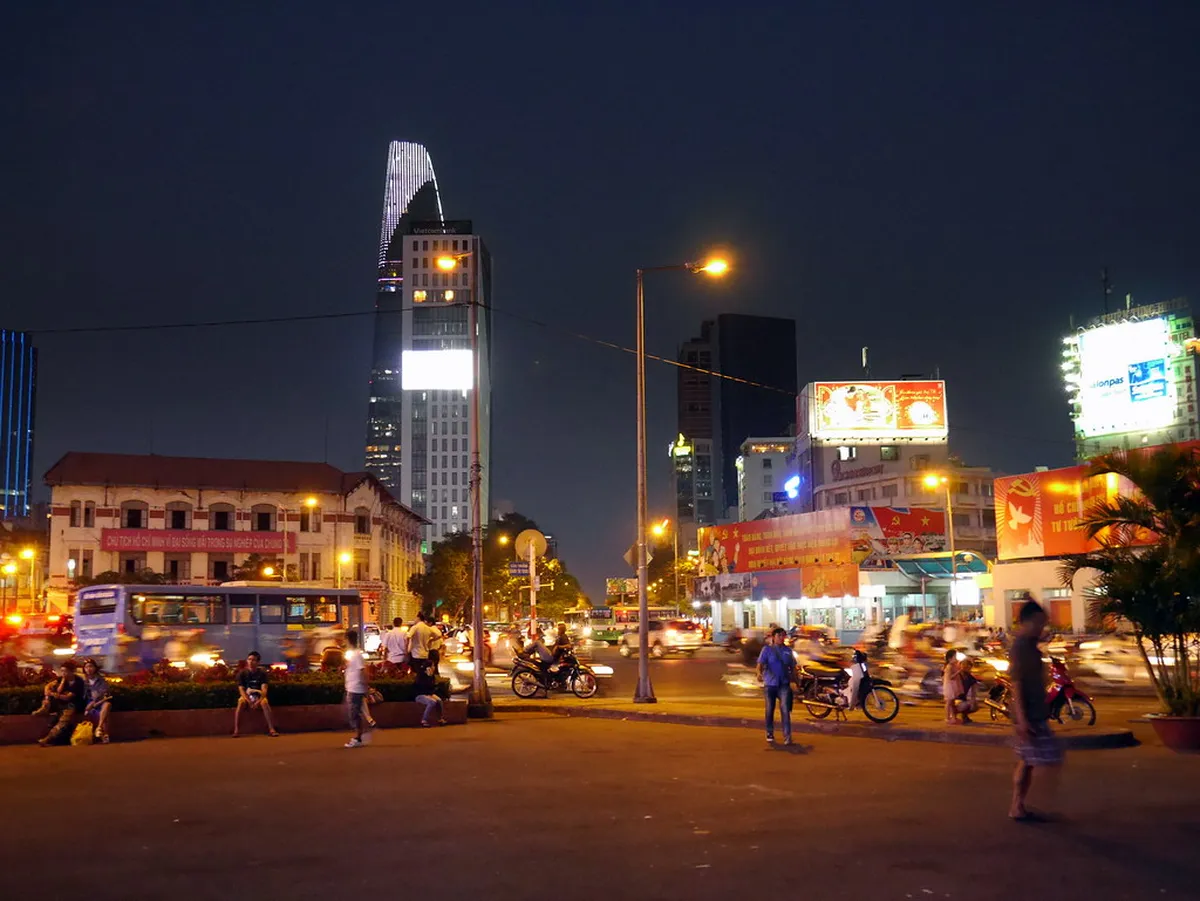
Ho Chi Minh City (Tan Son Nhat) connects efficiently to southern destinations: Phu Quoc, Nha Trang, Can Tho, and coastal resorts. The city also serves as a transit point to central Vietnam, making it workable for multi-region itineraries. Southern Vietnam's larger tourism infrastructure means more frequent flights and competitive pricing from Ho Chi Minh City.
For north-to-south itineraries, consider flying into Hanoi and out of Ho Chi Minh City (or vice versa) to minimize retracing your route. This strategy eliminates backtracking but requires connecting via Da Nang or another central hub, adding one extra flight to your itinerary. The time trade-off (an extra 1–2 hour flight) often justifies avoiding double-back routing and hotel relocations.
Da Nang sits geographically central and serves as a natural hub for central Vietnam travel. Many travelers arrive in Hanoi or Ho Chi Minh City, fly to Da Nang, and continue to their final destination. From Da Nang, all major Vietnamese cities are within 90-minute flights, making it ideal for exploring both north and south from a central base.
Official Planning Checks Before You Go
Use the Vietnam Tourism trip-planning portal for destination context and the official Vietnam Tourism transport overview for a second official baseline. Recheck any opening hour, fare, timetable, closure, access rule, weather risk, or booking condition with the responsible operator shortly before travel; an official destination overview is not a live inventory or service guarantee.
Frequently Asked Questions
Do I need a passport for domestic flights in Vietnam?
Yes, a valid government-issued ID is required for all domestic flights. Most travelers use their passport, though Vietnamese citizens can use a national ID card. Keep your ID accessible during check-in and at the gate. Airlines will ask to see it before boarding.
What's the best time to arrive at the airport for a domestic flight?
Arrive 1.5–2 hours before your domestic flight departure. This gives you adequate time to navigate check-in lines, clear security screening, and reach your gate without rushing. During peak periods (Tet, summer holidays, weekends), consider arriving 2.5 hours early to avoid congestion and ensure a stress-free experience.
Can I book Vietnam domestic flights online, and what payment methods are accepted?
Yes, you can book online through airline websites, travel booking platforms like Alternative Airlines, and mobile apps. Most platforms accept credit cards, debit cards, and local payment methods (Momo, VietJet's in-app wallet). Booking in advance and comparing prices across platforms typically yields the best deals.
What happens if my domestic flight is cancelled or delayed?
Airlines typically rebook you on the next available flight at no additional cost if the cancellation is their fault. In cases of severe delays (2+ hours), you may qualify for compensation under Vietnamese regulations, though enforcement varies. Check your airline's policy before flying, and keep your booking confirmation and receipt for reference.
Can I change or cancel my domestic flight ticket after booking?
Yes, but terms vary by airline and fare class. Vietnam Airlines typically allows changes with minimal or no fee depending on your ticket type. VietJet and Bamboo Airways offer change options, though budget fares may have restrictions or require fee payment. Review your specific fare rules before booking, and contact the airline directly for changes rather than relying solely on booking platforms.
Vietnam's domestic flight network offers the fastest way to connect distant regions while discovering the country's diverse landscapes and cultures. By understanding airport procedures, airline options, and booking strategies, you can fly confidently and affordably across Vietnam. Start planning your multi-city itinerary with clear flight times, realistic check-in buffers, and advance bookings to maximize savings and minimize stress.
Take the route offline
Free: the Vietnam route starter
A two-week south-to-north route with real nightly rates by city, what to book first and how far ahead, region-by-region timing, and the transport costs between each leg — drawn from our published guides.
Keep unfolding Vietnam
Continue along the route
Three nearby guides for the next decision in your trip.


