

Photo: dgjarvis10@gmail.com via Flickr (CC BY-SA 2.0)
Hue 2-Day Itinerary: A First-Timer's Plan
Plan the perfect Hue 2 day itinerary in Vietnam with a detailed day-by-day guide, costs in dong, opening hours, and booking tips. Start planning today.
On this page
This Hue 2 day itinerary is built for first-time visitors with only two days to spare. You will hit the Imperial City, two royal tombs, and the Perfume River without doubling back across town. Last updated July 2026. Every stop below lists real 2026 prices, typical hours, and travel times between sites.
Two days is tight, so this plan groups sights by neighborhood to cut down on backtracking. Day 1 stays inside the Citadel walls, and Day 2 heads out toward the royal tombs. Repeat visitors can swap in extra tombs or a day trip, and first-timers get a clear baseline route. Each day mixes history, food, and a slower riverside evening.
Grab cars, scooters, and cyclos all work well for getting between sights in Hue. Book the cooking class and any tour transfers a few days ahead during peak season. The sections below cover where to stay, where to eat, and how to add a third day. Weather and crowd notes appear throughout, since Hue's rain season can reshape a tight schedule.
Key Takeaways
- This Hue 2 day itinerary is built for first-time visitors with only two days to spare.
- You will hit the Imperial City, two royal tombs, and the Perfume River without doubling back across town.
- Every stop below lists real 2026 prices, typical hours, and travel times between sites.
- Two days is tight, so this plan groups sights by neighborhood to cut down on backtracking.
Take the route offline
Free: the Hue route notes
Where to base yourself and what it costs, a day-by-day route that avoids backtracking, real transfer times and fares, seasonal timing, and where it connects onward — condensed from our Hue guides and made to take offline.
Hue 2-Day Itinerary at a Glance
This snapshot maps out a full Hue 2 day itinerary before the detailed hour-by-hour plan below. Day 1 focuses on the walled Citadel and old imperial sites near the Perfume River's north bank. Day 2 shifts south to the royal tombs, an incense village, and a quieter cafe scene. Most first-timers cover both days on foot, by Grab car, and by a short river cruise.
Grouping stops this way keeps travel time under 20 minutes between most attractions each day. Travelers who prefer slower mornings can flip the order without losing any major sight. Note that the Imperial City alone needs a solid 2 to 3 hours to see properly. For a longer regional route, see this Central Vietnam Itinerary: A 10-Day Route Guide guide.
Expect to spend roughly $25 to $40 per person per day on tickets, food, and local transport. Entrance fees alone run about 200,000 VND ($8) for the Imperial City and less for individual tombs. The list below gives the shape of each day before the full breakdown further down.
Hue's rainy season runs roughly September to January, and light rain rarely cancels plans. Sturdy shoes help on Citadel stone paths, which get slick after a downpour. Sun protection matters more from March through August, when midday heat peaks near 35°C. Either season, mornings offer the coolest and least crowded window for sightseeing.
- Day 1: Imperial City and old capital classics
- Morning: Imperial City and Flag Tower walk
- Afternoon: Citadel lunch then Thien Mu Pagoda
- Evening: Perfume River stroll and dinner
- Day 2: Royal tombs and riverside village calm
- Morning: Khai Dinh and Tu Duc tombs
- Afternoon: Incense village then riverside cafe
- Evening: Local dinner and market walk
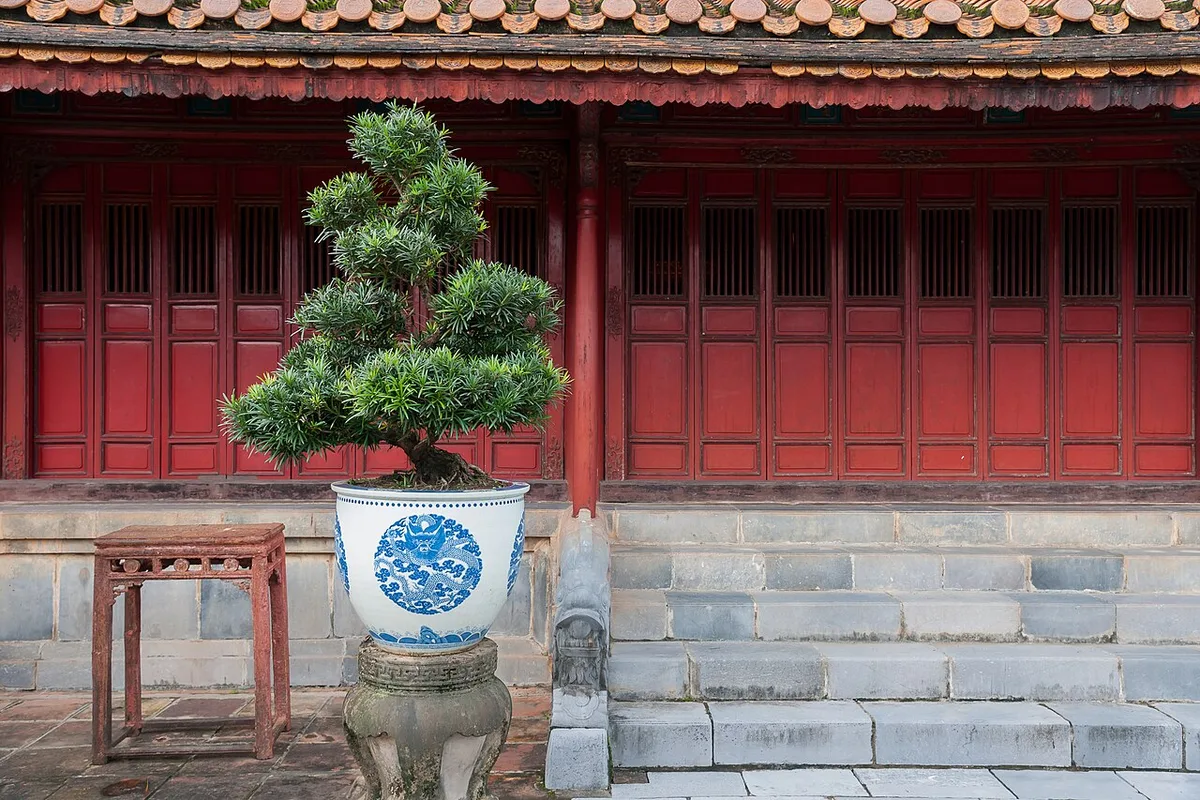
Your Hue 2-Day Itinerary Hour by Hour
This hour-by-hour Hue 2 day itinerary splits the city into two clear loops. We recommend starting Day 1 early, since the Imperial City gets crowded by mid-morning. Day 2 moves at a slower pace, mixing tombs with cafe breaks near the river. Both days end within walking distance of the same riverside hotel strip.
Crowds build fastest at the Imperial City and Khai Dinh tomb between 9am and 11am. Arriving before 8am cuts wait times noticeably. Ticket lines stay calm before 8am and busy again by 10am.
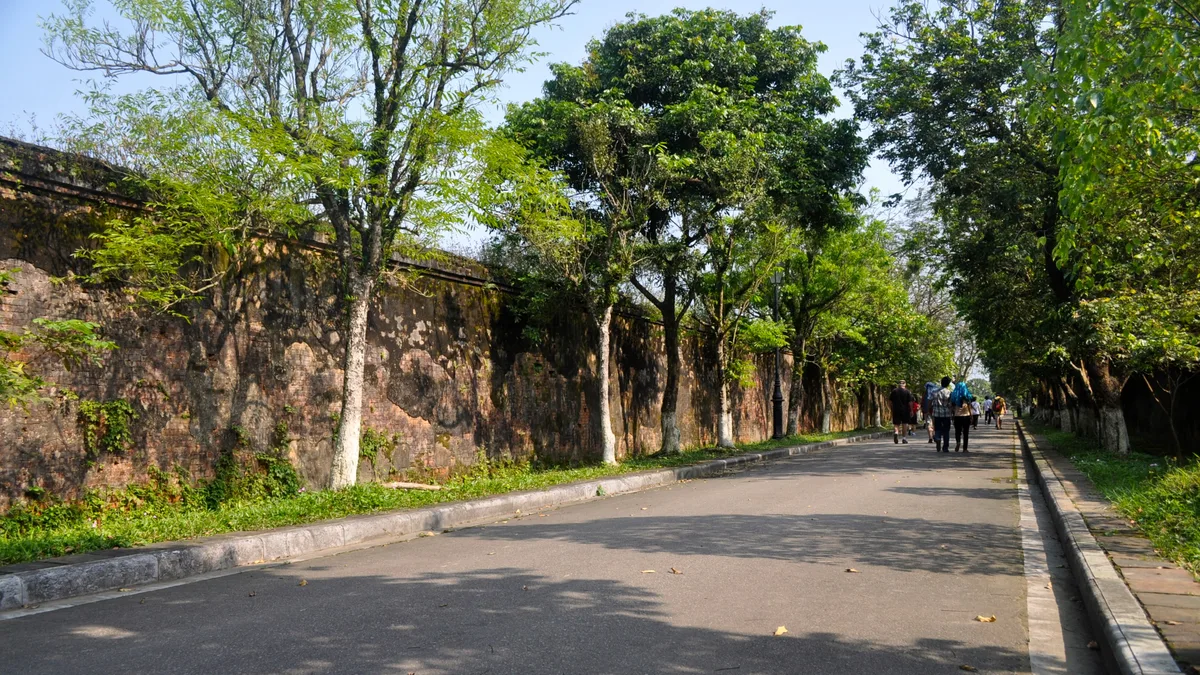
On Day 1, you'll want the Imperial City gate right at opening to beat tour buses. Most visitors find the ticket line calm before 8am and busy again by 10am. Entrance runs about 200,000 VND, roughly $8, and the site opens daily from about 7am to 5:30pm. In our view, pairing the Citadel with Thien Mu Pagoda keeps Day 1 on one side of town.
Lunch near the Citadel saves a return trip before the afternoon pagoda visit. A short cyclo or Grab ride covers the 4km to Thien Mu in about 15 minutes. Evening belongs to the Perfume River, where dinner spots stay open past 9pm. If two days feel rushed, this Central Vietnam 10-day itinerary shows how Hue fits a longer trip.
Day 2 trades the Citadel for the royal tombs south of the city center. Khai Dinh and Tu Duc sit about 20 to 30 minutes apart by car, open roughly 7am to 5:30pm daily. You'll want cash for tomb tickets, since some counters do not take cards. We'd budget 45 minutes at Tu Duc alone, since the grounds spread across a small lake.
Afternoon eases into Thuy Xuan incense village, a free stop with optional tips for photos. Evening suits a slow riverside cafe before a final dinner near the market. This pacing keeps both days under 8 hours of active sightseeing. Travelers extending south can compare routes in this Hue to Hoi An transport guide.
- Day 1: Imperial City, Citadel, and Perfume River
- Morning: 8:00-10:30 AM, Imperial City gate
- Afternoon: 12:30-3:00 PM, Thien Mu Pagoda
- Evening: 6:00-8:30 PM, Perfume River dinner
- Time: About 8 hours total
- Logistics: Walk Citadel, Grab to pagoda
- Optional: Rainy day, add museum stop
- Day 2: Royal Tombs, Incense Village, River Cafes
- Morning: 8:30-11:30 AM, Khai Dinh and Tu Duc
- Afternoon: 1:00-3:00 PM, incense village visit
- Evening: 5:30-8:00 PM, riverside cafe dinner
- Time: About 7 hours total
- Logistics: Grab car between tombs and village
- Optional: Skip Tu Duc for extra cafe time
Where to Stay in Hue (and Where to Eat)
The riverside strip near Le Loi Street works well as a base for a Hue 2 day itinerary. It sits within walking distance of the Perfume River and a short Grab ride from the Citadel. Budget rooms in this area typically run $20 to $35 a night, and rates shift by season. Always confirm current rates on the property's own site before booking.
Hue River Side Villa sits in a quieter pocket outside the busiest tourist strip. It suits travelers who want a slower riverside pace between sightseeing days. Rooms here work well for couples or small groups splitting a two-day stay. Book directly during peak season, since December through February fills up fastest.
Travelers who prefer a full-service resort can compare rates at the Melia Vinpearl Hotel Hue. It sits further from the old Citadel but offers pool and spa facilities. For a wider base comparison, this Hue or Hoi An guide weighs both cities. Either property works well as a two-night base for this itinerary.
For dinner, Vi Hue Restaurant serves central Vietnamese dishes near the riverside hotel strip. Expect mains in the $3 to $7 range, cheaper than most hotel restaurants nearby. Bun bo Hue and banh khoai both show up on most local menus. Vegetarian options are limited but available on request at most central restaurants.
Food-focused travelers can also join a guided cyclo or walking tour after dark. These small-group tours cover several vendors that are easy to miss alone. Pair one with either day's dinner instead of a sit-down restaurant. Either tour option suits travelers wary of ordering solo from street stalls.
How to Get Around Hue and Book Ahead
Hue is compact enough that most sights sit within a 20-minute ride of the Citadel. Grab cars and Grab bikes cover most routes and typically cost less than a private taxi. Renting a scooter runs about 100,000 VND, roughly $5, per day for those comfortable riding. Cyclos add a slower, scenic option for short hops around the old Citadel walls.
Reserve the cooking class 2–3 days ahead during peak season (December–February), when properties fill fastest. Group tours booked a day ahead often include Citadel entry and a guide. Private car transfers deserve reserving the night before in high season.
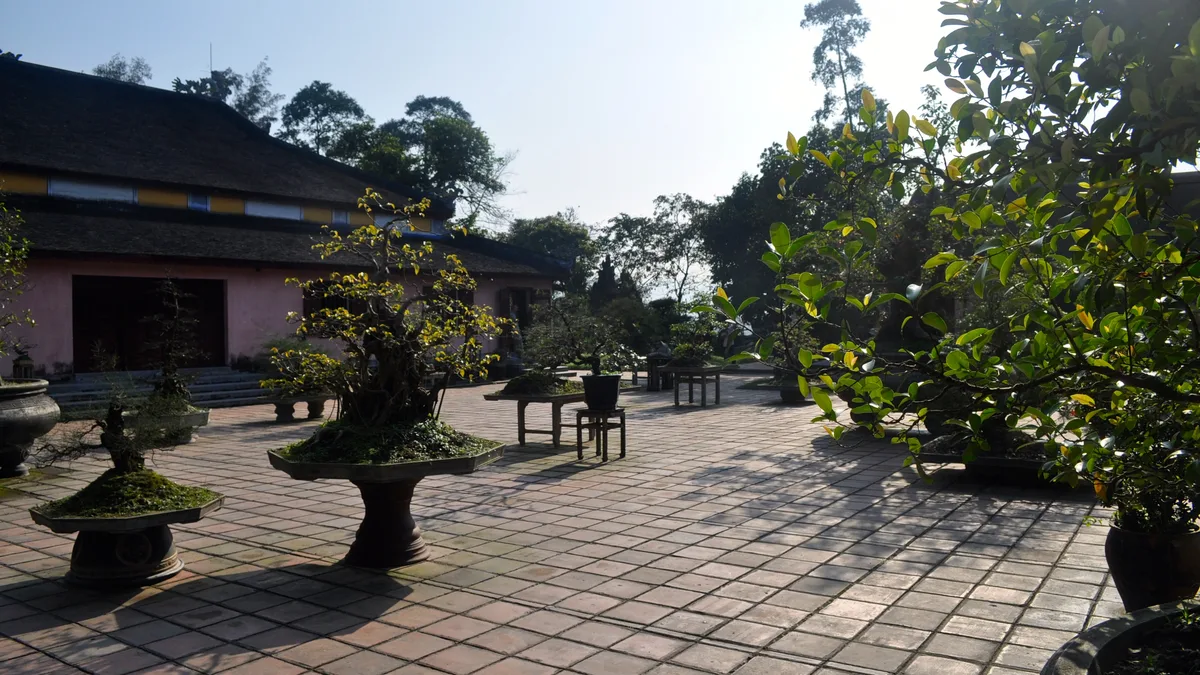
The Imperial City rarely sells out, but arriving right at opening avoids the mid-morning crowd. No advance ticket is needed; buy it at the gate when doors open. Group tours booked a day ahead often include Citadel entry plus a guide. Tour buses tend to arrive in waves, so timing the gate closely helps.
Hue Cooking Class fills up in peak season, so book it 2 to 3 days ahead. Khai Dinh and Tu Duc tombs sell tickets on-site, with no pre-booking required. Private car transfers to both tombs are worth reserving the night before in high season. Confirm exact class times on the operator's site, since schedules shift seasonally.
Reserving ahead matters most from December through February, Hue's busiest tourist season. Outside peak months, most activities and transfers can be booked the same morning. Evening cyclo or walking food tours are easy to add without much notice. Traffic moves fast near the Citadel gates, so cross carefully at marked points.
Helmets are legally required on scooters and rented bikes throughout Hue. Hop-on-hop-off buses are less common here than in Hanoi or Saigon. Walking still covers the Citadel interior fastest, since cars cannot enter most gates. Mixing walking, Grab rides, and the odd cyclo covers this itinerary well.
Is 2 Days Enough Time in Hue?
Two days covers the essential Hue 2 day itinerary sights without feeling rushed. You'll see the Imperial City, two royal tombs, and one riverside evening walk. History-focused travelers who want all seven royal tombs should plan for three days instead. Two days works best for a first visit or a stop within a longer Vietnam route.
Crowds build fastest at the Imperial City and Khai Dinh's tomb between 9am and 11am. Arriving before 8am at either site cuts wait times noticeably. Rainy season, roughly September through January, can slow an already tight two-day plan. Building in a 30-minute buffer between stops helps absorb weather delays.
For more sight options beyond the core two days, check this things to do in Hue guide. Travelers short on time should skip An Dinh Palace before either tomb visit. Cutting one tomb, not the Imperial City, protects the strongest half of the trip. Skipping it frees an extra 45 minutes for the incense village instead.
Solo travelers often move faster than groups, fitting in an extra cafe stop. Families with young kids may want to trim the tomb count to just one. Either way, two focused days beat one rushed day trying to see everything. Both approaches keep the trip realistic instead of overly ambitious.
A common mistake is booking same-day transport straight from Hanoi or Saigon. Overnight trains and short flights both need a few days' lead time in peak season. Another mistake is skipping breakfast before the Imperial City, since lunch sits far from the gate. Packing a refillable water bottle helps, since shaded rest spots are limited inside the Citadel.
Add a Third Day or Day Trip From Hue
A third day opens up the DMZ, Bach Ma National Park, or the remaining royal tombs. The DMZ day trip typically runs a full day, departing early and returning by evening. Bach Ma suits travelers who want cooler air and mountain views over more history stops. Both options work as a single add-on day before heading south.
Minh Mang tomb, often skipped on a 2-day plan, rewards a slower half-day visit. Its gardens and lake spread further than Khai Dinh's compact courtyard design. Add it on day three alongside a relaxed lunch back near the river. This keeps the original two-day pace intact for time-limited travelers.
After Hue, most itineraries continue south toward Da Nang or Hoi An. This Da Nang to Hoi An transport guide covers that next leg in detail. The train ride over Hai Van Pass adds scenery that a direct bus skips. Buses and shared shuttles cost less but take longer than a private car.
Adding a third day costs one extra hotel night plus transport for the add-on trip. For travelers on a fixed schedule, two focused days still work well alone. The choice comes down to whether history depth or trip pace matters more. Either decision keeps the core Hue 2 day itinerary intact underneath it.
A guided DMZ tour typically costs $25 to $45 per person, lunch included. Tours usually depart around 6:30 to 7am and return by early evening. Bach Ma National Park entry runs a small park fee, payable at the gate. Both add-ons work best booked a day ahead through a local tour desk.
How to Get to Hue
Phu Bai International Airport is the closest airport to Hue, about 15 kilometers south of the city center. Domestic flights connect it with major Vietnamese cities, including Hanoi and Ho Chi Minh City. From the terminal, use an airport shuttle, licensed taxi, or app-based car; allow roughly 30 minutes to reach the Le Loi Street hotel area when traffic is light.
Hue Railway Station is a convenient option for travelers following Vietnam’s north–south route. Reunification Express trains serve Hue from Hanoi, Dong Hoi, Da Nang, and Ho Chi Minh City. The Da Nang–Hue section crosses the Hai Van Pass, making the train especially worthwhile in daylight. The station is near Bui Thi Xuan Street, a short drive from the riverside and Imperial City.
From Da Nang or Hoi An, shared shuttles and private cars provide direct hotel-to-hotel transport. A private car can include stops at Hai Van Pass and Lang Co Lagoon, while a shuttle is better for travelers prioritizing a simple transfer. Reserve sleeper trains, flights, and weekend transfers ahead during Vietnamese public holidays.
Official Planning Checks Before You Go
Use the official Vietnam Tourism Hue guide for destination context and the UNESCO Hue listing for a second official baseline. Recheck any opening hour, fare, timetable, closure, access rule, weather risk, or booking condition with the responsible operator shortly before travel; an official destination overview is not a live inventory or service guarantee.
Frequently Asked Questions
Is 2 days enough time in Hue?
Two days works well for first-time visitors focused on the Imperial City and two royal tombs. Add a third day if you want all seven tombs or a DMZ day trip. Most travelers find two days covers the highlights without feeling rushed.
What should you eat in Hue?
Bun bo Hue and banh khoai are the two dishes locals recommend most often. Central market stalls and riverside restaurants both serve solid versions of each. Expect to pay $2 to $5 for most local meals.
Is it better to stay in Hue or Hoi An?
Hue suits history-focused travelers, while Hoi An suits those wanting beach access and lantern-lit streets. Many itineraries include both cities rather than choosing one over the other. A 2-day Hue stop pairs naturally with several nights in Hoi An after.
How do you get around Hue?
Grab cars and Grab bikes cover most routes at low cost, and scooter rental runs about $5 a day. Cyclos work well for short, scenic hops around the Citadel. Walking suits the compact riverside hotel area.
Is Hue worth visiting on a Vietnam itinerary?
Hue is worth visiting for its Imperial City, royal tombs, and Perfume River scenery. It fits naturally between Hanoi and Hoi An on a north-to-south route. For more route options, see this Viet Unfold travel blog.
What should travelers avoid when planning a Hue itinerary?
Avoid booking same-day onward transport from Hanoi or Saigon, since trains and flights fill up fast. Skip An Dinh Palace if time is tight, and keep the Imperial City and one tomb as priorities. Pack water and sun protection, since shaded rest spots are limited.
This Hue 2 day itinerary covers the Imperial City, two royal tombs, and a relaxed riverside evening. Costs stay modest, with most entrance fees under $10 and local meals under $5. Booking the cooking class a few days ahead is the only reservation that really matters. Weather rarely disrupts more than an hour of plans, even in rainy months.
Extend to three days if the DMZ or extra tombs interest you. Otherwise, two focused days leave enough time to continue on to Da Nang or Hoi An. Either way, book the cooking class early and confirm hotel rates directly.
Take the route offline
Free: the Hue route notes
Where to base yourself and what it costs, a day-by-day route that avoids backtracking, real transfer times and fares, seasonal timing, and where it connects onward — condensed from our Hue guides and made to take offline.
Keep unfolding Vietnam
Continue along the route
Three nearby guides for the next decision in your trip.


