

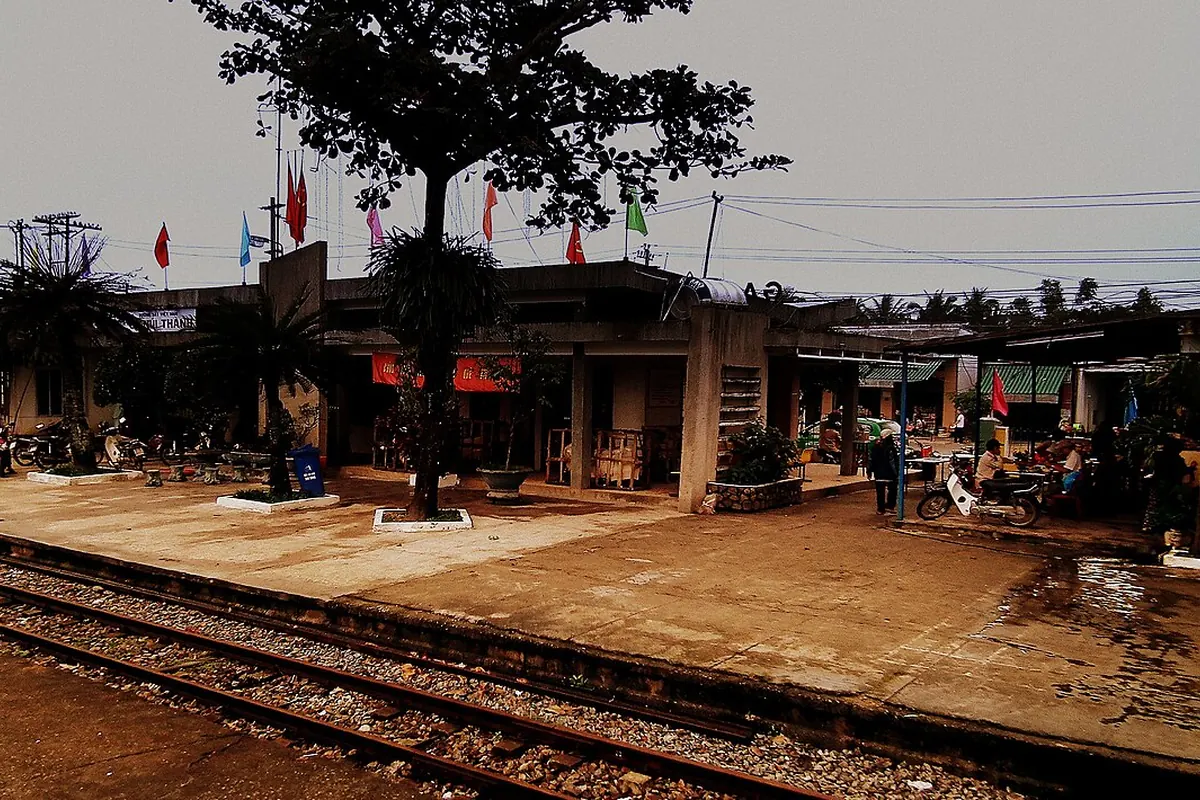
Photo: -JvL- via Flickr (CC BY 2.0)
Da Nang to Hue: Transport and Hai Van Pass Guide 2026
Plan Da Nang to Hue in 2026 by train, private car, limousine, bus, or motorbike, with Hai Van Pass trade-offs, live schedule checks, and arrival tips.
On this page
The Da Nang to Hue trip is short enough to look simple and varied enough to book badly. A train follows the scenic coastal railway, a road transfer may disappear through the Hai Van Tunnel, and a car advertised with “Hai Van” may still include no useful stop unless the route is written into the booking.
This 2026 guide compares the journey rather than treating every seat as interchangeable. It covers station and hotel transfers, the Hai Van Pass decision, luggage, daylight, local-bus uncertainty, and whether Hue belongs as a day trip or an overnight on a Central Vietnam itinerary.
Vietnam Railways and official tourism pages were checked on August 15, 2026. Timetables, fares, vehicle types, and road conditions can change, so the dated search result or issued ticket for the actual travel day takes priority over any copied schedule.
Key Takeaways
- Choose the train for a low-effort scenic journey through the Hai Van rail corridor.
- Choose a private car when hotel-to-hotel travel or planned road stops matter more than price.
- Write “Hai Van Pass road, not the tunnel” into a car quote if the pass is part of the day.
- Assume a limousine or intercity bus uses the faster tunnel unless the operator confirms otherwise.
- Treat a self-ride as a mountain-road activity requiring legal documents, insurance, skill, daylight, and suitable weather.
- Verify train and bus details again the day before departure; even official information pages can lag live inventory.
Take the route offline
Free: the Da Nang route notes
Where to base yourself and what it costs, a day-by-day route that avoids backtracking, real transfer times and fares, seasonal timing, and where it connects onward — condensed from our Da Nang guides and made to take offline.
What Is the Best Way to Get From Da Nang to Hue?
For most travelers, the train is the best Da Nang-to-Hue balance of scenery, price, and low planning effort. Choose a private car over Hai Van Pass for door-to-door stops, a limousine for speed, or a motorbike only with legal riding credentials and mountain-road experience.

The answer changes when the journey has a job beyond transport. A traveler with two large bags may value a hotel pickup more than a window view. A family using the move as a sightseeing day may want a private car with Lang Co and pass stops. A solo traveler with a flexible check-in often gets the strongest experience-to-effort ratio from a daylight train.
Use the Hai Van Pass guide for the road experience itself and the Central Vietnam transport guide for the other regional legs. This page stays focused on deciding and booking the Da Nang–Hue segment.
Compare Da Nang to Hue Transport Options
| Mode | Typical fare | Realistic planning window | Hai Van experience | Best for | Main catch |
|---|---|---|---|---|---|
| Daylight train | From about $10 soft seat; roughly $10–$15 by class | About 3–4 hours station to station, plus transfers | Coastal railway views; no road stops | Solo travelers, couples, scenery without driving | Fixed timetable and station transfers |
| Private car via tunnel | Quoted per vehicle, below the pass-with-stops rate | Roughly 2–3 hours door to door | Pass bypassed | Families, luggage, fast hotel transfer | No summit or roadside viewpoints |
| Private car via pass | About $40–$55 per vehicle with stops | Half a day with useful stops | Road viewpoints and planned pauses | Groups turning the move into a scenic day | Must be specified; weather affects value |
| Limousine or shared shuttle | Roughly $5–$9 per seat | About 2–4 hours door to door | Usually tunnel; verify | Convenient pickup at moderate cost | Pickup rounds and variable endpoints |
| LK01 or station bus | Cheapest option; pay onboard, small notes | At least half a day including access and waiting | Transport, not sightseeing | Flexible budget travelers | Individual departures may shift or combine |
| Motorbike | Rental plus fuel and one-way drop fee | Most of a daylight day with stops | Full pass road | Qualified, insured, experienced riders | Weather, luggage, licensing, fatigue |
Fares above are planning estimates drawn from our Central Vietnam transport guide and Central Vietnam itinerary, both priced for 2026. Station transfers at either end typically add a few dollars per Grab ride. Treat the quoted total, not the headline fare, as the real cost.
These are planning windows, not promises. Da Nang beach hotels, the airport, Da Nang railway station, Hue railway station, and riverside Hue are different endpoints. Add the first and last transfer before comparing two advertised durations.
Da Nang to Hue by Train
The train is the easiest way to see the rail side of Hai Van without hiring a driver or handling a motorcycle. The line curves above the coast, passes through short tunnels, and approaches Lang Co between the mountains and sea. It does not climb the road to the summit gate, so it cannot provide the viewpoint stops included in a pass-road car trip.
Vietnam Railways operates the HĐ “Central Heritage Connection” trains between Da Nang and Hue. A March 2026 Vietnam Railways update confirmed that the service was still operating after two years and described refreshed carriages, rotating seats, a VIP carriage, and onboard cultural programming. Regular northbound SE services may also sell seats on the same city pair, so compare daylight and arrival time rather than searching only one train number.
Why a copied timetable is not enough
On August 15, 2026, the main timetable on the official HĐ site listed HĐ2 from Da Nang at 07:05, reaching Hue at 11:03, and HĐ4 at 15:20, reaching Hue at 18:15. Lower on that same official page, an older booking panel still displayed different times. This is precisely why the live, date-selected result and issued ticket must control the plan.
Search the official railway system for the actual date, confirm “Da Nang” and “Hue” as the stations, then check the train number, departure time, carriage, seat, and passenger name before payment. Recheck around holidays and after severe weather. The broader Vietnam train travel guide covers ticket names, ID matching, classes, and boarding habits.
Which side has the sea view?
Da Nang's official Hai Van page recommends the right side when traveling from Da Nang to Hue and the left side in the reverse direction for the broadest ocean views. The line curves, however, and a side request is not a guaranteed uninterrupted panorama. Prioritize a daylight window seat; treat the precise side as a preference.
Train booking checklist
- Search both the HĐ heritage service and suitable daylight SE trains.
- Use the departure shown for the selected travel date, not a blog screenshot.
- Match the passenger name and identity document to the ticket.
- Add travel time from the Da Nang hotel to the station.
- Keep valuables and medicine in the daypack, not a separated large bag.
- Save the Hue accommodation address and plan the station-to-hotel ride.
- Do not make a same-hour Citadel ticket or tour meeting your first commitment.
Private Car: Hai Van Tunnel or Hai Van Pass?
A private car solves the endpoint problem: the driver can collect a hotel, airport, or apartment in Da Nang and finish at the exact Hue accommodation. It does not automatically solve the route problem. Cars can use the tunnel for a faster transfer or climb the old pass road for scenery.
Da Nang's tourism authority describes the road tunnel as about 6.2 kilometers and estimates roughly 10 minutes through it, compared with about 30 minutes on the mountain-pass section before stops. The pass-road version takes longer in practice because viewpoints, Hai Van Gate, traffic, food, and Lang Co or Lap An pauses are the reason to choose it.
Put the route into the quote
Ask the provider to state one of these in writing: “direct through Hai Van Tunnel” or “over Hai Van Pass road with agreed stops.” The word scenic is not precise enough. Also confirm pickup address, final Hue address, vehicle size, luggage, total price, tolls, waiting time, and the bad-weather alternative.
A useful scenic transfer normally protects daylight and limits the stop list. Hai Van Gate plus one Lang Co or Lap An viewpoint creates a coherent journey. Adding Son Tra, Marble Mountains, Bach Ma, beach time, and the Hue Citadel turns the transfer into an overpacked tour.
When the tunnel is the better decision
Use the tunnel when visibility is poor, rain or wind makes the ridge unpleasant, someone is prone to motion sickness, a child needs the shortest road day, or the priority is reaching Hue before a fixed check-in. Missing a cloudy viewpoint is cheaper than forcing a mountain-road itinerary for the sake of the booking title.
Limousine, Shared Shuttle, or Local Bus
A limousine or shared shuttle is the middle option: less expensive than a private car and easier with luggage than assembling local buses. “Da Nang pickup” may mean a hotel zone, operator office, airport meeting point, or curb outside the center. “Hue drop-off” may mean an office rather than the booked hotel.

Most interprovincial buses prioritize the tunnel. Do not buy a normal bus seat expecting summit photos. If an operator claims a pass route, ask whether the vehicle stops, how long the stop lasts, and whether that promise appears on the voucher.
The LK01 schedule needs a same-day check
Official Da Nang information lists the LK01 adjacent intercity bus between Da Nang and Hue. In a July 2025 public response, Hue's bus-station company described an operating span from 05:00 to 19:00, roughly 15-minute frequency, and an expected trip of about two to two-and-a-quarter hours. The same response acknowledged that individual departures could be delayed, combined, or adjusted when passenger numbers were low.
That makes the bus useful for a flexible budget journey and weaker for a timed tour, flight, or train connection. Confirm the current departure point and next actual bus at the station. Budget for travel to and from the terminals, and do not assume an old route map still reflects the current stop.
Shared-service booking questions
- Who is the operating company, not only the reseller?
- Is pickup at the hotel, airport, street, or office?
- Is there a feeder vehicle or change?
- Does the vehicle use the tunnel or pass road?
- What is the large-bag allowance?
- What is the exact Hue drop-off and usable arrival window?
- What happens if the pickup is missed or weather disrupts the route?
Should You Ride a Motorbike From Da Nang to Hue?
A motorbike is an activity choice, not the default cheap transfer. Da Nang's official pass guide says motorcycles are not allowed inside the Hai Van Tunnel, with shuttle transport available, so a continuous self-ride follows the pass road. That route includes bends, grades, changing fog, mixed traffic, and exposure to rain and wind.
Consider it only if the rider is legally licensed for the exact motorcycle, explicitly insured for the ride, experienced on wet mountain roads, and able to inspect the bike. A rental shop agreeing to hand over keys proves none of those conditions. The existing Vietnam motorbike rental guide explains the document and insurance questions that must come before price.
Arrange one-way return and luggage transfer before departing. Carry only a daypack, start in daylight, fuel before the climb, inspect tires and brakes, and cancel or switch modes when visibility or road conditions are poor. A guided passenger ride or private car preserves the pass experience without pretending an inexperienced visitor should self-drive.
Will Your Da Nang to Hue Trip Include Hai Van Pass?
| Booking wording | What it usually means | What to verify |
|---|---|---|
| Train to Hue | Scenic railway around the Hai Van mountains | Daylight departure and window seat |
| Direct transfer | Fast road route, commonly through the tunnel | Written route and final address |
| Private car via Hai Van Pass | Old pass road, but stops may vary | Named stops and waiting time |
| Limousine or bus | Transport-first tunnel route | Pickup, drop-off, changes, baggage |
| Motorbike or easy rider | Pass road and exposed conditions | Documents, insurance, gear, luggage, weather |
The train gives moving coastal views but cannot stop at the road summit. The private-car pass route gives road viewpoints but costs more and depends on visibility. Neither is a lesser version of the other; they are different experiences attached to the same city pair.
Can Hue Be a Day Trip From Da Nang?
Yes, but a day trip works best by private car or an organized tour with a tightly limited Hue plan. Travel early, choose the tunnel unless the pass is one of the day's priorities, and focus on the Imperial City plus one other stop. Trying to add several tombs, pagodas, food stops, and the full scenic road produces more driving than Hue.
The heritage train is attractive for an overnight move, but current departure patterns may leave an awkward same-day sightseeing window when paired in both directions. Search both HĐ and SE trains for the exact date before building a rail day trip. Do not assume the reverse service conveniently matches the outbound train.
An overnight is the better default for travelers who care about imperial history or Hue food. The Hue two-day itinerary protects time for the Citadel, tombs, river area, and meals, while the Hue base guide helps avoid adding an inconvenient hotel transfer.
Going Direct From Da Nang Airport to Hue
A private transfer is the cleanest airport-to-Hue option when the flight lands in daylight and the group is rested. Confirm whether the quote uses the tunnel or pass, include the flight number, and agree on a waiting policy for delays. A pass transfer after a late flight is rarely a good use of darkness.
For the train, first move from the airport to Da Nang railway station and leave a generous buffer for baggage, traffic, ticket checks, and finding the platform. Do not buy a tightly timed nonrefundable train after a flight. The Da Nang airport arrival guide covers that first urban leg.
Phu Bai Airport serves Hue, but flying between Da Nang and Hue is not a useful local-city transfer. Even when a booking engine displays an air itinerary, airport processing and an indirect routing lose to the roughly two-to-four-hour road or rail choices. After arrival, the Hue airport transfer guide is relevant only for a separate flight into Hue.
Weather, Fog, and Route Buffers
Hai Van is a climate boundary, so weather in Da Nang does not guarantee the same visibility on the ridge or in Hue. Da Nang's official pass advice warns against riding at night or in thick fog. Rain can also turn a scenic car booking into a slow, viewless detour.
Check both city forecasts and ask the operator about the pass on the morning of travel. Let the car switch to the tunnel when conditions are poor. Train passengers should still allow for disruption after major storms and confirm service before leaving the hotel.
The Central Vietnam weather guide explains the seasonal contrast, while the rainy-season route guide covers buffers and alternatives. Do not connect this leg directly to an international flight or another irreplaceable departure.
Where the Transfer Fits in a Central Vietnam Route
Use Da Nang to Hue when the trip is moving north toward Phong Nha, Ninh Binh, or Hanoi. Use the reverse direction when arriving from the north and continuing to Da Nang or Hoi An. A one-way sequence avoids returning through the same corridor merely to catch a flight or retrieve luggage.
Keep the Da Nang night before an early train or pass transfer near a practical pickup rather than changing hotels for one departure. The Da Nang base guide helps compare beach, river, and transport access.
The seven-day Hue, Da Nang, and Hoi An route shows how many nights each city needs. For the full coast, return to the Central Vietnam route planner and place this transport day before adding tickets.
Final Booking Checklist
- Choose transport or sightseeing as the transfer's main job.
- Compare door-to-door time, not only vehicle time.
- For rail, search the official system for the exact date and save the ticket.
- For road travel, state tunnel or pass in writing.
- Confirm pickup, drop-off, baggage, stops, tolls, and waiting time.
- Keep a weather alternative for the pass.
- Send the arrival time to the Hue accommodation.
- Leave a buffer before the first paid tour or hard onward connection.
Current Sources to Check Before Travel
- Vietnam Railways' Central Heritage Connection site for the HĐ service and date search.
- Vietnam Railways' official train-time and fare system for the actual travel date.
- Vietnam Railways' March 2026 heritage-train update for the current service and carriage changes.
- Da Nang Tourism's official Hai Van Pass page for tunnel, pass, railway, seat-side, and safety context.
- Hue's official response about the Hue–Da Nang bus for the operating window and departure variability.
- Vietnam Tourism's Hue destination page for arrival and city-transport context.
Check the operator or official system again after storms, around Tet, and before public-holiday travel. Marketplace inventory is useful for comparison, but the company operating the train or vehicle must confirm the live departure.
Frequently Asked Questions
How do I get from Da Nang to Hue?
Take a daylight train for scenery and simple station-to-station travel, a private car for hotel pickup and planned Hai Van Pass stops, or a limousine for a faster shared transfer. Flexible budget travelers can verify the next LK01 bus at the station.
Can Hue be a day trip from Da Nang?
Yes, but use a private car or organized tour and limit the plan to the Imperial City plus one additional stop. An overnight is better for travelers who want royal tombs, Hue food, and an unhurried river evening.
Is it better to fly or drive from Da Nang to Hue?
Drive or take the train. The cities are close enough that airport processing and any indirect air itinerary are impractical. A tunnel car is the quickest door-to-door choice, while a pass-road car or daylight train adds scenery.
Is the train from Hue to Da Nang worth it?
Yes, especially in daylight. The reverse journey follows the same coastal railway near Hai Van Pass and Lang Co. Confirm the live date-specific schedule, choose a window seat, and add the transfer between each railway station and accommodation.
Does the Da Nang to Hue train cross Hai Van Pass?
The train follows the scenic railway around the Hai Van mountains, with coast, tunnel, and Lang Co views. It does not use the summit road or stop at road viewpoints, so it is a different experience from a private car over the pass.
Which side of the train is best from Da Nang to Hue?
Da Nang Tourism recommends the right side from Da Nang to Hue for the broadest ocean views and the left side in reverse. The track curves, so no side has an uninterrupted panorama; a daylight window seat matters most.
How long does it take to travel from Da Nang to Hue?
Plan roughly two to four hours for a direct road or rail transfer after adding pickup and arrival time. A private car with Hai Van Pass and Lang Co stops should be treated as a half-day sightseeing journey instead.
Choose the Journey You Actually Want
The best Da Nang to Hue booking is not simply the shortest listing. The train turns the move into a seated coastal journey, the tunnel protects speed, and a written pass-road car plan buys viewpoint stops. A shared vehicle trades control for price.
Decide whether scenery, speed, luggage, or flexibility comes first; verify the live departure and endpoints; then protect the Hue arrival from a tight commitment. Use the Central Vietnam itinerary hub to fit the leg into the rest of the route.
Take the route offline
Free: the Da Nang route notes
Where to base yourself and what it costs, a day-by-day route that avoids backtracking, real transfer times and fares, seasonal timing, and where it connects onward — condensed from our Da Nang guides and made to take offline.
Keep unfolding Vietnam
Continue along the route
Three nearby guides for the next decision in your trip.


