

Photo: mikecogh via Flickr (CC BY-SA 2.0)
Vietnam Accommodation Guide: Where to Stay in 2026
This Vietnam accommodation guide compares hostels, homestays, boutique hotels, and resorts by budget, with neighborhood tips to book smarter in 2026.
On this page
Vietnam accommodation spans an enormous price range, from three-dollar hostel bunks to beachfront resorts near two hundred dollars a night. This Vietnam accommodation guide breaks down what each budget buys, so you can match a stay to your travel style. Mapping a 10-Day Vietnam Itinerary: Route Guide for 2026 around Hanoi, Hoi An, and Ho Chi Minh City changes which base suits you best. Last updated July 2026.
Expect clear price bands, honest trade-offs between boutique and heritage stays, and practical booking habits used nationwide. You will also find guidance on registering with local authorities, choosing a region, and avoiding peak-season pricing.
Key Takeaways
- Vietnam accommodation spans an enormous price range, from three-dollar hostel bunks to beachfront resorts near two hundred dollars a night.
- This Vietnam accommodation guide breaks down what each budget buys, so you can match a stay to your travel style.
- Mapping a 10-Day Vietnam Itinerary: Route Guide for 2026 around Hanoi, Hoi An, and Ho Chi Minh City changes which base suits you best.
- Expect clear price bands, honest trade-offs between boutique and heritage stays, and practical booking habits used nationwide.
Take the route offline
Free: the Vietnam route starter
A two-week south-to-north route with real nightly rates by city, what to book first and how far ahead, region-by-region timing, and the transport costs between each leg — drawn from our published guides.
Vietnam Accommodation Guide: Budgets and Booking Basics
Vietnam accommodation spans every price point, and most travelers spend less than they expect. Budget hostels start around three dollars a night for a dorm bed. A fuller hostel with breakfast and extra amenities runs closer to five or six dollars. Homestays typically charge five to ten dollars for a shared-room bed, often including breakfast.
Contact the hotel directly by email or message after finding it online to ask if they can match or beat the price listed on booking sites. This approach works best with independently owned hotels rather than large international chains.
Mid-range hotel rooms commonly land between fifteen and twenty dollars a night. That price usually buys a private bathroom, reliable air conditioning, and a real step up in comfort. Boutique-style stays with more character and service start around forty dollars in most cities. A beachfront luxury resort can run near two hundred dollars a night, depending on season.
Booking platforms let travelers filter by review score, price, and distance from a landmark. Filtering for a nine-out-of-ten review score or higher narrows Vietnam's huge hotel supply fast. Staying within about five hundred meters of a town center usually keeps transport and food close. Deciding how many days to spend in Vietnam first makes nightly budgeting far easier.
Most hotels add a ten percent government tax, and higher-end properties often add a five percent service charge. Confirm whether quoted rates already include these charges, since practices vary between properties. Many hotels also allow free cancellation up to twenty four or forty eight hours before arrival. Always check the exact cancellation window on your booking confirmation, since policies can change.
Booking directly with a property sometimes unlocks a lower rate than listed on major booking sites. Email or message the hotel after finding it online, and ask if they can match or beat the price. This habit works best at independently owned hotels rather than large international chains.
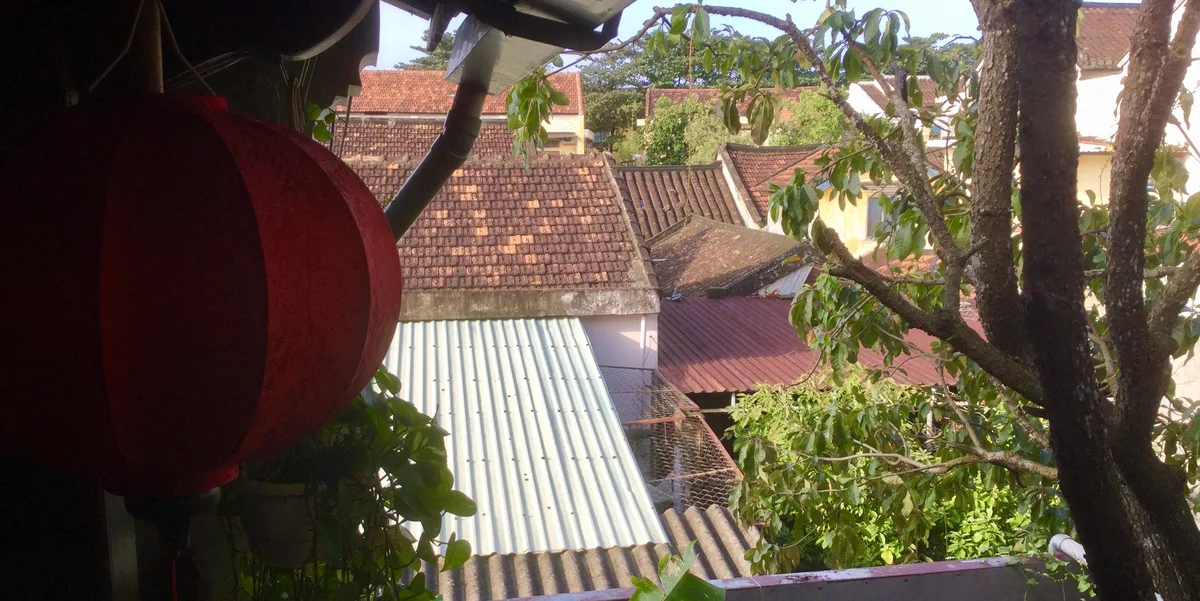
Common Types of Accommodation in Vietnam
Vietnam accommodation options generally fall into six practical categories, each suited to a different travel style. Knowing these categories in advance speeds up your search and simplifies comparing similar options. The list below covers typical prices and what each category usually includes. Comparing at least two categories side by side often reveals better value for the same budget.
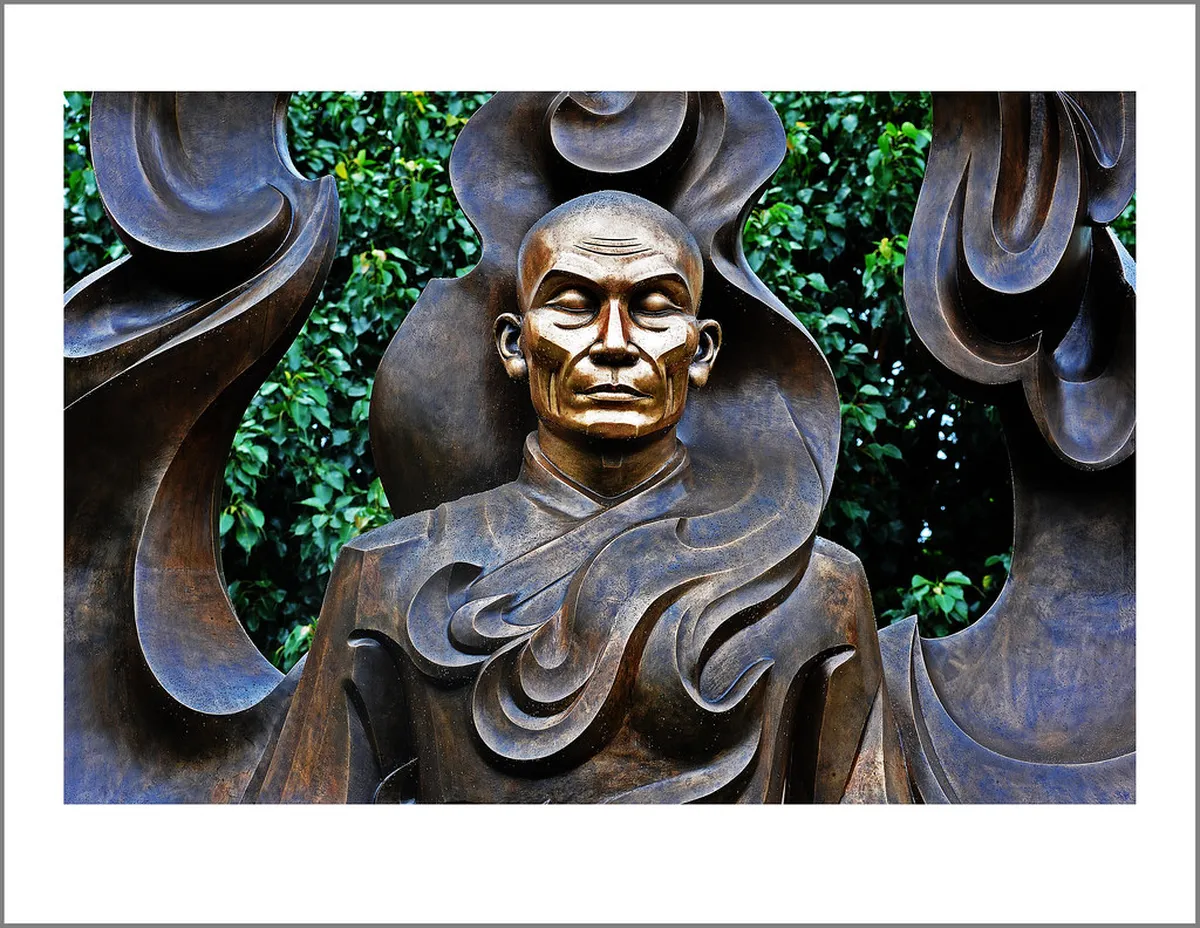
Serviced apartments also exist in bigger cities for travelers who want a kitchen and more space. Junk boat cruises on Halong Bay count as accommodation too, with an overnight cabin built into the price. Ecolodges near national parks or river deltas focus on nature access rather than city convenience. Ask about breakfast inclusion specifically, since policies differ even within the same category.
| Type | Price per Night | Best For | Key Features |
|---|---|---|---|
| Hostels | $3–8 | Solo backpackers | Dorm beds or private rooms; breakfast sometimes included |
| Homestays | $5–15 | Cultural immersion | Shared room, simple bedding; household customs apply |
| Budget Hotels | $10–20 | Couples and families | Private bath, air conditioning; common in city centers |
| Mid-range Hotels | $20–40 | Most independent travelers | Breakfast and sometimes pool; wide choice in most cities |
| Boutique & Heritage | $40+ | Design-focused travelers | Restored buildings, local design; concentrated in old quarters |
| Luxury Resorts | ~$200 | Honeymoons, special trips | Pools, spas, full service; often outside city centers |
Match category to trip length: short city breaks suit hotels, while longer routes suit a mix of styles. Mixing categories across a trip often balances cost and comfort better than picking just one type. Booking a few nights ahead and confirming the rest as you travel keeps plans flexible.
Reading recent guest reviews for each category helps confirm current cleanliness and service standards. Photos on booking platforms sometimes lag behind recent renovations, so reviews fill that gap. Cross-check at least two review sources before booking a stay you cannot see in person first.
Pairing accommodation choices with a clear route plan prevents wasted nights in the wrong city. Decide your overall route first, then book accommodation city by city instead of the whole trip at once. This approach keeps your stays aligned with how much time you actually spend in each place.
- Hostels for solo and social budget travelers
- Price: three to eight dollars
- Best for: solo backpackers
- Extras: breakfast sometimes included
- Rooms: dorm beds or privates
- Homestays for local, family-style experiences
- Price: five to fifteen dollars
- Best for: cultural immersion
- Setup: shared room, simple bedding
- Note: household customs apply
- Budget hotels for simple private rooms
- Price: ten to twenty dollars
- Best for: couples and families
- Includes: private bath, air conditioning
- Access: common in city centers
- Mid-range hotels for comfort and value
- Price: twenty to forty dollars
- Best for: most independent travelers
- Includes: breakfast, sometimes a pool
- Access: wide choice most cities
- Boutique and heritage hotels with character
- Price: forty dollars and up
- Best for: design-focused travelers
- Includes: restored buildings, local design
- Access: concentrated in old quarters
- Luxury resorts for beach or countryside escapes
- Price: around two hundred dollars
- Best for: honeymoons, special trips
- Includes: pools, spas, full service
- Access: often outside city centers
Boutique, Heritage, and Luxury Hotels in Vietnam
Boutique hotels focus on design, personal service, and a smaller number of rooms. Expect rates from about forty dollars a night, rising higher in Hoi An and central Hanoi. The trade-off is fewer amenities, like pools or gyms, compared with larger resort properties. Boutique stays suit travelers who value atmosphere over a long list of hotel facilities.
Heritage hotels occupy restored colonial-era buildings, often found in Hanoi, Hue, or Sapa. They cost more than standard mid-range rooms because of restoration upkeep and central locations. Access can mean older elevators, narrower stairs, or limited parking compared with modern builds. Choose a heritage stay when the building itself matters as much as the bed.
Luxury resorts cluster along the coast, including near the (in)famous China Beach in Da Nang, now a major resort strip. Beachfront luxury typically costs around two hundred dollars a night in high season. That price usually includes multiple pools, spa access, and direct beach frontage. Luxury resorts suit longer stays of four nights or more, since you pay partly for on-site amenities.
Pick boutique hotels for character on a mid-range budget, and heritage stays for history in a central location. Pick luxury resorts when relaxation matters more than sightseeing every single day. Budget for at least one splurge night, even if a tight itinerary favors budget hotels otherwise.
Luxury resorts and heritage hotels fill up fastest around Tet and other national holidays. Book these categories at least a month ahead if your trip falls during a major holiday period. Boutique hotels in smaller towns usually have more last-minute availability than resorts in major hubs.
Ecolodges, Homestays, and Junk Boat Cruises
Ecolodges and homestays reward travelers who plan slower routes through mountains, deltas, or national parks. In Sapa and Ha Giang, mountain home stays put you inside a local family's daily routine. Expect simple bedding, shared bathrooms, and meals cooked with produce grown nearby. Prices usually sit between five and fifteen dollars a night, often including one meal.
Remote regions like Dien Bien Phu still offer decent guesthouses despite limited tourist infrastructure. Access takes longer here, since flight and road schedules run less often than near major cities. Build a day or two of flexibility around remote stays in case transport connections shift. Confirm current road conditions locally before committing to a same-day onward journey.
Junk boat cruises on Halong Bay or Lan Ha Bay combine transport, meals, and an overnight cabin. A standard overnight cruise cabin sits in the same price range as a mid-range hotel room. Cabins are compact, so travelers who need extra space should check deck class before booking. Cruises work best as a two-night add-on rather than a full trip base.
Ecolodges and homestays trade convenience for authenticity, so pack insect repellent and a light jacket. Confirm which meals are included before arrival, since remote lodges may have limited food nearby. These stays fit best inside a longer three-week Vietnam itinerary, where slower regions have room to breathe.
Wifi and mobile signal can be weaker at remote ecolodges than in major cities. Download offline maps and let someone know your route before heading into mountain areas. This small step matters more in Ha Giang and other areas with limited cell coverage.
Choosing the Right Region for Your Stay
Vietnam's accommodation choices shift a lot between north, central, and south, both in price and style. Comparing northern, central, and southern Vietnam first narrows down which cities suit your trip. Hanoi's old quarter favors heritage and boutique stays, while Ho Chi Minh City leans toward modern mid-range hotels. Coastal Da Nang and Nha Trang concentrate luxury resorts closer to the beach.
Weather changes accommodation demand and pricing throughout the year in every region. Checking the best time to visit by region helps you avoid booking during local peak season. Rooms in beach towns cost more from December through February, when dry season draws bigger crowds. Northern mountain homestays get busier in autumn, when trekking conditions feel most comfortable.
Transport links also shape where to stay, especially on multi-city trips by train or bus. Reviewing the Vietnam Transport Guide: Trains, Buses, Flights & Grab helps you pick hotels near stations or bus hubs. Staying near a train station can save an hour or more compared with a hotel across town. For short stops, prioritize proximity over extra amenities to protect your travel schedule.
In bigger cities, staying within walking distance of the old quarter usually beats a cheaper room further out. Traffic in Hanoi and Ho Chi Minh City can turn a short distance into a slow, noisy ride. Balance nightly savings against the extra time and hassle of longer daily commutes. Weigh this trade-off honestly, since sleep quality affects the rest of each travel day.
Travelers flying between cities often value hotels close to the airport for early departures. Airport-area hotels rarely offer the same atmosphere as an old quarter stay, so weigh convenience against charm. A single night near the airport before an early flight can prevent a stressful, rushed morning.
Know Before You Go: Registration and Customs
Vietnamese law requires hotels to register every guest with the authorities, so expect a passport check at check-in. Staff may hold your passport briefly for registration, then return it or give you a photocopy. This process is standard practice and does not signal any problem with your booking. Carry a printed reservation and your passport details ready to speed up check-in.
Vietnam has copycat hotel names in popular tourist areas that confuse taxi and cyclo drivers. Write down your hotel's exact street name and number before arriving, then show that address to your driver rather than relying on the hotel name alone.
Vietnam has copycat hotel names in popular tourist areas, which can confuse taxi and cyclo drivers. Write down the exact street name and number of your hotel before you arrive. Show that written address to your driver rather than relying on the hotel name alone. This small habit avoids being dropped at a similarly named, lower-quality property.
Room categories do not always match what the label suggests, so confirm the bed setup directly. A single room might have one bed or two, and a double can mean several arrangements. Ask to see the room before paying, especially at budget guesthouses without listed photos. This step matters most for groups or families who need a specific number of beds.
Respect household routines when staying in a homestay, including quiet hours and removing shoes indoors. Small gestures, like greeting hosts and asking before using shared spaces, go a long way. These habits keep budget-friendly, deeply local stays welcoming for future guests too. A quick thank-you in Vietnamese, like cam on, is often appreciated by hosts.
Most budget guesthouses expect payment at checkout rather than in advance. Some rural or remote stays may request a small deposit or full payment on arrival instead. Keep a mix of cash and card ready, since rural areas do not always accept cards.
Serviced Apartments for Longer Stays
Serviced apartments are a practical alternative to hotels for longer stays in Hanoi, Ho Chi Minh City, and Da Nang. They typically provide a kitchen, washing machine, living area, and weekly housekeeping, making them useful for families, remote workers, and travelers spending a week or more in one city.
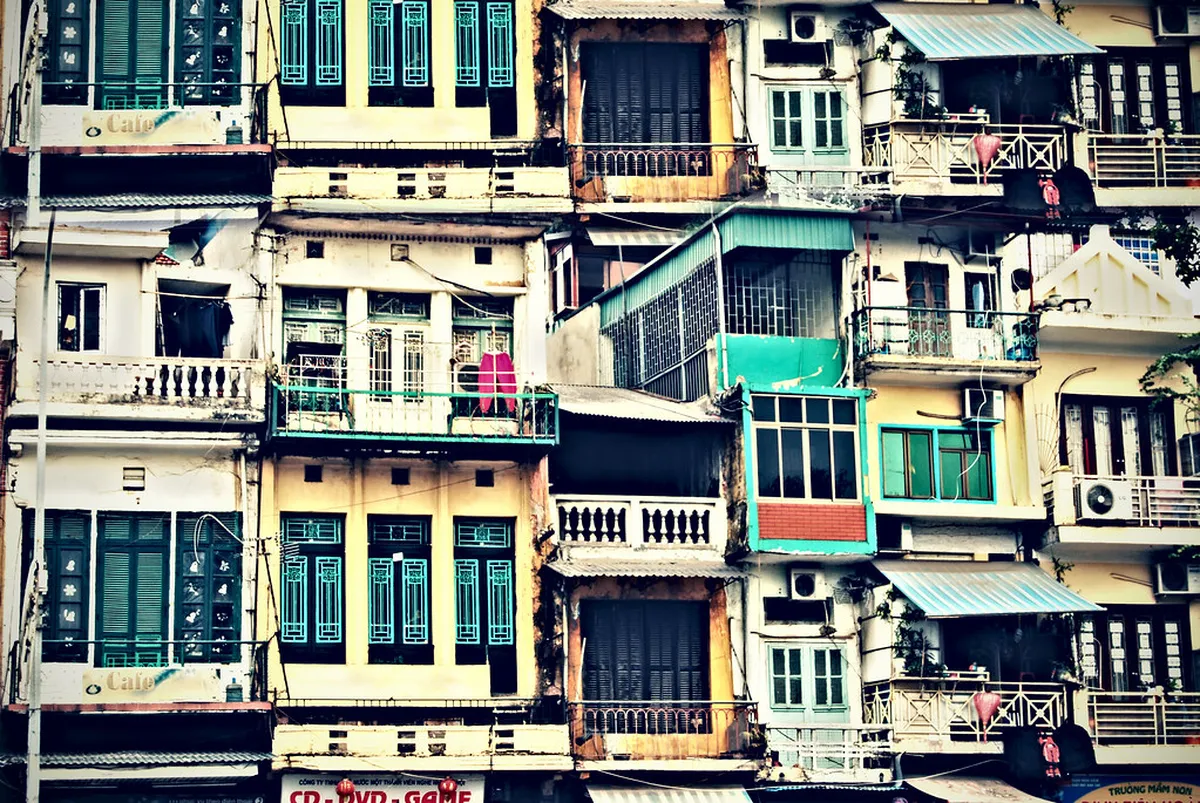
Location matters as much as the apartment itself. In Ho Chi Minh City, District 1 offers convenient sightseeing but more traffic and nightlife noise, while Thao Dien in Thu Duc City has larger apartments and international services farther from the historic center. In Hanoi, Tay Ho provides more space and a quieter lakeside setting, whereas Hoan Kiem is better for short sightseeing-focused stays. Da Nang apartments around My Khe Beach suit travelers who want beach access and inexpensive local dining nearby.
Before booking, confirm that the host can register foreign guests with local authorities. Also check whether electricity, water, cleaning, and late check-in are included; longer-stay listings may handle these differently from hotels. Ask about construction noise, elevator access, kitchen equipment, and the exact building address before paying a non-refundable deposit.
Official Planning Checks Before You Go
Consult Vietnam Tourism’s official trip-planning guide and the official Vietnam itinerary collection. Use these sources to align a stay with the route and destination. Availability, cancellation terms, taxes, facility access, and room details must be confirmed on the property’s live booking page.
Frequently Asked Questions
Which part of Vietnam is best to stay in?
Hanoi's old quarter suits heritage and boutique stays, while Ho Chi Minh City offers modern mid-range hotels. Central coastal towns like Da Nang and Nha Trang concentrate beach resorts near the water. Compare regions before booking, since prices and room styles vary widely across the country.
Is $1000 enough for two weeks of Vietnam accommodation and travel?
A thousand dollars can cover two weeks of accommodation if you mix budget hotels with a few mid-range nights. Rooms average roughly fifteen to thirty dollars a night outside luxury categories. That budget leaves room for meals, transport, and entrance fees across a two-week trip.
What is one of the biggest mistakes travelers make with Vietnam accommodation?
One common mistake is booking based on the hotel name alone in areas with copycat properties. Confirm the exact street address and write it down before your trip. Skipping review checks or booking without a passport ready for check-in also causes avoidable delays.
How much should travelers budget per night for Vietnam accommodation?
Budget travelers can expect three to twenty dollars a night for hostels, homestays, or simple hotels. Mid-range comfort typically costs twenty to forty dollars, while boutique stays start around forty dollars. Luxury beach resorts can reach roughly two hundred dollars a night in high season.
Do Vietnam hotels require passport registration at check-in?
Yes, Vietnamese law requires properties to register every guest with local authorities at check-in. Staff usually hold your passport briefly, then return it or give you a photocopy instead. Keep printed booking confirmations handy to make check-in faster at busy properties.
Vietnam accommodation rewards a little planning more than a big budget. Match your budget band to your travel style, whether that means a hostel bunk, a homestay, or a boutique room. Book with review-score and distance filters, then confirm details directly with the property before you travel.
Keep passport copies handy for check-in, and write down exact addresses to avoid copycat hotel confusion. For more route planning, browse the Viet Unfold travel blog for connected itineraries and regional guides. With the right accommodation mix, your trip stays comfortable, on budget, and easy to navigate.
Take the route offline
Free: the Vietnam route starter
A two-week south-to-north route with real nightly rates by city, what to book first and how far ahead, region-by-region timing, and the transport costs between each leg — drawn from our published guides.
Keep unfolding Vietnam
Continue along the route
Three nearby guides for the next decision in your trip.


