

Vietnam Travel Budget: Complete Guide
Plan your Vietnam travel budget with pricing breakdowns, money-saving tips, and daily cost estimates for backpackers, mid-range, and luxury travelers.
On this page
Vietnam ranks among Asia's most affordable destinations for travelers of all budgets. From backpackers to luxury seekers, the country delivers value because its cost of living remains low and accommodations range widely. Last updated July 2026. Understanding your daily costs upfront prevents overspending and helps you choose the right neighborhoods, meals, and experiences.
Budget travelers spend $30–50 per day, while mid-range visitors budget $60–100 daily. Luxury travelers typically allocate $150+ per day for premium hotels and dining. These ranges include lodging, food, local transport, and attraction entry fees. Your actual costs depend on travel season, city choice, and personal spending habits.
This guide breaks down exact expenses by category with prices in both Vietnamese Dong (VND) and USD. You'll find specific venues, money-saving tactics, and cost factors that shift your budget. Use these frameworks to plan confidently and adjust ranges based on your trip length and preferences.
Key Takeaways
- Vietnam ranks among Asia's most affordable destinations for travelers of all budgets.
- From backpackers to luxury seekers, the country delivers value because its cost of living remains low and accommodations range widely.
- Understanding your daily costs upfront prevents overspending and helps you choose the right neighborhoods, meals, and experiences.
- Budget travelers spend $30–50 per day, while mid-range visitors budget $60–100 daily.
Take the route offline
Free: the Vietnam route starter
A two-week south-to-north route with real nightly rates by city, what to book first and how far ahead, region-by-region timing, and the transport costs between each leg — drawn from our published guides.
How Much Does a Trip to Vietnam Cost?
Vietnam's affordability stems from low wages, regulated prices, and competition among service providers. A backpacker sleeping in a hostel dorm, eating street food, and using local buses can travel for $30–50 per day. Mid-range travelers booking 3-star hotels and eating restaurant meals spend $60–100 daily. Luxury travelers choosing boutique hotels and fine dining allocate $150+ per day.
Daily costs vary by city and travel season. Hanoi and Ho Chi Minh City cost 20–30% more than smaller cities like Nha Trang or Hoi An. Peak season (November–February) increases prices for lodging and tours by 30–50% compared to off-season. Exchange rates shift monthly, so check current rates before converting your budget.
The budget table below shows realistic ranges for three traveler profiles. Each tier names a typical accommodation type so you know what to expect. Prices convert at approximately VND 24,000–25,000 to USD 1 (July 2026 rate). All figures represent per-person daily costs on average trips through mixed regions.
| Budget Tier | Lodging | Food | Transport | Attractions | Daily Total |
|---|---|---|---|---|---|
| Budget (Hostel dorm) | ₫480,000–720,000 / $20–30 | ₫360,000–600,000 / $15–25 | ₫120,000–180,000 / $5–8 | ₫120,000–240,000 / $5–10 | ₫1,080,000–1,740,000 / $45–72 |
| Mid-range (3-star hotel) | ₫1,200,000–1,680,000 / $50–70 | ₫600,000–960,000 / $25–40 | ₫180,000–300,000 / $7–12 | ₫300,000–480,000 / $12–20 | ₫2,280,000–3,420,000 / $95–142 |
| Luxury (Boutique hotel) | ₫2,400,000–3,600,000 / $100–150 | ₫1,200,000–1,800,000 / $50–75 | ₫240,000–360,000 / $10–15 | ₫600,000–960,000 / $25–40 | ₫4,440,000–6,720,000 / $185–280 |
Daily Budget Breakdown by Category
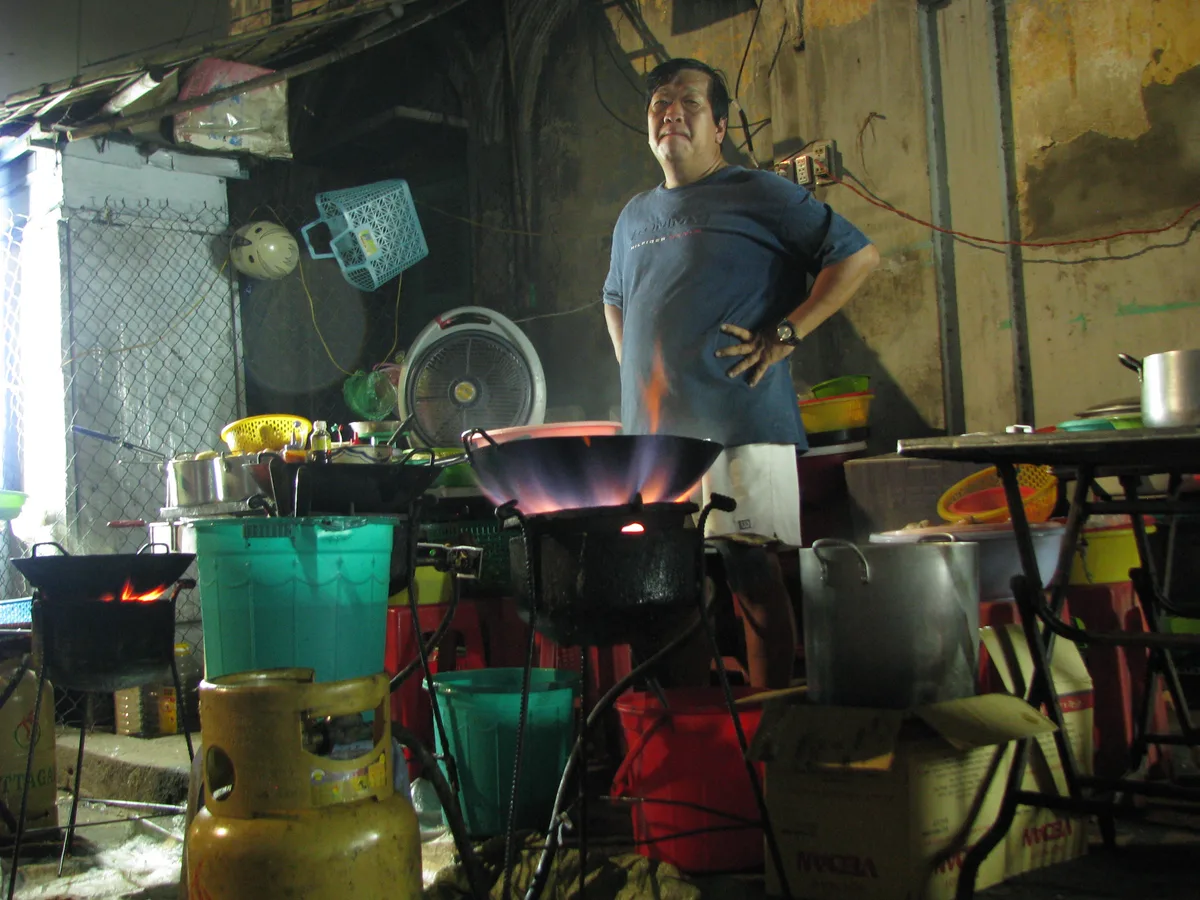
Lodging typically claims the largest share of daily expenses. Hostel dorms in central Hanoi and Ho Chi Minh City run ₫480,000–720,000 ($20–30) per night. Private rooms in 3-star hotels cost ₫1,200,000–1,680,000 ($50–70) nightly. Luxury options, including LUXURY Backpackers Hotel, offer premium comfort at higher rates.
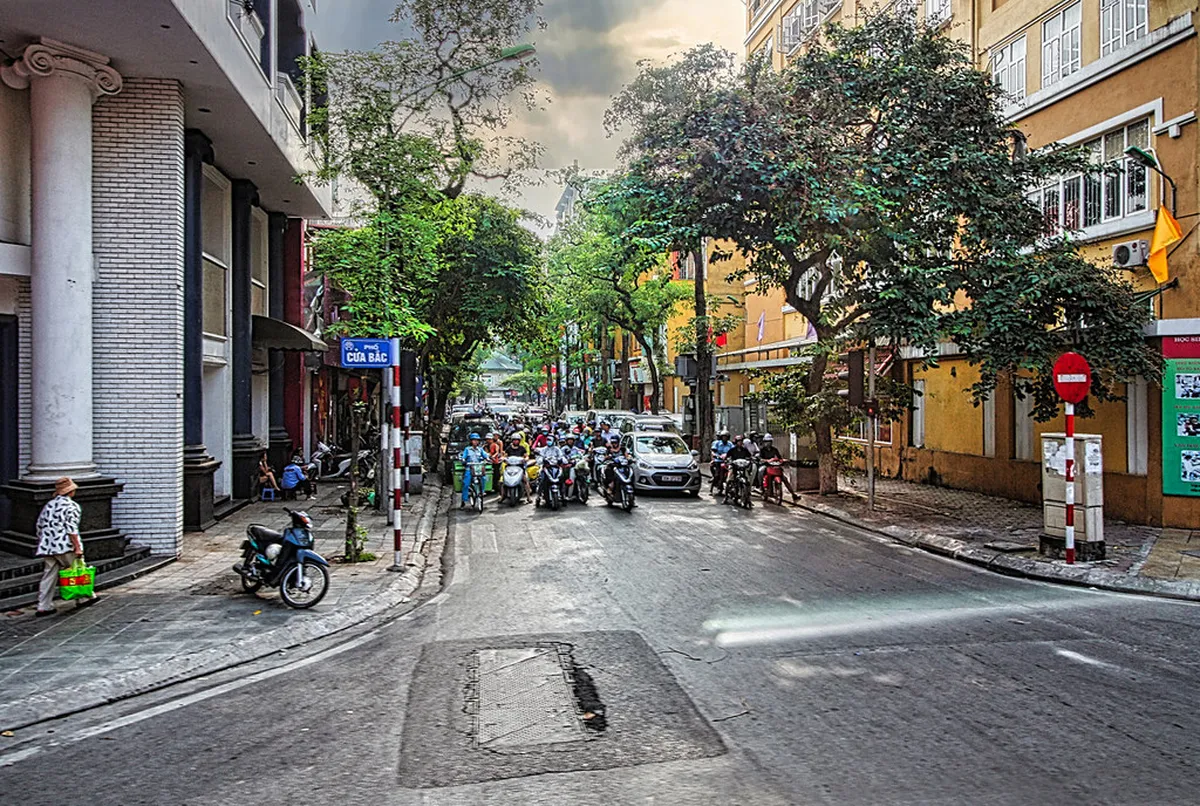
Food expenses depend entirely on where and what you eat. Street pho or banh mi costs ₫30,000–60,000 ($1.25–2.50) per meal. Restaurant meals in tourist zones run ₫180,000–360,000 ($7.50–15) per plate. Budget travelers eating local street food spend ₫360,000–600,000 ($15–25) daily; mid-range diners spend ₫600,000–960,000 ($25–40).
Local transport is Vietnam's greatest value advantage. City buses cost ₫5,000–10,000 (20–40¢) per ride in most cities. Overnight buses between Hanoi and Ho Chi Minh City run ₫360,000–600,000 ($15–25) and save on lodging costs. Budget-friendly sleeper buses offer both transport and accommodation in one trip.
Attraction costs vary widely between free and paid experiences. Halong Bay cruises range ₫600,000–1,200,000 ($25–50) for group tours. Museum entries cost ₫60,000–120,000 ($2.50–5) typically. Many temples and natural sites charge zero entry, making exploration affordable.
- Cost breakdown for budget travelers
- Hostel dorm: 40% of daily budget
- Street food meals: 35% of daily budget
- Local buses and walking: 15% of daily budget
- Free/low-cost activities: 10% of daily budget
Sample Daily Budget Plans
Real itineraries help you visualize spending across actual activities. The three samples below cover backpacker, mid-range, and luxury travel types. Each includes specific meal costs and transportation choices. Use these as templates and adjust based on your actual preferences and pace.
A backpacker's day starts at a hostel dorm in Hanoi's Old Quarter. Breakfast from a street cart costs ₫30,000 ($1.25). A self-guided walking tour of the Old Quarter is free; lunch from a local pho shop costs ₫45,000 ($1.90). First-time travelers can negotiate tour prices down by 15–20% through hostel staff.
Afternoon activities include a free visit to Hoan Kiem Lake and shopping at Hang Da market. Dinner from a restaurant costs ₫90,000 ($3.75). Evening group activities at the hostel bar include free beer or a small drink purchase. Daily total: ₫720,000 lodging + ₫240,000 food + ₫60,000 transport + ₫30,000 attractions = ₫1,050,000 ($43–44 per person).
A mid-range traveler books a 3-star hotel with breakfast included. Breakfast at the hotel is included; late morning coffee at a cafe costs ₫60,000 ($2.50). Lunch at a nice local restaurant costs ₫180,000 ($7.50). A half-day guided temple tour costs ₫300,000 ($12.50).
Dinner at a mid-range restaurant costs ₫240,000 ($10). Evening entertainment might include a water puppet show at ₫120,000 ($5). Daily total: ₫1,440,000 lodging + ₫660,000 food + ₫120,000 transport + ₫420,000 attractions = ₫2,640,000 ($110 per person).
Luxury travelers book boutique hotels with premium amenities. Breakfast at the hotel is included; midday at a cafe with river views costs ₫120,000 ($5). Lunch at an upscale restaurant costs ₫420,000 ($17.50). A private guide for the day costs ₫600,000 ($25).
Dinner at a fine dining establishment costs ₫600,000 ($25). Spa treatment or massage upgrade costs ₫240,000 ($10). Daily total: ₫2,880,000 lodging + ₫1,380,000 food + ₫240,000 transport + ₫840,000 attractions = ₫5,340,000 ($222 per person).
- Sample backpacker daily plan (Hanoi)
- 6 AM: Street breakfast pho (₫30,000)
- 9 AM: Walk Old Quarter and Hoan Kiem Lake free
- 12 PM: Local lunch at pho stand (₫45,000)
- 3 PM: Free market browsing and cafe (₫30,000)
- 6 PM: Hostel dinner (included) or street food
- 8 PM: Free hostel evening activities
Free or Low-Cost Things to Do
Vietnam offers abundant free or near-free activities that don't require paid tours. Walking through neighborhoods costs nothing and reveals local daily life. Market visits like Dong Xuan in Hanoi or Ben Thanh in Ho Chi Minh City are free to browse. Many museums and temples charge zero entry during local holidays or on specific weekdays.
Historic sites provide free exploration without guide fees. The Hoan Kiem Lake shorepath in Hanoi is a popular free gathering spot for sunrise walks. Hoi An's Ancient Town charges ₫120,000 ($5) entry, but surrounding neighborhoods are walkable and free. Cyclo rides through rural areas cost ₫60,000–120,000 ($2.50–5) through local operators.
Hostel-organized activities often include free evening events. Hanoi Backpacker's Hostel (Downtown) hosts free nightly trivia and quiz competitions. Many hostels offer free breakfast or walking tours for multi-night stays. Beach access in Da Nang, Nha Trang, and Phu Quoc is entirely free for self-guided exploration.
Neighborhood wandering reveals pagodas, parks, and street food scenes. Tran Phu beach walk in Da Nang is free and scenic for sunset viewing. Hiking to local viewpoints like Sunaga Peak near Da Lat costs nothing; transportation is ₫30,000–60,000 ($1.25–2.50). Multi-day itineraries can incorporate free nature exploration with paid adventure activities.
- 8 free or low-cost must-try experiences
- Sunrise walk at Hoan Kiem Lake, Hanoi—free
- Explore Old Quarter alleyways by foot—free
- Visit Ben Thanh Market in Ho Chi Minh City—free
- Tran Phu beach walk and sunset in Da Nang—free
- Temple and pagoda visits in most areas—free
- Local coffee cafe sitting and people-watching—₫30,000–60,000
- Cyclo ride through neighborhoods—₫60,000–120,000
- Hostel evening activities and quiz nights—free or ₫30,000
How to Save Money on Every Category
Eating lunch earlier in the day cuts food costs dramatically. Local lunch specials (equivalent to European menu del día) run ₫45,000–90,000 ($1.90–3.75) at family restaurants. Dinner at the same venue costs 50–100% more, making early dining a proven strategy. Street food vendors offer the absolute lowest prices: banh mi sandwiches cost ₫30,000–45,000 ($1.25–1.90) and satisfy for hours.
Eating lunch instead of dinner saves 50–100% at the same restaurant. Local lunch specials cost ₫45,000–90,000 ($1.90–3.75), while street food banh mi costs ₫30,000–45,000 ($1.25–1.90).
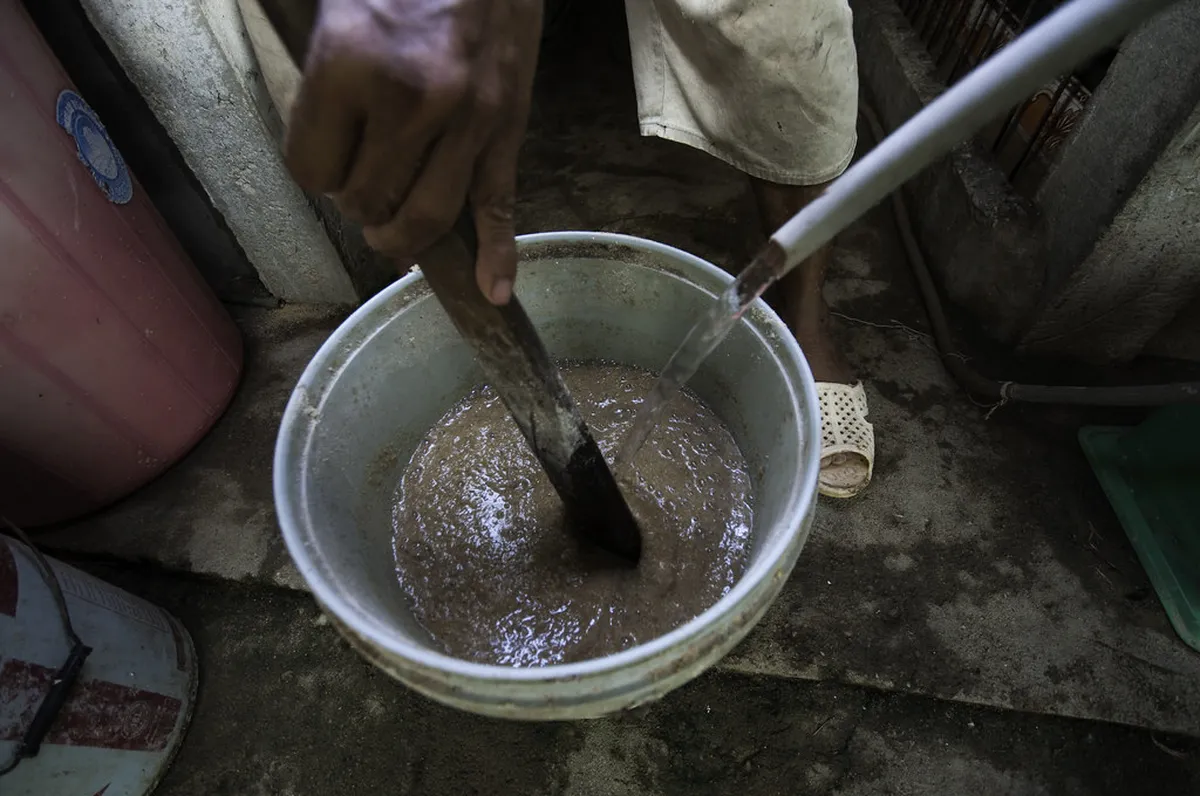
Transportation costs drop with advance planning and multi-day passes. City buses cost ₫5,000–10,000 (20–40¢) per ride; buying a 10-ride card saves 10–15%. Overnight trains to neighboring cities save lodging costs while covering distance. Booking buses midweek (Tuesday–Thursday) is 10–20% cheaper than weekend departures.
Accommodation booking lead time matters significantly for budget travelers. Booking hostels 2–4 weeks ahead locks in 15–25% discounts versus walk-ins. Staying 3+ nights at one hostel often includes a free breakfast or discount on nightly rates. Choosing neighborhoods 15 minutes' walk from tourist centers saves ₫120,000–240,000 ($5–10) per night.
Tour negotiation is expected and accepted in Vietnam. Group tours cost 30–50% less per person than private guides. Haggling tour prices down 15–20% is normal; ask hostel staff for current market rates. Booking tours directly through operators (not via hotels) cuts middleman fees by 20–30%.
Payment methods influence total spending through fees and exchange rates. ATM withdrawals charge ₫15,000–30,000 ($0.65–1.25) per transaction; withdraw larger amounts fewer times. Credit card payments at restaurants often add 3–5% surcharges; ask before ordering. Vietnamese Dong cash gets better exchange rates than USD or EUR conversion on-site.
- 5 proven money-saving tactics
- Eat lunch at ₫45,000–90,000 instead of dinner
- Take night buses to save on lodging
- Book 2–4 weeks ahead for hostels
- Use city bus cards for 10–15% discounts
- Negotiate tours 15–20% below asking price
4 Factors That Change Vietnam Travel Costs
Seasonal pricing is the single largest variable in your budget. Peak season (November–February) brings 30–50% price hikes for hotels and tours. Shoulder season (March–April and September–October) balances prices with good weather. Off-season (June–August and September) drops prices 20–40% but includes heavy rain and typhoon risks.
Peak season (November–February) brings 30–50% price hikes for hotels and tours. Off-season (June–August) drops prices 20–40% but includes heavy rain. Shoulder season (March–April, September–October) balances prices with good weather.
City choice dramatically shifts daily costs across all categories. Hanoi and Ho Chi Minh City run 20–30% more expensive than Nha Trang, Hoi An, or Da Lat. Tourist hotspots like Halong Bay charge premium prices for accommodations and activities. Rural areas and smaller towns offer 30–50% lower costs for food and lodging.
Booking timing and platform selection influence prices significantly. Hotel bookings made 30+ days ahead save ₫240,000–480,000 ($10–20) per night. Last-minute walk-ins pay 20–40% premiums at established hotels. Tour platforms like Viator or Klook often show different pricing than local operators.
Trip length affects daily spending averages through fixed costs. 1-week trips have higher per-day costs because transit time consumes more of your budget. Multi-week trips allow longer stays per city, reducing per-day transport costs. Day trips from a base city cost ₫180,000–360,000 ($7.50–15) in transportation; longer stays amortize this across more days.
- Cost variation by season and location
- Peak Nov–Feb: +30–50% higher prices
- Off-season Jun–Aug: 20–40% cheaper
- Hanoi/HCMC: 20–30% pricier than provinces
- Tourist towns: 15–25% premium vs rural areas
What's Included in These Budget Estimates
These budget ranges assume specific categories of spending and exclude others. Included: nightly lodging, meals, local transport (buses, cyclos, trains), attraction entry fees, and local SIM cards. Excluded: international flights, visa fees (if applicable), travel insurance, and shopping or souvenirs. Understanding what's in and out helps you adjust ranges to match your personal priorities.
Optional costs sit outside the daily budget but may apply to your trip. Domestic flights between cities add ₫600,000–1,200,000 ($25–50) per flight. Multi-day adventure tours (rock climbing, diving, trekking) cost ₫1,200,000–2,400,000 ($50–100) per day. Overnight trains or buses consume a lodging budget line but save that same amount elsewhere.
Trip length shapes your daily average significantly. A 3-day trip spreads transport costs thinly and raises daily averages by 10–15%. A 30-day trip amortizes transport and setup costs, lowering daily averages by 15–20%. Seasonal packing choices affect shopping costs and luggage space for local purchases.
Currency exchange rates shift daily and affect final costs. VND to USD rates typically fluctuate ₫200–500 per dollar monthly. Locking in rates through ATM withdrawals early (in bulk) reduces exposure to mid-trip rate changes. Monitor rates 1–2 weeks before departure to plan withdrawals during favorable windows.
- Budget estimate components included and excluded
- ✓ Included: lodging, meals, local buses, attractions
- ✓ Included: SIM cards and WiFi top-ups
- ✗ Excluded: international flights and visas
- ✗ Excluded: travel insurance and souvenirs
- ? Optional: domestic flights, adventure tours, spas
Pre-Trip Costs to Add Before Setting Your Daily Budget
Daily spending estimates do not cover several fixed costs that can materially change the total trip budget. Check visa requirements for your passport through Vietnam’s official Immigration Department website before booking. Eligibility, permitted stay, entry type, and processing requirements vary by nationality; use the official portal rather than an unofficial visa agency that may add service fees.

International airfare is another separate expense. Compare the full cost of arriving at Noi Bai International Airport in Hanoi, Tan Son Nhat International Airport in Ho Chi Minh City, or Da Nang International Airport. A cheaper flight can become less attractive after checked-baggage charges, airport transfers, or an overnight connection are included.
Also reserve money for travel insurance covering medical treatment, emergency evacuation, trip disruption, and any planned activities such as motorbike riding or trekking near Sapa. Read exclusions carefully because standard policies may not cover riding without the correct licence or helmet. Finally, budget for airport transport, an initial SIM or eSIM, and enough Vietnamese dong for the first day; these setup costs should sit outside your accommodation, food, attraction, and local-transport allowance.
Official Planning Checks Before You Go
Use the Vietnam Tourism trip-planning portal for destination context and the Vietnam Tourism destination directory for a second official baseline. Recheck any opening hour, fare, timetable, closure, access rule, weather risk, or booking condition with the responsible operator shortly before travel; an official destination overview is not a live inventory or service guarantee.
Frequently Asked Questions
Is $100 USD a lot in Vietnam?
$100 USD (approximately ₫2,400,000) exceeds the daily budget for most travelers. This amount covers a mid-range experience with a comfortable 3-star hotel, restaurant meals, and paid attractions for one person per day. Backpackers live on half this budget; luxury travelers spend 50–150% more. Your spending power depends on location and dining choices.
Is $1,000 enough for two weeks in Vietnam?
$1,000 (approximately ₫24,000,000) covers a 14-day budget backpacking trip, equating to roughly $71 per day including lodging, food, and transport. This requires staying in hostels, eating street food, and using buses instead of flights. Mid-range travelers would allocate $1,400–2,000 ($100–143 daily) for the same period. Budget stretches furthest in off-season months (June–August).
How much money do I need for 7 days in Vietnam?
Seven days in Vietnam costs $210–1,050 USD depending on your tier: budget travelers spend $30–50 daily ($210–350 total), mid-range travelers budget $60–100 daily ($420–700), and luxury travelers allocate $150+ daily ($1,050+). These figures exclude international flights and visas but include lodging, meals, local transport, and attraction fees. A structured itinerary helps allocate days across regions and manage costs.
What costs the most in Vietnam travel?
Lodging typically consumes 40–50% of daily budgets, especially if you prioritize comfort and central locations. Multi-day paid tours (Halong Bay cruises, adventure activities) represent the second-largest expense at ₫600,000–1,200,000 ($25–50) per experience. Food and transport account for 30–40% combined. Strategic choices in neighborhoods and activity selection have the biggest impact on total spending.
Vietnam's cost of living gives travelers genuine control over daily spending. A backpacker spending $40–50 daily enjoys the same meals, transport, and activities as a budget-conscious mid-ranger, just with shared accommodation. The difference is access to comfort, not access to experiences.
Start with the budget tier closest to your preferences and adjust upward or downward based on must-have activities and regional choices. Book lodging and transportation 2–4 weeks ahead to lock in lower rates. Your budget is flexible; use the factors outlined here to recalculate and plan confidently before departure.
Take the route offline
Free: the Vietnam route starter
A two-week south-to-north route with real nightly rates by city, what to book first and how far ahead, region-by-region timing, and the transport costs between each leg — drawn from our published guides.
Keep unfolding Vietnam
Continue along the route
Three nearby guides for the next decision in your trip.


