

Photo: adeshfr via Flickr (CC BY 2.0)
Vietnam in January 2026: Regional Weather & Routes
Plan Vietnam in January with 2026 regional weather guidance, north-to-south route choices, packing priorities, and a year-specific Tết travel checklist.
On this page
Vietnam in January is not one weather experience. Hanoi and the northern mountains can be cold and misty, Hue and Hoi An may still feel cool or unsettled, while Ho Chi Minh City and Phu Quoc are usually in a drier, warmer pattern. The best route depends on whether you value winter atmosphere, cultural stops, or reliable beach time.
This 2026 planning guide turns those regional differences into practical route decisions. It also treats Tết correctly: Lunar New Year shifts between January and February, so its effect must be checked for the year you travel. Use this article with the main Vietnam itinerary guide once you choose a weather strategy.
Key Takeaways
- Choose southern Vietnam and Phu Quoc when warmth and dry-weather reliability matter most.
- Choose Hanoi and Ninh Binh for culture, but carry real layers and expect mist rather than guaranteed blue skies.
- Treat Hue, Da Nang, and Hoi An as culture-led January stops; do not build the trip around guaranteed beach weather.
- Check the Lunar New Year date and official holiday schedule for your travel year before buying separate transport tickets.
- A north-to-south wardrobe needs a warm layer, light rain protection, and hot-weather clothing in the same bag.
Take the route offline
Free: the Vietnam route starter
A two-week south-to-north route with real nightly rates by city, what to book first and how far ahead, region-by-region timing, and the transport costs between each leg — drawn from our published guides.
Is Vietnam in January a Good Time to Visit?
Yes, especially for a south-focused route. January commonly brings warm, drier conditions to Ho Chi Minh City, the Mekong Delta, and Phu Quoc. Northern Vietnam can be cold and misty, while central conditions vary. Build by region rather than expecting one national forecast.

January's advantage is choice. You can pursue winter city atmosphere in the north, a mixed culture route through the center, or more dependable tropical weather in the south. Its main planning risks are fog-sensitive scenery, cold mountain nights, residual central rain, high-season demand, and a possible Tết overlap depending on the year.
The official Vietnam Tourism climate guide makes the regional split clear: Hanoi can fall to around 10°C in the cooler period, Hue may be wet and cool, Ho Chi Minh City stays near 30°C, and Phu Quoc is typically hot and dry in December and January. These are planning patterns, not a forecast for your exact dates.
January Weather by Region—and the Route Decision
| Region | Typical January planning pattern | Best route use | Main risk |
|---|---|---|---|
| Hanoi, Ninh Binh, Ha Long Bay | Cool, often dry, with mist or overcast periods | Culture, food, temples, atmospheric landscapes | Cold boats and viewpoints hidden by fog |
| Sapa and northern mountains | Cold; frost or occasional snow is possible at elevation | Winter scenery and village-based trips | Low visibility, cold rooms, slippery roads |
| Hue, Da Nang, Hoi An | Cooler transition from the late central rainy season | Heritage, food, museums, flexible outdoor blocks | Cloud, showers, rough sea, residual disruption |
| Nha Trang and south-central coast | Generally sunnier than the Hue–Hoi An corridor | Beach time without flying as far south as Phu Quoc | Daily sea conditions still vary |
| Da Lat and Central Highlands | Drier, mild days with cooler evenings | Coffee country, gardens, walking | Travelers underestimate night-time chill |
| Ho Chi Minh City and Mekong Delta | Warm and typically drier | City-and-river routes with reliable outdoor time | Heat, high demand, holiday transport pressure |
| Phu Quoc | Hotter, drier beach-season pattern | Beach finish after a southern route | Peak-season prices and limited late inventory |
Compare this snapshot with the fuller Vietnam regional weather guide. A country-spanning trip should still check short-range forecasts at each stop; Vietnam's long shape means one storm system or cold surge will not affect every destination equally.
Northern Vietnam: Choose Atmosphere Over Guaranteed Views
Hanoi works well in January if you are prepared for cool mornings and grey skies. Walking the Old Quarter, eating hot noodle dishes, and visiting museums do not require perfect visibility. Pack a warm mid-layer and a rain-resistant outer shell rather than assuming Southeast Asia will feel tropical.
Ninh Binh remains a reasonable add-on because karst boat routes can look atmospheric in mist. Keep a land-based alternative for dense fog or persistent drizzle. Ha Long Bay requires a more deliberate choice: the official tourism guide warns that January can feel frigid on the water and that mist is common outside its sunnier windows. Book a cruise for the onboard experience as well as the view, and leave schedule room for a weather-related adjustment.
Sapa and Ha Giang are not winter versions of their green rice-terrace photographs. Vietnam Tourism notes that Sapa can see occasional January snow. Terraces may be brown or fallow, high roads can be cold and slippery, and visibility may shrink. Go only if winter mountain conditions are part of the appeal. Travelers chasing lush fields should choose a different season.
Keep one flexible day in Hanoi between a weather-sensitive mountain or cruise trip and a flight. Separate, tightly timed tickets are fragile when fog, road conditions, or marine restrictions change.
Central Vietnam: Build a Culture Route with a Weather Buffer
Central Vietnam needs more nuance than “January is dry.” Hue has a later wet season than much of the country, and the official guide describes wet, cool conditions from September into February, with January mist and temperatures that can fall to about 15°C. Hoi An also reaches one of its cooler periods in January after its rainier late-year months.
That does not make the region a bad choice. Imperial sites in Hue, Hoi An's heritage lanes, Da Nang's museums, and food routes work in cool conditions. It does mean beach afternoons, Hai Van Pass views, and boat activities need flexible placement. Use two nights per main base and avoid putting the only outdoor highlight immediately before a flight.
Nha Trang is the better January coast bet within central and south-central Vietnam. Vietnam Tourism describes January through August there as generally hot, sunny, and clear. Da Lat provides a different alternative: mild days, cool nights, and a drier highland break. Choose one based on whether you want sea or mountains, rather than adding both to a short itinerary.
For a connected route, travel Hanoi → Hue or Da Nang → Hoi An, then fly south. The north-to-south route guide explains the transport backbone. In January, add a buffer rather than an extra attraction to the central leg.
Southern Vietnam: Best for Weather-First Planning
Ho Chi Minh City, the Mekong Delta, and Phu Quoc form the strongest January combination for travelers prioritizing warmth. Vietnam Tourism describes southern temperatures as consistently around 30°C, with the wetter pattern concentrated from May to November. Mornings are still preferable for long walks and river excursions before the day heats up.
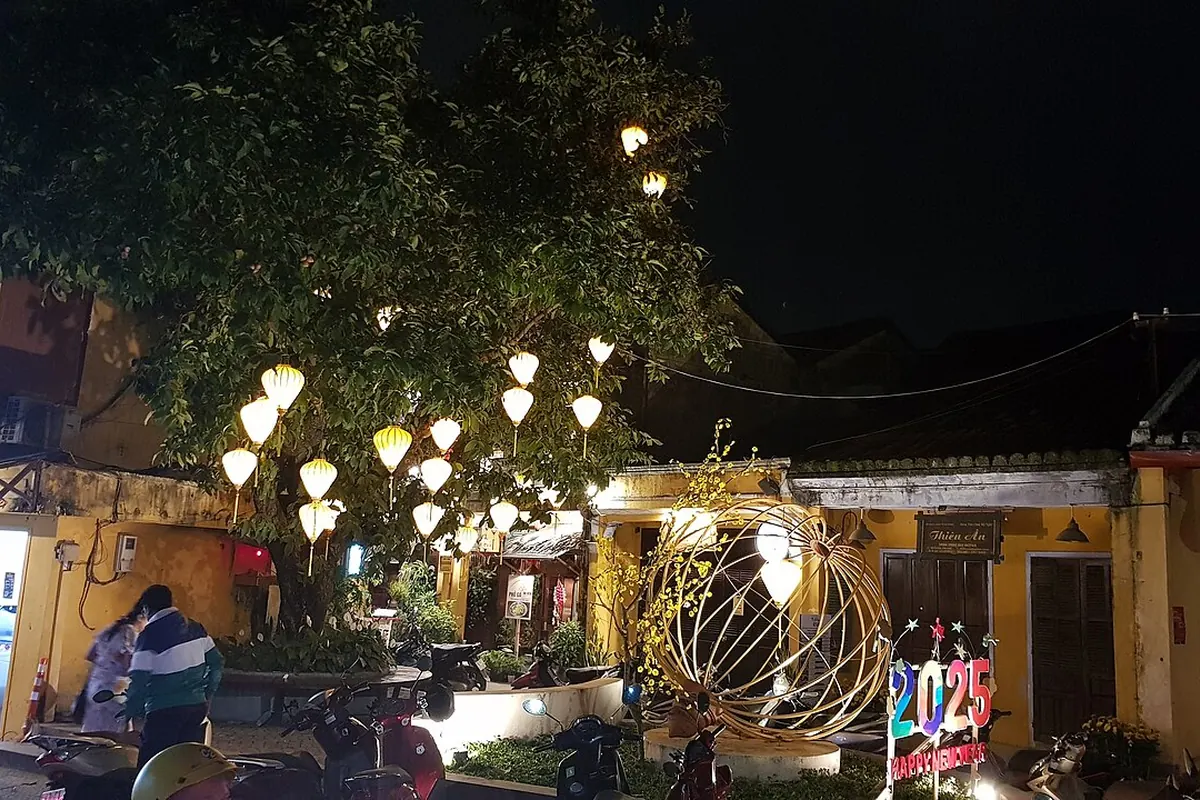
Use Ho Chi Minh City as the arrival base, then choose either the Mekong Delta for river culture or Phu Quoc for beach time. With a full week, combine all three at a moderate pace. With four or five days, do not force both a Delta overnight and an island transfer.
Phu Quoc is especially attractive in January because the official destination guidance describes December and January as hot and dry. That also makes it high-demand. Compare flight and ferry inventory before locking a non-refundable resort, and avoid assuming the cheapest room will remain available close to departure.
Three January Routes for Different Priorities
7 days: weather-first southern route
- Days 1–3: Ho Chi Minh City, with major outdoor sights in the morning.
- Day 4: Mekong Delta day trip or overnight, not both a long excursion and a late flight.
- Days 5–7: Phu Quoc, returning to the mainland with a connection buffer.
This is the safest January choice for warmth. It deliberately skips the north rather than losing two days to regional flights.
10 days: balanced north and south
- Days 1–3: Hanoi with one flexible Ninh Binh or Ha Long day.
- Day 4: weather buffer and flight south.
- Days 5–7: Ho Chi Minh City and a Delta excursion.
- Days 8–10: Phu Quoc or extra Delta time.
This route gives strong weather contrast without squeezing central Vietnam between two flights. Use the detailed 10-day Vietnam itinerary after deciding which northern excursion fits the forecast.
14 days: culture-first national route
- Days 1–4: Hanoi plus Ninh Binh or Ha Long Bay.
- Days 5–9: Hue, Da Nang, and Hoi An with one weather buffer.
- Days 10–14: Ho Chi Minh City plus the Mekong Delta or Phu Quoc.
Two weeks lets central Vietnam absorb a poor-weather day without collapsing the route. The two-week Vietnam itinerary provides the fuller pacing.
Tết in January: Check the Year, Not the Month
Tết follows the lunar calendar and can fall in January or February. Do not copy last year's dates into a new trip. First verify Lunar New Year's Day and Vietnam's official public-holiday schedule for your travel year; then check each airline, railway, bus company, hotel, attraction, and restaurant affected by your route.
The official Vietnam Tourism Tết guide says preparations begin weeks beforehand, celebrations intensify roughly three days before Lunar New Year and continue for several days after, transport centers become crowded, and tickets can sell out. It also warns that many businesses and restaurants close for at least the first few days.
This creates three different January scenarios:
- No overlap: January functions as a normal high-season month, though popular routes may still book early.
- Pre-Tết overlap: flower markets and decorations add atmosphere, while outbound transport demand and family shopping increase.
- Main holiday overlap: cities may become quieter, family businesses may close, and transport on either side of the holiday becomes the critical constraint.
Do not assume Tết is either a problem or a festival staged for visitors. It is primarily a family holiday. If your dates overlap, secure transport and accommodation well ahead, confirm which meals and services your hotel will provide, carry some cash, and keep the first holiday days simple. For broader event planning, see the Vietnam holidays and festivals guide.
What to Pack for More Than One Climate
| Route segment | Pack first | Why |
|---|---|---|
| Hanoi, Ha Long, Ninh Binh | Warm mid-layer, light weather-resistant jacket, closed shoes | Cool damp air can feel colder than the temperature suggests |
| Sapa or Ha Giang | Insulating layer, warm sleepwear, sturdy footwear | Elevation adds cold and possible slippery conditions |
| Hue, Da Nang, Hoi An | Light rain shell, quick-dry layers, shoe backup | Cooler days and showers remain possible |
| Ho Chi Minh City, Delta, Phu Quoc | Breathable clothing, hat, sunscreen, refillable water bottle | Warm sun and outdoor touring dominate |
Pack layers instead of one bulky coat if flying across regions. Keep medicines, one warm layer, and a change of clothes in hand luggage when taking separate domestic flights. Review the Vietnam seasonal packing list for a full checklist.
January Booking Checklist
- Choose weather priority: winter culture, balanced regions, or southern warmth.
- Check whether Tết preparations or the official holiday overlap your exact dates that year.
- Book the route backbone—international arrival, internal flight or train, and island transfer—before small tours.
- Keep one buffer around a Ha Long cruise, mountain road, or separate-ticket flight.
- Recheck the seven-day forecast for every region, not only the arrival city.
- Confirm Tết-period opening and meals directly when an accommodation stay overlaps the holiday.
January is popular in the warm south, so “dry season” can also mean higher demand. Use current operator inventory rather than fixed price claims. The Vietnam travel budget guide helps build a range without pretending one January fare applies nationwide.
Frequently Asked Questions
Is January a good time to travel to Vietnam?
Yes. January is especially good for Ho Chi Minh City, the Mekong Delta, and Phu Quoc, where conditions are commonly warmer and drier. Hanoi and the north can be cold or misty, while central Vietnam remains less predictable. Choose the region that matches your weather priority.
Is $1000 enough for 2 weeks in Vietnam?
It can cover a careful on-the-ground budget for one traveler using modest rooms, local meals, and limited paid tours, but international flights may make it insufficient. January high-season rates and Tết transport can raise costs. Price the exact route, domestic flights, and accommodation before setting the final budget.
Which months not to visit Vietnam?
There is no single month to avoid nationwide because Vietnam's regions have different weather. Instead, avoid pairing a destination with its main risk: cold northern mountains in midwinter if you dislike cold, central storms in the wetter late-year period, or southern downpours if uninterrupted dry days are essential.
Is Hanoi too cold in January?
Not for travelers who pack layers, but Hanoi can feel surprisingly cold, especially during damp or windy spells. The official tourism guide notes winter lows around 10°C in the broader cool period. Bring a warm mid-layer and outer shell, and choose a hotel with suitable heating if you are cold-sensitive.
Does it rain a lot in Vietnam in January?
Not everywhere. Northern Vietnam is often relatively dry but may be misty, central destinations such as Hue can remain cool or wet, and southern Vietnam is commonly in a drier pattern. Check a separate forecast for every stop instead of using one countrywide rain percentage.
Where is warmest in Vietnam in January?
Southern Vietnam is the most reliable choice for warmth. Ho Chi Minh City and the Mekong Delta are typically hot and drier, while Phu Quoc is commonly in its dry beach season. Nha Trang can also offer a sunnier coast option than Hue or Hoi An.
Choose the January You Actually Want
Choose the north for cool atmosphere, the center for flexible culture, or the south for warmth and beach reliability. Keep mountain, cruise, and central-coast plans adjustable, and verify Tết for the specific year rather than assuming January always means a national shutdown.
Once that decision is made, turn it into a day-by-day sequence with the complete Vietnam itinerary guide.
Take the route offline
Free: the Vietnam route starter
A two-week south-to-north route with real nightly rates by city, what to book first and how far ahead, region-by-region timing, and the transport costs between each leg — drawn from our published guides.
Keep unfolding Vietnam
Continue along the route
Three nearby guides for the next decision in your trip.


