
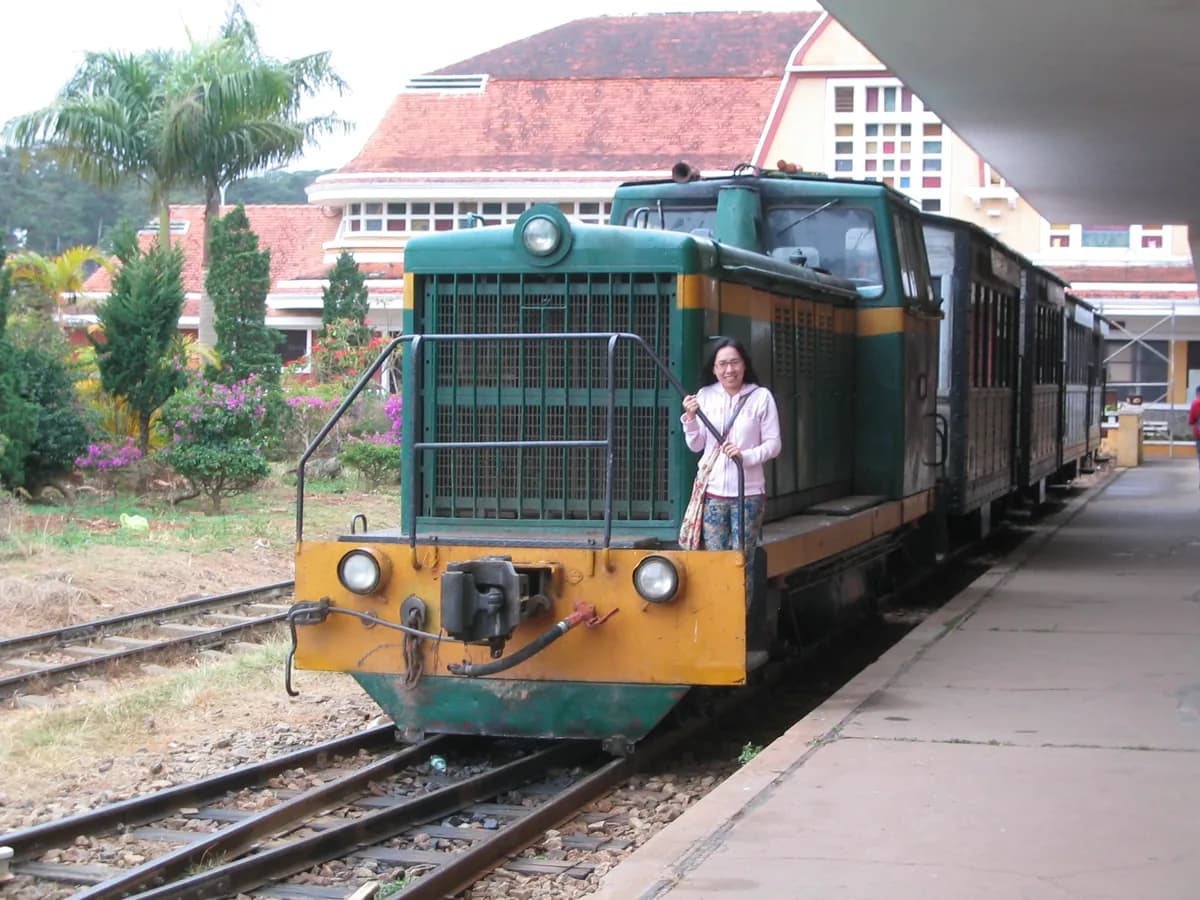
Photo: SymphonicPoet via Flickr (CC BY 2.0)
Vietnam Train Travel Guide 2026
Learn how to book Vietnam train tickets, choose sleeping classes, and navigate sleeper trains smoothly with complete practical advice today.
On this page
Train travel through Vietnam is one of Asia's most memorable journeys. The Reunification Express covers over 1,700 kilometers from Hanoi to Ho Chi Minh City. Last updated July 2026.
Unlike flying or taking long-distance buses, train travel offers a truly immersive way to experience the Vietnamese countryside. You'll watch rice paddies, misty mountains, and tiny villages unfold from your seat while sleeping, eating, and meeting other travelers. This guide covers everything you need to know about riding Vietnamese trains with confidence.
Whether you're booking your first sleeper berth or planning a multi-week route through Vietnam, we'll walk you through every practical detail. From understanding the train system to handling your arrival at a new station, these insights will help you travel smoothly.
Key Takeaways
- Train travel through Vietnam is one of Asia's most memorable journeys.
- The Reunification Express covers over 1,700 kilometers from Hanoi to Ho Chi Minh City.
- Unlike flying or taking long-distance buses , train travel offers a truly immersive way to experience the Vietnamese countryside.
- You'll watch rice paddies, misty mountains, and tiny villages unfold from your seat while sleeping, eating, and meeting other travelers.
Take the route offline
Free: the Vietnam route starter
A two-week south-to-north route with real nightly rates by city, what to book first and how far ahead, region-by-region timing, and the transport costs between each leg — drawn from our published guides.
Why Ride the Train?
Train travel in Vietnam is far more than just transportation from point A to point B. It's a chance to experience the real countryside while sleeping, eating, and connecting with fellow travelers from around the world. Unlike flights or express buses, a train journey becomes a destination in itself.
The Reunification Express route follows the Vietnamese coast, revealing landscapes you'd never see from a highway. Watch rice farmers harvesting fields, misty mountains, and villages that rarely appear on standard tour routes. Your seat becomes a front-row viewing platform for Vietnam's changing landscape and local life.
Train travel is also safer than many alternatives in Vietnam. You avoid congested airports, bus stations, and highways where pickpockets operate or traffic accidents happen. The spacious compartments and relaxed pace mean you're never squeezed into tight spaces with dozens of strangers.
From a purely practical standpoint, trains offer hassle-free travel compared to driving or taking buses. No baggage fees, no security theater, no expensive on-board meals at inflated prices. When planning a multi-week Vietnam train itinerary, you'll appreciate the predictability and comfort that trains provide.
The social angle sets train travel apart in ways that flights and buses simply cannot match. Overnight compartments naturally encourage conversations with other travelers, creating friendships that often last beyond the journey. Many travelers report that their best travel memories in Vietnam came not from the destination, but from the train itself.
How the Vietnam Train System Actually Works
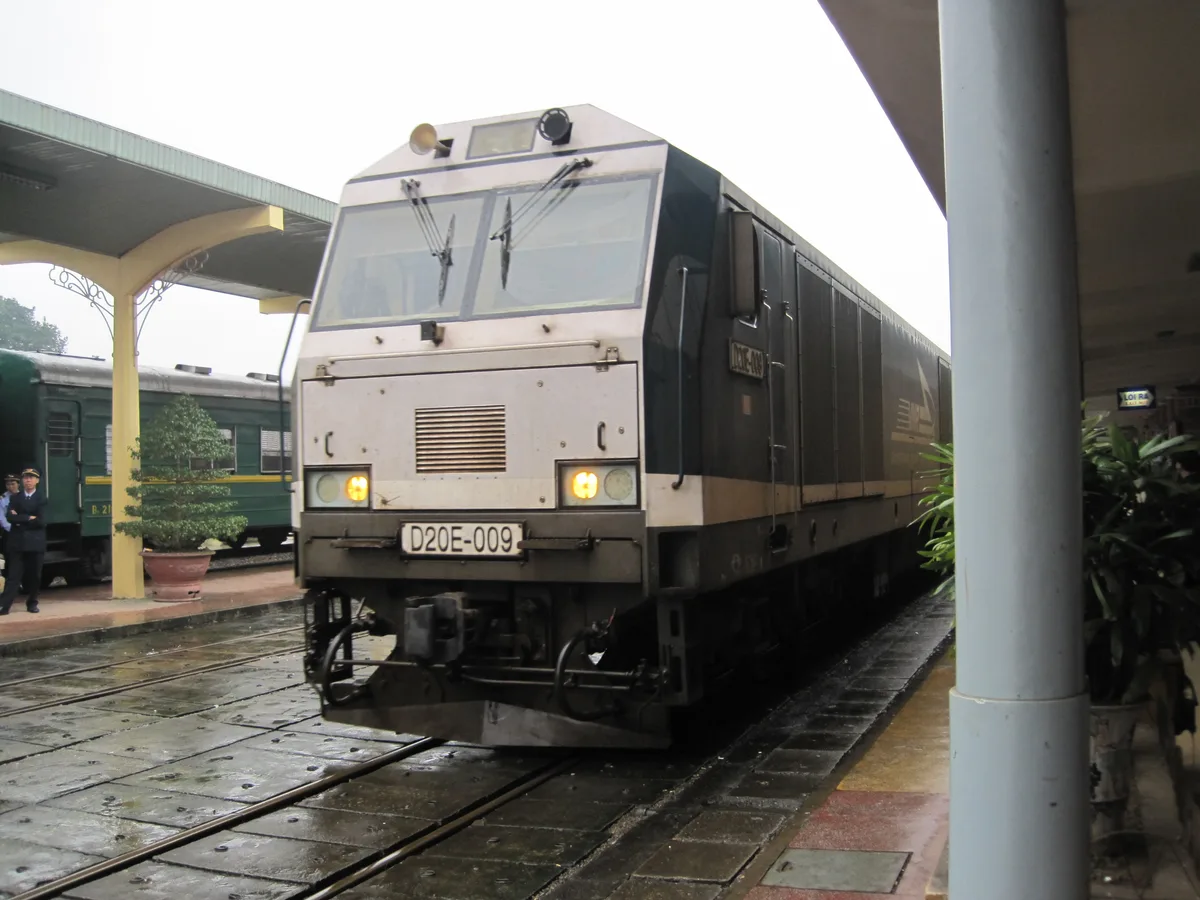
Vietnam's rail network might seem complex at first, but it's actually straightforward once you understand the basic structure. The country's main railway line runs from Hanoi in the far north to Ho Chi Minh City in the far south. This main line is what most tourists use and what makes multi-city train travel possible across Vietnam.
The Reunification Express is the official name for this main line, which covers over 1,700 kilometers of track. The journey between Hanoi and Ho Chi Minh City takes more than 32 hours of continuous travel. You can board at any major coastal city in between, including Ninh Binh, Dong Hoi, Hue, Da Nang, Nha Trang, and Phan Thiet.
Vietnam Railways operates at least six trains daily in both directions on the main Reunification Express route. This frequent service means you have flexibility in when you book and travel. Spur lines branch off to reach cities like Hai Phong, Lao Cai, and Lang Son, though these routes run less frequently.
Schedules, prices, and availability are easy to find online or at major stations. Use the Vietnam Railway booking platform directly, third-party booking platforms like Baolau, or visit a major train station. Booking platforms often show real-time schedules and competitive pricing.
Which Class Should Families Book?
The right class choice depends on three factors: journey length, budget, and how much comfort matters to your group. As a general rule, daytime seating works for trips under eight hours, while overnight journeys warrant sleeping compartments. Family travel often benefits from upgrading comfort because everyone's happier after a good night's sleep.
Understanding the four main class options helps you make a confident booking decision.
| Class | Best For | Comfort | Cost | For Families |
|---|---|---|---|---|
| Hard Seats | Day journeys under 8 hours | Basic wood benches with minimal space | $2–5 USD per person | Not suitable for overnight or long journeys |
| Soft Seats | Daytime trips with reclining option | Airplane-style seats with better padding | $10–20 USD per person | Good option for daytime with children |
| Hard Sleepers | Budget-conscious solo travelers | Stacked bunks in shared dormitory | $20–50 USD per berth | Works for teenagers, not ideal for young children |
| Soft Sleepers | Maximum comfort and privacy | Private 2-bed cabin with en-suite bathroom | $70–100+ USD per cabin | Best option for families with young kids |
- Hard Seats for daytime travel
- Best for: Day journeys under 8 hours
- Comfort: Basic wood benches with minimal space
- Cost: $2–5 USD per person
- Families: Not suitable for overnight or long journeys
- Soft Seats for daytime comfort
- Best for: Daytime trips with reclining option
- Comfort: Airplane-style seats with better padding
- Cost: $10–20 USD per person
- Families: Good option for daytime with children
- Hard Sleepers for overnight budget
- Best for: Budget-conscious solo travelers
- Comfort: Stacked bunks in shared dormitory
- Cost: $20–50 USD per berth
- Families: Works for teenagers, not ideal for young children
- Soft Sleepers for overnight luxury
- Best for: Maximum comfort and privacy
- Comfort: Private 2-bed cabin with en-suite bathroom
- Cost: $70–100+ USD per cabin
- Families: Best option for families with young kids
How to Book Your Tickets
You have several reliable options for booking Vietnamese train tickets. The official Vietnam Railways website (vnr.com) allows direct booking, though the interface can be confusing for first-time users. Third-party booking platforms like Baolau offer easier search interfaces and often sell the same tickets at the same prices.
Book through Vietnam Railways (vnr.com) or third-party platforms like Baolau. Book 6–8 weeks ahead during peak season (November–February) for soft-sleeper availability. Off-peak travel allows booking just days before departure.
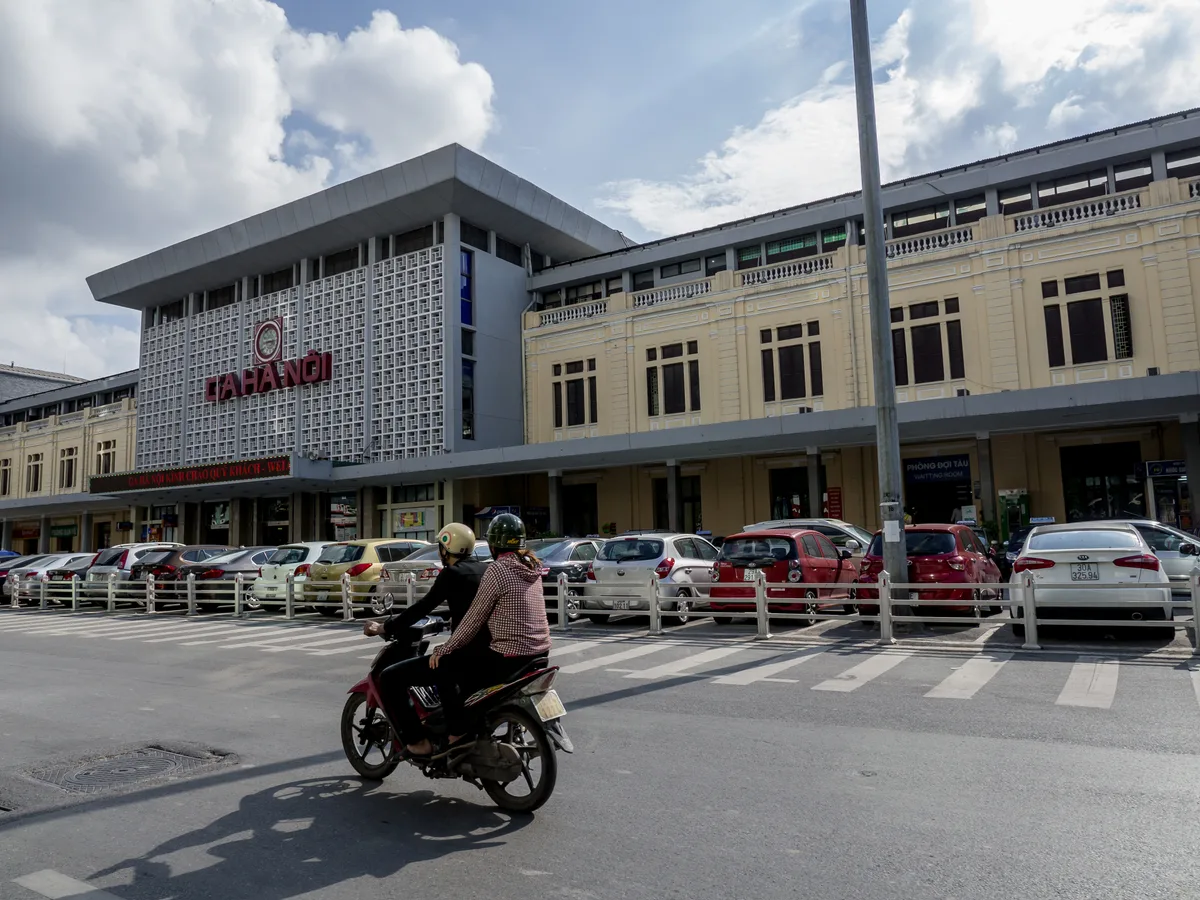
Advance booking windows vary depending on the route and train class you select. Major routes between Hanoi and Ho Chi Minh City often open bookings months in advance. Smaller routes or less-popular train times might only open booking a week or two before departure.
You can also buy tickets directly at the train station without booking online. Arrive at least one hour before departure to purchase tickets and locate your platform. Station purchases work well if trains have availability, but during peak season, online booking ensures you get your preferred class.
When booking online, you'll enter your departure city, arrival city, and preferred date. The system displays available trains with departure/arrival times, journey duration, and ticket prices for each class. Check overnight train routes like Da Nang to Nha Trang to see real-time pricing and availability.
You'll receive a confirmation email or number to present at the station before boarding. Keep this confirmation handy—some platforms print a physical ticket while others use digital codes only. Cancellation policies vary by platform and class, so understand your options before committing to a date.
Disembarking the Sleeper Train
Waking up in a new Vietnamese city is thrilling, but arrivals can feel chaotic if you're not prepared. Most overnight trains arrive between 5 and 8 a.m., when stations bustle with vendors, passengers, and local commuters. Staff will wake you gently before your stop, and you'll gather your belongings while the train pulls in.
Station staff guide disembarking passengers off the train and onto the platform in an organized flow. You're never rushed—even crowded stations move passengers smoothly because the staff manages the process. Grab your luggage, follow the crowd, and make your way toward the station exit.
If your hotel won't allow early check-in, train stations typically offer luggage storage for a small fee. At the information booth, you can arrange storage for around $10 per person for several hours. This frees you to explore the city or grab breakfast while you wait for standard check-in time.
The main challenge at arrival is navigating outside the station if you don't speak Vietnamese. Use Find the best hotels in Vietnam near the train station before arriving to secure accommodation within walking distance or easy taxi range. Hotels located within walking distance of the station (like some budget guesthouses) make arrival transitions especially smooth.
Take a moment to orient yourself, find your transportation to the hotel, and confirm check-in arrangements. Many hotels will hold luggage and let you shower before official check-in, especially if you mention your early train arrival. A quick wash and local breakfast will transform any travel fatigue into excitement for exploring your new destination.
Food and Drink on Board the Sleeper Train
Eating aboard a Vietnamese sleeper train is part of the experience, though it requires some flexibility. Unlike trains in Europe, Vietnamese trains don't have formal dining cars or attendant-served meals. Instead, vendors board regularly to sell hot meals, snacks, drinks, and instant noodles directly to passengers.
Skip vendor meals when possible; the train stops at small towns where locals eat, offering better quality and more options at street-vendor prices. Bring bottled water, fruit, bread, and instant packets from major cities as backup.
Vendor meals typically cost between 50,000 and 100,000 Vietnamese dong, which translates to approximately $2 to $4 USD per meal. You might get grilled fish wrapped in rice paper, instant noodle bowls, spring rolls, or basic fried rice. These meals are simple, usually warm, and prepared in ways locals eat—not tailored to foreign palates.
Quality varies significantly depending on which vendors board your train and the time of day. Early morning vendors offer hot breakfast dishes; midday brings lunch sellers; evenings feature snack-focused carts. Freshness and hygiene are generally fine, but travelers with sensitive stomachs often prefer bringing their own supplies.
Strategic eaters make the most of vendor visits by boarding lunch and dinner meals at designated stops. The train stops at small towns where locals eat—grab meals here rather than from the vendor when possible. These station stops offer better quality, more options, and you'll sample real local food at street-vendor prices.
Consider bringing bottled water, fruit, bread, and your favorite snacks from Hanoi or Ho Chi Minh City. Instant packets (oatmeal, ramen, soup) pair well with hot water from the conductor's hot-water tap available in compartments. This backup strategy helps if vendor meals don't appeal to you or if timing misses convenient stops.
Navigating the Station and Boarding Your Train
Vietnam’s larger stations can be busy, so arrive 30–45 minutes before departure and confirm the train number rather than relying only on the destination. Hanoi Railway Station and Saigon Railway Station serve multiple departures, while Da Nang, Hue, Nha Trang, and Ninh Binh are simpler but may still require crossing tracks or using an underpass to reach the correct platform.

Keep your passport and digital or printed ticket accessible. The ticket identifies your train, carriage, and assigned seat or berth; staff usually check it before platform access or at the carriage door. Train numbers beginning with SE generally operate on the main north–south line, but several SE services can depart close together, so match the full number carefully.
- Check the departure board, then show your ticket to station staff if the platform is unclear.
- Find the carriage number displayed beside the train door before boarding.
- Store large bags beneath the lower berth or on the luggage rack, and keep valuables with you.
Stops at intermediate stations can be brief. If boarding at Hue, Dong Hoi, Ninh Binh, or another through station, wait near the marked carriage position and be ready when the train arrives.
Frequently Asked Questions
What is the most scenic train journey in Vietnam?
The Reunification Express route from Hanoi to Ho Chi Minh City is widely considered the most scenic train journey, with over 1,700 kilometers of coastal views, mountain passes, and rural countryside. Many travelers prefer booking overnight trains that depart in early evening and allow you to experience the scenery during daylight hours on shorter segments. Segments like Hue to Da Nang or Da Nang to Nha Trang showcase particularly dramatic landscapes with mountains meeting the ocean. Consider breaking the journey into sections rather than traveling straight through—this lets you disembark and explore interesting towns like Quy Nhon or Nha Trang more thoroughly.
Are there bathrooms on Vietnam Railways trains?
Yes, all Vietnamese train cars include on-board bathrooms, though expect them to be basic compared to Western standards. Soft-sleeper compartments feature private en-suite bathrooms within your cabin, while hard-sleeper cars and regular seating have shared bathrooms at the end of each carriage. Toilets work continuously, but during peak-traffic stops you might encounter queues. Bring hand sanitizer, soap, and tissue paper (toilets rarely stock paper) to ensure your comfort throughout the journey. Check with your booking platform if bathroom access is critical to your decision—soft-sleeper compartments definitely offer superior facilities.
How far in advance should I book my train ticket?
Booking timing depends on your travel dates and route, but 2–4 weeks advance booking works for most travelers heading to popular destinations like Hanoi, Ho Chi Minh City, or Da Nang. During peak season (November–February), booking 6–8 weeks ahead ensures access to soft-sleeper compartments and your preferred departure time. Off-peak travel (March, June, September) allows last-minute booking just days before departure. For smaller routes and regional trains outside the main Reunification Express, availability is typically more flexible. Use the Vietnam Railway website or a third-party booking platform like Baolau to check current availability and open booking windows.
Can you travel around Vietnam by train?
You can travel to most major cities and destinations using train routes, though the network focuses heavily on the Hanoi-to-Ho Chi Minh City main line and a few spur lines. The Reunification Express connects nearly all coastal cities, making it ideal for north-to-south or south-to-north itineraries. For destinations inland or away from the main rail corridor, you might need to combine trains with buses or flights. However, dozens of travelers successfully complete multi-week Vietnam itineraries using only trains and taxis, making it a realistic travel style for those with flexible schedules. Budget travelers especially appreciate trains because they're cheaper than flights and more comfortable than buses for long distances.
How much does a train ticket cost in Vietnam?
Train ticket prices vary dramatically by class, distance, and demand. Hard-seat tickets (suitable for daytime journeys under 8 hours) cost just a few dollars. Soft-seat tickets for daytime travel run $10–20 USD. Overnight hard-sleeper berths typically cost $20–50 USD per person, while soft-sleeper compartments (usually 2 beds per cabin) range from $70–100+ USD per person depending on route length and season. Check the Vietnam Tourism website for official train travel information and current pricing. Off-peak bookings offer better prices, while peak-season travel (November–January) commands premium fares.
Train travel through Vietnam transforms how you experience the country. Unlike flights or buses, trains let you settle in, watch the landscape evolve, and connect with fellow travelers. Once you board that sleeper car, you'll understand why Vietnam train travel ranks among travelers' best memories.
Start planning your route today using the Vietnam Railway website or a third-party booking platform. Whether you choose a soft sleeper for maximum comfort or a hard sleeper for budget-conscious adventure, your journey awaits.
Take the route offline
Free: the Vietnam route starter
A two-week south-to-north route with real nightly rates by city, what to book first and how far ahead, region-by-region timing, and the transport costs between each leg — drawn from our published guides.
Keep unfolding Vietnam
Continue along the route
Three nearby guides for the next decision in your trip.


