
Photo: shankar s. via Flickr (CC BY 2.0)
Vietnam eSIM and Internet Guide
Plan Vietnam eSIM and internet guide with top picks, network context, timing tips, and practical setup advice for a smoother trip.
On this page
You've landed in Vietnam and suddenly realize your phone has no signal. Navigating internet options before your trip prevents this stressful moment. Between eSIM plans, physical SIM cards, and WiFi, many travelers feel overwhelmed.
This guide breaks down every internet option available in Vietnam. You'll learn which choice works best for your trip length and budget. We cover practical details most guides skip, including Grab, Zalo, and APN settings.
Last updated July 2026. All information reflects Vietnam's current internet market and mobile provider options.
Key Takeaways
- You've landed in Vietnam and suddenly realize your phone has no signal.
- Navigating internet options before your trip prevents this stressful moment.
- Between eSIM plans, physical SIM cards, and WiFi, many travelers feel overwhelmed.
- This guide breaks down every internet option available in Vietnam.
Take the route offline
Free: the Vietnam route starter
A two-week south-to-north route with real nightly rates by city, what to book first and how far ahead, region-by-region timing, and the transport costs between each leg — drawn from our published guides.
eSIM vs SIM Card in Vietnam
An eSIM is a digital SIM card built into your phone. A physical SIM is a traditional plastic card you insert into your device. The choice between them affects cost, convenience, and whether you get a Vietnamese phone number.
eSIMs work well for short trips to Vietnam, usually one to two weeks. You buy online before departure, scan the QR code at home, and land ready to go. No airport queues, no language barriers, no lost cards—just instant connectivity upon arrival.
A physical SIM makes more sense for stays longer than two or three weeks. Local Vietnamese providers offer 1 GB of data starting at $0.20 USD. More importantly, a physical SIM gives you a Vietnamese phone number for Grab and Zalo.
Physical SIMs work with any phone, but eSIMs require newer devices made roughly after 2017. Check your specific phone model's capabilities before committing to an eSIM plan.
- eSIM advantages
- Setup time: 5 minutes at home via QR code
- Price: $5–$15 for 10 GB, 7–30 days
- Best for: Short trips and convenience seekers
- Multi-country use: Supported on regional plans
- Physical SIM advantages
- Setup time: 15–30 minutes at airport kiosk
- Price: $6–$12 for 10–30 GB, 7–30 days
- Best for: Longer stays and Grab/Zalo needs
- Vietnamese phone number: Always included
Internet Coverage Across Vietnam
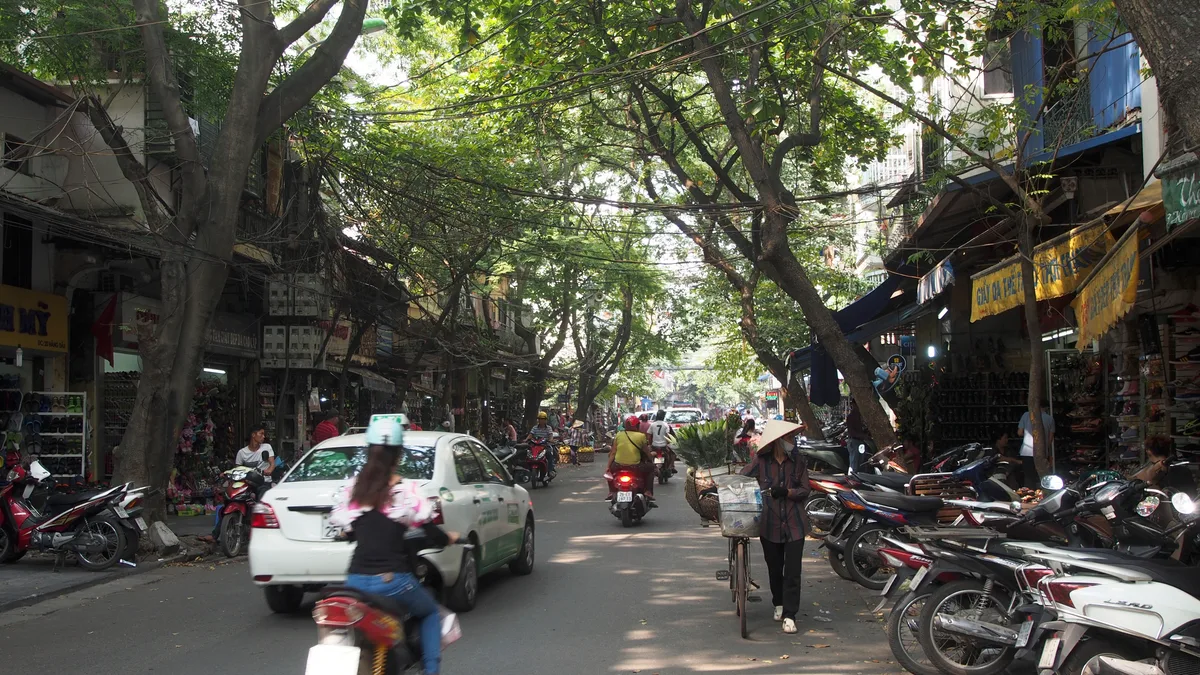
Vietnam's internet coverage varies significantly by region and by which of the three major mobile carriers you choose. Viettel offers the strongest network across both urban and rural areas. Mobifone and Vinaphone serve cities well but thin out in remote zones.
In major cities like Hanoi, Ho Chi Minh City, and Da Nang, all three carriers offer excellent 4G coverage. Tourist areas including Ha Long Bay, Hoi An, and Sapa receive reliable signals from at least one carrier. Rural areas and northern mountains often see coverage only from Viettel.
Check coverage maps before buying an eSIM if you're heading off the beaten path. Viettel's network is your safest bet for consistent connectivity in remote areas. If you choose Mobifone or Vinaphone, download offline maps and communication plans ahead of time.
Most eSIM providers let you pick which carrier network you want when possible. Reading the provider's detailed coverage information before purchase helps avoid connectivity disappointments.
How Much Data Do You Need?
Most travelers underestimate their data needs and then run out halfway through their trip. Your usage depends on what you do online: casual browsing uses far less than streaming videos.
Download offline maps before traveling to reduce data consumption by 30 to 50 percent. Many travelers report using far less data when navigating with offline maps instead of live Google Maps, especially helpful in rural areas where connectivity may be spotty.
Light users who mostly check email, message, and use offline maps need about 3–5 GB weekly. Moderate users who upload photos, use social media, and browse websites should plan for 5–10 GB weekly. Heavy users who stream videos, do video calls, or work online need 10 GB or more weekly.
Download offline maps before you travel to dramatically reduce your data consumption. Many travelers report using 30–50% less data when navigating with offline maps instead of live Google Maps. This strategy especially helps in rural areas where connectivity may be spotty anyway.
Most eSIM plans in Vietnam range from 1 GB to unlimited data over 5–30 days. If you buy a small plan and run out, many providers let you top up quickly. Physical SIM cards from local shops offer similar flexibility with add-on data purchases.
Buying a SIM Card at the Airport (If You Prefer Physical)
Vietnam's airports have SIM card kiosks near baggage claim and in the terminal. Tourist SIM packs are pre-loaded with data and ready to activate on the spot. Expect the process to take 15 to 30 minutes, depending on how busy the kiosk is.
Bring your passport—providers require one for SIM card registration in Vietnam. Cost ranges from $6 to $12 USD for standard tourist packages with 10–30 GB of data. Plans typically include 7–30 days of validity depending on the package you choose.
One key limitation: tourist SIM cards often aren't designed for easy top-ups once activated. If you miscalculate and run short on data before your trip ends, adding more gigabytes can be hassle-prone. Make sure you accurately estimate your needs before purchasing at the airport.
Most airport kiosks accept credit cards, though having cash as a backup option is always wise. Bringing both payment methods ensures you can complete your purchase quickly.
The Grab and Zalo Problem (Read This Before You Buy)
Grab is Vietnam's go-to ride-sharing and delivery app, and it requires a registered local phone number. Zalo is Vietnam's most popular messaging app, and it also demands a local phone number for registration. Most eSIM plans don't include a Vietnamese phone number, creating a catch-22 for travelers.
Most eSIM plans don't include a Vietnamese phone number, which is required to register for Grab and Zalo. Either choose an eSIM provider that includes a local number, ask hotel staff to register using their phone, or purchase a physical SIM card for automatic local number access.
If your eSIM provider doesn't give you a local number, you cannot register for Grab or Zalo initially. This matters because Grab is often your cheapest and safest way to move around Vietnam cities. Zalo lets you message locals and get restaurant recommendations, making it invaluable for solo travelers.
Some eSIM providers like GIGAGO offer plans that include a Vietnamese phone number for a small premium. Alternatively, you can ask a hotel or hostel staff member to register Grab and Zalo for you using their phone. This workaround is quick and means you'll have working apps within an hour of arrival.
If you choose a physical SIM card instead, you automatically receive a local Vietnamese phone number. This advantage alone often justifies the slight extra effort of buying a SIM at the airport. Consider this factor heavily when deciding between eSIM and physical for your specific trip.
Which Network Does Your eSIM Use? Why It Matters
Your eSIM will connect to one of Vietnam's three major networks: Viettel, Mobifone, or Vinaphone. Each has different coverage quality, speed, and reliability, especially outside major cities.
Viettel is the largest carrier with the widest coverage across Vietnam. It dominates in rural areas, northern mountains, and less-developed regions. Most eSIM providers default to Viettel when available, which is good news for most travelers.
| Carrier | Urban Coverage | Rural and Remote Coverage | Best For |
|---|---|---|---|
| Viettel | Excellent | Strongest coverage, including mountains | All regions, especially remote areas |
| Mobifone | Solid in major cities | Thins out in remote zones | Urban travelers in Hanoi and Ho Chi Minh City |
| Vinaphone | Adequate | Limited coverage | Third choice option |
Mobifone offers solid urban coverage, especially in Hanoi and Ho Chi Minh City. It's a reasonable second choice if Viettel isn't available through your provider. Signal quality is generally good in tourist areas but thins out in remote regions.
Vinaphone ranks third in terms of coverage and network infrastructure. Unless your eSIM provider specifically recommends it, consider looking elsewhere for better reliability.
APN Settings for Vietnam eSIM
APN stands for Access Point Name, a technical setting that connects your phone to the mobile network. Most modern eSIMs auto-configure when you scan the QR code, requiring no manual setup from you.
If you face connectivity issues, you may need to manually enter APN settings for your network. For Viettel, the APN is 'v-internet' with no username or password required. Mobifone uses 'mobifone' as the APN with no additional authentication needed.
Your eSIM provider's customer support team can guide you through manual configuration if auto-setup fails. Most providers offer chat or email support in English during your travel dates. Contacting them before you lose connectivity is far easier than troubleshooting after.
Can You Keep Your Home SIM Active?
If your phone supports dual SIM technology, you can keep both your home SIM and Vietnam eSIM active. Most phones manufactured after 2017 include dual-SIM capability, though models vary by maker.
Having both SIMs active means you can use local data for maps and messaging while keeping your home number reachable. You can receive calls and texts from family and friends without paying roaming charges. Simply disable data roaming on your home SIM to avoid expensive international charges.
iPhone models iPhone 13 and newer support dual eSIM, but they can't use both a physical SIM and eSIM simultaneously. Android phones are more flexible—many allow a physical SIM plus eSIM to run at the same time.
Does WhatsApp Work in Vietnam?
Yes, WhatsApp works perfectly in Vietnam as long as you have mobile data or WiFi connected. No special setup is required, and WhatsApp doesn't care whether you have a Vietnamese phone number. Your existing account simply works with your eSIM data once you land.
Other messaging apps like Telegram, Facebook Messenger, and Viber work just as well with your eSIM data. Email, web browsing, and photo uploads all function without limitations once you're connected.
The only requirement is having an active internet connection, whether through mobile data or WiFi. WhatsApp uses data instead of SMS, so you won't need an SMS plan separately.
How to Make Your Arrival in Vietnam Smoother
Buy your eSIM at least one day before your flight to Vietnam. This gives your provider time to send you the QR code and ensures your activation works before you board.
Scan your QR code while still at home over a WiFi connection. Your eSIM profile downloads to your phone and prepares for activation automatically. Activation usually happens when you land and enable airplane mode off, reconnecting to the Vietnamese network.
Have a backup plan if your eSIM doesn't activate immediately upon landing. Most airport terminals have free or paid WiFi you can use to contact your eSIM provider support. They can often troubleshoot and re-send your activation code within minutes.
Choose a provider like Airalo or Saily that offers responsive English-language customer support. Having quick access to help makes landing day infinitely less stressful.
How to Set Up Your Vietnam eSIM Step by Step
Install the eSIM while you still have reliable WiFi, but follow the provider’s instructions on when to activate it because some plans begin when installed and others begin only after connecting in Vietnam. Keep the QR code available on another screen or print it before opening your phone’s mobile-network settings.

- On an iPhone, open Settings, Cellular or Mobile Service, Add eSIM, then Use QR Code. On Android, look under Settings, Network & Internet or Connections, SIMs or SIM Manager, then Add eSIM. Menu names vary by manufacturer.
- Label the new line “Vietnam,” select it for cellular data, and keep your home number as the default voice line if you need incoming calls or bank verification texts.
- After landing, disable data roaming on your home SIM, enable the Vietnam eSIM, and turn on data roaming for that line if the provider requires it. Leave cellular data switching off to prevent accidental roaming charges.
If the phone shows signal but no internet, toggle airplane mode, restart the device, and confirm that the provider’s APN is entered correctly. Do not delete the eSIM profile while troubleshooting; many QR codes can be installed only once.
Official Planning Checks Before You Go
Consult Vietnam Tourism’s official SIM and connectivity guidance and the VNPT VinaPhone’s official mobile-services page. Use the tourism guidance for traveler basics and an operator’s own page for live plans. Confirm device compatibility, identity-registration rules, coverage, expiry, tethering, and the final price before purchase.
For the wider route context, continue with 10-Day Vietnam Itinerary: Route Guide for 2026 before fixing this stop in your itinerary.
Frequently Asked Questions
Can you rely only on WiFi in Vietnam?
Relying only on WiFi is risky in Vietnam, especially outside major cities. Hotels and cafes in Hanoi and Ho Chi Minh City have good WiFi, but rural areas and buses lack consistent connectivity. WiFi speeds are often slow and security is questionable on public networks. A mobile data plan provides freedom to navigate, contact guides, and handle emergencies anywhere across the country. Many travelers pair a small WiFi-only strategy with a mobile backup plan for peace of mind.
Which eSIM provider offers the best coverage in Vietnam?
Airalo and Holafly both offer strong Viettel network coverage, Vietnam's most reliable carrier. Airalo tends to offer lower prices ($5–$8 for 10GB), while Holafly emphasizes unlimited data options for heavy users. Saily provides competitive budget pricing but network quality can vary. For most tourists, Airalo hits the best balance of price, coverage, and customer support. Check each provider's coverage maps and customer reviews specific to your travel route before purchasing.
What should I do if my eSIM fails to activate in Vietnam?
First, try toggling airplane mode off and on while connected to a Vietnamese cell network. Second, restart your phone completely. If it still doesn't work, contact your eSIM provider's customer support immediately—most respond within minutes via chat. Have your order number and QR code handy. Meanwhile, find hotel WiFi or a café to communicate with support. As a temporary solution, walk into any phone shop and purchase a cheap physical SIM card ($2–$5) for emergency connectivity while support resolves your issue.
How much does a Vietnam eSIM cost compared to airport SIM cards?
eSIMs typically range from $5–$15 USD for 10GB over 7–30 days. Physical SIM cards at Vietnam airports cost $6–$12 USD for similar data allowances (10–30GB, 7–30 days). Pricing is comparable, but your choice depends on trip length and convenience preference. Short trips favor eSIM's pre-purchase convenience, while longer stays benefit from physical SIMs' lower long-term per-GB costs and automatic Vietnamese phone number for local apps.
Which mobile network should I choose in Vietnam?
Choose Viettel if possible—it dominates coverage across rural areas, mountains, and remote regions. Mobifone is a solid second choice for urban coverage. Vinaphone ranks third. Most eSIM providers default to Viettel when available. If your provider offers a choice, check coverage maps for your specific travel route. Viettel's broader reach makes it the safest option for travelers visiting both cities and countryside during the same trip.
Choosing between eSIM and physical SIM doesn't have to be complicated. Your trip length, device capabilities, and need for a Vietnamese phone number guide your decision. Most tourists find eSIM more convenient for short to medium stays.
Pre-purchase your eSIM, test it at home over WiFi, and activate upon arrival. If you need Grab and Zalo immediately, choose a provider that includes a Vietnamese phone number or plan to use hotel WiFi for app registration.
Whatever you choose, buying internet access before landing beats scrambling at the airport. Follow this guide, trust the major providers, and you'll stay connected throughout your entire Vietnam trip.
Take the route offline
Free: the Vietnam route starter
A two-week south-to-north route with real nightly rates by city, what to book first and how far ahead, region-by-region timing, and the transport costs between each leg — drawn from our published guides.
Keep unfolding Vietnam
Continue along the route
Three nearby guides for the next decision in your trip.


