

Hoi An With Kids Travel Guide
Plan hoi an with kids with top picks, neighborhood context, timing tips, and practical booking advice for a smoother trip.
On this page
Hoi An with kids can be an amazing experience if you prepare for what you'll find. This UNESCO-listed riverside town offers vibrant culture, sandy beaches, affordable activities, and genuine Vietnamese hospitality. Families discover water puppets, lantern-making workshops, local markets, and experiences that truly engage children. Last updated July 2026.
Hoi An attracts families in large numbers because it delivers real value and memorable experiences. The town has changed dramatically from the quiet riverside destination it once was. Domestic tourism and social media have transformed it into a busy cultural hub. Preparing realistic expectations helps you enjoy what makes Hoi An special for families.
This guide covers must-see attractions, practical logistics, timing strategies, and honest trade-offs families face. You'll learn when Old Town crowds peak, which day trips work best with kids, and transportation options. The focus is on what actually works for families rather than generic tourist advice. Smart planning makes all the difference in how you experience this destination.
Key Takeaways
- Hoi An with kids can be an amazing experience if you prepare for what you'll find.
- This UNESCO-listed riverside town offers vibrant culture, sandy beaches, affordable activities, and genuine Vietnamese hospitality.
- Families discover water puppets, lantern-making workshops, local markets, and experiences that truly engage children.
- Hoi An attracts families in large numbers because it delivers real value and memorable experiences.
Take the route offline
Free: the Hoi An route notes
Where to base yourself and what it costs, a day-by-day route that avoids backtracking, real transfer times and fares, seasonal timing, and where it connects onward — condensed from our Hoi An guides and made to take offline.
Must-See Hoi An Attractions
Water puppets represent one of the most iconic Vietnamese art forms for families. Shows run nightly from 8:00pm to 9:00pm, though arriving 15 minutes early is recommended. Kids of all ages find the colorful performances mesmerizing and unlike anything they've seen.
The Pottery Village offers hands-on workshops where families make clay pots and ceramics together. Tours typically last about 1.5 hours, making them perfect for kids with moderate attention spans. Local artisans teach traditional techniques, and kids take home their creations. This activity costs around 150,000-200,000 VND per person depending on the tour operator.
| Activity | Cost (VND) | Duration |
|---|---|---|
| Pottery Village Workshops | 150,000-200,000 per person | 1.5 hours |
| Heritage Museum | 80,000-100,000 per person | 45 minutes to 1 hour |
| Lantern-Making Tours | 150,000-250,000 per person | 1.5 to 2 hours |
| Tra Que Herb Village | 200,000-300,000 per family | 30-45 minutes drive |
| Night Markets | Virtually nothing | 6:00pm to 10:00pm |
Ancient temples and historic structures tell stories of Vietnam's past through architecture and design. Japanese Covered Bridge and the Assembly Halls are iconic photo spots kids enjoy exploring. These sites remain relatively cool indoors, offering relief from midday heat outside. Morning visits work best to avoid afternoon crowds that gather after noon.
River walks and stone bridges provide scenic exploration opportunities for the whole family. An Hoi Bridge connects to quieter neighborhoods where locals live, shop, and conduct business. Walking along the waterfront early morning or at sunset creates peaceful moments before crowds arrive. This represents one of the few free activities that genuinely appeals to families seeking tranquility.
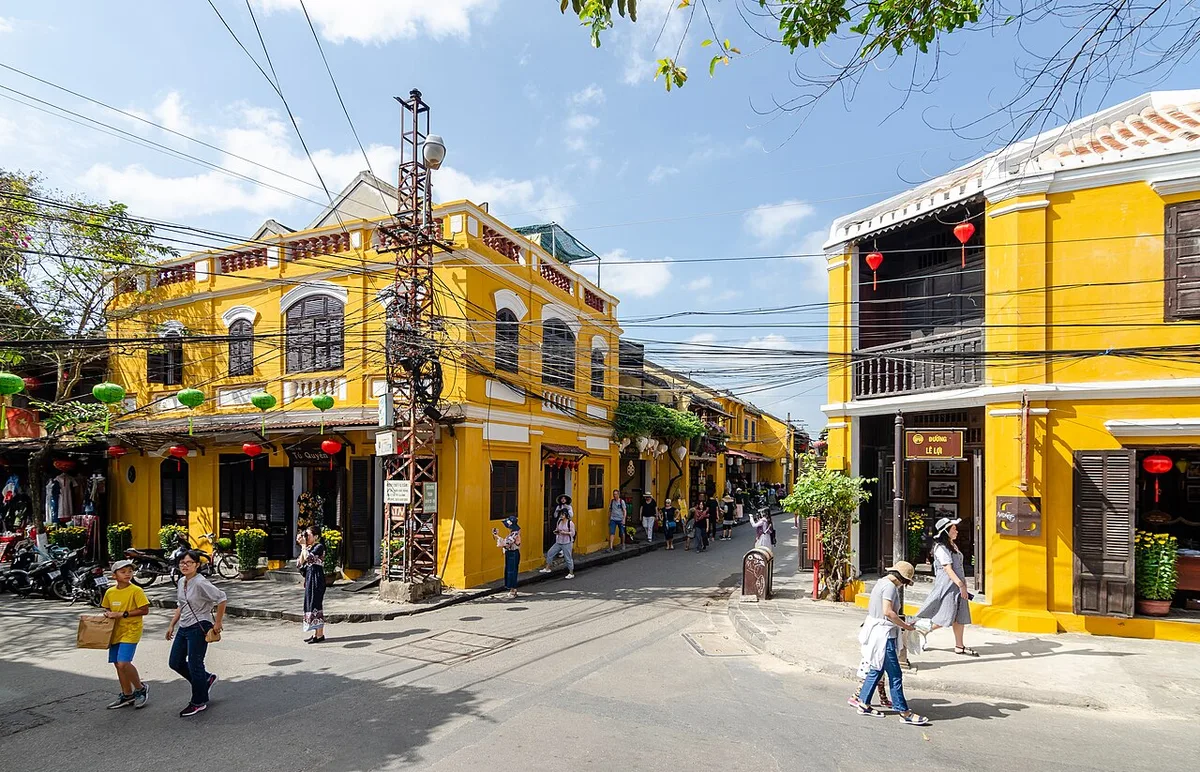
Museums, Art, and Culture in Hoi An
Hoi An's small museums and historic houses can introduce merchant history without a full-day commitment. Confirm the current Old Town ticket, included sites, opening hours, and accessibility at the official ticket office before choosing stops with children.
Lantern-making combines craft and local tradition in a hands-on activity. The official Vietnam Tourism overview of Hoi An lantern-making describes workshops run by artisan families. Ask an operator about age limits, tools, materials, duration, language, and the total family price before booking.
Art galleries and craft shops line parts of the Old Town. Set expectations about touching displays and purchases, and use shaded courtyards or cafés for breaks during hot or wet weather.
Evening markets and lantern-lit streets can be busy. Keep children close near the river and traffic boundaries, agree on a meeting point, and avoid publishing fixed market hours without checking the current local schedule.
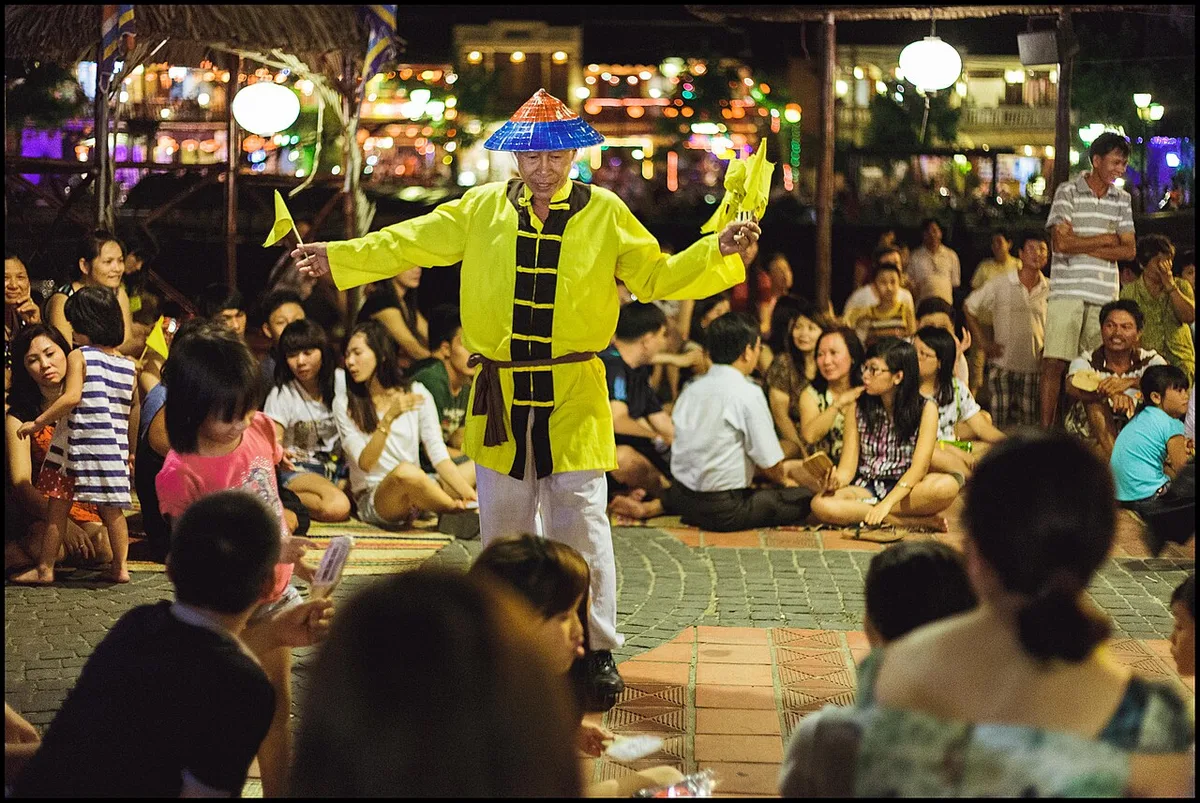
Parks, Gardens, and Outdoor Spots in Hoi An
An Hoi Bridge and the surrounding riverside parks offer safe exploration for families. The bridge provides photo opportunities and access to quieter neighborhoods outside the Old Town core. Early morning visits find families and local people exercising, creating a pleasant community atmosphere. This represents one of the most peaceful spots accessible by short walk from central Hoi An.
Nearby nature reserves and gardens provide relief from crowds and urban intensity. Tra Que Herb Village offers bicycle tours through local farms where families learn about Vietnamese herbs. These day trips take 30-45 minutes by car or bicycle, making them manageable half-day activities. Costs run around 200,000-300,000 VND per family for guided experiences with local farmers.
Day trips to Marble Mountains and Ba Na Hills offer adventure suitable for older kids and active families. Marble Mountains feature caves, temples, and panoramic views reached by stairs and cave systems. Ba Na Hills showcases the famous Dragon Bridge that breathes fire on weekend evenings at 9:00pm. These trips take 2-3 hours driving from Hoi An and provide memorable family activities.
Outdoor activities range from mountain biking to kayaking depending on family interests and energy levels. Cycling tours along rural roads let families experience countryside away from tourist-filled areas. These experiences cost 300,000-500,000 VND and appeal to families seeking active adventures. Booking through established tour operators ensures kid-appropriate pacing and proper safety standards.
Family-Friendly and Budget-Friendly Options in Hoi An
Night markets cost virtually nothing and offer exceptional street food at rock-bottom prices. Banh mi sandwiches cost around 10,000-15,000 VND per item, making meals incredibly affordable. Families can eat full meals for 50,000-100,000 VND total, even with drinks included. This represents tremendous value compared to Western countries and most other Southeast Asian destinations.
Bicycling and walking are free or nearly free ways to explore neighborhoods and surrounding areas. Bike rentals cost around 20,000-30,000 VND per day, allowing families extended exploration time. Rural areas accessible by bike offer authentic experiences far from tourist crowds and congestion. Many families find cycling their favorite way to experience Hoi An's countryside character.
Cooking classes and workshops have more affordable alternatives than formal restaurant courses. Market visits combined with home-based cooking instruction cost 200,000-300,000 VND versus £80 for formal classes. These experiences teach kids about local ingredients while staying within typical family budgets. Informal lessons often provide more flexibility for young children and varying skill levels.
Free activities like bridge walks, riverside strolls, and neighborhood exploration don't require payments. Temple grounds often welcome visitors free of charge outside official ticketed museum areas. Local parks and public spaces provide rest spots and people-watching opportunities at no cost. Strategic planning around free activities helps families stretch budgets while staying engaged.
How to Plan a Smooth Hoi An Attractions Day
Visit the Old Town early morning before tour groups descend on the narrow streets. Arriving by 6:00am or 7:00am rewards families with fewer crowds and better photography light. Early visits allow kids to explore temples and bridges without constant jostling from other tourists. This single timing adjustment transforms the experience from overwhelming to genuinely enjoyable.
Booking activities in advance prevents scrambling and waiting in line during peak hours. Water puppet shows, lantern-making tours, and pottery classes fill quickly during high season.
Arriving at the Old Town by 6:00am or 7:00am rewards families with fewer crowds and better photography light, allowing kids to explore temples and bridges without jostling from tour groups.
Booking activities in advance prevents scrambling and waiting in line during peak hours. Water puppet shows, lantern-making tours, and pottery classes fill quickly during high season. Online booking through tour operators typically costs the same as walk-up pricing. Advance reservations improve predictability only after the operator confirms the booking and cancellation terms.
Building rest time at cafes or pools prevents the exhaustion that derails family trips. Kids need breaks every 2-3 hours to recharge, especially in tropical heat and humidity. Coffee shops and casual restaurants offer affordable spots to rest without spending much money. A midday poolside break at your hotel often costs less than additional activities.
Plan evening activities after crowds leave the Old Town around 7:30pm or later. Musical fountain shows run at 7:30pm and last 20 minutes, drawing families seeking entertainment. Four-D cinema experiences at the castle provide air-conditioned breaks from heat and social fatigue. Strategic evening scheduling allows families to experience Hoi An in relative peace and comfort.
Is Hoi An Worth Visiting With Kids?
Yes, Hoi An is absolutely worth visiting with kids if you prepare with realistic expectations. The town offers genuine cultural experiences, affordable activities, and beach access in one location. Children remember water puppets, homemade lanterns, and local hospitality far more than crowds. Strategic timing and neighborhood choices turn potential frustrations into genuinely positive family memories.
Hoi An works best for families who can adjust schedules and embrace flexibility over rigid itineraries. Families expecting to move fast through a checklist of attractions often feel disappointed by congestion. Families willing to slow down, wake early, or take afternoon breaks find tremendous value. The destination suits worldschooling families and those spending a week or longer far better than quick stops.
Value for money remains excellent despite tourism growth over the past decade. Meals, activities, and accommodations cost significantly less than other Southeast Asian family destinations. Budget-conscious families can live comfortably on 15-20 USD per day for attractions and food combined. This makes Hoi An accessible to families across income ranges, not just luxury travelers.
Cultural experiences and beach access justify the trip even accounting for crowds and logistics challenges. Kids gain exposure to Vietnamese traditions, food, and people that shape their worldview. The combination of history, nature, and relaxation appeals to diverse family preferences and ages. Families typically report high satisfaction despite acknowledging that social media has changed the town.
Getting around Hoi An
Grab app taxis are cheap and reliable for moving around town with kids and luggage. Fares typically run 30,000-50,000 VND for short trips within central Hoi An areas. Drivers are generally careful with families, and app-based booking removes language barriers. This represents the most practical transportation option for families with young children or those carrying gear.

Walking works in most areas outside the Old Town core where traffic and crowds concentrate. Neighborhoods surrounding the central tourist zone have wide streets, restaurants, and family-friendly establishments. Kids enjoy exploring these areas at their own pace without feeling rushed by crowds. Staying outside Old Town provides walking access to authentic Hoi An life while reducing daily stress.
Motorbikes are not allowed in the Old Town after 6:00pm, making evening exploration safer for families. This traffic restriction creates a more peaceful atmosphere for walking and dining as darkness falls. Local drivers respect this rule, creating a genuine pedestrian experience that kids appreciate. Evening hours between 6:00pm and 9:00pm offer the best walking conditions for family exploration.
Boat travel connects Hoi An to nearby beach areas with a scenic journey along waterways. Boats to beach resorts cost around 250,000 VND and take approximately 25 minutes each way. Compare transport options when planning day trips to other central Vietnam destinations. River cruises at sunset offer magical experiences that kids remember as trip highlights.
Reasons Why I Didn't Love Hoi An Old Town
Over-tourism creates persistent touts and relentless sales pressure throughout the narrow Old Town streets. Shop owners and restaurant staff approach families repeatedly, making browsing feel exhausting rather than enjoyable. Kids pick up on parental stress about constant sales pitches, which can dampen their curiosity. This represents the single biggest challenge families face when exploring the historic core.
Crowds make it genuinely hard to appreciate the historic character that makes Hoi An special. Jostling through packed streets while keeping track of kids significantly reduces the experience quality. Many families report feeling disappointed by how many people surround iconic photo spots simultaneously. The sheer human traffic can overwhelm young children unfamiliar with intense crowds.
Infrastructure struggles with visitor volume, leading to congestion and occasional sanitation challenges. Trash and crowding peak during midday hours when tour groups concentrate in tight spaces. Families with young children sometimes encounter challenging conditions that wouldn't exist in off-peak times. Strategic timing is the only real solution to this infrastructure strain throughout the town.
Hoi An is no longer a quiet and quaint riverside town
Instagram and guidebook photos transformed Hoi An into an iconic destination that draws massive crowds. The colorful historic streets now appear in thousands of travel blogs and social media posts daily. This cultural phenomenon turned a working Vietnamese town into a global tourism destination almost overnight. Understanding this history helps families approach the town with more realistic expectations.
Domestic tourism contributes more to crowds than international visitors, a trend accelerating each year. Vietnamese families and tour groups now outnumber Western backpackers throughout the town. Weekends see particularly heavy domestic tourism, making weekday visits considerably more peaceful. Avoiding Saturday and Sunday visits significantly improves the experience if your schedule allows flexibility.
Early mornings still offer glimpses of old charm and genuine Hoi An character. Between 5:00am and 8:00am, locals move through quiet streets conducting daily business. Kids and parents alike find this early window far more memorable than crowded midday hours. The town truly does have magic; timing is simply the key to accessing it.
Beaches Near Hoi An for Families
Cua Dai Beach lies closest to Hoi An town center at just 4 kilometers away. Grab taxis reach the beach in about 10-15 minutes, making day trips incredibly convenient. This beach attracts tourist crowds and tour groups, but it has established restaurant infrastructure. Families appreciate the accessibility and dining options when seeking afternoon beach time.
An Bang Beach offers a quieter alternative just 3 kilometers north of Cua Dai. The sandy shoreline feels less crowded and more relaxed than the main tourist beach. Local seafood restaurants line the beach, offering fresh fish and reasonable prices to families. This represents the best choice for families seeking beach time without peak tourism chaos.
Resort options range from budget guesthouses to luxury five-star properties scattered along coastal areas. Anio Hoi An offers mid-range family-friendly accommodation near beaches. Victoria Hoi An Beach Resort and Spa provides upscale resort experience with full amenities. Budget travelers find clean guest houses for 10-20 USD per night including breakfast.
Water quality and crowd levels vary by season, with dry season offering best conditions. November through April provides 15-25°C weather perfect for water activities and outdoor exploration. May through September brings monsoon rains and humidity that challenge families. Checking seasonal conditions before booking accommodations helps families plan realistic beach expectations.
Common Challenges (and How to Handle Them)
Hoi An’s heat, traffic, uneven pavements, and seasonal flooding require extra planning with children. In the Ancient Town, raised thresholds, narrow footpaths, and crowded lanes make large strollers awkward; a compact stroller or baby carrier is easier around the Japanese Covered Bridge, riverside, and market streets. Although parts of the historic center become pedestrian-only at set times, bicycles and motorbikes may still appear near access points, so keep young children close when crossing streets.
Plan outdoor sightseeing early, then pause indoors or return to your accommodation during the hottest part of the day. Carry drinking water, sun hats, insect repellent, and lightweight rain protection. Hoi An’s wetter period generally falls from September into January, when heavy rain can flood low-lying streets near the Thu Bon River. Check local forecasts before river activities and avoid walking or cycling through floodwater. Families visiting during Tet or on weekends should also expect heavier crowds and limited transport availability, making advance accommodation and transfer arrangements especially useful.
Official Planning Checks Before You Go
Consult Vietnam Tourism’s family travel hub and the official Vietnam family destination guide. Use these official family resources to match destinations and activities to your children’s ages. Confirm live opening hours, safety restrictions, transport, and ticket terms with each venue.
For the wider route context, continue with Central Vietnam Itinerary: A 10-Day Route Guide, Hoi An Travel Planning Hub Travel Guide, and Hoi An 3 Day Itinerary Travel Guide before fixing this stop in your itinerary.
Frequently Asked Questions
Is Hoi An with kids worth visiting despite the crowds?
Yes, Hoi An is absolutely worth visiting with kids if you prepare for crowds strategically. Early morning explorations, advance booking, and staying outside the Old Town transform the experience from frustrating to genuinely memorable. Cultural experiences, affordable activities, and beach access justify the trip. Plan your central Vietnam itinerary to include realistic Hoi An timing and pacing.
How much time should you plan for Hoi An with kids?
Most families thrive with 4-7 days in Hoi An, allowing time for activities without rushing. Three days works for quick visits focusing on Old Town and beaches. Longer stays appeal to worldschooling families seeking rhythm and routine. Your kids' ages and interests significantly influence the ideal duration more than any generic recommendation.
What are the best months to visit Hoi An with kids?
November through April offers dry weather perfect for walking and water activities. Temperatures range from 15-25°C (59-77°F), which kids handle well without excessive heat. May through September brings monsoon rains and humidity that challenge family plans. Early morning visits remain enjoyable year-round, while afternoon activities require weather flexibility.
What should travelers avoid when planning Hoi An with kids?
Avoid visiting the Old Town between 10:00am and 4:00pm when tour groups peak. Skip weekends if possible, as domestic tourism creates even heavier crowds. Don't book rigid itineraries; flexibility makes the biggest difference in enjoyment. Budget accommodations inside the Old Town often lack space and comfort for families with young children.
How do you get around Hoi An with children practically?
Grab taxis cost 30,000-50,000 VND for local trips and work best for families with luggage or tired kids. Bicycles rent for 20,000-30,000 VND daily and suit active families exploring rural areas. Walking works outside the Old Town core. Boats connect to beaches for scenic trips kids remember as highlights. Combining methods prevents exhaustion.
Hoi An with kids works brilliantly when families approach it with realistic expectations and smart planning. The town genuinely offers cultural richness, affordability, and beach access that benefits families. Kids remember water puppets, handmade lanterns, and welcoming Vietnamese people more than they recall crowds.
Success depends on timing visits strategically, staying outside the Old Town core, and building rest breaks. Early mornings reveal the charm that social media captured, while afternoons reward patience with peace. Your family's flexibility and willingness to move slowly matter infinitely more than covering every attraction.
Visit Hoi An with confidence, knowing that millions of families have enjoyed it despite acknowledged challenges. Strategic choices turn potential frustrations into genuine memories that shape how kids see the world. The destination has earned its place on family itineraries through combination of value, culture, and natural appeal.
Take the route offline
Free: the Hoi An route notes
Where to base yourself and what it costs, a day-by-day route that avoids backtracking, real transfer times and fares, seasonal timing, and where it connects onward — condensed from our Hoi An guides and made to take offline.
Keep unfolding Vietnam
Continue along the route
Three nearby guides for the next decision in your trip.


