

Photo: shankar s. via Flickr (CC BY 2.0)
Vietnam Tipping Guide: Travel Etiquette
Plan your Vietnam tipping guide with local customs, typical amounts, and practical advice for hotels, restaurants, and tour guides. Avoid common mistakes.
On this page
Tipping in Vietnam differs significantly from Western expectations. While gratuities are appreciated in many service settings, they are not mandatory obligations. Understanding local customs helps you show genuine gratitude without overextending your budget. Vietnam's hospitality industry traditionally didn't emphasize tipping like Western countries do. However, tourism growth in recent years has shifted customs, especially in tourist-heavy areas like Hanoi and Ho Chi Minh City. Your awareness of these nuances ensures respectful interactions with service workers. This guide covers hotels, restaurants, tours, and other tipping scenarios you'll encounter. Last updated July 2026. Get practical amounts, local insights, and common mistakes to avoid during your Vietnam travels.
Key Takeaways
- Tipping in Vietnam differs significantly from Western expectations.
- While gratuities are appreciated in many service settings, they are not mandatory obligations.
- Understanding local customs helps you show genuine gratitude without overextending your budget.
- Vietnam's hospitality industry traditionally didn't emphasize tipping like Western countries do.
Take the route offline
Free: the Vietnam route starter
A two-week south-to-north route with real nightly rates by city, what to book first and how far ahead, region-by-region timing, and the transport costs between each leg — drawn from our published guides.
Tipping in Vietnam Hotel
Housekeeping staff appreciate modest daily tips when you use hotel services. Leaving 50,000 to 100,000 VND (approximately $2–$5 USD) per day for room cleaning is standard in tourist-friendly hotels. The amount shows respect for their labor without creating obligation. Bellhops and porters often help with luggage upon arrival and departure. Tipping 10,000 to 20,000 VND per bag is customary when staff assist with your belongings. Direct cash handover with a simple thank you is the most respectful approach.
Many establishments, especially upscale hotels and restaurants, include service charges automatically in final bills. Leaving additional money when a charge already exists results in double tipping, which service staff may find awkward. Always review the bill before adding gratuity.
Before leaving a tip, always check your hotel bill for a pre-added service charge. Many establishments—especially upscale ones—include gratuities automatically. Leaving extra money when a charge exists amounts to double tipping, which service staff may find awkward. Tipping hotel staff remains entirely optional, never mandatory or coercive. Your comfort level and budget always take priority over unwritten expectations. If you're traveling on a tight budget, a verbal thank you demonstrates genuine appreciation just as well.
Concierge staff who arrange special bookings, tours, or reservations sometimes receive tips for exceptional assistance. Small tips of 50,000 VND acknowledge extra effort beyond standard desk duties. Present tips discreetly and personally rather than leaving them on the counter.
When NOT to Tip in Vietnam
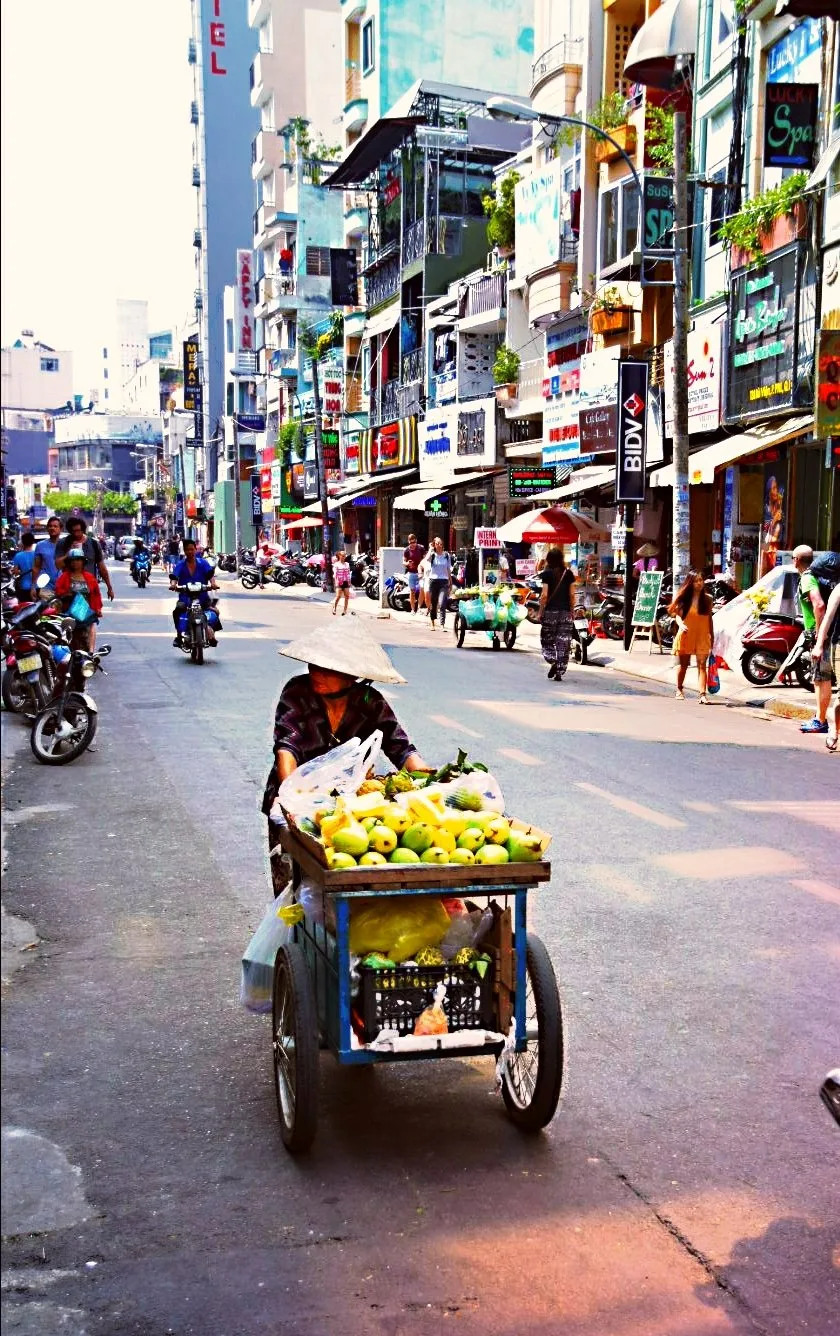
Taxi drivers in Vietnam typically do not expect tips from passengers. Local custom involves rounding up fares or offering small gratuities only for exceptional service. Forcing tips on taxi staff can create awkward situations and violates local norms. Street food vendors and market stall owners rarely accept tips from customers. These informal transactions are priced to reflect profit margins without gratuity expectations. Offering tips in market settings can seem odd and may even offend vendors who value straightforward transactions.
When a restaurant or tour operator includes service charge in the final bill, avoid leaving additional money. Double tipping—once automatically and again manually—confuses staff about your intentions. Always scan your receipt or ask staff before deciding whether to add gratuity. Some Vietnamese service workers politely decline tips due to personal values or workplace policies. Respect these boundaries without insisting or expressing surprise. Their refusal reflects their comfort level, not dissatisfaction with how you conducted yourself.
Public transportation workers, including bus drivers and ferry staff, do not expect or accept tips. These employees earn fixed wages with standardized service expectations. Tips in this context would undermine the system's fairness across all passengers.
Tipping in Hanoi vs Ho Chi Minh vs Da Nang
Hanoi maintains more conservative tipping customs rooted in traditional Vietnamese culture. Local residents tip rarely and modestly, so service workers don't expect gratuities at the same rates tourists offer. Modest tips of 50,000 VND align better with local expectations than generous amounts. Ho Chi Minh City's tourism-driven economy has shifted norms significantly toward Western-style tipping. Restaurants, hotels, and tour operators increasingly encourage and accept gratuities. Visitors can tip at rates closer to international standards (5–10% of bills) without seeming excessive.
Da Nang occupies middle ground between Hanoi's traditionalism and Ho Chi Minh City's tourism orientation. The city shows growing acceptance of tourist tipping but maintains local restraint compared to the south. Moderate tips of 5–10% in restaurants feel appropriate without crossing cultural boundaries. Tourist-focused establishments across all three cities expect and appreciate tips more than neighborhood eateries. High-end hotels, international tours, and upscale restaurants cater to foreign visitors familiar with gratuity customs. Local-oriented businesses retain stricter traditional norms.
| City | Tipping Culture | Typical Approach |
|---|---|---|
| Hanoi | Conservative, traditional | Modest tips of 50,000 VND |
| Ho Chi Minh City | Tourism-oriented, Western-influenced | 5–10% of bills |
| Da Nang | Middle ground, growing tourism | 5–10% in restaurants |
The venue's clientele matters more than the city itself when assessing tipping expectations. A tourist restaurant in Hanoi may welcome tips like a Ho Chi Minh City establishment does. Conversely, a neighborhood pho shop in any city appreciates subtler gratuity gestures. Always observe local behavior and cues before deciding on tip amounts.
Common Tipping Mistakes to Avoid
Many travelers mistakenly tip USD amounts without converting to Vietnamese Dong properly. Leaving $20 USD tips when 100,000 VND ($4 USD) represents generous gratitude wastes money and sets unsustainable expectations. Check current exchange rates before your trip and carry appropriate VND denominations. Vietnamese money comes in small denominations, so carrying 50,000 and 100,000 VND notes makes tipping straightforward. Converting dollars mentally while traveling complicates transactions unnecessarily. Prepare a tip envelope with small bills before visiting restaurants or hiring guides.
Present tips discreetly and personally with a simple thank you rather than drawing attention. Loud announcements about amounts or waving large bills can embarrass or offend service workers. Low-key presentation demonstrates genuine respect for the recipient's dignity and privacy.
Public displays of wealth through flashy or excessive tipping can embarrass or offend service workers. Loud announcements about tip amounts or waving large bills creates uncomfortable dynamics. Discreet, low-key tip presentation shows respect for the recipient's dignity and privacy. Forcing tips on reluctant recipients disrespects their preferences and Vietnamese values around gratuity. Some staff decline tips based on workplace policies, personal beliefs, or comfort levels. If someone politely refuses, accept their decision gracefully without explanation or argument.
Aggressive tipping—especially when disproportionate to service quality—can seem condescending or even insulting. Service workers may interpret oversized tips as pity or payment for perceived substandard effort. Matching tip amounts to actual service quality and local norms shows respect. Misreading social context leads to uncomfortable tipping situations across Vietnam. A casual street vendor reacts differently to tips than fine dining staff do. Observe how locals handle similar transactions before making your own tipping decisions.
Tipping in Markets and Other Situations
Markets and street bazaars operate on fixed pricing without tip expectations from customers. Vendors negotiate or refuse sales based on price alone, never gratuity considerations. Offering tips in market settings confuses transactions and may even offend sellers who value straightforward haggling. Spa and massage services represent a distinct tipping category with clearer expectations. Quality massage treatments merit tips of 50,000 to 100,000 VND or 15–20% of the service fee. Hand tips directly to massage therapists immediately after your session concludes.
Tour guides often receive the highest tips among service workers because their work directly shapes travel experiences. Daily tips of 200,000 to 500,000 VND ($10–$20 USD) per person suit full-day guided tours. For shorter half-day excursions, scale tips proportionally to 100,000 to 200,000 VND. Private drivers accompanying your multi-day journey deserve daily tips of 50,000 to 100,000 VND ($2–$5 USD) per person. Tip drivers roughly half of what you'd offer guides, since their role is less interactive. Aggregate multiple-day trips and distribute daily to show appreciation consistently.
Nail salons and beauty services generally accept tips of 10,000 to 50,000 VND or 10–15% of your service total. These tips are customary but not mandatory in casual salons. High-end nail studios catering to tourists may expect slightly higher percentages (15–20%).
Sample Itinerary Ideas in Vietnam
A three-day 10-Day Vietnam Itinerary: Route Guide for 2026 like Halong Bay cruises typically involves daily gratuity decisions. Crew members who serve meals, clean cabins, and guide excursions appreciate modest tips each evening. Budget 100,000 to 200,000 VND daily across crew and guides on luxury cruises. Hanoi to Ho Chi Minh City overland journeys spanning multiple days introduce different tipping scenarios. Your private driver works alongside a tour guide, each warranting separate daily tips. Coordinate tip distribution to avoid accidental overpayment or confusion between travelers and staff.
Day tours in specific cities call for single upfront tips rather than nightly gratuities. For a $50 USD tour, tipping $5–$7 USD (roughly 125,000 to 175,000 VND) to the guide is standard practice. Present day-trip tips at the end of the excursion, not during the journey. Spa treatments booked through your hotel during a multi-day vacation deserve immediate tipping. Provide tips directly to massage therapists before leaving the spa facility. Budget 50,000 to 100,000 VND for quality massage sessions regardless of where your journey takes you.
Group travel with multiple companions requires coordination to prevent duplicate or excessive tipping. Designate one person to collect small contributions and present a pooled gratuity to guides or drivers. This approach avoids overwhelming staff with multiple tips and ensures fair distribution among travelers.
Remember That The Tipping Charge Is Up to You
Tips in Vietnam remain entirely voluntary contributions, never mandatory obligations despite cultural shifts. Your financial situation, satisfaction level, and personal values should guide tipping decisions. Service workers understand that travelers operate under different budgets and cultural backgrounds. Your comfort level and budget constraints always take priority over perceived social expectations. Traveling on limited funds? A genuine thank you and respectful behavior matter more than monetary tips. Service staff across Vietnam appreciate authentic gratitude regardless of financial amounts.
Local hospitality workers recognize that international travelers face currency conversion challenges and unfamiliar customs. Most staff members understand that tipping amounts vary by nationality and personal circumstances. They rarely judge visitors harshly for modest or absent tips when service quality was delivered.
Gratitude manifests in many forms beyond monetary tips during your Vietnam travels. Respectful language, genuine smiles, and kind behavior toward service workers create positive interactions. Small tips given sincerely often mean more than obligatory larger amounts given reluctantly. Your decision to tip or not tip should reflect authentic appreciation for service received. Forced or guilt-driven gratuities create inauthentic transactions that benefit no one. Tip when you genuinely wish to acknowledge good service, and skip tips confidently when circumstances warrant.
Tipping in a Vietnamese Restaurant
Street food vendors and casual eateries operate on tight profit margins without tipping expectations. Rounding up your bill from 45,000 to 50,000 VND demonstrates generosity without obligation. For very inexpensive meals costing 30,000 to 50,000 VND, tips would actually seem awkward. Casual neighborhood pho shops and banh mi stands appreciate small tips of 5,000 to 10,000 VND when you're satisfied. These modest amounts show respect while acknowledging local customs. Many customers skip tips entirely at casual establishments without offense.
Fine dining restaurants and upscale establishments orient toward international tourism norms more substantially. Tipping 10% of your bill aligns with expectations at restaurants catering to foreign visitors. Check your receipt carefully—many upscale venues include service charges automatically. Always verify whether your restaurant bill contains a pre-added service charge before leaving gratuity. Vietnamese restaurants vary widely on this practice depending on price point and clientele. A quick question to your server prevents accidental double tipping.
Direct cash tips placed on tables are appreciated more than card-based gratuities in Vietnamese restaurants. Staff receive cash immediately and tangibly, while card tips may take days to process. Carry small VND notes to present tips discreetly after your meal concludes.
For the wider route context, continue with Vietnam Currency And Payments Guide Travel Guide, and Vietnam First Time Travel Tips Travel Guide before fixing this stop in your itinerary.
Frequently Asked Questions
Is 100,000 dong a good tip in Vietnam for tourists?
Yes, 100,000 VND (approximately $4 USD) represents a solid tip in Vietnam for most service encounters. This amount works well for guides, drivers, or massage therapists receiving daily gratuities. For shorter services or meals, smaller amounts like 50,000 VND often suffice. Adjust based on service quality and your satisfaction level. Useful Numbers and local resources help you understand current currency values.
How much should you tip a guide in Vietnam?
Tour guides typically receive 200,000 to 500,000 VND ($10–$20 USD) per day per person for full-day excursions. Half-day tours warrant proportionally smaller tips of 100,000 to 200,000 VND. For exceptional service on memorable journeys, tipping at the higher end of these ranges shows genuine appreciation. Group travelers should coordinate pooled tips to avoid overwhelming guides with multiple separate gratuities. Tips are entirely optional but deeply appreciated.
Should I tip taxi drivers in Vietnam?
Tipping taxi drivers in Vietnam is not customary or expected by local standards. Passengers typically round up fares or decline to tip entirely without causing offense. However, offering small tips (5,000–10,000 VND) for exceptional service, long journeys, or driver assistance with luggage is appreciated. Modern ride-hailing apps like Grab sometimes include optional tip features—use them if the option exists. Understanding that tipping isn't required helps you travel with less pressure and more authenticity.
What is the proper tipping etiquette for hotel housekeeping staff?
Hotel housekeeping staff appreciate modest daily tips of 50,000 to 100,000 VND ($2–$5 USD) per day. Leave tips in your room when checking out or present them directly with a thank you. Before tipping, check your bill to ensure a service charge wasn't already added automatically. Tipping housekeeping remains entirely optional—many travelers skip tips due to budget constraints without guilt. Your respectful behavior and courtesy mean as much as monetary gratuities do.
How much should I tip for a massage in Vietnam?
Massage therapists in Vietnam typically receive tips of 50,000 to 100,000 VND or 15–20% of the service fee for quality treatments. Present tips directly to therapists immediately after your session. Upscale spa facilities catering to tourists may expect tips at the higher percentages. Budget appropriately when booking treatments at different establishments. Smaller neighborhood massage shops operate on tighter margins and may decline large tips politely, so observe local patterns first.
Tipping in Vietnam balances cultural sensitivity with personal financial comfort throughout your travels. Understanding local customs, typical amounts, and situational context empowers confident gratuity decisions. Remember that tips remain optional contributions reflecting genuine appreciation, never mandatory obligations. Service workers across Vietnam appreciate respectful behavior and authentic gratitude more than specific dollar amounts. Your awareness of regional differences between Hanoi, Ho Chi Minh City, and Da Nang prevents awkward misunderstandings. Small tips given sincerely matter far more than obligatory larger amounts. Visit Vietnam with confidence knowing that modest gratuities, cultural respect, and genuine kindness create positive hospitality interactions. Whether you tip or not, your thoughtfulness toward service workers shapes meaningful travel memories. Prepare small VND denominations, observe local customs, and tip when service warrants appreciation—enjoy your journey worry-free.
Take the route offline
Free: the Vietnam route starter
A two-week south-to-north route with real nightly rates by city, what to book first and how far ahead, region-by-region timing, and the transport costs between each leg — drawn from our published guides.
Keep unfolding Vietnam
Continue along the route
Three nearby guides for the next decision in your trip.


