
Photo: mac.rj via Flickr (CC BY 2.0)
Vietnam Food Guide Travel Guide
Vietnam food guide: Explore regional dishes, timing tips, neighborhood contexts, and practical eating advice for your journey.
On this page
Vietnam's food scene ranks among Asia's most underrated culinary destinations. Street vendors, family-run restaurants, and regional specialties create an authentic, budget-friendly eating experience that defines travel here. This Vietnam food guide walks you through timing, tips, and must-try dishes across the country's top food cities. Last updated July 2026.
From early morning pho stalls to evening hotpot sessions, Vietnamese food follows predictable rhythms that reward flexible travelers. Each region—Hanoi, Hoi An, Hue, Saigon—claims distinct dishes, flavor profiles, and dining cultures.
Key Takeaways
- Vietnam's food scene ranks among Asia's most underrated culinary destinations.
- Street vendors, family-run restaurants, and regional specialties create an authentic, budget-friendly eating experience that defines travel here.
- This Vietnam food guide walks you through timing, tips, and must-try dishes across the country's top food cities.
- From early morning pho stalls to evening hotpot sessions, Vietnamese food follows predictable rhythms that reward flexible travelers.
Take the route offline
Free: the Vietnam route starter
A two-week south-to-north route with real nightly rates by city, what to book first and how far ahead, region-by-region timing, and the transport costs between each leg — drawn from our published guides.
Best Times and Hours to Eat
Vietnam's food scene follows fixed timing patterns that repeat across cities and regions. Lunch stalls open around 11:30am and service continues until roughly 1pm when crowds scatter. The afternoon from 2 to 5pm sees most vendors close for a long break.
Lunch stalls operate 11:30am–1pm; afternoon 2–5pm means closed venues and empty streets. Dinner venues open 5pm with peak dining 6–8pm. Time visits during these windows to find fresh ingredients and authentic crowds.
Dinner setup begins around 5pm as restaurants and stalls spread plastic stools on sidewalks. The 6 to 8pm window is prime time for hotpots, grilled seafood, and barbecue. Plan your eating schedule around these windows to catch fresh food and authentic crowds.
Arriving at 2pm hoping for lunch means finding closed doors and quiet streets everywhere. Instead, enjoy a full breakfast or early morning pho between 6 and 8am. Strategic timing transforms your experience from frustrating to seamless and delicious.
Street Food Culture and Eating Tips
Be adventurous: many restaurants occupy the front rooms of someone's house or just a grill over open fire on the sidewalk. Plastic stool seating and smoke-filled stall venues are normal and safe, never a warning sign. The best meals often come from places that don't look like traditional restaurants at all.
Most street stalls accept cash only in Vietnamese Dong. Follow locals into venues with local crowds to find fresh, authentic food at fair prices. Plastic stools and smoky grills signal authenticity, not risk.
Look for locals: if a venue has only wide-eyed Westerners, keep walking. Eating where locals sit ensures fresh, authentic food at fair prices. You may find places with questionable appearance at first glance, but this changes quickly as you explore.
Don't expect menus at many stalls; you walk up, grab a plastic stool, and someone brings you what the place makes. Point to a dish someone else is eating if you can't read what's offered. No substitutions, no complex orders—just delicious, authentic food at a fraction of tourist-friendly restaurant prices.
Drink beer: it's refreshing in Vietnam's heat and costs less than bottled water. Try Bia Hởi, a dirt-cheap local beer brewed each morning and sold the same day. Served chilled with ice, fresh Bia Hởi pairs perfectly with grilled meats and evening street eats.
Our Favorite Food from Hanoi
Bun Cha is Hanoi's signature dish and appears at nearly every smoky street-side grill. You'll receive grilled pork neck, fried spring rolls, salty-sweet broth, fresh herbs, and rice noodles. Mix everything together in your bowl and enjoy the balanced flavors of sweet, sour, and smoky heat.
Morning Glory Salad, a crispy water spinach stir-fried with garlic, defines Hanoi's everyday eating. Though found everywhere in Vietnam, this humble vegetable dish captures the city's simple-but-perfect approach to food. Cost ranges from 20,000–40,000 VND ($1–2 USD) and serves as a side or light main.
Find these dishes at mom-and-pop stalls tucked into narrow alleys or on busy main streets. Hanoi's dining culture centers on street stalls rather than sit-down restaurants, so expect casual, fast service. Come during lunch (11:30am–1pm) or dinner (6–8pm) when stalls are packed and food is fresh.
Our Favorite Food from Hoi An
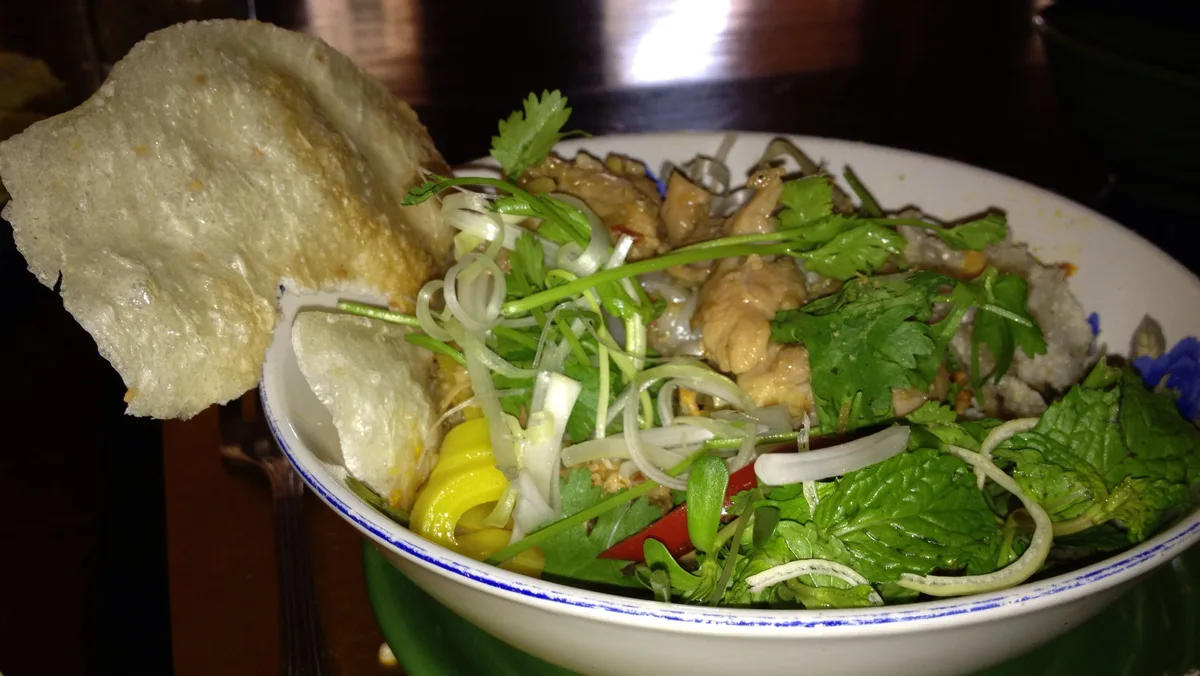
Cao Lau is Hoi An's most famous dish, a noodle bowl with pork and fresh spices. What makes it unique: noodles must be cooked in water from a specific source outside the city. This local mineral water gives Cao Lau its distinctive taste, impossible to replicate elsewhere.
White Roses rank among Vietnam's most prized street foods: flower-shaped dumplings with pork or shrimp. Made to a secret family recipe, White Roses appear at select restaurants throughout Hoi An. Served with fried onions and sweet sauce, they cost 30,000–50,000 VND ($1.50–2.50 USD) per order.
Seafood accounts for the largest share of Hoi An's menus thanks to coastal location. Fried spring rolls and prawns in local chili paste are two standout variations that define the city's food identity. Dining culture here is more developed than Hanoi; expect cleaner venues and broader menu selections alongside street stalls.
Our Favorite Food from Hue
Hue occupies central Vietnam and claims a unique culinary style distinct from north and south. Food here emphasizes subtle flavors built on fresh spices, slow-cooked meats, and mild broths. Hue's approach to cooking differs markedly from Hanoi's street-food intensity or Saigon's fine-dining options.
The dining culture in Hue is more developed than Hanoi, featuring a broader selection of traditional restaurants. Many family-run establishments offer recipes passed down through generations and rarely found outside the city. Visit during shoulder seasons (April–May or September–October) for optimal weather and less crowded dining scenes.
| Region | Cuisine Character | Signature Dishes | Dining Culture | Meal Cost Range |
|---|---|---|---|---|
| Hanoi | Street-food intensity | Bun Cha, Morning Glory Salad | Street stalls, casual fast service | $1–2 USD |
| Hoi An | Coastal, seafood-focused | Cao Lau, White Roses | Developed venue scene, cleaner spaces, broader menus | $1.50–2.50 USD |
| Hue | Subtle flavors, slow-cooked | Bún bò Huế, Bánh bèo, Bánh nậm | Traditional family restaurants, recipes passed down generations | $3–8 USD |
Regional dishes include varieties of pho, grilled meats, and noodle soups unique to central Vietnam. Prices reflect the developed restaurant scene: expect $3–8 USD per meal at traditional venues. Plan at least two full days in Hue to taste regional specialties and explore neighborhood dining customs.
Crispy Little Egg Cakes (Banh Khot)
Banh Khot are tiny golden cups cooked in special round molds filled with pork, shrimp, and scallions. These crispy bites measure only 2–3 inches across and are eaten whole or dipped in sweet and spicy sauce. Freshness is critical; eat these within minutes of cooking for maximum crispness and flavor.
Found throughout central and southern Vietnam, Banh Khot stalls are easy to spot with their distinctive mold setups. Dedicated vendors cook these to order at every meal throughout the day, not just during lunch or dinner. Cost ranges from 10,000–20,000 VND (50 cents–$1 USD) per serving of 4–6 cakes.
Banh Khot works as a snack, appetizer, or light meal paired with fresh herbs and pickled vegetables. Eat standing at the stall or grab them wrapped in paper to go for immediate consumption. This dish exemplifies Vietnam's casual, affordable street-food culture and makes an excellent introduction for first-time visitors.
Grilled Pork Skewers (Thit Xien Nuong)
Thit Xien Nuong features pork chunks threaded on thin metal skewers and charred over open flame. The high heat creates a smoky crust outside while the inside stays tender, delivering balanced char and juice. Aromatic smoke and hissing sounds signal a skilled vendor working at full capacity during peak evening hours.
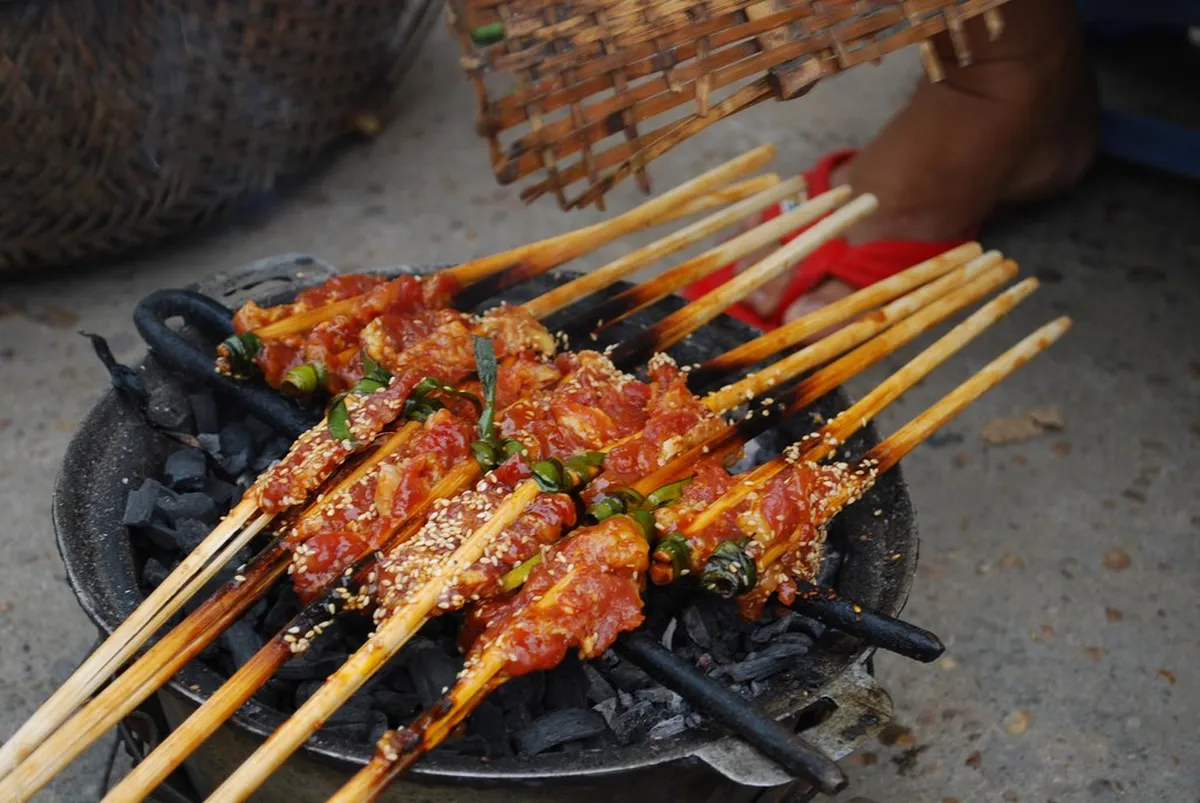
Served with rice, fresh herbs, pickled vegetables, and dipping sauce, this dish works as a complete meal. Order multiple skewers per person; each skewer typically costs 15,000–30,000 VND ($0.75–1.50 USD). Pair with ice-cold Bia Hởi or any local beer for an authentic evening eating experience.
Thit Xien Nuong peaks in quality during dinner hours (6–8pm) when grilling is most active and ingredients freshest. Found at dedicated meat stalls, family restaurants, and informal street setups throughout Vietnam. Regional variations exist: northern pork skewers often include different marinades than central or southern versions.
Banana Sago in Coconut Milk
Desserts play a minimal role in Vietnamese food culture, making Banana Sago a rare and worthwhile discovery. This Cambodian-influenced sweet combines coconut milk broth, sago grits from palm starch, and fresh banana slices. Very sweet by Western standards, it serves as a cooling treat to combat Vietnam's intense midday heat.
Banana Sago appears sporadically on restaurant menus but never at street stalls or casual eateries. Look for it in established restaurants, especially in Hoi An and Hue where Cambodian influence runs stronger. Cost typically runs 30,000–60,000 VND ($1.50–3 USD) per bowl, reflecting its restaurant-exclusive status.
Order this as an after-dinner treat or midday respite when heat peaks around 2–3pm. Availability depends on fresh mango supply and coconut availability in local markets. If you spot this on a menu, order it; recipes and quality vary by establishment, so trying regional versions adds value.
Other Must-Try Vietnamese Dishes
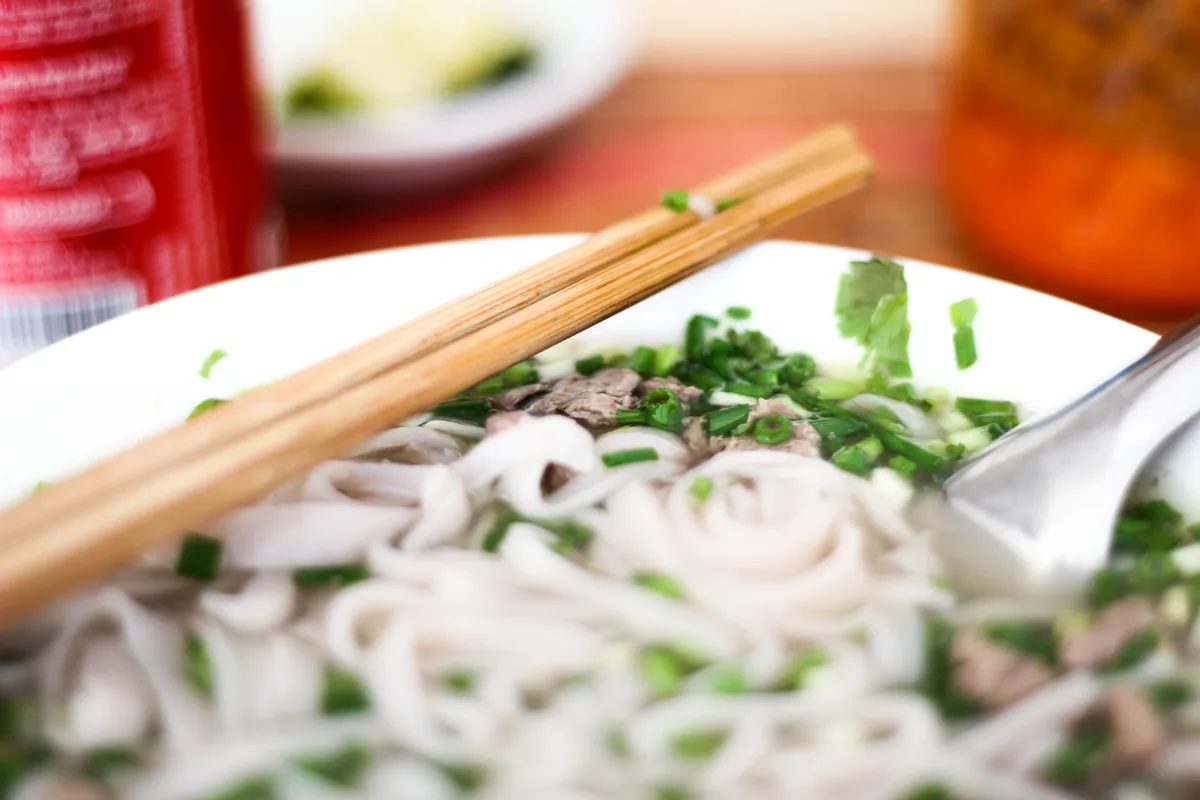
Pho, Vietnam's most famous dish, is rice noodle soup with beef or chicken in aromatic broth. Regional variations matter: Pho in Hanoi tastes almost completely different from Pho in Saigon due to broth recipes and meat cuts. Cost ranges from 15,000–40,000 VND ($0.75–2 USD) at street stalls to $5–10 USD at tourist-focused restaurants.
Banh Xeo (Vietnamese Pancakes) are crispy crepes filled with shrimp, pork, and fresh bean sprouts. Served with fresh herbs and lettuce, you wrap each piece in greens and dip in fish sauce—a hands-on, social eating experience. Found at dedicated Banh Xeo stalls and casual restaurants; cost 20,000–40,000 VND ($1–2 USD) per order.
Com Ga (Chicken Rice) features poached chicken served over seasoned rice with warm clear broth on the side. This Hainan-influenced dish appears throughout Vietnam but varies by region in spice level and broth intensity. Fried Spring Rolls and Gỏi Cuốn (Fresh Spring Rolls) appear nationwide; served with peanut or fish sauce dips.
Mango with Sticky Rice rounds out the limited but essential Vietnamese dessert category. Hard-steamed sticky rice meets palm sugar and fresh mango, creating a sweet, satisfying finish to meals. Vietnamese Hot Pot (similar to Chinese hot pot) lets diners cook meat, seafood, and vegetables in shared simmering broth—a social, leisurely experience.
Planning Your Vietnam Food Journey
Research regional specialties and Vietnam itinerary timing before arriving to maximize food experiences. Each city's dining culture reflects its geography, history, and local resources. Knowing these differences transforms meals from random encounters into intentional culinary discoveries.
Budget $5–15 USD per day for street food experiences across all meals. Casual sit-down restaurants range from $10–30 USD per person; fine dining starts at $30 USD and climbs quickly. Street stalls and market meals cost under $1–2 USD and often taste better than pricier alternatives.
Carry cash in Vietnamese Dong (VND); most street stalls, family vendors, and market sellers accept only cash. Learn basic Vietnamese food words and phrases; pointing works, but "nóng" (hot/spicy) and "không cay" (not spicy) prevent regrets. Consider Vietnam travel insurance if stomach sensitivity worries you; stomach issues can derail tight itineraries.
Check seasonal fruit and vegetable availability; mango season differs from tropical dry season by months. Weather influences ingredient quality and stall operations; monsoon seasons mean fewer outdoor food vendors. Plan flexibility into your Vietnam currency and payments guide so spontaneous food discoveries don't create logistical stress.
Essential Hue Dishes to Try
Hue’s food is best understood through its former imperial cuisine and its distinctive small savory cakes. Start with bún bò Huế, a rice-noodle soup traditionally built around a lemongrass-scented beef and pork broth. It is commonly served with sliced beef, pork knuckle, herbs, lime, and chili; ask for less chili if you prefer a gentler bowl.
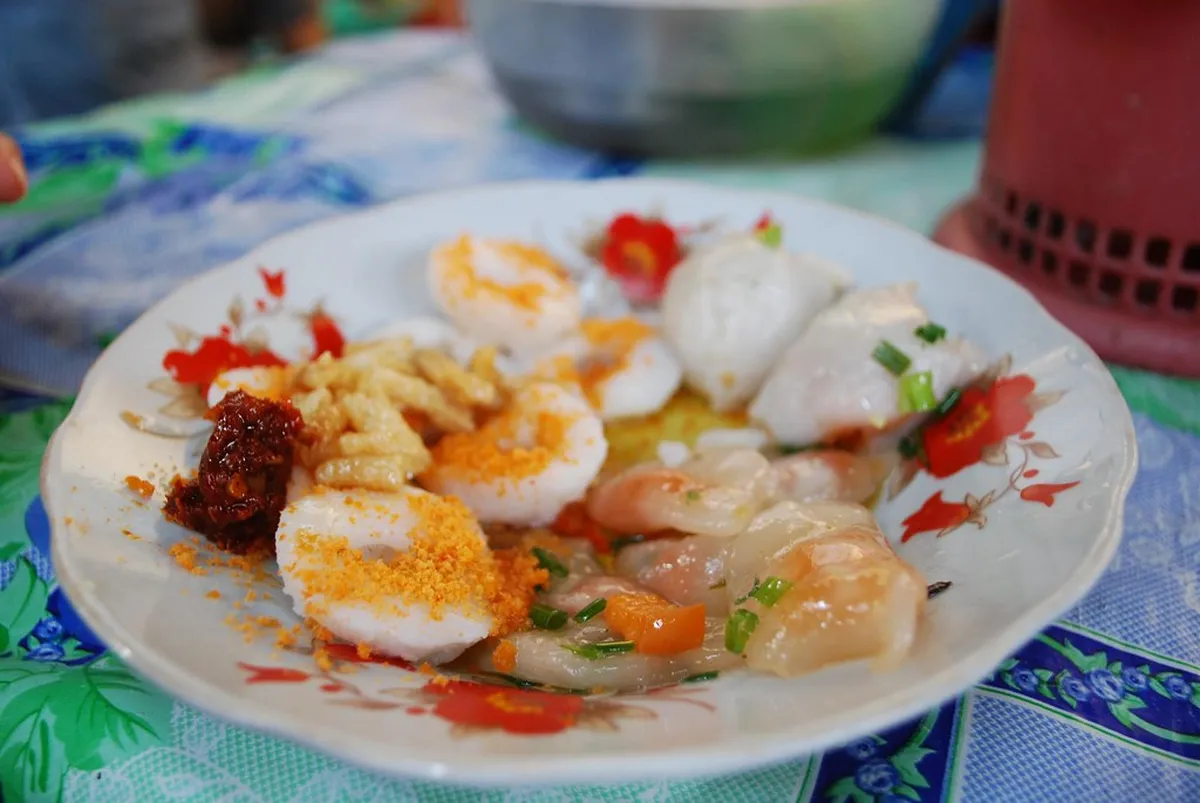
Also look for bánh bèo, steamed rice cakes presented in small dishes and topped with dried shrimp, scallion oil, and crisp pork skin. Bánh nậm wraps a soft rice-flour batter with shrimp and pork inside banana leaves, while translucent bánh bột lọc usually encloses shrimp and pork belly. These cakes are often ordered together and eaten with fish sauce.
For another local contrast, try cơm hến, a mixture of rice and small basket clams with herbs, peanuts, crunchy pork skin, chili, and fermented shrimp paste. Many shops cluster around central Hue and the Cồn Hến area east of the Perfume River. Visit a busy specialist shop at breakfast or lunchtime, when turnover is high, and confirm whether garnishes contain peanuts or shellfish if you have allergies.
Official Planning Checks Before You Go
Use the official Vietnam Tourism food hub for destination context and the Vietnam Tourism trip-planning portal for a second official baseline. Recheck any opening hour, fare, timetable, closure, access rule, weather risk, or booking condition with the responsible operator shortly before travel; an official destination overview is not a live inventory or service guarantee.
Frequently Asked Questions
What is a must-eat food in Vietnam?
Pho ranks as Vietnam's most iconic must-eat: a rice noodle soup with beef or chicken in aromatic broth. Bun Cha (grilled pork with noodles) and Banh Mi (crispy Vietnamese sandwich) are equally essential. Regional variations matter—Hanoi Pho tastes completely different from Saigon Pho—so trying versions across cities adds depth to your understanding.
How do I avoid stomach issues when eating Vietnamese street food?
Start with lower-risk items like pho, cooked rice dishes, and grilled meats if stomach sensitivity concerns you. Avoid raw vegetables and uncooked items early in your trip. Follow locals into busy stalls where high turnover means fresh ingredients. Drink bottled water, and let your stomach build tolerance gradually over your first few days.
Is $1000 USD enough to eat well for two weeks in Vietnam?
Yes, $1000 covers two weeks of excellent food experiences: street stalls at $5–10 per day plus occasional $15–20 restaurant meals equal roughly $13–18 per day average for one person. That budget allows flexibility for both cheap eats and memorable restaurant experiences without compromise.
What should I be careful about when eating Vietnamese street food?
Avoid food sitting in the sun for hours; prioritize stalls with high turnover and active cooking. Bring hand sanitizer or wash hands before eating without utensils. Getting around by motorbike lets you discover hidden stalls faster, but start your exploration during lunch and dinner peaks when crowds signal freshness and safety.
Where can I find authentic Vietnamese street food in Hanoi?
Hanoi's Old Quarter, specifically streets like Hang Manh and Hang Ga, concentrate dedicated stalls serving single dishes for generations. Early morning (6–8am) favors pho stalls; evening (6–8pm) means grilled pork skewers and hotpot venues open. Ask hotel staff for neighborhood recommendations; locals know undiscovered alleys better than any guide.
Vietnam's food guide rewards travelers who adapt to local timing, embrace street stalls, and follow locals into unfamiliar venues. The combination of fresh ingredients, subtle flavors, and budget-friendly prices makes Vietnam a culinary destination unlike any other. Each region delivers distinct dishes and dining cultures that deepen your understanding of how geography shapes food.
Start with timing: arrive at lunch stalls by 11:30am or dinner venues after 5pm for the freshest experiences. Be adventurous: plastic stools and smoky grills indicate authenticity and value, not risk. Plan flexibility to discover regional specialties that connect you to local travel culture and people.
Take the route offline
Free: the Vietnam route starter
A two-week south-to-north route with real nightly rates by city, what to book first and how far ahead, region-by-region timing, and the transport costs between each leg — drawn from our published guides.
Keep unfolding Vietnam
Continue along the route
Three nearby guides for the next decision in your trip.


